
Flower Friday – Annabelle Hydrangea

Comprehensive Guide to Annabelle Hydrangea Care
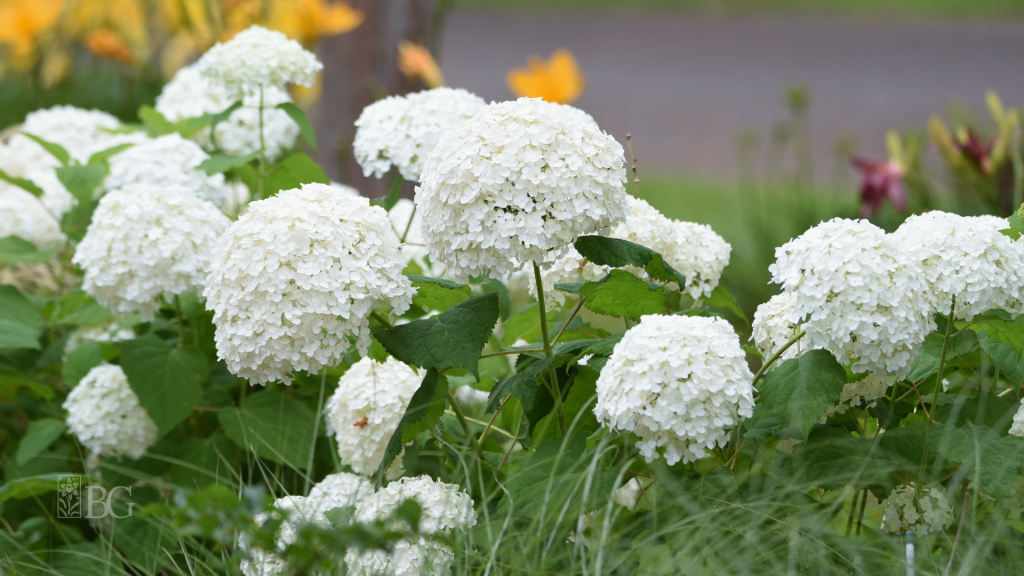
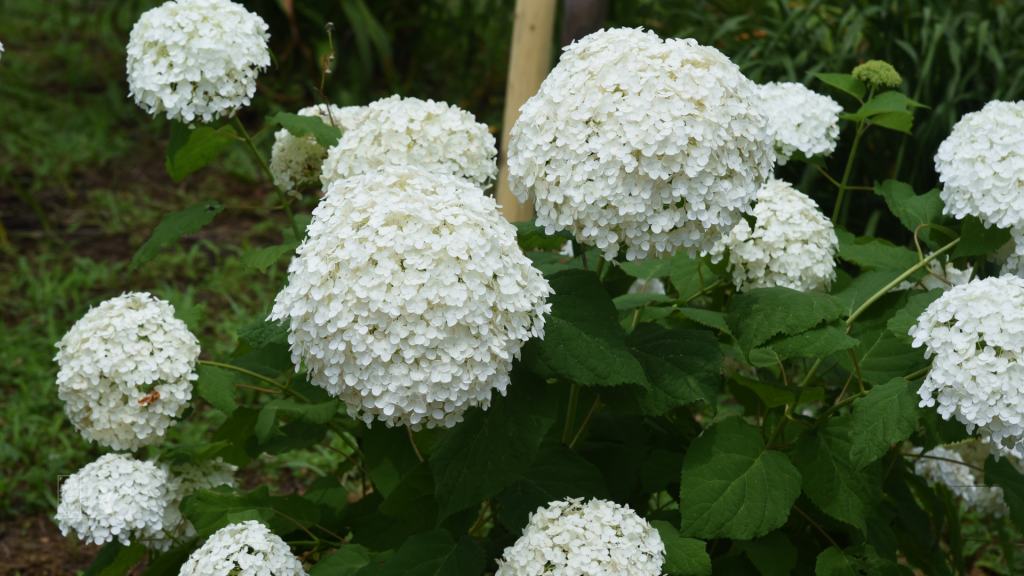
Annabelle hydrangea (Hydrangea arborescens ‘Annabelle’) is celebrated for its stunning, large white blooms that make a striking addition to any garden. This guide will provide detailed information on how to grow and care for this popular shrub, ensuring it thrives and remains healthy throughout the seasons.
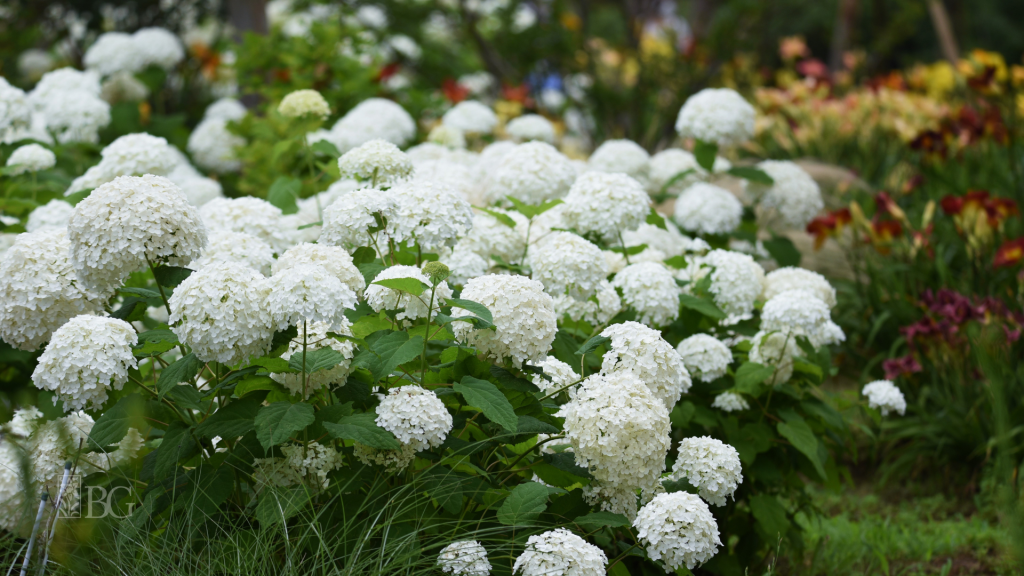
Overview of Annabelle Hydrangea
- Common Name: Annabelle Hydrangea, Smooth Hydrangea
- Botanical Name: Hydrangea arborescens ‘Annabelle’
- Family: Hydrangeaceae
- Plant Type: Deciduous flowering shrub
- Mature Size: Height: 90-150 cm, Width: 120-180 cm
- Sun Exposure: Full sun to part shade
- Soil Type: Moist, well-draining
- Soil pH: Acidic
- Bloom Time: June to September
- Flower Colour: White
- Hardiness Zones: 3-8 (USDA)
- Native Area: Naturally occurring cultivar in the United States and Canada
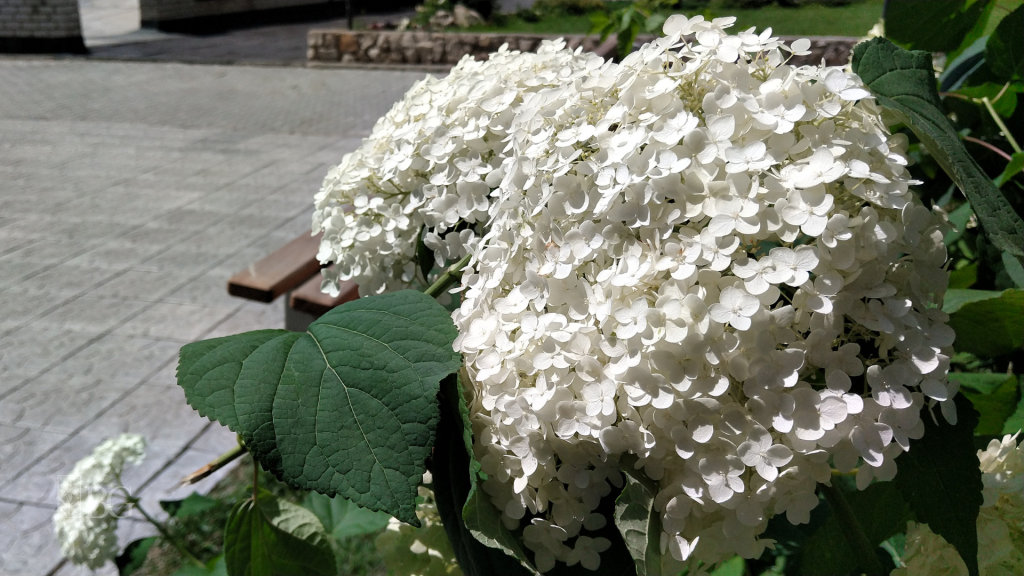
Annabelle Hydrangea Care
Planting Location and Light Requirements
To ensure the best growth and blooming, plant Annabelle hydrangea in a location where it receives morning sun and afternoon shade. This shrub can tolerate full sun if the soil remains consistently moist. Although it can survive in full shade, the blooms may be less prolific.
Soil Requirements
Annabelle hydrangea thrives in acidic soil, though the pH level does not affect the white colour of its flowers. It adapts well to various soil types, including clay and sandy soils, as long as the soil pH remains between 5.5 and 6.5. Ensure the soil is well-draining to avoid waterlogging.
Watering Needs
This shrub is not drought tolerant, so it is crucial to keep the soil consistently moist. Water regularly throughout the growing season, especially during hot, dry periods. In warmer regions, you may need to water up to three times a week to maintain soil moisture.
Temperature and Humidity
Annabelle hydrangea performs best in temperatures between 18-29°C. High temperatures above 29°C can cause the flowers to fade quickly. The shrub can tolerate winter temperatures down to -1°C. For optimal flowering, it requires a six to eight-week period of temperatures around 4°C.
Fertilisation
Fertilise Annabelle hydrangea annually in early summer with a slow-release, organic, acidic fertiliser. Suitable options include those with an NPK ratio of 15-10-10 or 10-5-5. Alternatively, you can use a foliar spray of kelp or fish emulsion for additional nutrients.
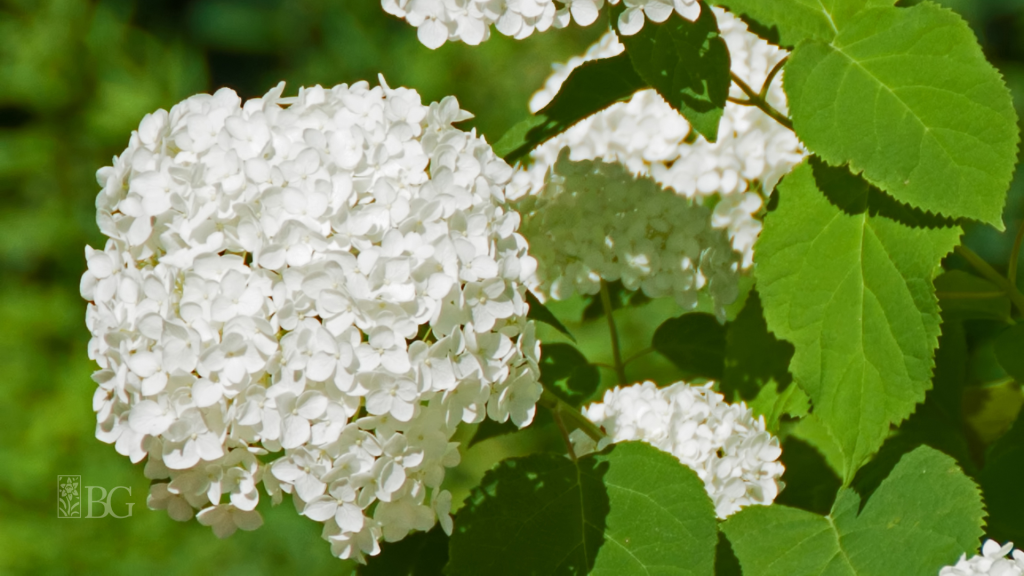
Pruning Annabelle Hydrangea
Annabelle hydrangea blooms on new wood, so the best time to prune is late winter or early spring before new growth begins. In autumn, you can remove faded flowers or leave them for winter interest. Cut back the shrub to ground level if needed, but retain a few old-growth branches to support new growth and large flower heads.
Propagating Annabelle Hydrangea
Annabelle hydrangea is propagated through softwood cuttings taken in spring. To propagate:
- Prepare Pots: Use 8-12 cm pots with drainage holes filled with a sandy potting mix.
- Take Cuttings: Clip 15-30 cm long sections of new branches with five or six leaves.
- Prepare Cuttings: Remove the lower leaves from each cutting and dip the cut end in rooting hormone.
- Plant Cuttings: Insert the cut ends into the soil, placing multiple cuttings in each pot.
- Water and Maintain: Water the cuttings and keep the soil moist. Place the pots in a shaded area with indirect light.
- Transplant: Once roots form in 2-3 weeks, pot up individual seedlings and transplant into the garden in the fall.
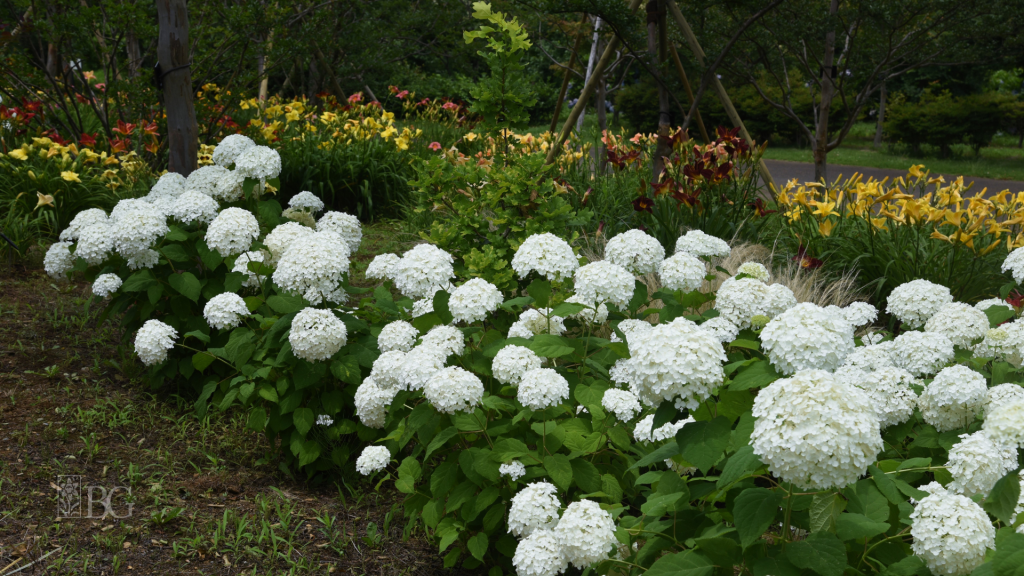
Overwintering Annabelle Hydrangea
Since Annabelle hydrangea blooms on new growth, only the roots need protection during winter. Apply a 7.5 cm layer of wood chips or pine straw around the base of the plant to insulate the roots and retain soil moisture.
Common Pests and Diseases
Pests
- Leaf Tier Moth: The larval stage of this pest can cause distorted foliage and reduced flowering. Use organic pesticide BTK as a preventive measure, and remove infested leaves if necessary.
Diseases
- Leaf Spot, Powdery Mildew, and Rust: These fungal infections can be managed by ensuring proper moisture and sunlight. In severe cases, apply a recommended fungicide.

Encouraging Blooms
Annabelle hydrangeas typically bloom from June to August, with a possible re-bloom in autumn. If blooms are sparse, ensure the plant receives adequate water and light. Removing faded flowers and a bit of stem growth may stimulate additional blooms.
Common Issues and Solutions
Drooping Plant
A drooping Annabelle hydrangea usually indicates a need for more water or excessive sun exposure. Ensure the plant is adequately watered and check if it’s receiving too much direct sunlight.
No Blooms
Lack of blooms can result from insufficient water, light, or late pruning. Ensure proper care and avoid pruning too late in the season.
Leaves Turning Brown
Brown leaves are often a sign of scorch, caused by dry conditions, intense sunlight, or underwatering. Adjust care practices to remedy these issues.
Leaves Turning Yellow
Yellowing leaves can result from various factors, including improper watering, poor soil, pests, or nutrient deficiencies. Identify and address the cause to restore plant health.
Conclusion
By following these comprehensive care guidelines, you can ensure that your Annabelle hydrangea remains healthy and continues to produce its beautiful, large white blooms throughout the growing season. Regular maintenance and attention to its specific needs will help your shrub flourish and remain a standout feature in your garden.
You can consult with our team at Bowering Gardens, lawn and garden experts in St. John’s, Newfoundland, to determine the best practices for your specific region and landscaping, or you can reach out to us below to get a quote so that we can take it off your hands entirely.
Please note that the information provided in this article is based on general guidelines. Specific care and conditions may vary for different varieties and individual gardens.
Frequently Asked Questions
For Annabelle hydrangea to thrive in St. John’s, Newfoundland, plant it in a spot that receives morning sun and afternoon shade. This placement helps protect the shrub from the harsh midday sun while still providing enough light for optimal blooming. Ensure the soil is moist and well-draining, as Annabelle hydrangea does not tolerate drought conditions. The soil should be acidic, with a pH between 5.5 and 6.5, and the shrub should be protected from extreme cold temperatures that may occur in the region.
Annabelle hydrangea requires regular watering to maintain consistent soil moisture. During the growing season, especially in warm or dry periods, water the shrub at least twice a week to prevent the soil from drying out. In St. John’s, where weather conditions can vary, monitor the soil closely and adjust your watering schedule as needed to ensure the soil remains moist but not waterlogged.
For Annabelle hydrangea, use a slow-release, organic, acidic fertiliser with an NPK ratio of 15-10-10 or 10-5-5. Apply this fertiliser annually in early summer to support healthy growth and blooming. Alternatively, you can use a foliar spray of kelp or fish emulsion for additional nutrients. This helps ensure the shrub receives the essential nutrients it needs to thrive.
Prune Annabelle hydrangea in late winter or early spring, before new growth begins. Remove any dead or damaged branches and cut the shrub back to ground level if necessary, but leave a few old-growth branches to support new growth and large flower heads. In autumn, you can also remove faded flowers for a tidier appearance or leave them for winter interest. Proper pruning helps maintain the shrub’s shape and encourages abundant blooming.
In St. John’s, be on the lookout for issues such as drooping or yellowing leaves, which may indicate problems with watering or soil conditions. Drooping often means the plant needs more water or is exposed to too much sun. Yellowing leaves can result from overwatering, underwatering, or nutrient deficiencies. Regularly check for pests like the leaf tier moth and fungal infections such as leaf spot or powdery mildew. Address these problems promptly to keep your Annabelle hydrangea healthy and vibrant.
Remember, gardening is not only about nurturing plants but also about embracing the joy and wonder that nature brings. Happy gardening!

Posted on
Posted in Blog
