
Flower Friday – Aralia ‘Sun King’ Cordata
Brighten Shady Borders with Aralia ‘Sun King’: A Guide for Newfoundland Gardens
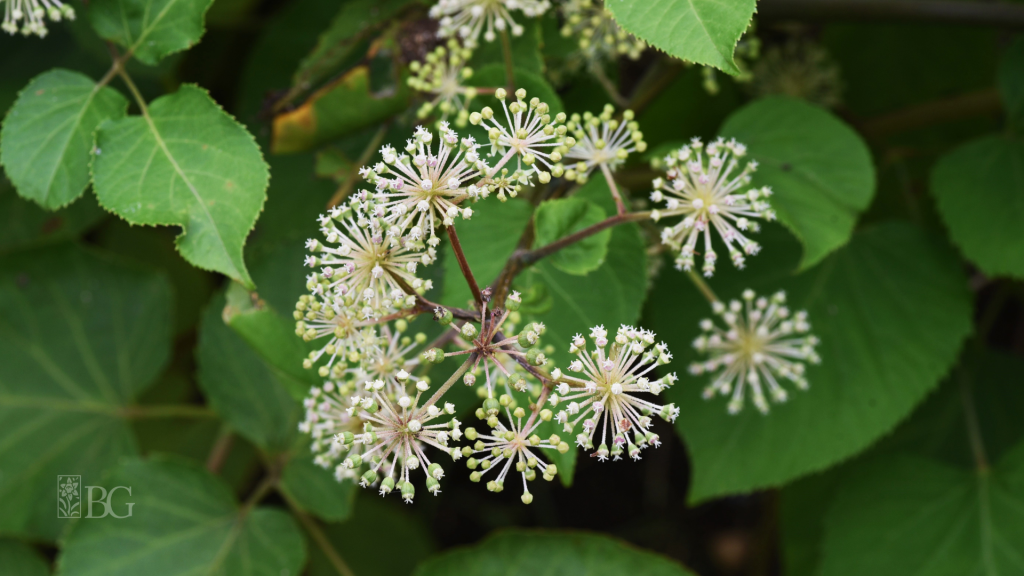
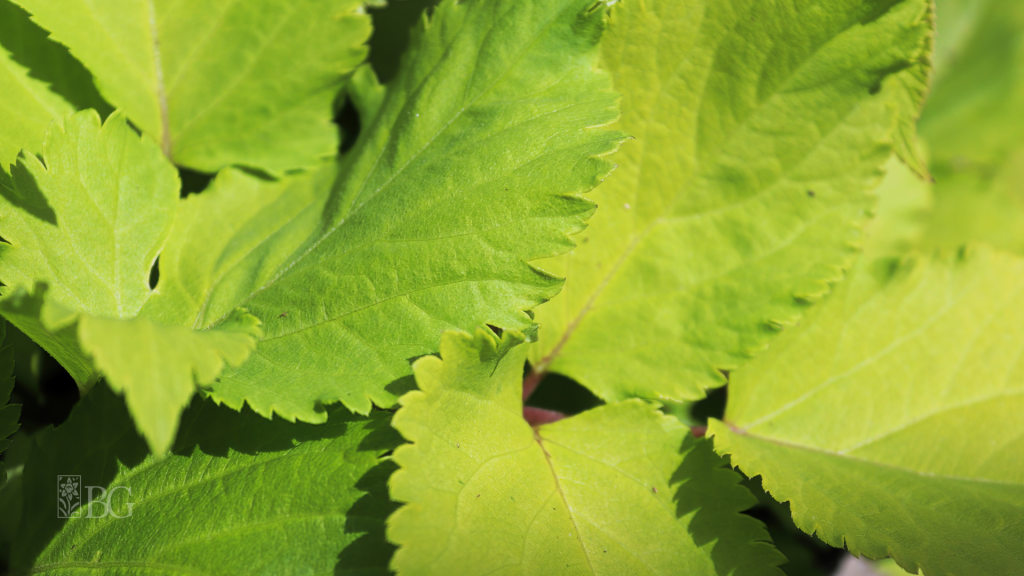
Aralia ‘Sun King’ (Aralia cordata ‘Sun King’) is a striking perennial grown for its large, golden-yellow foliage and upright growth habit. Originating from East Asia, this plant thrives in partial shade, where its chartreuse leaves provide dramatic contrast to darker greens. It is valued for its adaptability, low maintenance, and ability to illuminate shaded borders, woodland gardens, and mixed perennial plantings.
In St. John’s, where cool summers and dappled light are common, Sun King performs reliably when given shelter from strong winds and moist, well-drained soil. Though not as well-known as flowering perennials, its foliage impact is unmatched, making it a standout for Newfoundland gardeners seeking bold texture.
Plant Overview
- Botanical Name: Aralia cordata ‘Sun King’
- Common Name: Sun King Aralia
- Plant Type: Herbaceous perennial
- Mature Size: 90–120 cm tall × 75–90 cm wide
- Foliage: Large compound leaves, bright chartreuse to golden-yellow, greener in deeper shade
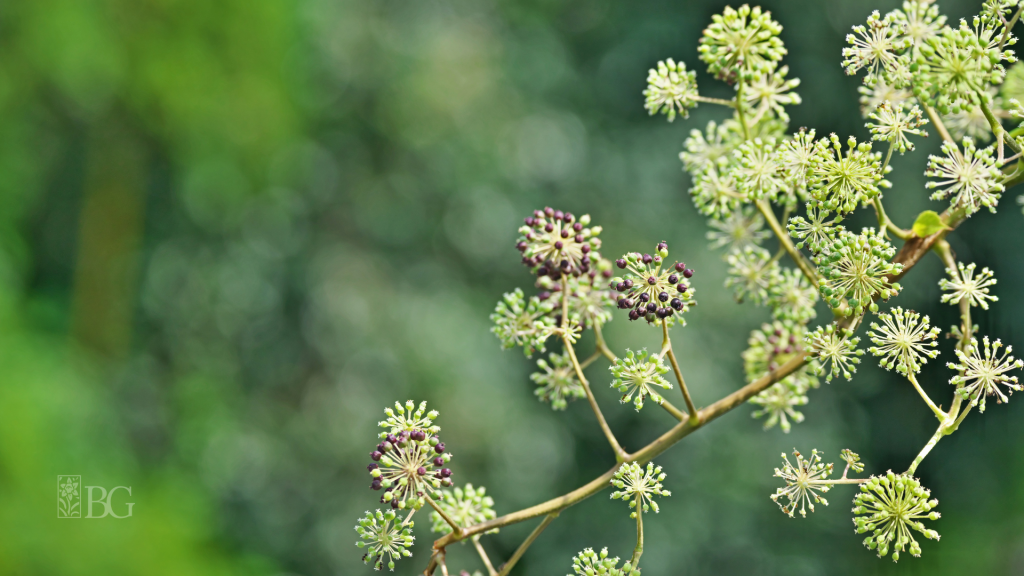
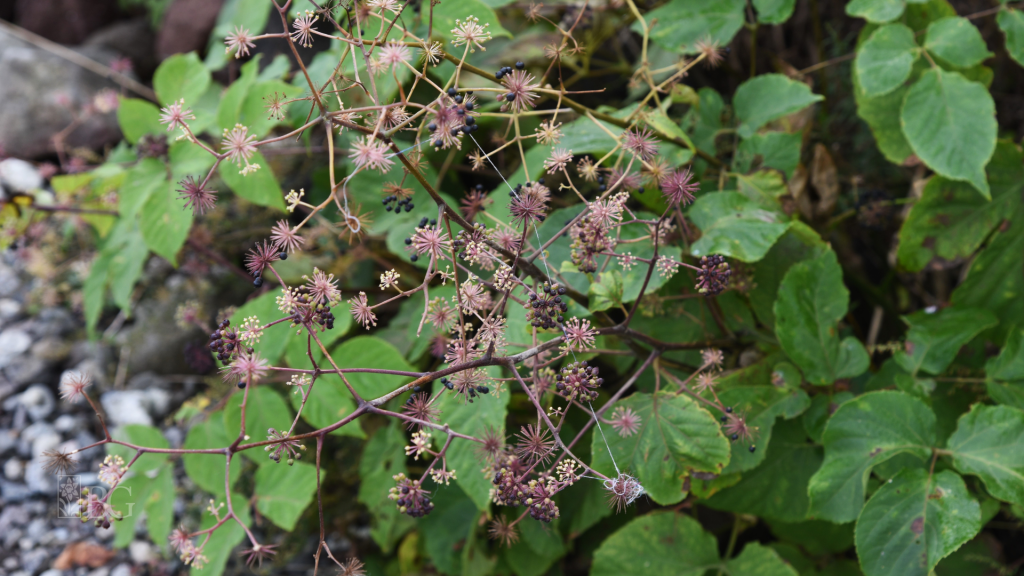
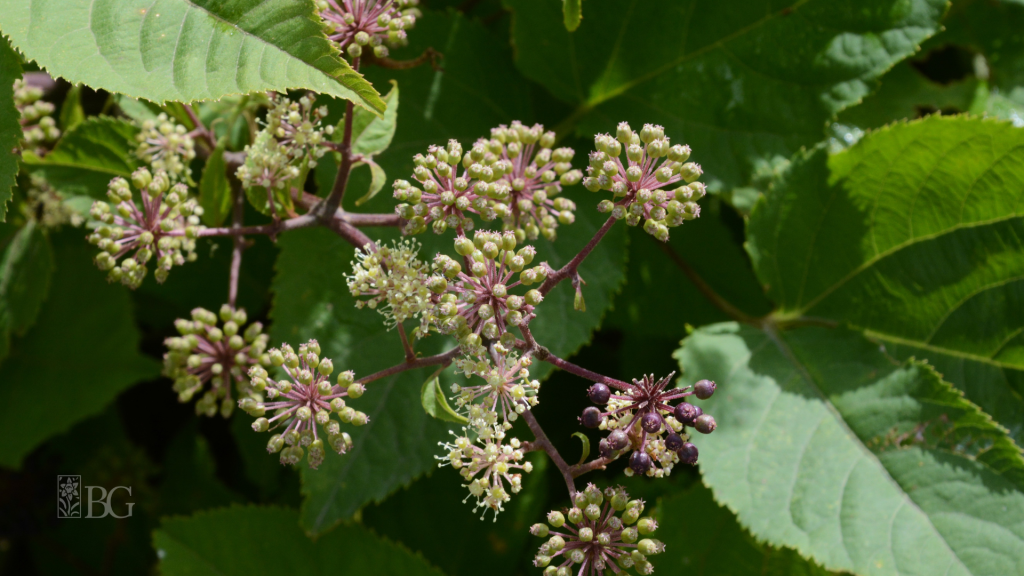
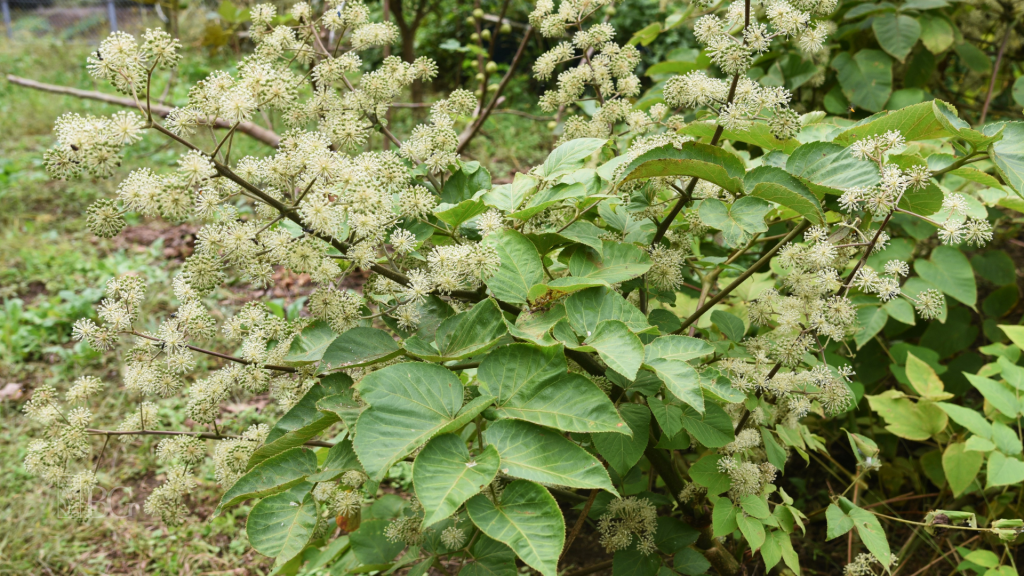
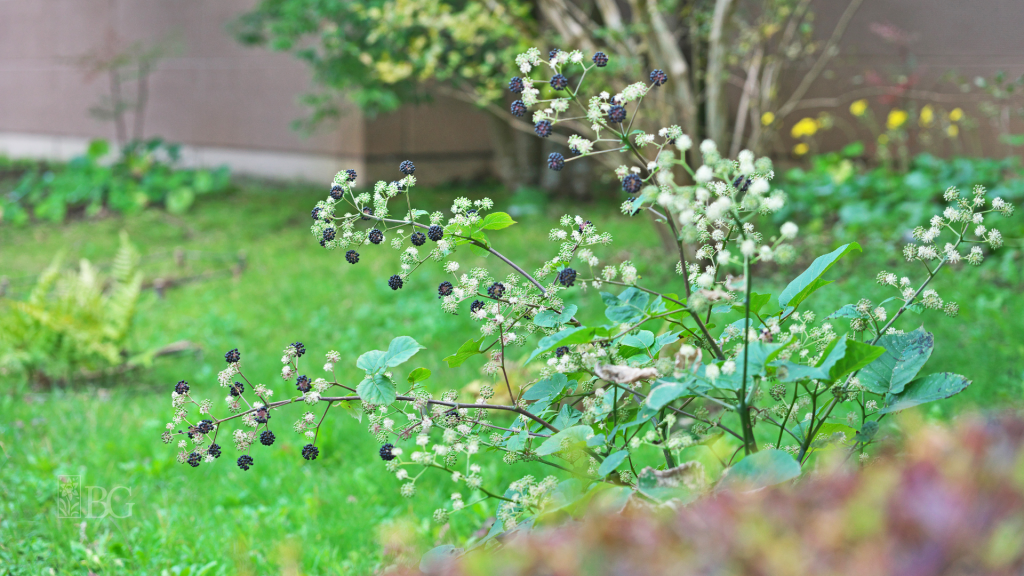
- Flowers: Small, white umbels in mid to late summer, followed by dark purple-black berries
- Sunlight: Partial shade; tolerates full sun if soil remains moist
- Soil Type: Moist, fertile, well-drained soil enriched with organic matter
- Hardiness: USDA Zones 3–9 (hardy in Newfoundland’s climate)
Why It Works in Newfoundland Gardens
Sun King Aralia thrives in the cool, damp conditions typical of St. John’s. Its golden foliage is most vibrant in partial shade, where it brightens darker garden corners. The plant is cold-hardy to Zone 3, so it overwinters reliably, dying back to the ground in late autumn and re-emerging in spring with vigorous growth. Its pest resistance and tolerance for varied soils further enhance its appeal for low-maintenance coastal gardens.
Planting Conditions
Light
Best colour is achieved in partial shade, particularly morning sun with afternoon shade. In deep shade, leaves may turn greener, while too much direct sun can scorch foliage if soil dries out.
Soil
Aralia prefers rich, humus-filled soil that retains moisture but drains freely. Amending with compost improves both fertility and structure, particularly in Newfoundland’s often rocky or clay-based soils.
Spacing
Allow 75–90 cm between plants to accommodate their spreading habit and prevent overcrowding.
Planting and Establishment
- Timing: Plant in spring once soil is workable, or in early autumn so roots can settle before winter.
- Method: Dig a hole twice the width of the root ball. Place the crown at soil level, backfill with compost-enriched soil, and water thoroughly.
- Mulching: Apply 5–7 cm of mulch around the base to conserve moisture and suppress weeds, keeping it clear of the crown.
Care and Maintenance
Watering
Sun King needs consistent moisture, especially in its first season. Provide about 25 mm of water weekly during dry periods. Once established, it tolerates occasional dryness but looks best with steady soil moisture.
Fertilizing
Apply a slow-release balanced fertilizer in spring or refresh with compost annually. Avoid overfeeding, as excessive nitrogen may encourage overly soft growth.
Mulching
Mulch with shredded bark or compost each spring to improve soil texture and maintain even moisture levels.
Pruning and Division
Pruning
- Seasonal Clean-up: Aralia dies back in late autumn. Cut stems to ground level after frost has blackened foliage.
- Summer Maintenance: Minimal pruning is needed. Remove any damaged or scorched leaves during the growing season.
Division
Aralia rarely requires division, but large, established clumps can be divided in spring if rejuvenation is needed or if you wish to propagate.
- Dig up the crown carefully, preserving root systems.
- Split into smaller sections, each with viable roots and shoots.
- Replant immediately at original soil depth, watering thoroughly.
Division every 5–7 years is sufficient to maintain vigour.
Pests and Diseases
Aralia ‘Sun King’ is remarkably resilient. It is seldom bothered by pests or diseases, though slugs may occasionally chew young shoots in damp springs. Adequate spacing and airflow help prevent fungal issues.
Landscape Uses
Containers: Large pots allow its golden foliage to shine on patios and shaded terraces.
Foliage Focal Point: Bold golden leaves provide a luminous centrepiece in shaded borders.
Woodland Gardens: Contrasts beautifully with ferns, hostas, and astilbes.
Mixed Plantings: Complements darker-leaved plants like heuchera or hydrangea.
You can consult with our team at Bowering Gardens, lawn and garden experts in St. John’s, Newfoundland, to determine the best practices for your specific region and landscaping, or you can reach out to us below to get a quote so that we can take it off your hands entirely.
Please note that the information provided in this article is based on general guidelines. Specific care and conditions may vary for different varieties and individual gardens.
Frequently Asked Questions
Spring or early autumn is ideal. Spring planting allows full-season establishment, while autumn planting gives roots time to settle before winter dormancy.
Yes, but only if soil remains consistently moist. In drier or exposed sites, foliage may scorch. Partial shade is recommended for the brightest, healthiest leaves.
Expect 90–120 cm in height and 75–90 cm in spread. In fertile soil with consistent moisture, plants may grow slightly larger.
No. Division is rarely necessary and only needed every 5–7 years if clumps become too large or lose vigour.
No. Unlike some Aralia species, ‘Sun King’ forms neat clumps and does not spread aggressively, making it a safe choice for controlled perennial plantings.
Remember, gardening is not only about nurturing plants but also about embracing the joy and wonder that nature brings. Happy gardening!
Posted on
Posted in Blog
