
Flower Friday – Bergenia
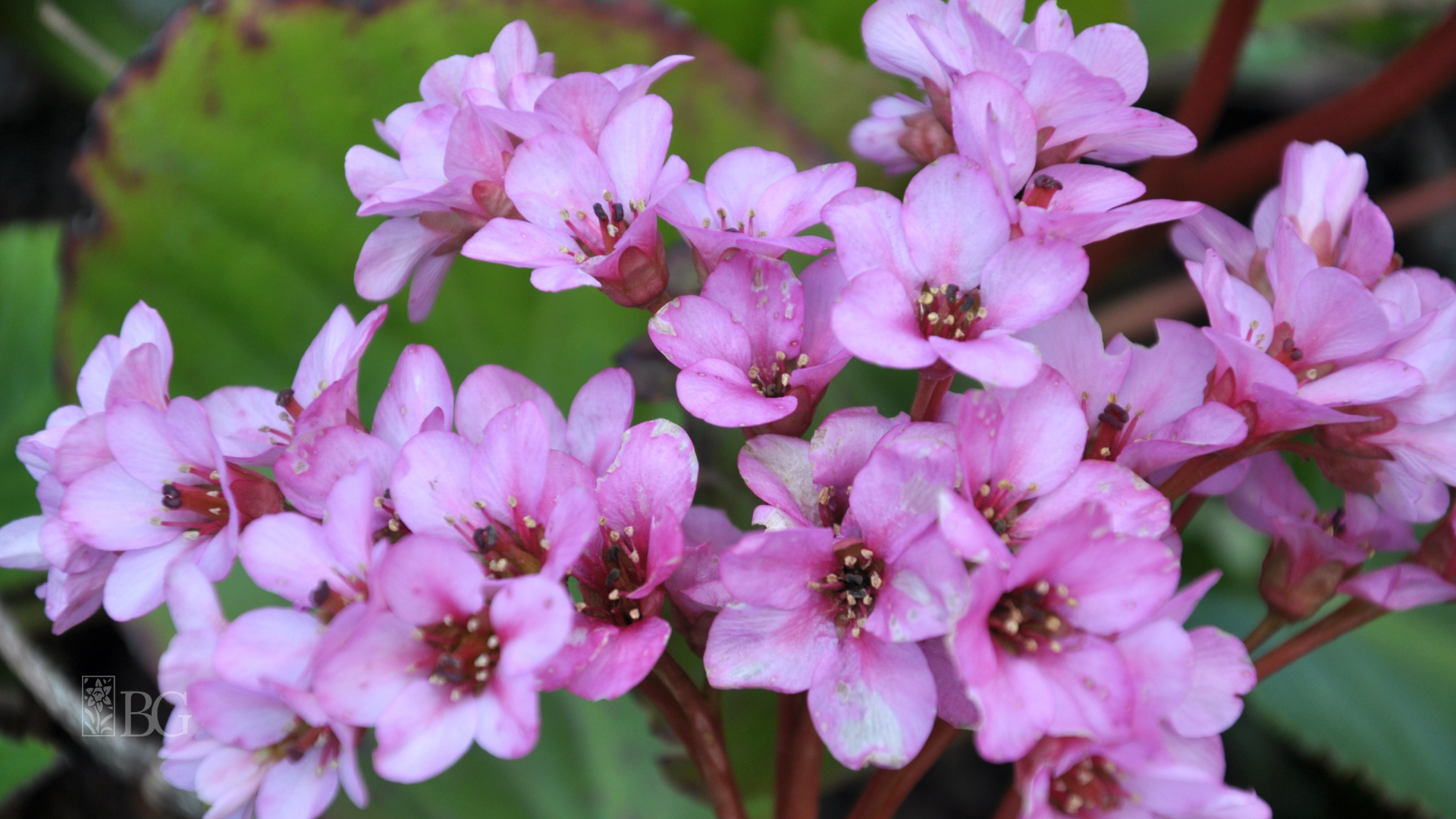
How to Grow and Care for Bergenia in Newfoundland’s Gardens
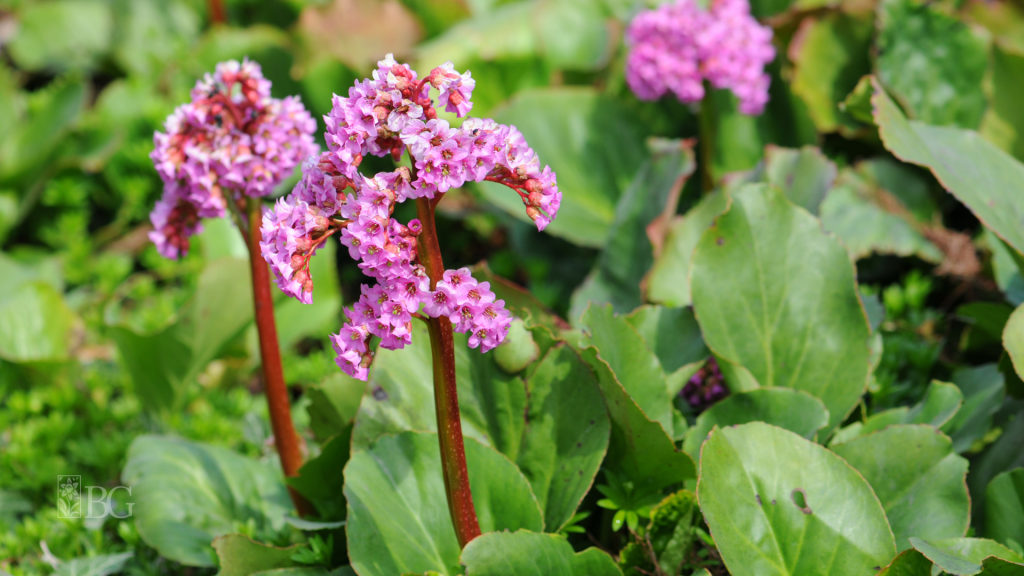
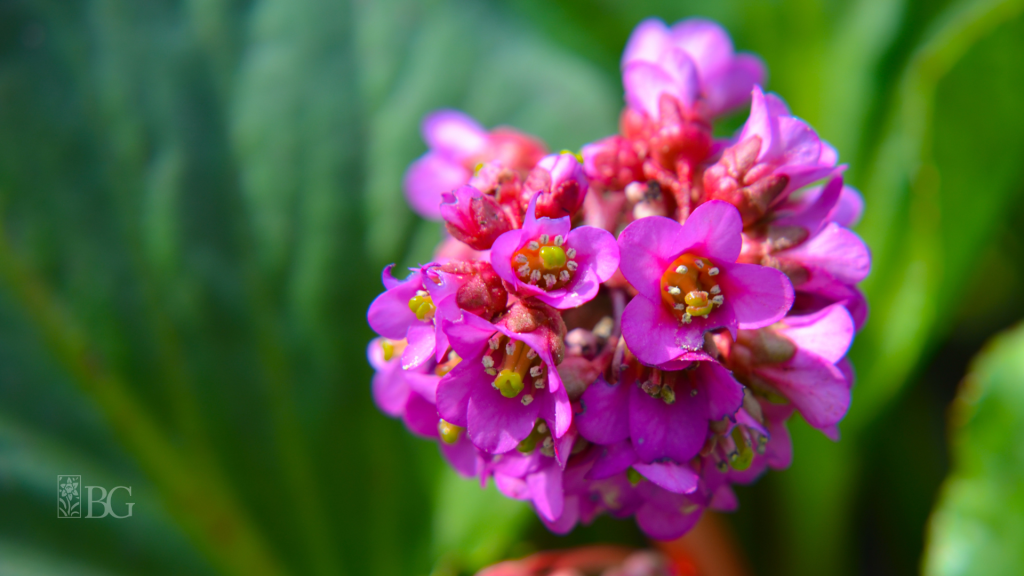
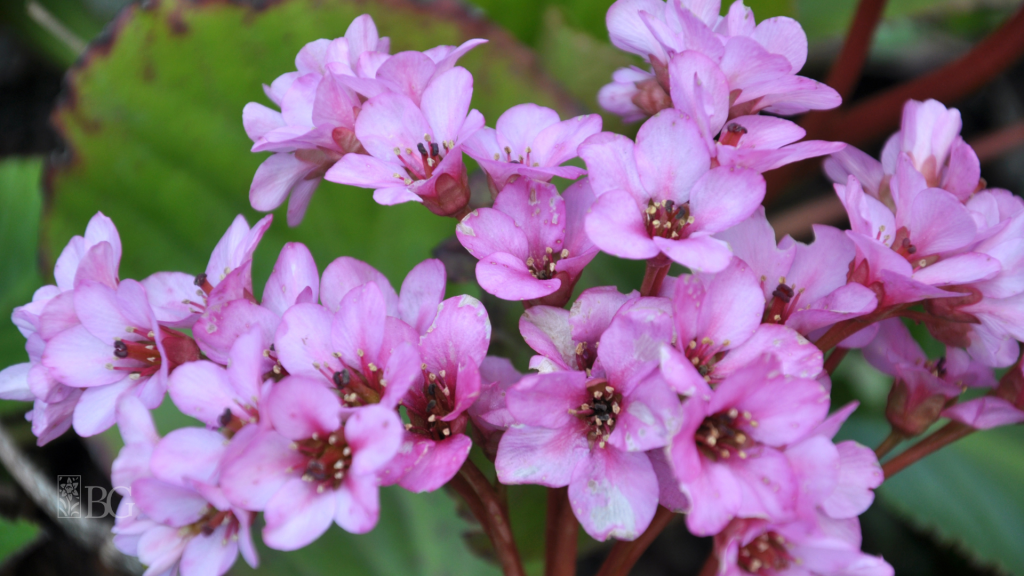
Bergenia (Bergenia crassifolia), often referred to as pigsqueak or leather bergenia, is a resilient and eye-catching perennial known for its broad, glossy leaves and vibrant spring blooms. Thanks to its ability to thrive in partial to deep shade and tolerate a variety of soil types, bergenia is an excellent addition to gardens in Newfoundland. This evergreen perennial provides ground cover, winter interest, and valuable nectar for pollinators, making it an essential plant for gardeners seeking beauty with minimal maintenance. Below, we explore how to care for, propagate, and optimize bergenia’s performance year-round in Newfoundland’s unique climate.
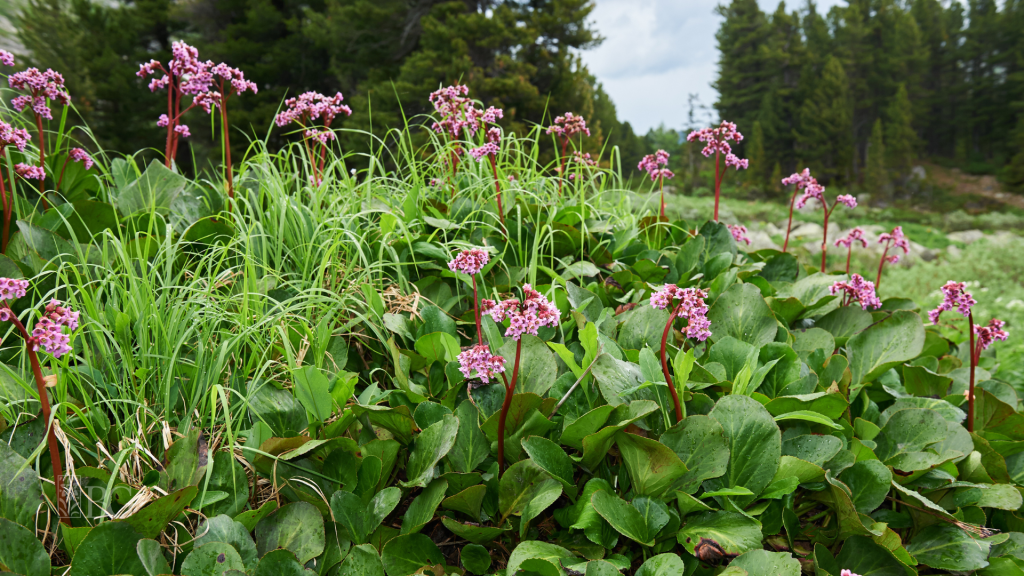
Selecting the Right Spot for Bergenia
Bergenia performs best when planted in shady to partially sunny areas. In Newfoundland’s cool and often humid climate, partial sun exposure encourages healthier foliage and more abundant blooms. It is important to match bergenia’s light and moisture needs to the local weather patterns:
- Partial shade (4–6 hours of sun) is ideal for maximum bloom production.
- Heavy shade reduces flowers but promotes lush leaf growth, perfect for foliage-focused designs.
Tip: Plant bergenia near north-facing walls or under deciduous trees for ideal growing conditions that balance shade in summer and winter sunlight.
Preparing the Soil for Bergenia
Bergenia adapts to various soil types but performs best in moist, well-draining loam enriched with organic matter. Here are the key considerations for soil preparation:
- Soil Type: Bergenia tolerates sandy, loamy, or clay soils but thrives in moist but well-drained conditions.
- Organic Amendments: Add compost or leaf mulch to improve soil structure, especially for heavy clay.
- pH Tolerance: Bergenia grows well in neutral to slightly acidic soils (pH 6.0–7.0), though it is adaptable to alkaline conditions.
Fall is the best time to apply compost to garden beds, giving the organic material time to decompose and nourish the soil for spring growth.
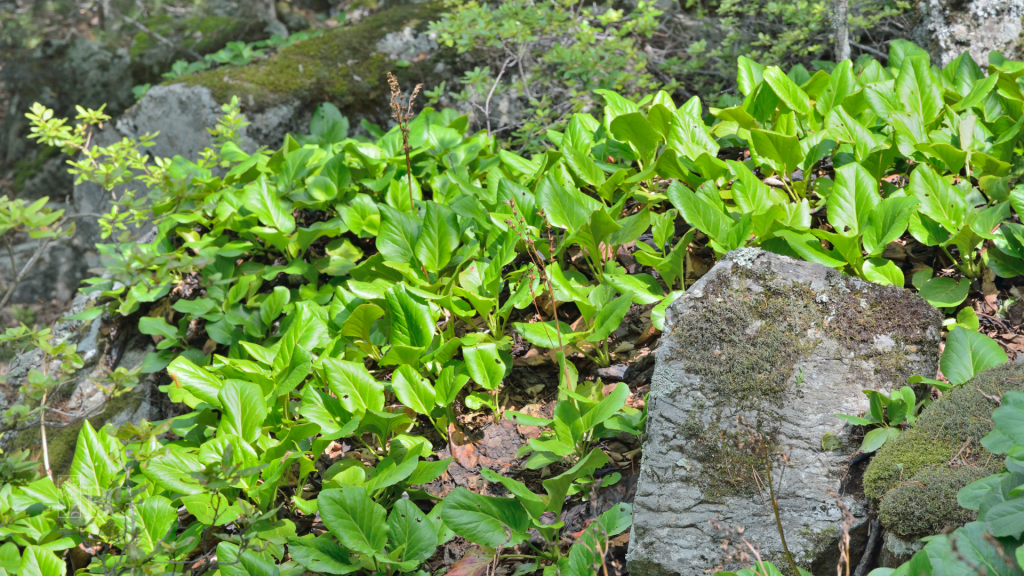
Watering and Mulching: How to Maintain Moisture
Although bergenia is relatively drought-tolerant once established, consistent moisture is essential, especially during Newfoundland’s dry summer spells. Here’s how to manage watering:
- Water deeply but infrequently. Let the soil dry slightly between watering to avoid waterlogging.
- Mulch generously in autumn. Apply a 7–10 cm layer of mulch (compost, shredded leaves, or straw) around the plant’s base. This helps retain moisture, reduces winter damage, and suppresses weeds.
Bergenia’s thick leaves store water, making it a robust plant during dry periods. However, plants in full sun may need occasional supplemental watering during unusually warm autumn days.
Seasonal Care and Maintenance
Proper care throughout the seasons ensures bergenia remains vibrant year-round. Follow these seasonal tips to optimize growth and maintain aesthetics.
Spring
- Inspect for winter damage. Trim any brown or tattered foliage to encourage fresh growth.
- Apply organic fertilizer. Though bergenia is a light feeder, a spring application of slow-release compost can boost early-season growth.
Summer
- Deadhead spent flowers to tidy the plant and encourage more blooms.
- Water only when soil becomes dry—plants in shaded areas need less frequent watering than those in partial sun.
Autumn
- Divide overcrowded plants in early autumn to rejuvenate growth.
- Apply a layer of mulch after the first frost to insulate roots from freezing and thawing cycles common to Newfoundland’s winters.
Winter
- Bergenia is evergreen, but apply straw or chopped leaves to protect foliage in colder regions of the province.
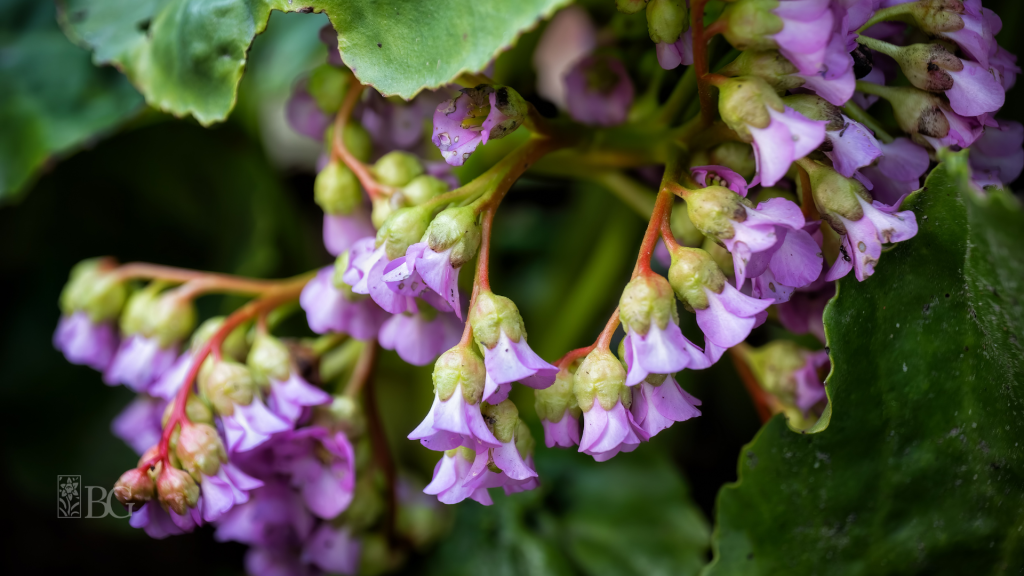
Propagating Bergenia
Division is the easiest method to propagate bergenia and keep mature plants vigorous. Here’s how to divide bergenia successfully:
- Lift the plant in early autumn using a garden fork to avoid root damage.
- Separate clumps by hand or with a knife, ensuring each division has at least 3–5 leaves and healthy roots.
- Replant divisions immediately in well-prepared soil. Water thoroughly to help the roots establish.
Bergenia can also be grown from seed, though this method requires patience, as germination may take 4–6 weeks. For best results, start seeds indoors in early spring.
Container Gardening with Bergenia
Bergenia is well-suited for container gardening, providing year-round foliage interest. When planting in pots:
- Choose a container at least 30 cm wide with drainage holes.
- Use moist, nutrient-rich potting soil. Add perlite or sand for better drainage.
- Combine with companion plants like coral bells (Heuchera) or Japanese painted fern (Athyrium niponicum) for contrasting textures.
Repot every 2–3 years in spring to prevent overcrowding.
Pests and Diseases
While bergenia is generally resistant to most diseases, it can suffer from slug and snail damage in Newfoundland’s damp conditions.
- Control pests with beer traps, copper barriers, or diatomaceous earth.
- Watch for signs of fungal leaf spot or crown rot, especially in wet seasons. Remove affected leaves promptly, and ensure proper air circulation around plants.
Encouraging Bergenia to Bloom
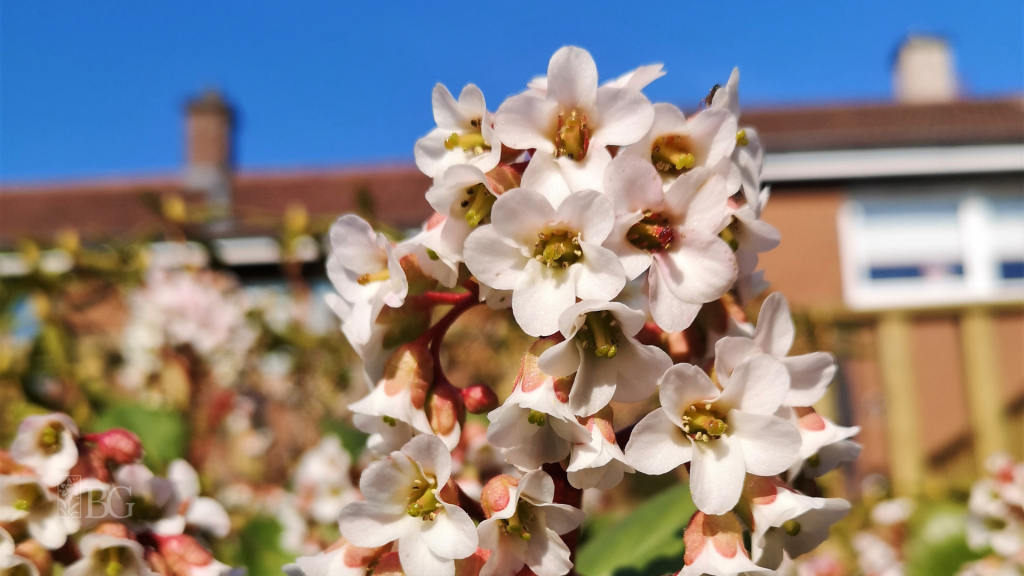
With the right care, bergenia will produce clusters of bell-shaped flowers from March through May. In Newfoundland, flowering typically begins in late April or early May. To enhance blooms:
- Provide partial sun for at least 4 hours per day.
- Ensure soil remains consistently moist during the growing season.
- Deadhead flowers after blooming to encourage new flower stalks.
Bergenia flowers attract bees, butterflies, and hummingbirds, making them ideal for pollinator-friendly gardens.
Bergenia Varieties for Newfoundland Gardens
Several bergenia cultivars thrive in Newfoundland’s climate. Choose varieties based on the desired height, bloom colour, and landscape function:
- ‘Winter Glow’ – Rose-red flowers with red stems, 30–40 cm tall.
- ‘Bressingham White’ – Compact clusters of white flowers; excellent for borders.
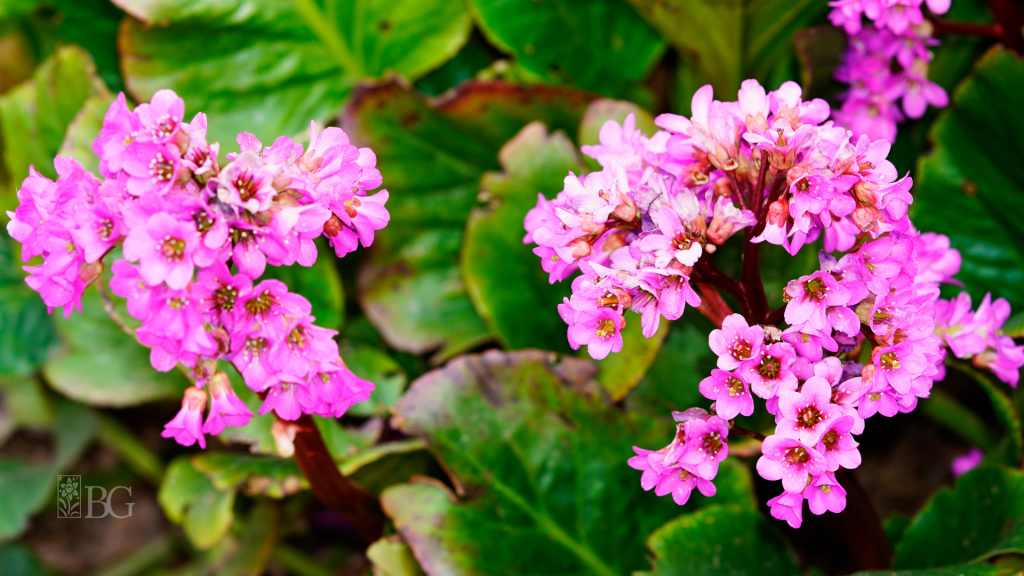
- ‘Peppermint Patty’ – Pale pink blooms with deeper pink throats, perfect for container displays.
- ‘Solar Flare’ – Variegated leaves edged in yellow, with magenta blooms.
- ‘Ballawley’ – A larger cultivar reaching up to 60 cm, with deep pink flowers on sturdy stems.
Landscaping with Bergenia
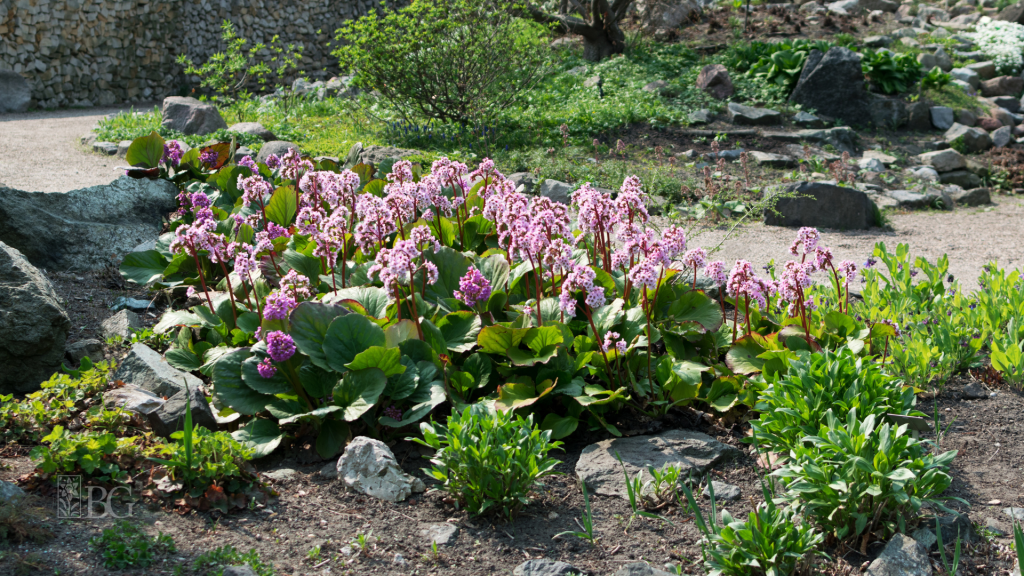
Bergenia is a versatile plant for ground cover, borders, or container gardens. Its year-round foliage and spring flowers make it a valuable addition to shade gardens. Pair bergenia with lungwort (Pulmonaria), brunnera, or hardy geraniums for a textural contrast.
In larger landscapes, bergenia works well under trees and shrubs or along shaded pathways, adding structure to underplantings. Its ability to thrive in difficult conditions makes it a smart choice for urban gardens or coastal Newfoundland environments.
Conclusion
Bergenia’s adaptability, low maintenance requirements, and year-round appeal make it an ideal choice for gardens across Newfoundland. With the right care—particularly in managing moisture, providing shade, and dividing mature plants—bergenia can thrive in local landscapes, offering vibrant foliage and delicate spring blooms. Whether used as ground cover, in containers, or as a feature plant, bergenia is a reliable and beautiful addition to any garden in Newfoundland.
You can consult with our team at Bowering Gardens, lawn and garden experts in St. John’s, Newfoundland, to determine the best practices for your specific region and landscaping, or you can reach out to us below to get a quote so that we can take it off your hands entirely.
Please note that the information provided in this article is based on general guidelines. Specific care and conditions may vary for different varieties and individual gardens.
Frequently Asked Questions
Bergenia thrives in Newfoundland’s cool, coastal climate, as long as it receives the right balance of shade and moisture. For optimal care, plant bergenia in partially shaded areas, such as under trees or along the north side of a building, where it can avoid harsh afternoon sun. Prepare the soil by mixing compost or well-rotted manure to enhance drainage and fertility, especially in heavy clay soils. Once established, bergenia requires minimal watering, though you should keep the soil moist during dry summer spells. In the fall, add a thick mulch layer to insulate the roots against freezing and prevent soil erosion. With proper seasonal maintenance, such as removing damaged leaves in spring and dividing overcrowded plants every few years, bergenia will thrive as an evergreen ground cover.
Bergenia pairs beautifully with other shade-tolerant plants that complement its bold, glossy leaves and spring blooms. For a visually appealing garden in St. John’s, consider planting bergenia alongside lungwort (Pulmonaria), brunnera, and coral bells (Heuchera), which offer colourful foliage and spring flowers. Japanese painted ferns (Athyrium niponicum) and hostas also make excellent companions, creating texture and depth under shady trees or along garden paths. Since bergenia flowers attract pollinators like bees and butterflies, other wildlife-friendly plants, such as hardy geraniums or bleeding hearts (Dicentra), further enhance biodiversity while maintaining the garden’s beauty throughout the seasons.
The ideal time to divide bergenia plants in Newfoundland is in early autumn (September to October). Dividing plants at this time ensures they have enough moisture and cooler temperatures to establish roots before the first frost. To divide bergenia, gently lift the clump with a garden fork, separating sections by hand or with a knife. Replant the divisions in well-prepared soil, spacing them 30–45 cm apart to give each clump room to spread. Water thoroughly after planting to encourage root development. Avoid dividing in spring, as this can disrupt the bloom cycle. Properly divided bergenia plants will quickly fill in the garden bed, providing lush ground cover by the following growing season.
Yellowing leaves on bergenia can indicate overwatering or poor drainage, which is common in Newfoundland’s rainy climate. Bergenia prefers moist but well-drained soil—if water sits around the roots, they can become waterlogged, causing the foliage to turn yellow and wilt. To correct this, check the soil’s moisture level by feeling the roots; if they’re too wet, reduce watering and ensure the plant is not sitting in standing water. Adding organic matter such as compost or leaf mould will improve drainage. Yellowing leaves can also be caused by nutrient deficiencies, especially if the soil lacks fertility. An application of slow-release compost in the spring can help correct the problem and restore healthy green foliage.
Remember, gardening is not only about nurturing plants but also about embracing the joy and wonder that nature brings. Happy gardening!
Posted on
Posted in Blog
