
Flower Friday – Bleeding Heart
How to Grow Bleeding Heart Plants in St. John’s, Newfoundland
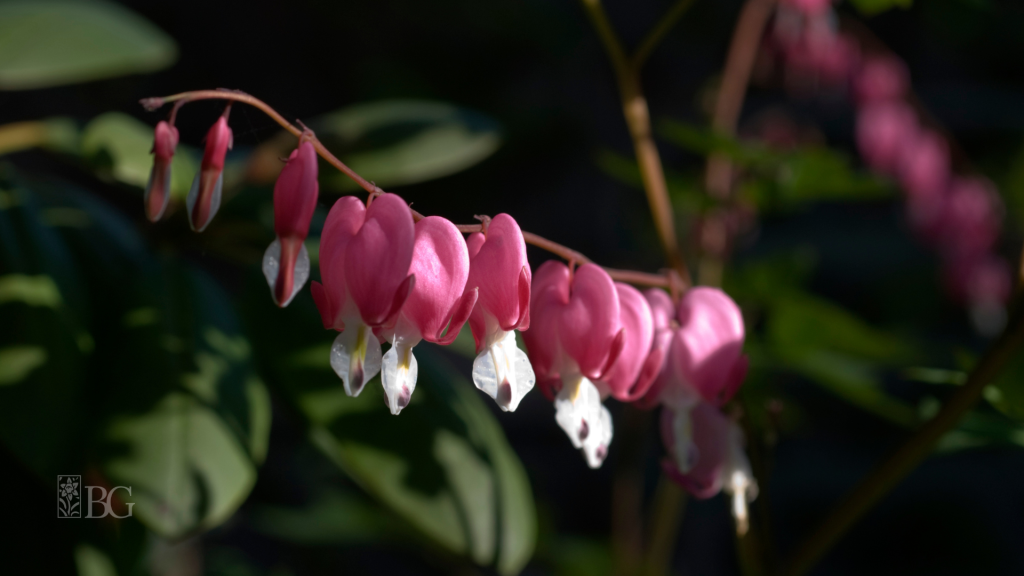
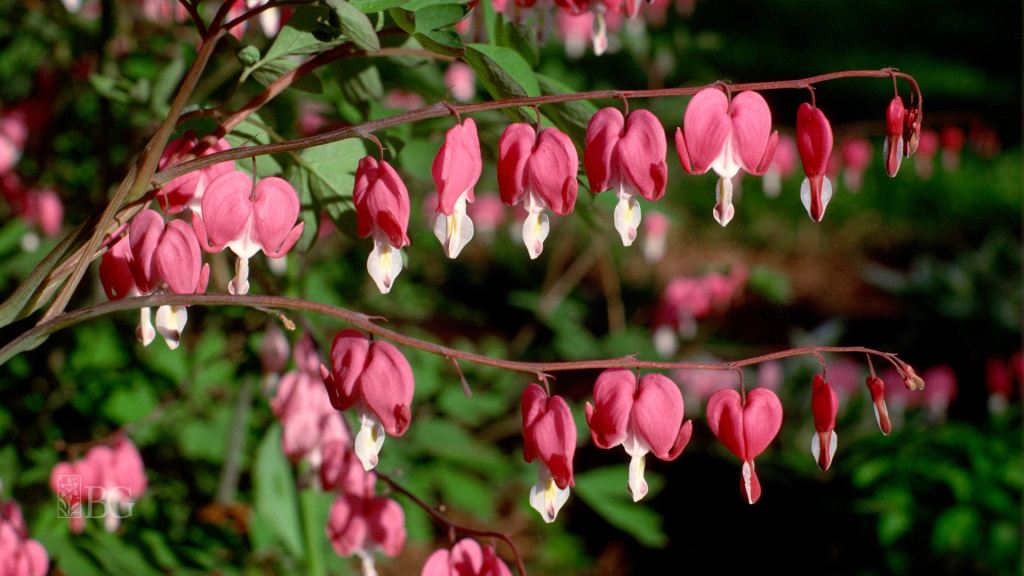
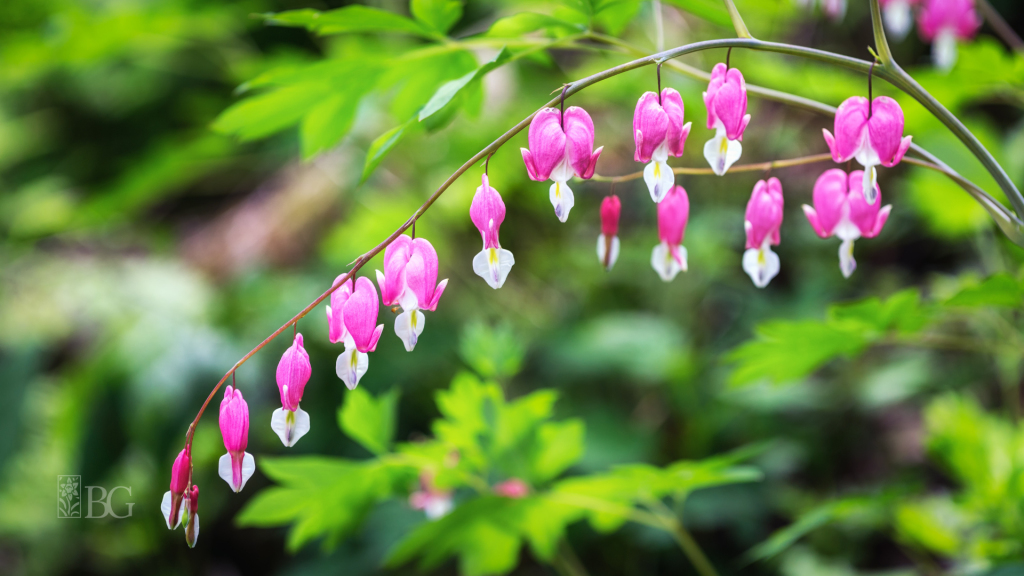
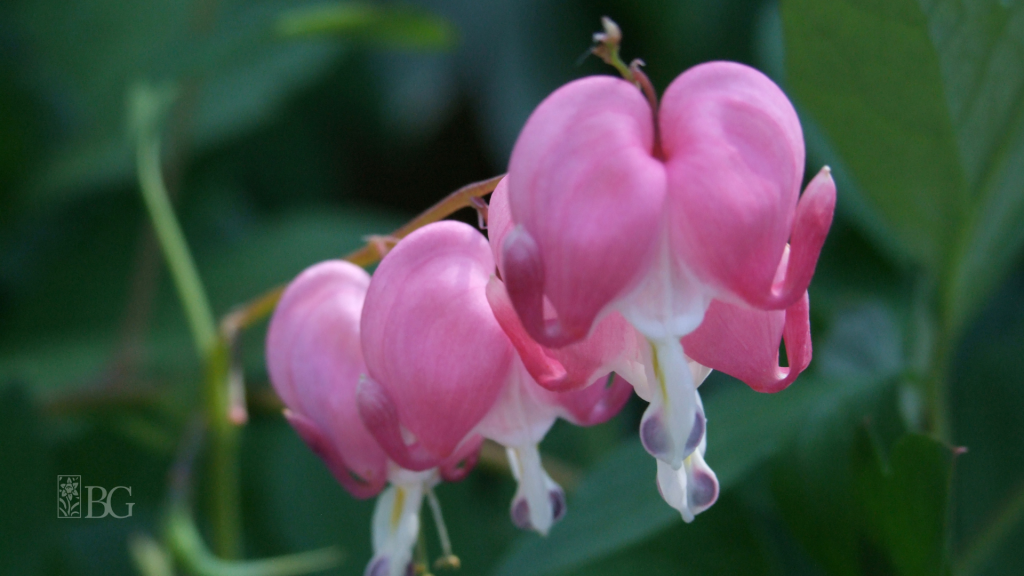
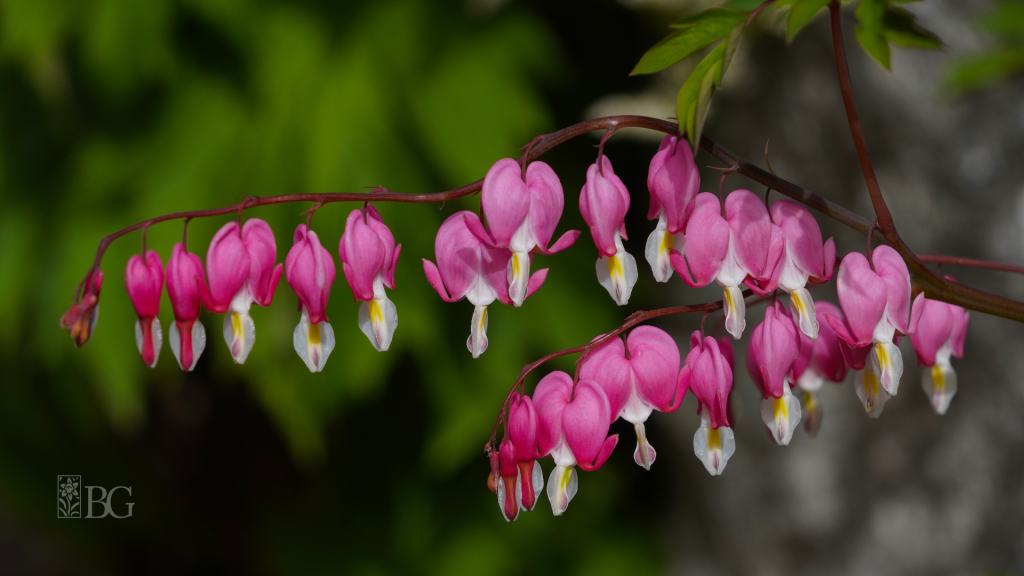
Bleeding heart (Lamprocapnos spectabilis) is a classic shade perennial that adds a touch of elegance and nostalgia to Newfoundland gardens. Known for its arching stems adorned with heart-shaped pink or white flowers, this plant thrives in cool, moist environments—making it an ideal addition to gardens in St. John’s.
Whether you’re planting a woodland bed, shady border, or cottage-style garden, bleeding heart offers reliable spring blooms and striking foliage with very little maintenance.
🌿 Plant Overview
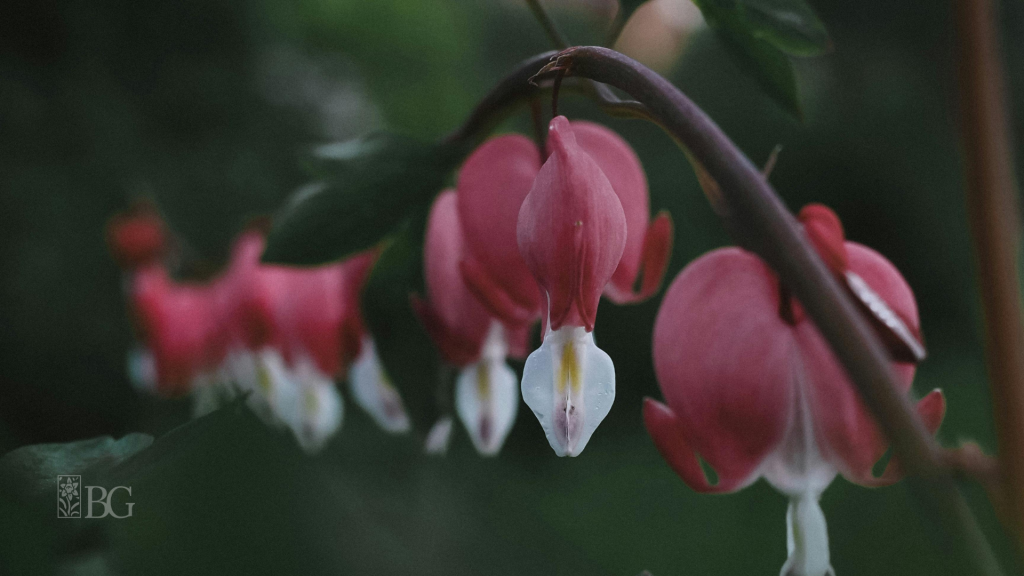
- Botanical Name: Lamprocapnos spectabilis (formerly Dicentra spectabilis)
- Common Name: Bleeding heart
- Plant Type: Herbaceous perennial
- Height & Spread: 60 to 90 cm tall × 60 to 90 cm wide
- Sunlight: Partial shade to full shade (with some morning sun)
- Soil: Moist, rich, well-drained
- Bloom Time: Late spring to early summer
- Flower Colours: Pink, white, or red
- Hardiness Zones: USDA zones 3 to 9 (fully hardy in St. John’s)
- Toxicity: Mildly toxic if ingested; may irritate skin in some individuals
🌱 Growing Conditions in St. John’s
St. John’s provides an excellent natural environment for bleeding hearts. Cool spring temperatures and high humidity keep these plants healthy throughout their active growing season. Bleeding heart prefers a sheltered spot with morning sun and afternoon shade, or dappled light throughout the day. In Newfoundland, these light conditions are easily achieved in backyards bordered by trees or buildings.
Protection from direct afternoon sun is important—it helps preserve the delicate leaves, which can scorch in intense sunlight, especially if soil moisture is inconsistent.
🧱 Soil & Watering Requirements
Bleeding hearts need moist, humus-rich soil with good drainage. Clay-based soils found in parts of St. John’s should be amended with compost and leaf mould to improve texture and fertility. Keep the soil consistently moist, especially in spring, when growth is vigorous.
Apply a 5–7 cm layer of organic mulch around the base of the plant to help regulate temperature, retain moisture, and reduce competition from weeds. Water regularly during dry spells, ensuring the root zone never completely dries out.
✂️ Maintenance and Pruning
Once established, bleeding hearts are very easy to maintain. Their growth cycle is highly seasonal:
- Spring: New shoots emerge and flowering begins. Fertilize lightly with compost or a balanced 10-10-10 formula in early spring.
- Early Summer: After the blooming period, the foliage may start to yellow as the plant goes dormant, particularly in warmer years.
- Late Summer/Fall: Once foliage dies back completely, cut it to ground level. This helps tidy the garden and prevents disease overwintering.
- Winter: Mulch around the crown before the ground freezes to protect roots from temperature fluctuations.
Every 3–5 years, divide mature clumps in early spring or fall to rejuvenate the plant and prevent overcrowding.
🌼 Recommended Cultivars for Newfoundland Gardens
- ‘Alba’: Features pure white heart-shaped flowers. Works beautifully in moon gardens or as a contrast to darker foliage.
- ‘Valentine’: Offers deep red blooms with burgundy stems and grey-green foliage—a modern take on a heritage plant.
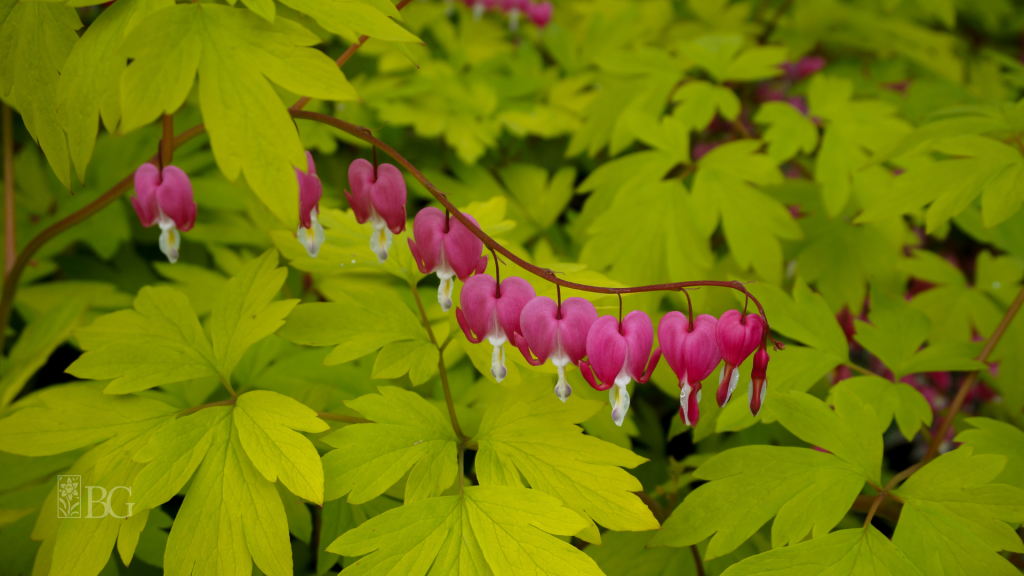
- ‘Gold Heart’: Distinctive for its golden-yellow leaves, this variety adds brightness to darker corners of the garden.
These cultivars are all cold-hardy and perform well in cool maritime climates like St. John’s.
🐛 Common Pests and Diseases
Bleeding hearts are not prone to serious pest issues, but here’s what to monitor:
- Slugs and Snails: Common in damp gardens; use coarse mulch or traps to reduce populations.
- Aphids: Can gather on new growth. Use insecticidal soap or strong water spray for control.
- Powdery Mildew or Leaf Spot: Promote good airflow by spacing plants appropriately, and avoid overhead watering.
If foliage becomes unsightly due to disease or heat stress, it’s safe to cut it back. The roots remain alive and will regenerate the following spring.
🧑🌾 Propagation Tips
Bleeding hearts are best propagated through division, which also rejuvenates older plants:
- In early spring or late fall, dig up the clump carefully.
- Use a sharp, clean knife or spade to divide it into sections, each with healthy roots and at least one shoot.
- Replant divisions immediately in prepared soil and water thoroughly.
Seed propagation is possible but slow and not always true to type, especially with hybrids.
You can consult with our team at Bowering Gardens, lawn and garden experts in St. John’s, Newfoundland, to determine the best practices for your specific region and landscaping, or you can reach out to us below to get a quote so that we can take it off your hands entirely.
Please note that the information provided in this article is based on general guidelines. Specific care and conditions may vary for different varieties and individual gardens.
Frequently Asked Questions
The best time to plant is early spring after the last frost or early fall before the ground freezes. These cool-season windows allow the roots to establish before winter. Container-grown plants can also be installed in summer, but must be watered consistently.
Bleeding hearts typically bloom for 4 to 6 weeks in late spring. In St. John’s, cooler conditions may extend the bloom period slightly. Deadheading is not necessary but can improve tidiness.
No. They prefer partial shade, with morning sun and afternoon shade being ideal. Full shade is tolerated, but may reduce flower production. Too much direct sun can cause early dormancy.
Yes. All parts of the plant contain isoquinoline alkaloids and are considered mildly toxic if ingested, potentially causing stomach upset or vomiting. It’s best to plant away from play areas and always wash hands after handling.
Yes, especially the more compact cultivars. Use a large pot with good drainage, and place it in a shaded or semi-shaded area. Keep the soil evenly moist and overwinter the container in a protected spot.
Remember, gardening is not only about nurturing plants but also about embracing the joy and wonder that nature brings. Happy gardening!
Posted on
Posted in Blog
