
Flower Friday – Blue Flag Iris
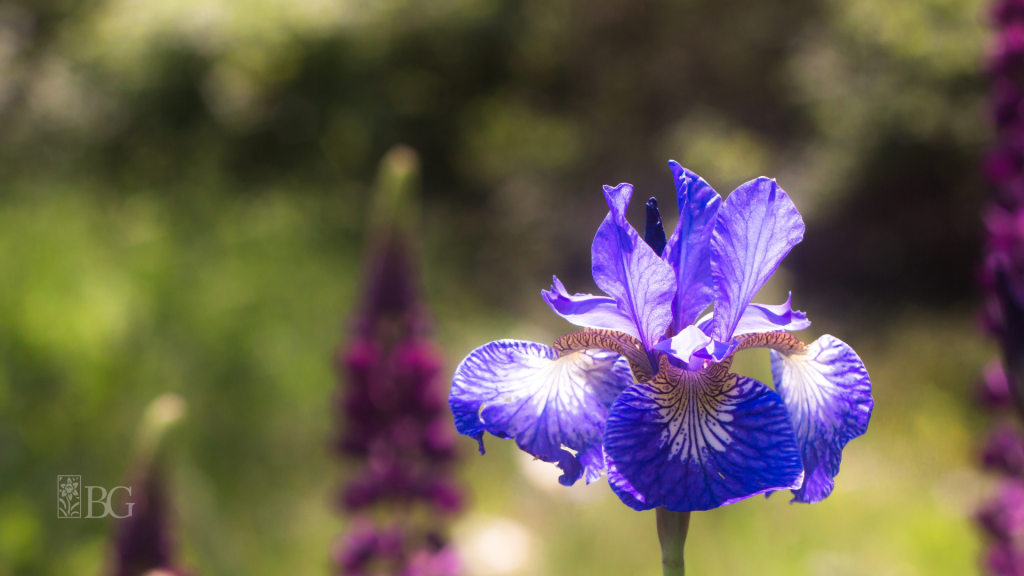
Blue Flag Iris: A Native Water-Loving Perennial for Newfoundland Gardens
Blue Flag Iris (Iris versicolor) is a native perennial known for its vivid violet-blue flowers, strong upright form, and ability to thrive in moist to wet soils. Naturally found in bogs, marshes, and wet meadows throughout Eastern Canada, this hardy iris is an ideal choice for rain gardens, shoreline plantings, and wet, low-lying garden beds in St. John’s.
Unlike ornamental hybrid irises, Iris versicolor is prized for its ecological value, winter hardiness, and suitability to wild or semi-managed landscapes. With proper placement and care, it provides a dependable show of colour from late spring into early summer, while supporting pollinators and improving soil stability in damp areas.
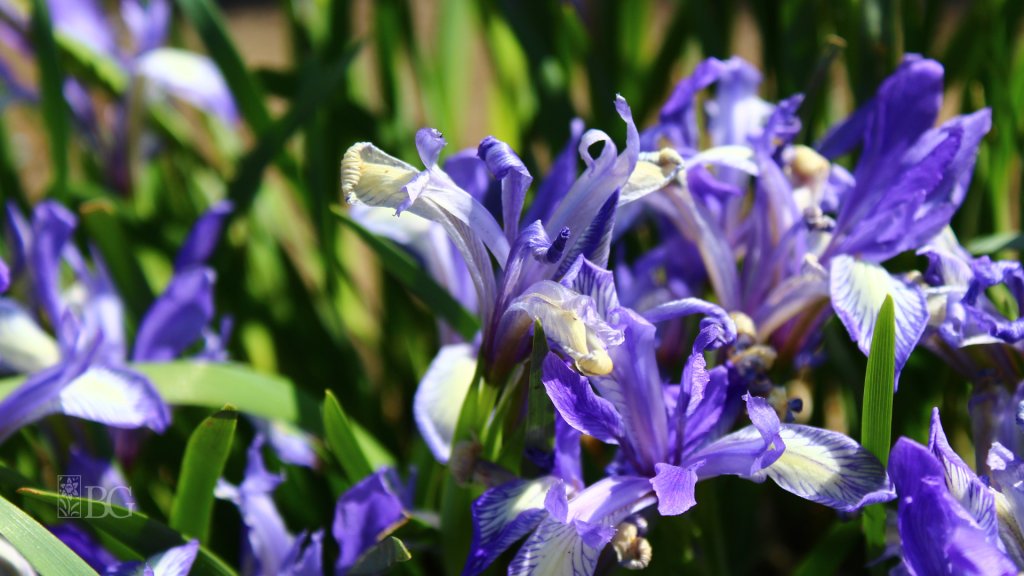
Plant Overview
- Botanical Name: Iris versicolor
- Common Name: Blue Flag Iris, Harlequin Blueflag
- Family: Iridaceae
- Plant Type: Herbaceous perennial
- Height & Spread: 60 to 90 cm tall × 30 to 60 cm wide
- Bloom Time: Late spring to early summer (usually June in Newfoundland)
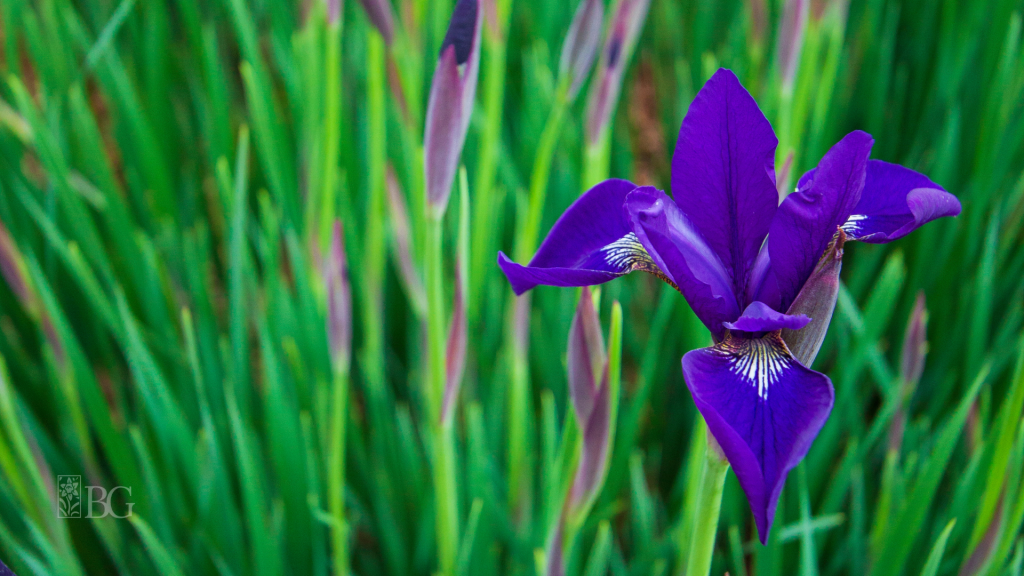
- Flower Colour: Violet-blue with yellow or white markings
- Light Requirements: Full sun to light shade
- Soil Preferences: Moist to wet; tolerates heavy clay and even shallow standing water
- Hardiness Zone: USDA Zone 3 to 9
- Toxicity: Toxic if ingested
- Native Range: Eastern Canada and northeastern United States
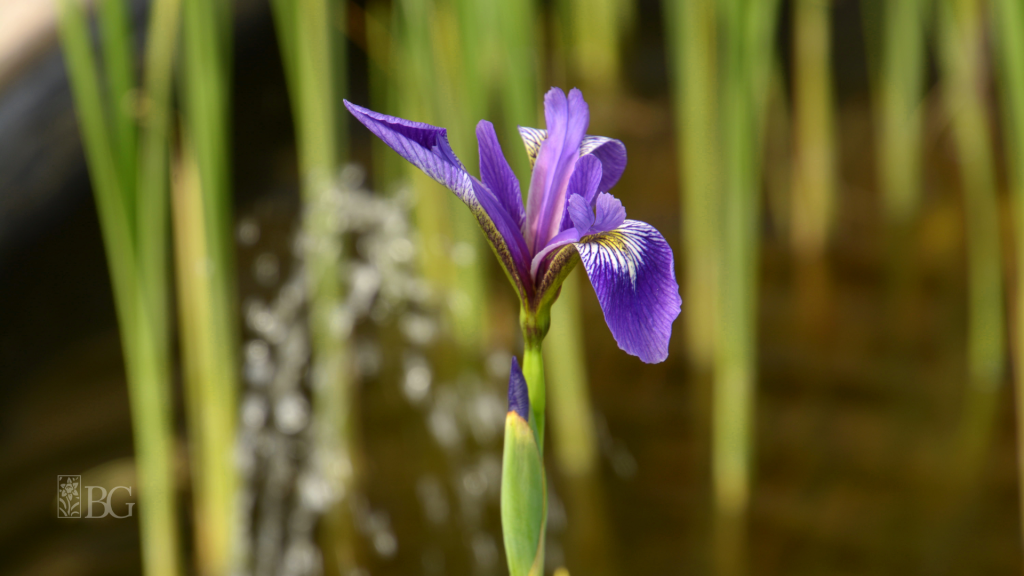
Why Blue Flag Iris Works in St. John’s Gardens
The climate in St. John’s is naturally suited to Iris versicolor. With frequent rainfall, high humidity, and clay-heavy soils in many residential areas, gardeners often struggle to find ornamentals that can tolerate soggy conditions. Blue Flag Iris not only tolerates but thrives in these environments, making it a reliable solution for rain gardens and low-lying beds.
It is cold-hardy well beyond what is needed for Newfoundland winters, and it requires no special protection. Additionally, because this iris is native to Eastern Canada, it integrates seamlessly into naturalistic landscapes and provides support to native bees and other pollinators.
Ideal Planting Conditions
Choose a site that receives at least 4 to 6 hours of sun per day. While Iris versicolor can tolerate light shade, flowering is significantly more abundant in full sun. It prefers neutral to slightly acidic soil but is tolerant of various conditions if drainage is sufficient.
For best results:
- Plant in early spring or early fall when soil temperatures are moderate
- Ensure soil is consistently moist or even saturated during the growing season
- If planting in a rain garden or pond edge, position the rhizomes just at or slightly above water level
- Use organic compost to amend poor soil but avoid heavy fertilization
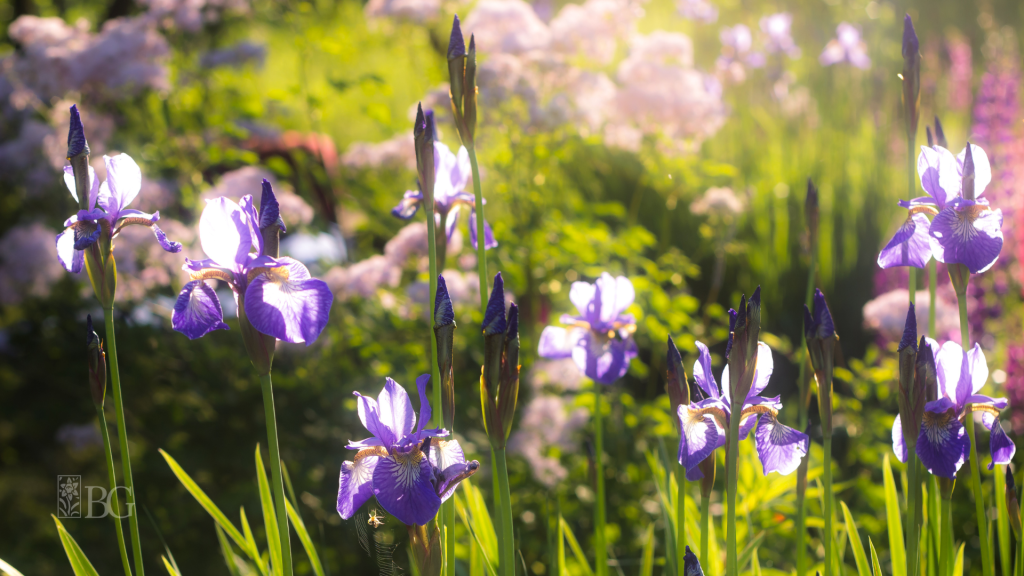
The plant spreads slowly by rhizomes, forming attractive clumps over time.
Water and Fertilization Needs
Blue Flag Iris requires consistently moist soil and will not thrive in dry, fast-draining areas. In St. John’s, the natural rainfall and clay soils generally supply adequate moisture, but supplemental watering may be necessary during prolonged dry spells in July or August.
Avoid synthetic fertilizers, especially near natural water sources. If needed, apply a small amount of compost or organic slow-release fertilizer in early spring to promote healthy growth.
Maintenance and Seasonal Care
Once established, Iris versicolor is largely maintenance-free:
- Deadhead spent blooms to prolong flowering and improve appearance
- In late fall, cut back foliage to 5–10 cm above the ground
- Divide clumps every 3–4 years in late summer or early fall to rejuvenate growth and prevent overcrowding
- Mulching is not required but may help suppress weeds in early spring
Avoid planting in overly rich garden beds with frequent irrigation unless you intend to manage the plant’s spread.
Ecological Benefits and Uses
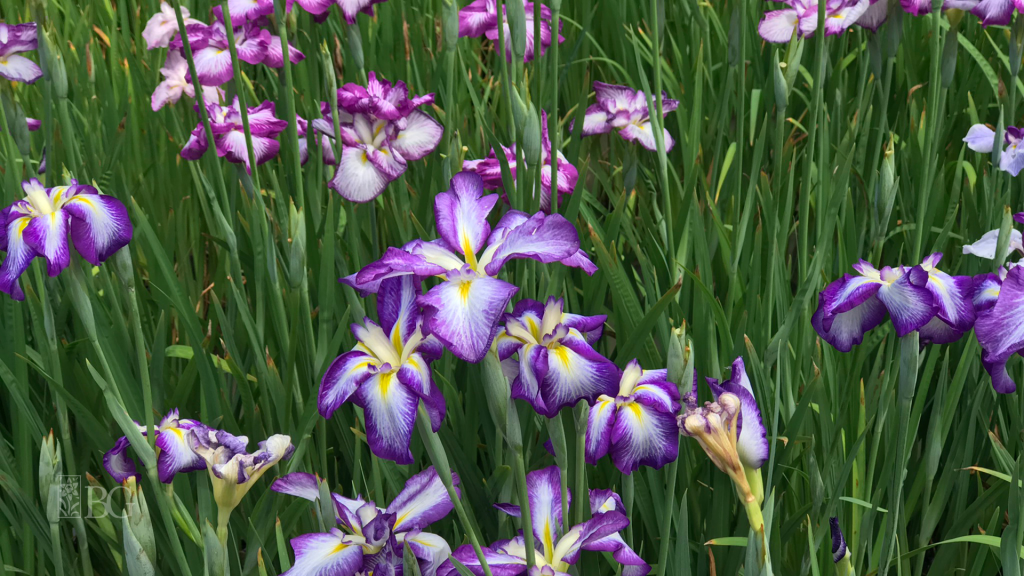
Blue Flag Iris is an excellent plant for naturalizing in wetland margins, swales, and retention areas. It:
- Reduces erosion and stabilizes soil
- Provides habitat for native insects and pollinators
- Tolerates occasional flooding
- Adds height and architectural interest to wet garden designs
It also pairs well with other moisture-loving perennials such as:
- Lobelia cardinalis (Cardinal Flower)
- Carex species (Sedges)
- Astilbe
- Filipendula rubra
- Ferns such as Osmunda regalis (Royal Fern)
You can consult with our team at Bowering Gardens, lawn and garden experts in St. John’s, Newfoundland, to determine the best practices for your specific region and landscaping, or you can reach out to us below to get a quote so that we can take it off your hands entirely.
Please note that the information provided in this article is based on general guidelines. Specific care and conditions may vary for different varieties and individual gardens.
Frequently Asked Questions
The best times are spring (late May to early June) and early fall (late August to mid-September). These windows allow roots to establish before extreme cold or dryness sets in.
No, it is not considered invasive in managed settings. While it spreads slowly by rhizomes, it is easily controlled with periodic division and is not aggressive like Iris pseudacorus.
Yes, it can tolerate shallow standing water and is well suited to pond edges, rain gardens, or poorly drained sites. However, the crown should not be submerged for long periods in winter.
Yes. Like many irises, it is unpalatable to pests due to its toxicity. This makes it a good candidate for gardens with browsing pressure.
Blue Flag (Iris versicolor) is native to North America and better suited to managed wildflower gardens. Yellow Flag (Iris pseudacorus) is introduced and more aggressive, with a higher risk of invasive spread in wetlands.
Remember, gardening is not only about nurturing plants but also about embracing the joy and wonder that nature brings. Happy gardening!
Posted on
Posted in Blog
