
Flower Friday – Bridalwreath Spirea
Growing Bridalwreath Spirea in St. John’s, Newfoundland: Complete Care Guide
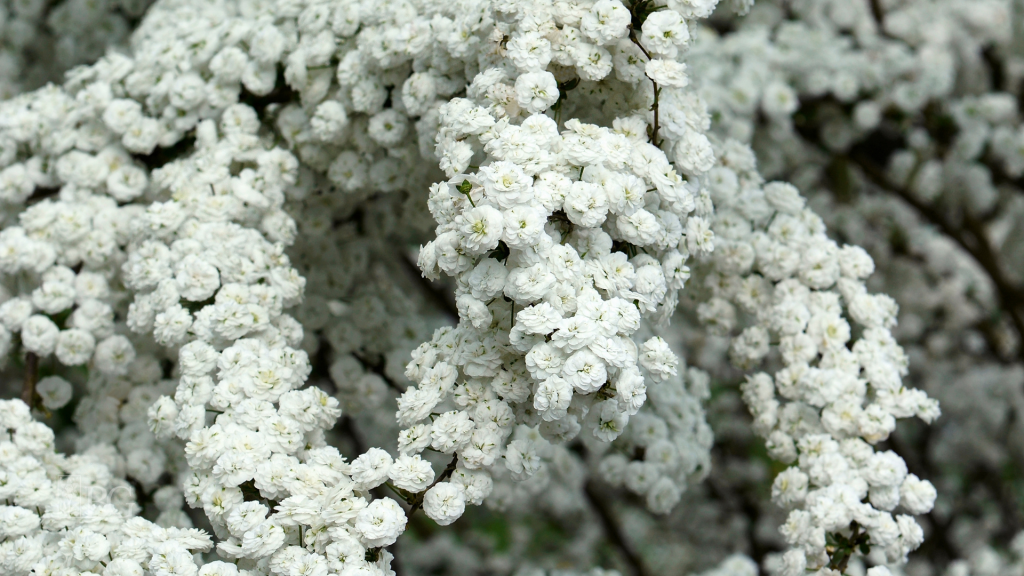
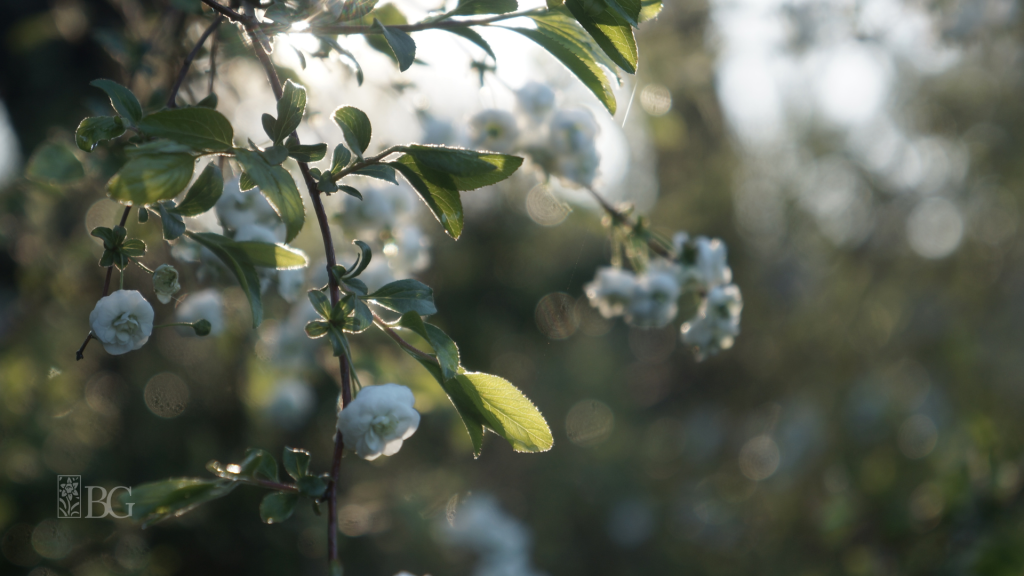
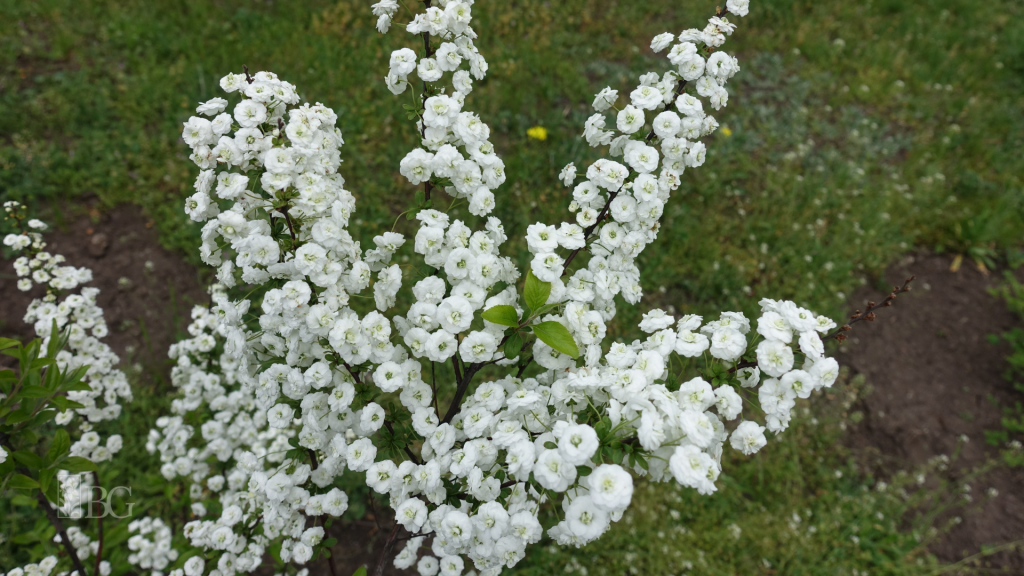
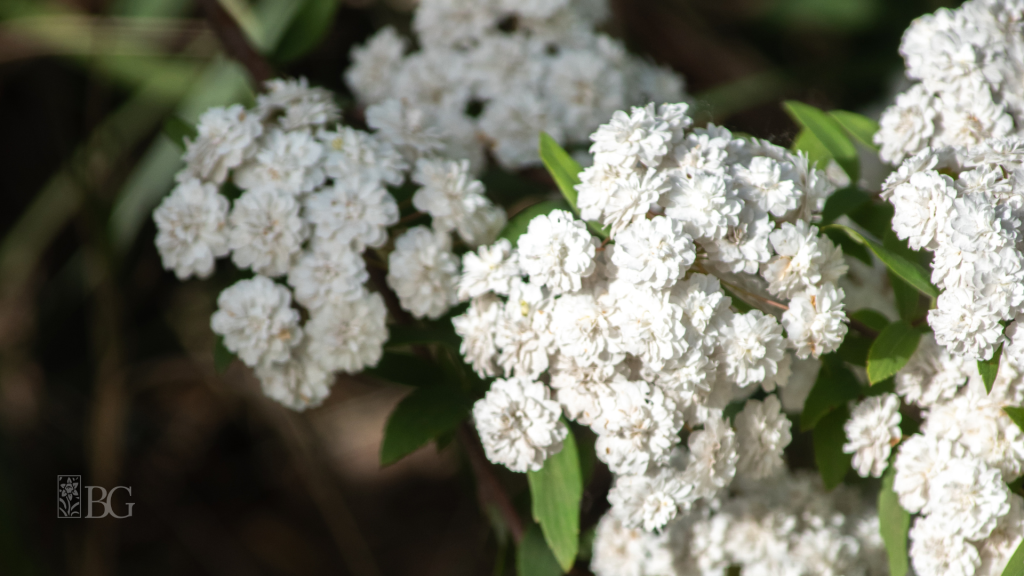
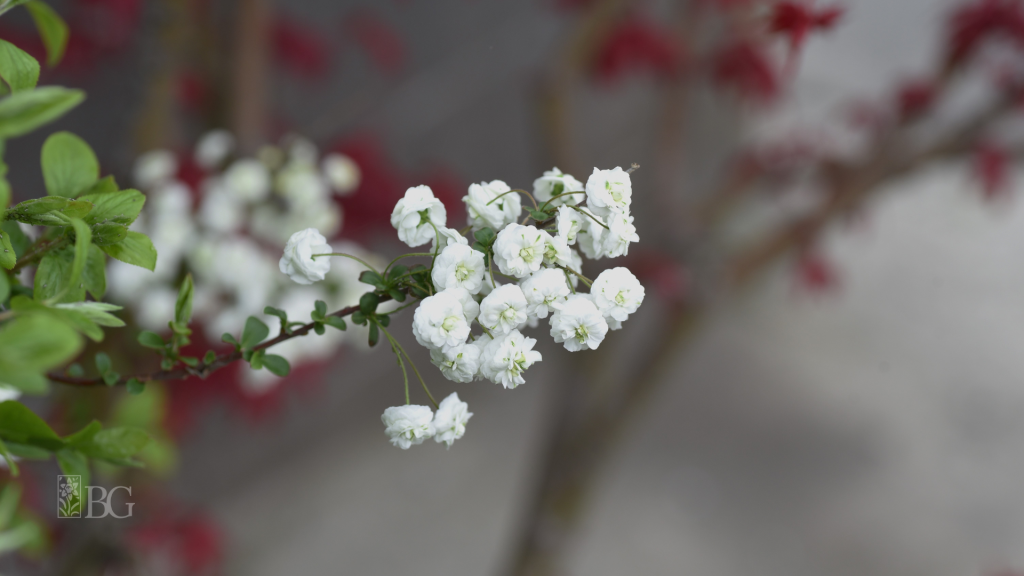
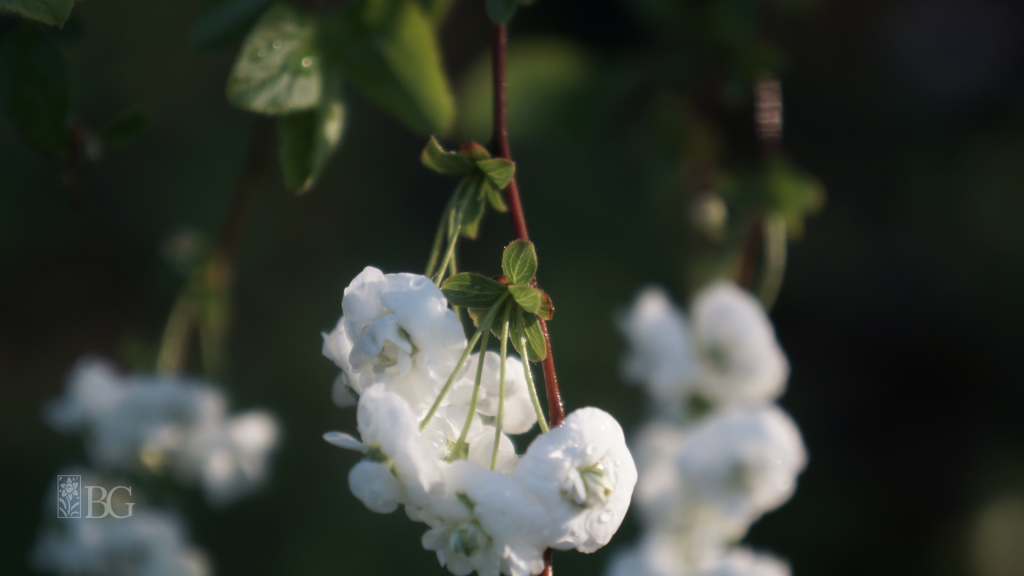
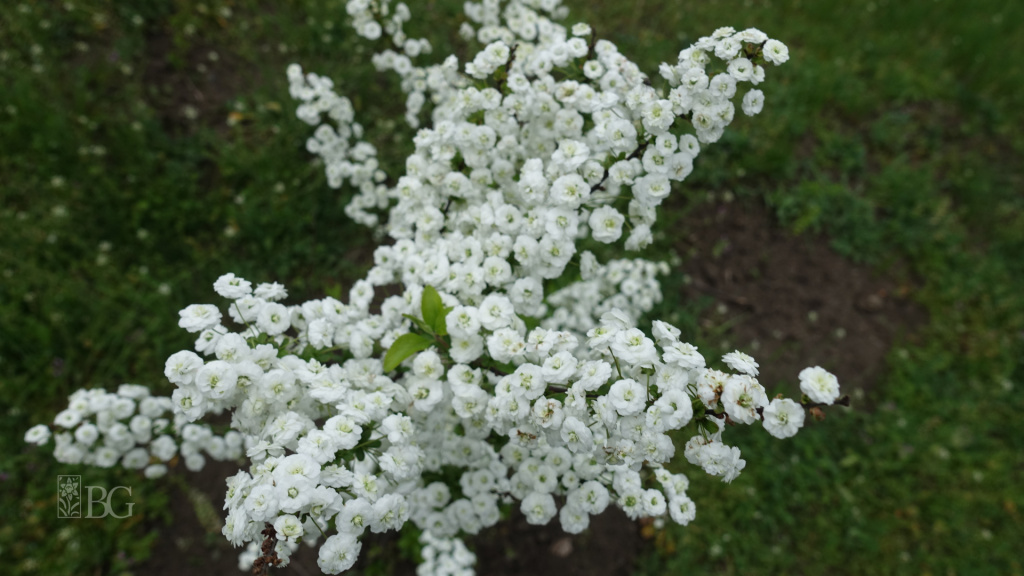
Bridalwreath Spirea (Spiraea prunifolia) is a deciduous shrub celebrated for its cascading, arching branches covered in clouds of double white blossoms each spring. Blooming typically in late May or early June in Newfoundland, its floral display lasts up to two weeks, making it one of the season’s most memorable garden highlights. Following the blooms, fine-textured green foliage provides summer structure before transitioning to rich yellow, orange, or purplish-brown tones in autumn.
Hardy, adaptable, and low-maintenance, Bridalwreath Spirea is a long-lived shrub that thrives in cool coastal climates like that of St. John’s, where wind, fog, and fluctuating spring temperatures can challenge less robust plants.
Plant Overview
- Botanical name: Spiraea prunifolia
- Common name: Bridalwreath Spirea
- Plant type: Deciduous flowering shrub
- Mature size: 1.8 to 2.4 m tall × 2.4 to 3 m wide
- Bloom period: Late spring
- Flower colour: Double white clusters along arching stems
- Foliage: Small, oval green leaves with fall colour ranging from yellow to orange and bronze
- Sun exposure: Full sun preferred, tolerates partial shade
- Soil preferences: Well-drained loam, clay, or sandy soil
- Hardiness: USDA Zone 5b to 8a (reliably hardy in St. John’s)
- Lifespan: Several decades with proper care
Why It Thrives in Newfoundland
Bridalwreath Spirea is naturally well-suited to St. John’s coastal conditions. It is cold-hardy enough to withstand winter lows, tolerant of acidic soils, and resilient against occasional salt spray from windborne sea air. Its arching form stands up well to wind without breaking easily, and the shrub’s long life span makes it a good investment for permanent landscape plantings.
Because the plant flowers on old wood, it is also naturally protected from late spring frosts that can damage newer growth on less hardy ornamentals.
Ideal Planting Location and Soil Preparation
For the best floral display, choose a planting site with full sun exposure—at least six hours of direct light daily. The plant will tolerate light shade, but flowering may be reduced. In Newfoundland, a sunny south-facing or west-facing location sheltered from strong winter winds is ideal.
Bridalwreath Spirea tolerates a range of soils, including clay, sandy loam, and slightly acidic types common in the region. However, good drainage is essential. To prepare the soil:
- Dig a planting hole twice as wide as the root ball and no deeper than its height.
- Loosen compacted soil and amend with compost to improve structure and fertility.
- Avoid waterlogged areas where spring snowmelt lingers, as prolonged saturation can cause root rot.
Watering, Feeding, and Fertilization
Once established, Bridalwreath Spirea is moderately drought-tolerant. In St. John’s, natural rainfall is usually sufficient, but during extended dry periods, provide deep watering once a week (approximately 25 mm). Avoid frequent shallow watering, which encourages weak root development.
Fertilizing should be minimal. Too much nitrogen can reduce flower production in favour of foliage growth. Apply a 5 cm layer of compost around the base each spring to feed the plant and conserve moisture. Avoid direct contact between mulch and stems to prevent rot.
Pruning and Long-Term Maintenance
Bridalwreath Spirea blooms on old wood, meaning flower buds are set the year before. Pruning should be completed immediately after flowering to avoid cutting off next year’s buds.
Annual maintenance involves:
- Removing spent blooms and light shaping directly after flowering.
- Cutting one-third of the oldest stems to ground level every 2–3 years to rejuvenate the plant.
- Removing dead, damaged, or crossing branches to maintain airflow and reduce disease risk.
Avoid hard pruning in autumn or early spring, as this will drastically reduce blooms for the following year.
Landscape Uses
With its graceful arching habit and profuse blooms, Bridalwreath Spirea is versatile in both formal and informal gardens. It works well as:
- A single focal specimen in lawn or garden beds.
- A flowering hedge along driveways or property lines.
- Part of a mixed shrub border with plants that bloom earlier or later for extended seasonal interest.
Pair it with spring bulbs such as tulips or daffodils for a layered bloom sequence, or with early-leafing perennials like hostas for a contrast in form and texture.
Pest and Disease Resistance
Bridalwreath Spirea is relatively trouble-free, with occasional aphid infestations easily controlled by natural predators or a strong water spray. In humid summers, leaf spot can occur, though it rarely causes serious harm. Ensuring proper spacing and pruning helps prevent fungal issues.
The plant is generally deer-resistant, though young shoots may be browsed in areas with high deer activity. Rabbits may nibble young stems in winter, so protecting new plantings with wire mesh is advisable.
Propagation
The easiest method for propagating Bridalwreath Spirea is through softwood cuttings taken in early to mid-summer. Select healthy, non-flowering shoots, cut 10–15 cm sections, and root them in a moist, well-drained medium.
Seed propagation is possible but slow, with variable results that may not match the parent plant.
You can consult with our team at Bowering Gardens, lawn and garden experts in St. John’s, Newfoundland, to determine the best practices for your specific region and landscaping, or you can reach out to us below to get a quote so that we can take it off your hands entirely.
Please note that the information provided in this article is based on general guidelines. Specific care and conditions may vary for different varieties and individual gardens.
Frequently Asked Questions
Early spring or early autumn is best, giving roots time to establish before heat or deep frost. In coastal Newfoundland, spring planting ensures maximum growth before winter.
Expect it to reach 1.8 to 2.4 m tall and 2.4 to 3 m wide under local growing conditions, with a full, arching form that requires minimal shaping.
Not in St. John’s. It is hardy to Zone 5b and withstands local winters without additional protection, provided it is planted in a well-drained site.
Yes, but flowering will be reduced. For the most abundant blooms, choose a site with full sun exposure.
Typically, the plant blooms for 10–14 days in late spring. Weather can affect bloom duration—cooler temperatures help flowers last longer.
Remember, gardening is not only about nurturing plants but also about embracing the joy and wonder that nature brings. Happy gardening!
Posted on
Posted in Blog
