
Flower Friday – Brunnera ‘Jack Frost’
How to Grow and Care for Brunnera ‘Jack Frost’ in St. John’s, Newfoundland
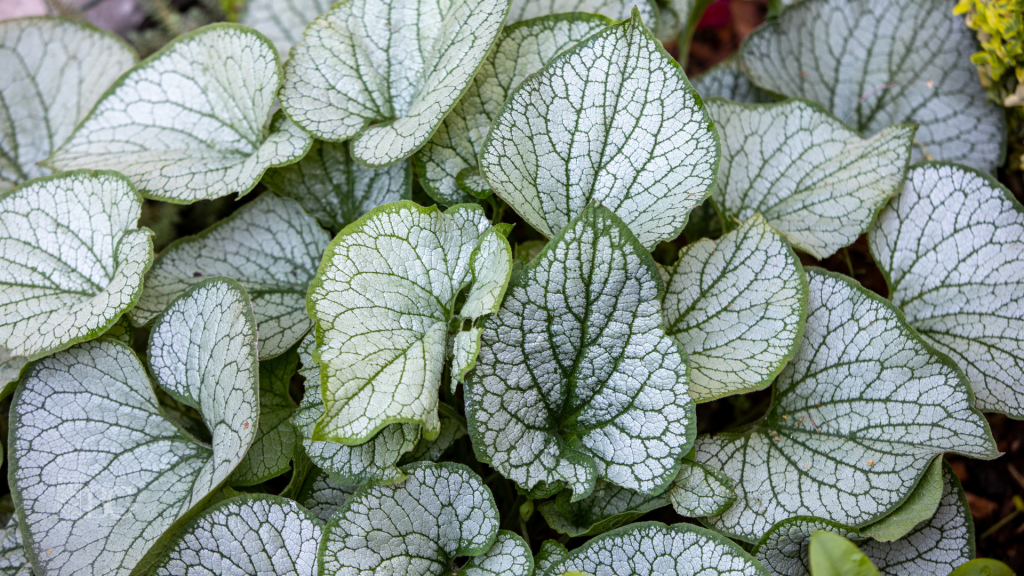
Brunnera macrophylla ‘Jack Frost’, commonly known as Siberian bugloss or false forget-me-not, is a hardy, low-maintenance perennial celebrated for its brilliant foliage and delicate spring blooms. Ideal for cool, moist climates like St. John’s, this plant adds elegant texture and structure to shaded garden beds throughout the growing season.
Plant Overview
- Botanical Name: Brunnera macrophylla ‘Jack Frost’
- Common Name: False forget-me-not, Siberian bugloss
- Plant Type: Herbaceous perennial
- Hardiness Zone: USDA zones 3–8
- Height & Spread: Up to 45 cm tall × 45–60 cm wide
- Bloom Time: Mid to late spring
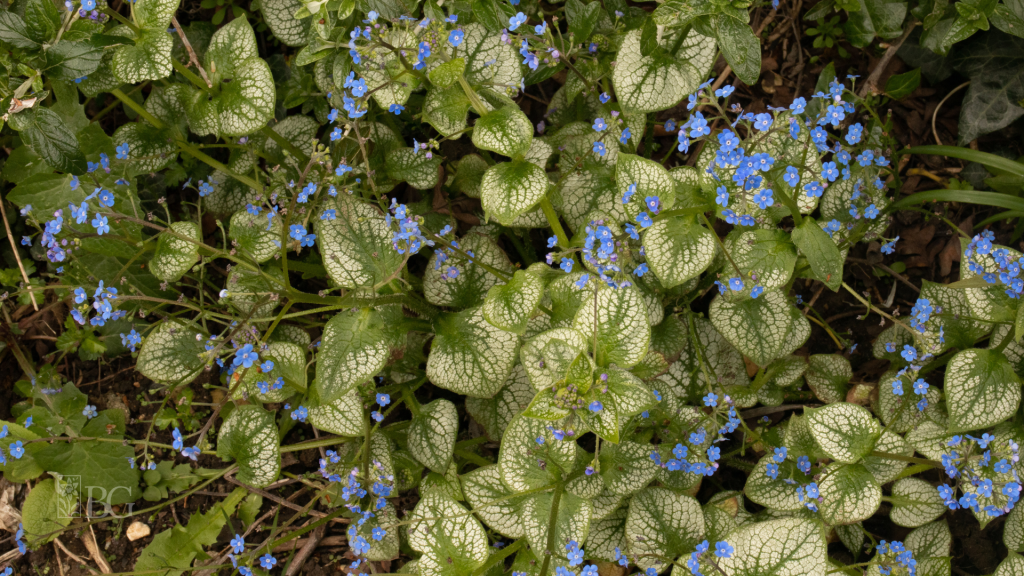
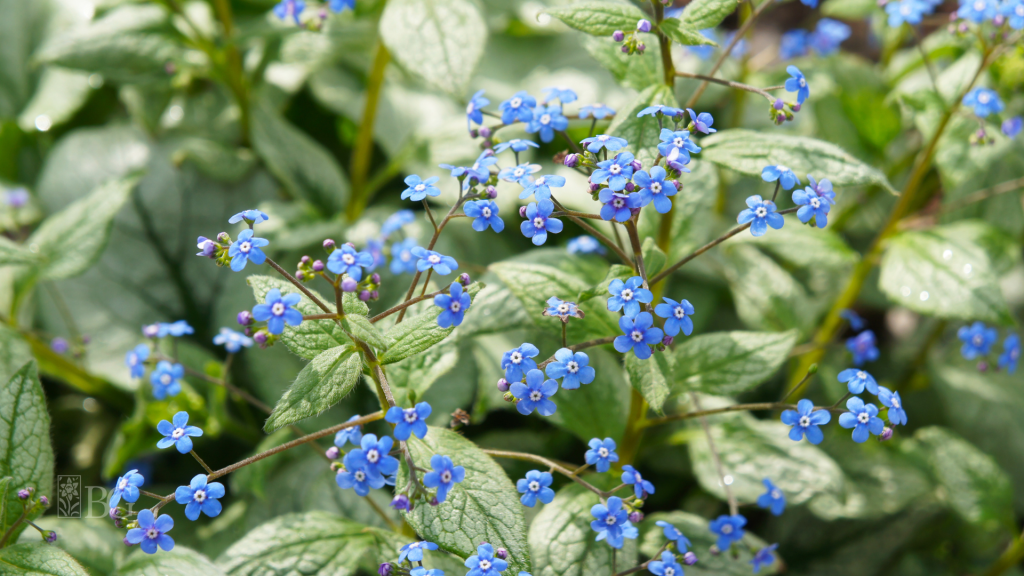
- Flower Colour: Bright sky blue, resembling forget-me-nots
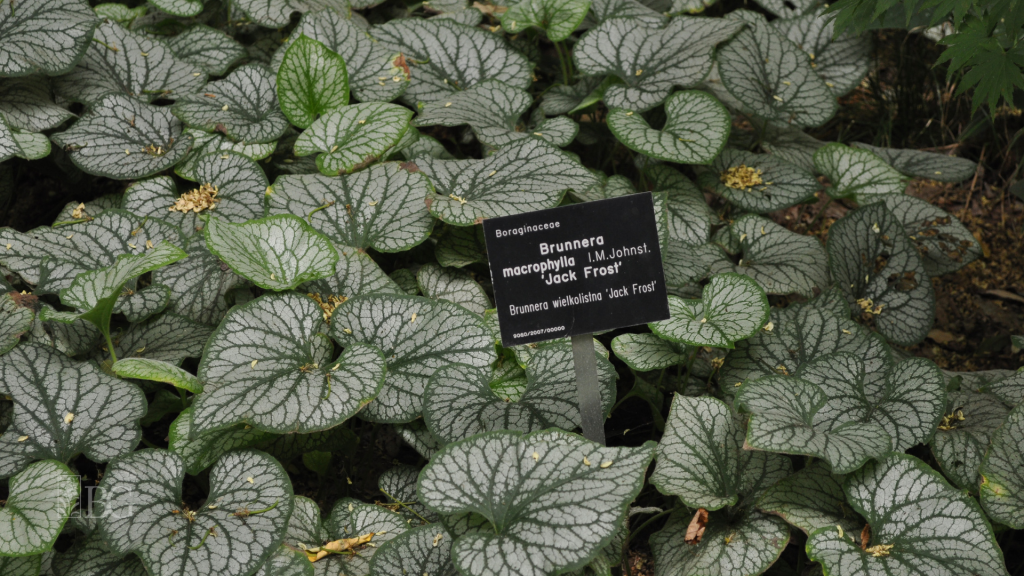
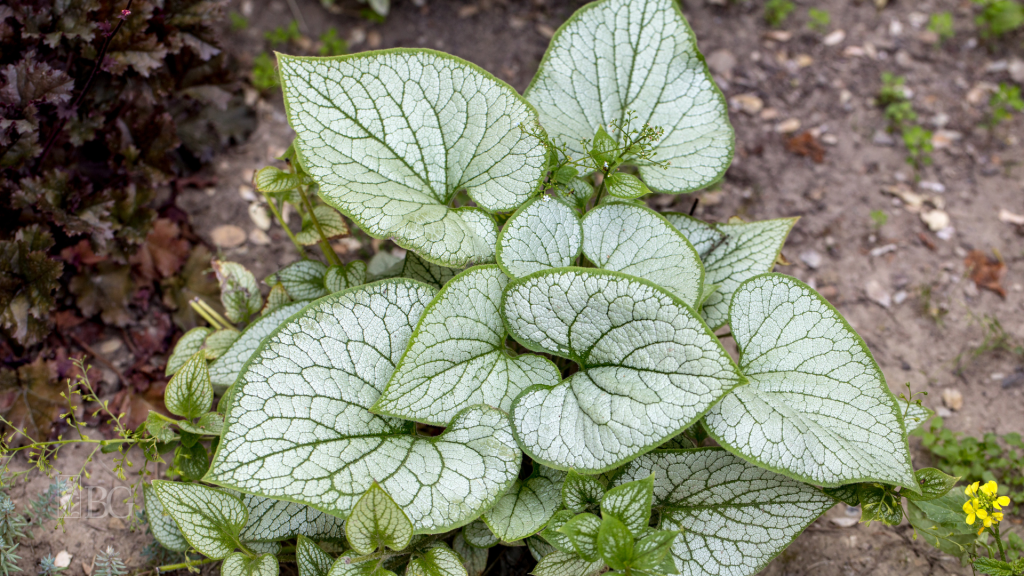
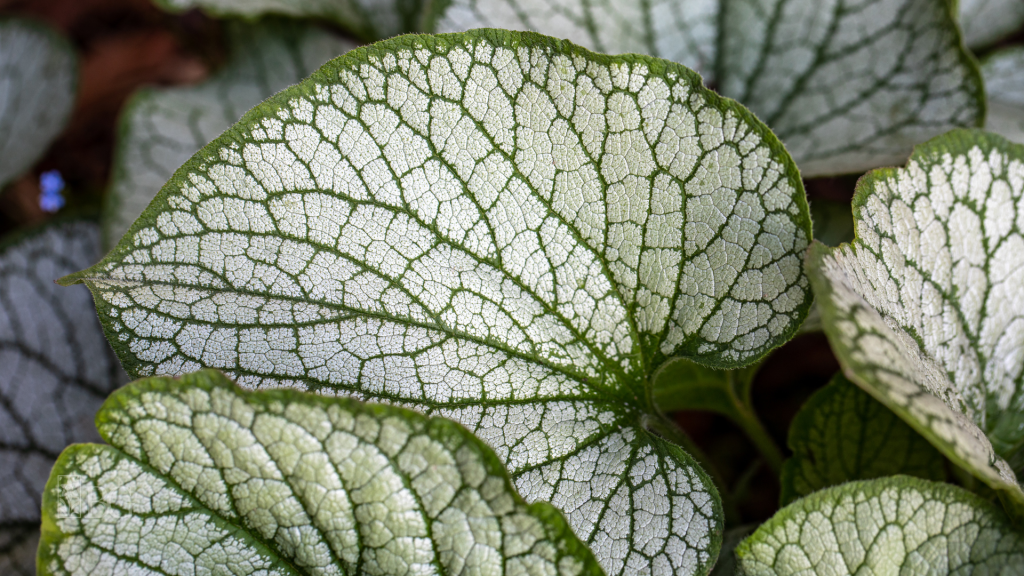
- Foliage: Large, heart-shaped silver leaves with vivid green veins
- Sun Exposure: Part shade to full shade
- Soil Needs: Moist, organically rich, well-draining soil
- Deer & Rabbit Resistance: Highly resistant
Why It Thrives in St. John’s
With its cool summers, frequent rainfall, and shade-filled backyards, St. John’s offers ideal growing conditions for ‘Jack Frost’. This plant tolerates spring frosts, thrives in moist soils, and prefers the dappled or filtered sunlight typical of many wooded or north-facing gardens in the region. Its rugged cold-hardiness also ensures it survives harsh winters without the need for special protection.
Detailed Planting Instructions
To achieve the best results, plant ‘Jack Frost’ in spring or early fall, when soil temperatures are cool and moisture levels are stable.
- Site Selection: Choose a location that receives morning sun and afternoon shade or full dappled shade throughout the day. Avoid direct, hot sunlight, which can scorch the delicate silver leaves.
- Soil Preparation: Amend garden soil with compost or well-rotted manure to improve drainage and nutrient content. Aim for a slightly acidic to neutral pH (6.0–7.0).
- Spacing: Allow 45–60 cm between plants to ensure airflow and accommodate mature spread.
- Planting Depth: Set the crown at the soil surface—neither too deep nor exposed.
Water thoroughly after planting and mulch around the base with 5–7 cm of organic mulch to retain moisture and suppress weeds.
Seasonal Maintenance and Care
‘Jack Frost’ is a relatively low-maintenance plant, but some seasonal care will help it thrive year after year:
Spring
- Cut back old foliage before new growth emerges.
- Apply a balanced, slow-release granular fertilizer (e.g., 10-10-10) once new shoots appear.
- Watch for slugs and snails as temperatures warm.
Summer
- Water consistently if rainfall is low—aim for 2.5 cm per week.
- Remove any scorched or tattered leaves to maintain a clean appearance.
- Ensure the soil remains moist but not soggy.
Fall
- Remove spent flower stalks and yellowing foliage.
- Divide mature clumps every 3–5 years in early fall or early spring to encourage vigour and prevent overcrowding.
- Reapply mulch to insulate the root zone before winter.
Winter
- No special protection is needed in St. John’s. The plant will die back to the ground and re-emerge in spring.
Landscape Design Ideas
Brunnera ‘Jack Frost’ adds refined structure and brightness to shade gardens. Consider these uses:
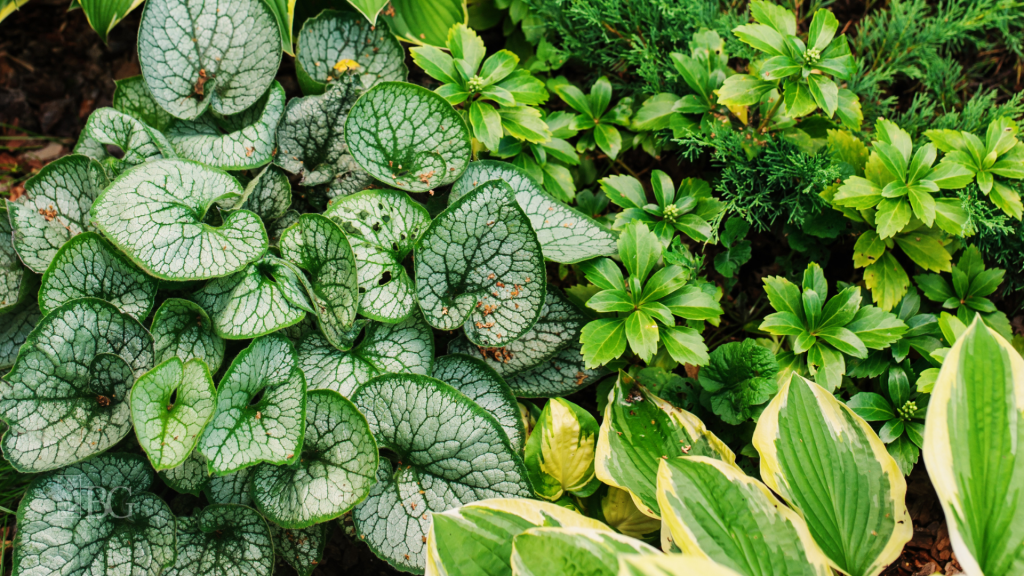
- Woodland Gardens: Perfectly complements hostas, ferns, hellebores, and astilbes.
- Shady Borders: Use as an edging plant or backdrop in a partial-shade perennial border.
- Groundcover: Its slow spreading habit makes it excellent for mass planting under trees.
- Container Gardening: Grows well in shaded patio pots and adds interest with its reflective foliage.
Pest and Disease Resistance
‘Jack Frost’ is naturally resistant to deer and rabbits, which are not an issue in St. John’s but may be relevant in nearby rural areas. However, slugs and snails may feed on the leaves during wet conditions. To control them:
- Use iron phosphate bait in spring.
- Avoid overhead watering.
- Space plants to improve airflow.
This cultivar rarely suffers from serious diseases, though poor drainage may lead to root rot. Always ensure soil is well-drained and not compacted.
You can consult with our team at Bowering Gardens, lawn and garden experts in St. John’s, Newfoundland, to determine the best practices for your specific region and landscaping, or you can reach out to us below to get a quote so that we can take it off your hands entirely.
Please note that the information provided in this article is based on general guidelines. Specific care and conditions may vary for different varieties and individual gardens.
Frequently Asked Questions
While it can handle some early morning light, too much sun will cause leaf scorch. It performs best in part to full shade.
Divide every 3–5 years in early spring or early fall to maintain vigour and manage its slow-spreading growth habit.
Yes, it performs very well in containers placed in shady patios or balconies. Use a rich, moisture-retentive potting mix.
Yes, its small blue flowers attract early-season pollinators such as native bees.
Mulch with coarse material like bark, water at the base in the morning, and space plants properly to reduce humidity around the foliage.
Remember, gardening is not only about nurturing plants but also about embracing the joy and wonder that nature brings. Happy gardening!
Posted on
Posted in Blog
