
Flower Friday – Climbing Hydrangea
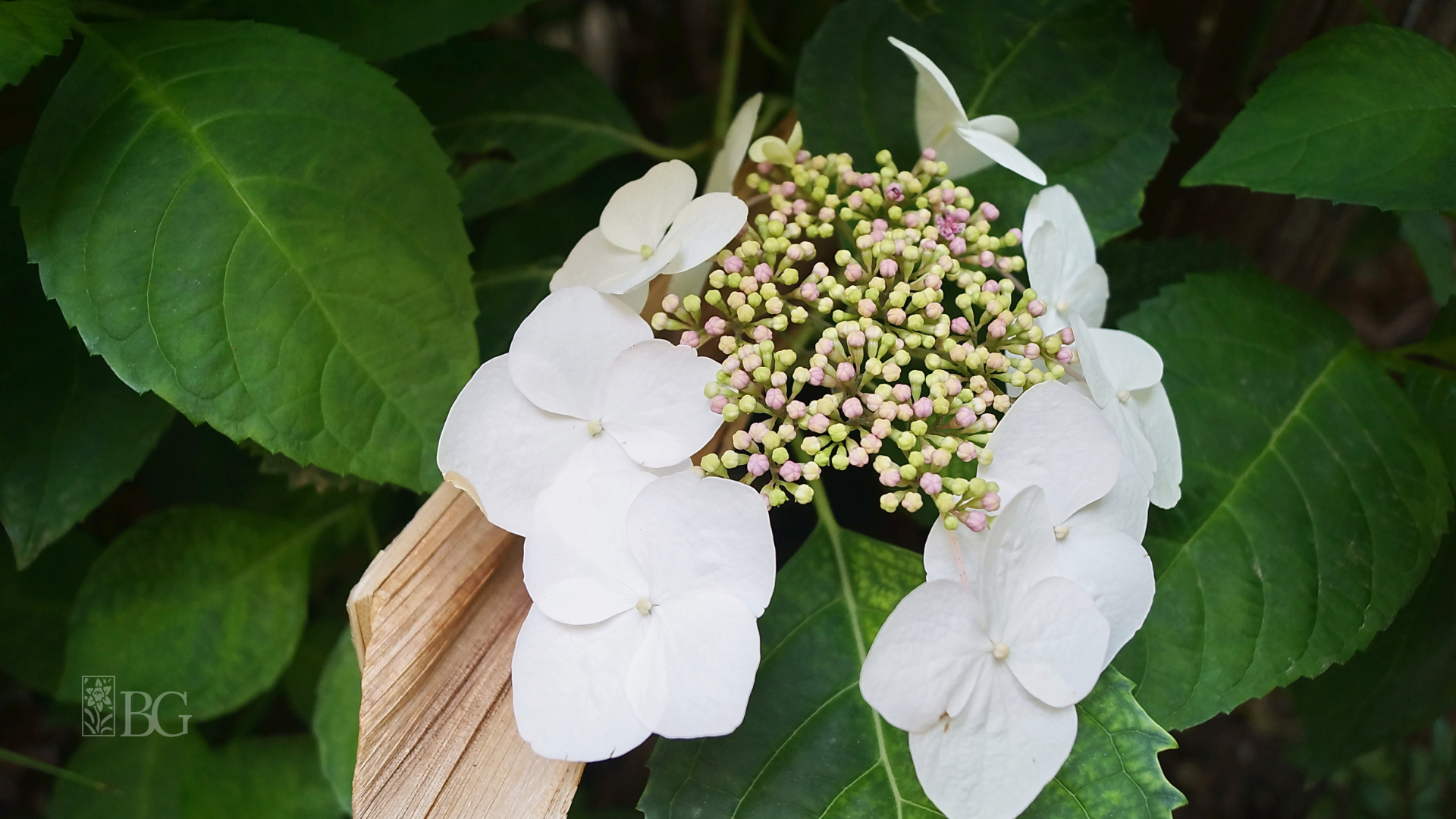
Comprehensive Guide to Climbing Hydrangea: Essential Care and Growing Tips
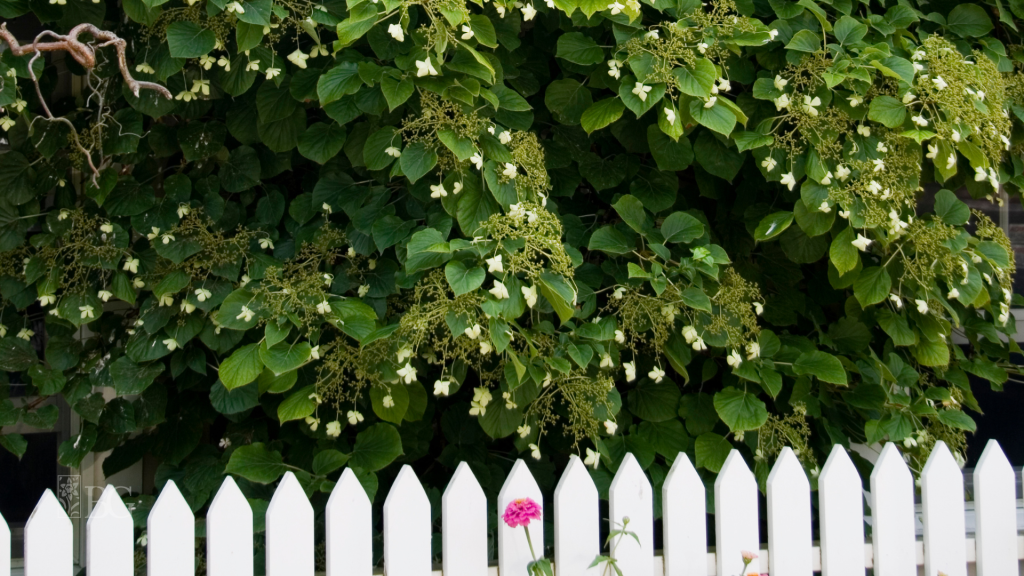
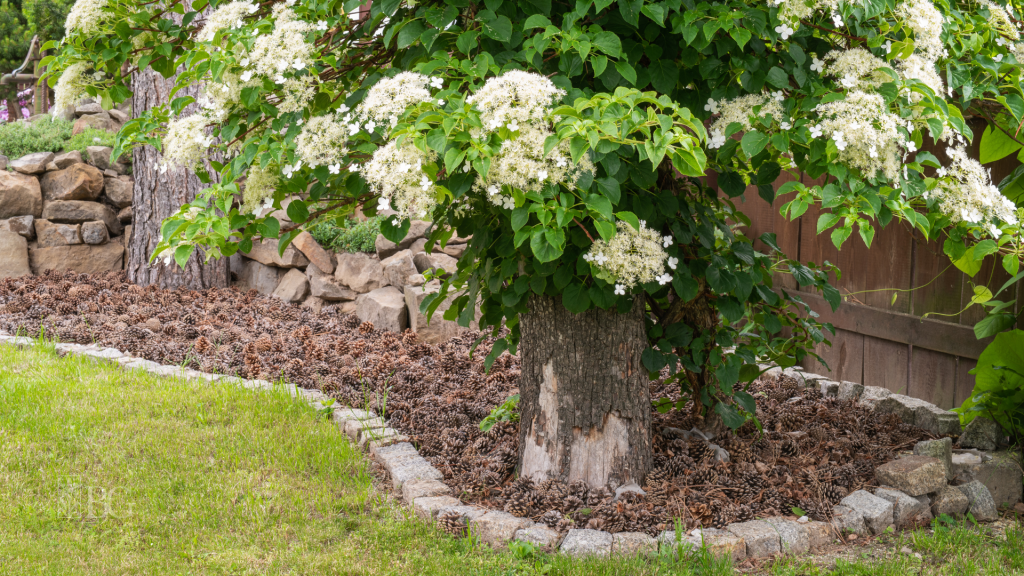
Climbing hydrangea (Hydrangea anomala) offers an elegant alternative to traditional hydrangea bushes, providing a trailing variety that adds visual interest to walls, fences, and other structures. Native to Asia, this flowering deciduous vine is valued for its beauty and versatility. This guide will cover all aspects of growing and caring for climbing hydrangea, helping you achieve a thriving and attractive plant in your garden.
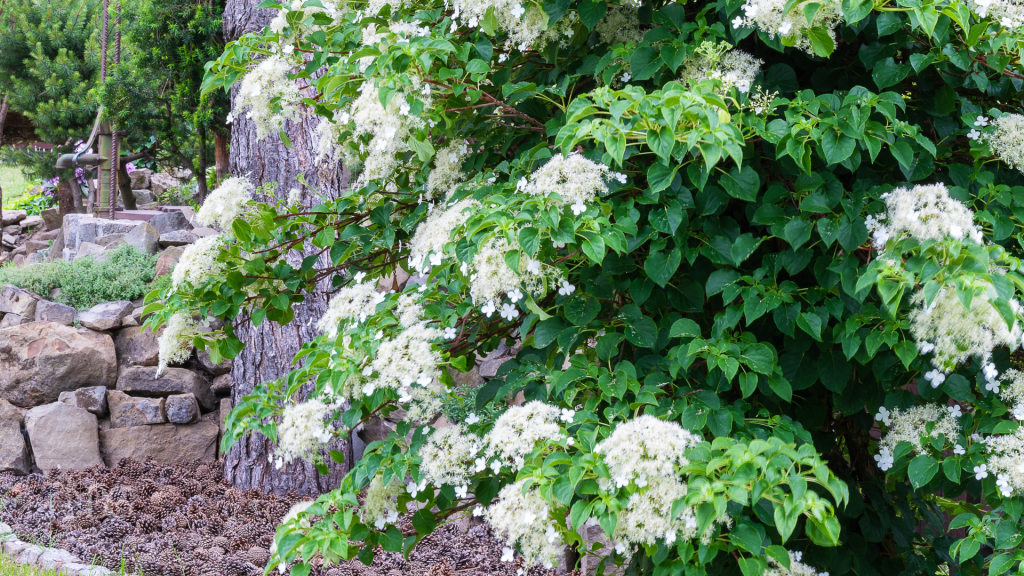
Overview of Climbing Hydrangea
Common Name: Climbing hydrangea
Botanical Name: Hydrangea anomala
Family: Hydrangeaceae
Plant Type: Vine
Mature Size: 9-15 meters tall, 1.5-2 meters wide
Sun Exposure: Full sun to partial shade
Soil Type: Moist, well-drained
Soil pH: Acidic
Bloom Time: Spring to summer
Flower Colour: White
Hardiness Zones: 4–8 (USDA)
Native Areas: Asia
Toxicity: Toxic to pets
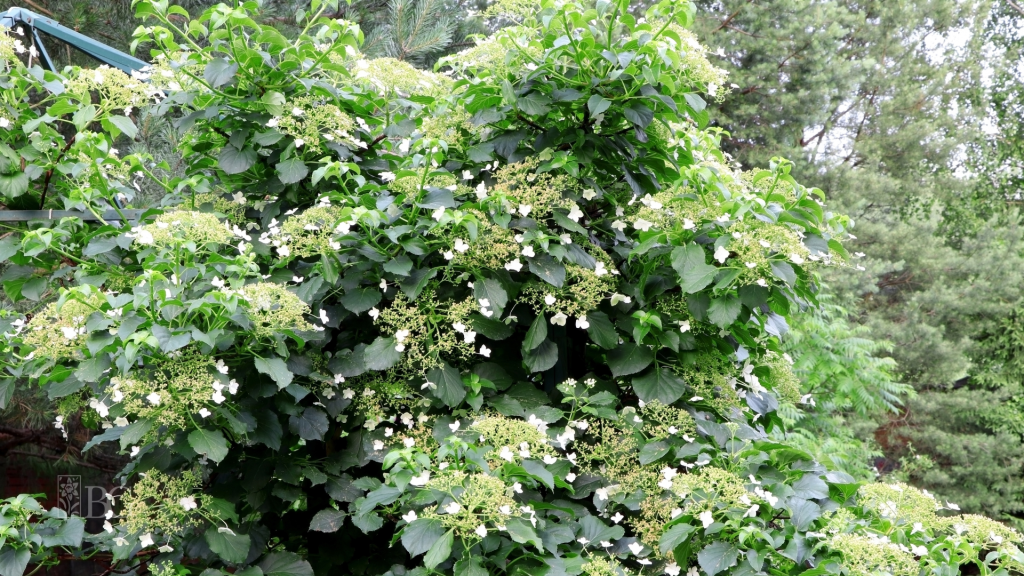
Types of Climbing Hydrangea
Hydrangea anomala
The most common variety of climbing hydrangea, Hydrangea anomala produces white flowers and is known for its excellent frost and heat tolerance. This type is ideal for gardeners looking for a reliable, hardy option that thrives in various climates.
Miranda Variety
The Miranda variety is noted for its variegated leaves, which feature both yellow and green hues. It is one of the more decorative varieties, capable of growing up to 15 meters tall and 1.8 meters wide. This variety adds a striking visual element to any garden, with its unique leaf pattern and robust growth.
Silver Lining
Silver Lining is distinguished by its silvery-grey variegated leaves. This variety is somewhat finicky, preferring partial shade over full sun or complete shade. It is best suited to environments where it can receive filtered light while avoiding the harsher aspects of full sun exposure.
Flying Saucer
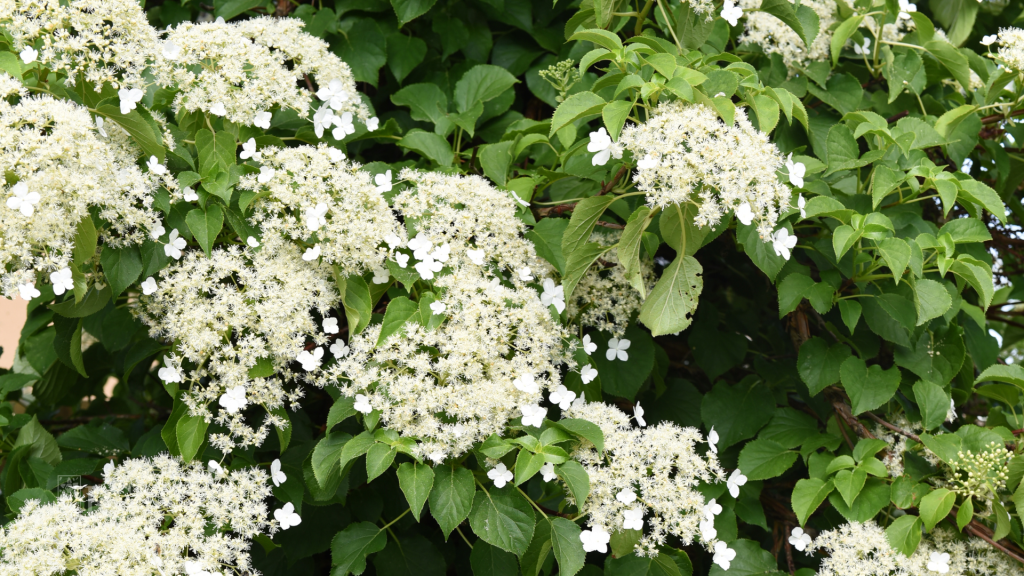
The Flying Saucer variety is known for its distinctive inflorescences that resemble flying saucers. These showy white blooms contrast beautifully against the plant’s bright green foliage, making it a dramatic choice for adding flair to your garden.
Care Requirements for Climbing Hydrangea
Support Structures
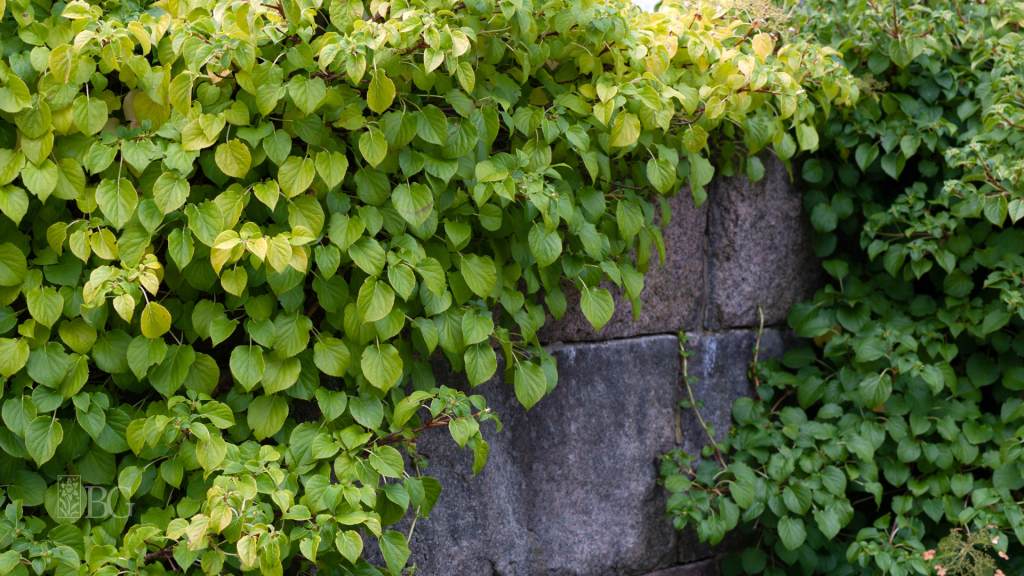
Climbing hydrangeas require a sturdy support structure to accommodate their growth. These vines can become quite heavy and may climb up the sides of houses, fences, pergolas, or over garden arbors. Ensure that the support can handle the weight of the plant.
Soil and Planting
Plant climbing hydrangea in rich, moist soil that drains well. Although the plant is not highly particular about soil pH, it thrives in slightly acidic soil. If your soil is depleted, amend it with nutrient-rich compost before planting. Maintaining a three-inch layer of mulch around the root zone will help retain moisture and prevent overwatering.
Watering
Climbing hydrangeas prefer consistently moist soil. Provide at least 2.5 centimeters of water weekly, either through rainfall or irrigation. During hot or dry spells, the plant may require additional water to keep the soil adequately moist.
Light Requirements
This vine grows best in full sun to partial shade. In hotter climates, it benefits from some afternoon shade. Ensure consistent and adequate watering in sunny areas to support healthy growth and vibrant blooms.
Temperature and Humidity
Climbing hydrangeas perform well in temperate climates. They prefer daytime temperatures around 21°C and nighttime temperatures around 15°C. The plant requires at least six weeks of temperatures below 18°C to set buds. Protect the plant from intense sun and frost, which can damage buds and affect flowering.
Fertilizing
Climbing hydrangeas are low-maintenance regarding fertilisation. For the first three years, the plant generally requires no additional feeding. If you notice yellowing leaves, fertilise in early spring with a 10-10-10 fertilizer or a high phosphorus product to promote blooming. In late summer or autumn, apply a layer of compost topped with mulch.
Pruning
Newly planted climbing hydrangeas may grow and bloom slowly. Begin by pruning only dead or damaged branches in late spring or early summer. Once established, the plant may require summer pruning to shape or manage growth. Removing spent blooms can help keep the plant neat.
Propagation
To propagate climbing hydrangea, take cuttings in May or June. Use sharp shears to cut a healthy green stem three to five inches long. Remove all but the top two leaves and dip the end in rooting powder. Plant the cutting in moist potting soil, cover with plastic wrap, and mist regularly. After a month, the cutting should root and can be planted in the garden bed in spring.
Growing from Seed
Growing climbing hydrangea from seed involves placing seeds on moist soil and keeping the pot in a sunny location. Seeds should germinate in about 14 days. Once shoots appear, transplant the seedlings into the garden bed when temperatures are warm.
Overwintering
Prepare your climbing hydrangea for winter by watering it well before the ground freezes. Add composted manure or organic compost around the base and apply a layer of mulch to keep the roots warm through the colder months.
Common Pests and Diseases
Climbing hydrangeas can be affected by mildew, leaf spot, spider mites, scale, and aphids. Treat these issues with a mild insecticide or neem oil to keep your plant healthy.
Encouraging Blooms
Climbing hydrangeas can take three to five years to start flowering. To ensure blooms, prune in late June or July, as new flowers develop on last year’s growth. Avoid pruning in fall, winter, or early spring, as this can remove potential buds.
Post-Bloom Care
After flowering, cut back the vines before new buds form to avoid reducing next year’s bloom count. Fertilise the plant at this time if needed and remove any wilted flowers to maintain a tidy appearance.
Potential Problems
Mature climbing hydrangeas can cause surface cracks or loosen shingles and siding due to their weight. Ensure regular pruning to manage growth and prevent damage to supporting structures.
Conclusion
In conclusion, climbing hydrangea (Hydrangea anomala) is a remarkable choice for adding elegance and charm to various garden settings, whether climbing trellises, adorning walls, or enhancing arbors. With its versatile growing conditions and striking blooms, it offers both aesthetic appeal and practical benefits, such as its ability to cover unsightly structures and reduce weed growth. By adhering to the outlined care practices, from providing appropriate support and ensuring proper soil conditions to managing pests and encouraging blooms, gardeners can enjoy a thriving, beautiful climbing hydrangea. This resilient and attractive vine not only enhances the visual appeal of your outdoor spaces but also provides a long-lasting addition to your garden’s landscape.
You can consult with our team at Bowering Gardens, lawn and garden experts in St. John’s, Newfoundland, to determine the best practices for your specific region and landscaping, or you can reach out to us below to get a quote so that we can take it off your hands entirely.
Please note that the information provided in this article is based on general guidelines. Specific care and conditions may vary for different varieties and individual gardens.
Frequently Asked Questions
Climbing hydrangea thrives in St. John’s, Newfoundland, with its temperate climate and varying light conditions. This vine prefers full sun to partial shade, ensuring it gets ample light while avoiding the harshest midday sun. It grows best in moist, well-drained soil with a slightly acidic pH. To accommodate the cooler temperatures and potential frost in Newfoundland, plant climbing hydrangea in a sheltered spot and provide winter protection with mulch to keep the roots insulated.
To properly support climbing hydrangea, choose a sturdy structure that can handle the weight of the mature vine. Ideal supports include trellises, arbors, and fences. Ensure that the structure is securely anchored and made of durable materials, as the vine can become quite heavy. Regularly check the support to ensure it remains stable and free from damage caused by the plant’s growth.
The best time to plant climbing hydrangea in Newfoundland is late spring, after the last frost. This timing allows the plant to establish itself during the warmer months before the cooler temperatures of fall and winter. Planting in late spring also gives the vine the full growing season to develop strong roots and begin its climb on the support structure.
Common pests that may affect climbing hydrangea include spider mites, scale insects, and aphids. These can be managed using mild insecticides or natural alternatives like neem oil. Fungal issues such as mildew and leaf spot can also occur, particularly in dense foliage. To prevent these diseases, ensure good air circulation around the plant and treat any outbreaks promptly with appropriate fungicides or organic treatments.
To encourage climbing hydrangea to bloom effectively, ensure it receives proper care throughout the growing season. Prune the plant in late June or July, as blooms develop on the previous year’s growth. Avoid pruning in fall or early spring, which can remove potential buds. Additionally, ensure the plant is in a location with adequate sunlight and moisture, and fertilise in early spring with a balanced fertiliser if needed. Proper care will help the plant produce abundant and vibrant blooms.
Remember, gardening is not only about nurturing plants but also about embracing the joy and wonder that nature brings. Happy gardening!
Posted on
Posted in Blog
