
Flower Friday – Dianthus Pinks
Complete Guide to Planting Dianthus in St. John’s, Newfoundland
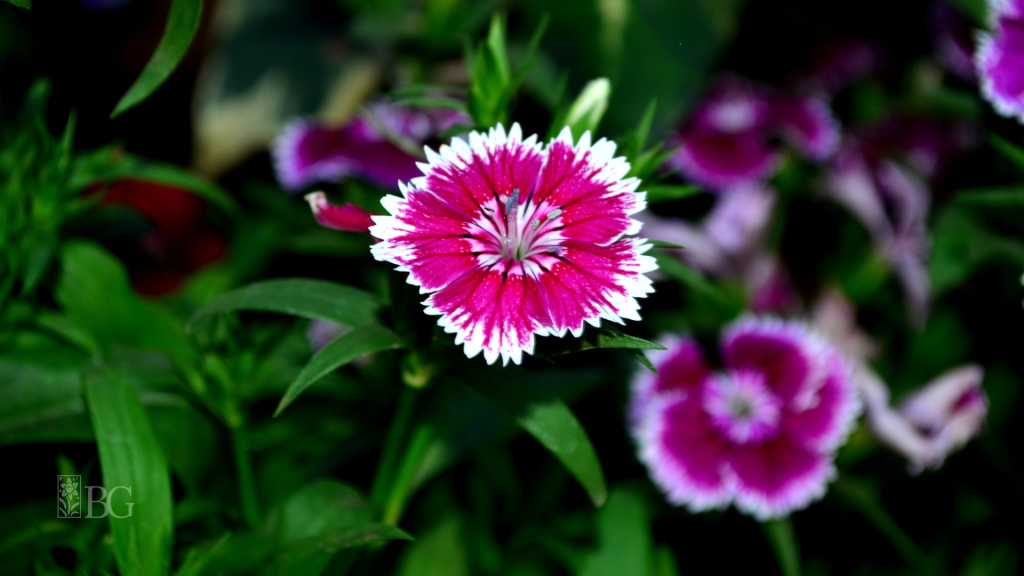
Dianthus, commonly known as pinks, carnations, or sweet williams, are a versatile group of flowering perennials and biennials prized for their vibrant colours, spicy clove-like fragrance, and long blooming season. With over 300 species and countless cultivars, Dianthus has been a garden staple for centuries, finding a place in everything from rock gardens to formal borders.
In St. John’s, Newfoundland, Dianthus thrives in sunny, well-drained sites where cooler coastal temperatures extend bloom periods and reduce the stress of summer heat. These plants are relatively low-maintenance, deer-resistant, and excellent for pollinators, making them well-suited to both traditional and modern garden designs.
Plant Overview
- Botanical name: Dianthus spp.
- Common names: Pinks, Carnations, Sweet William
- Plant type: Perennials, biennials, or annuals depending on species
- Mature size: 15–60 cm tall × 20–45 cm wide (varies by variety)
- Bloom period: Late spring through summer; some varieties re-bloom
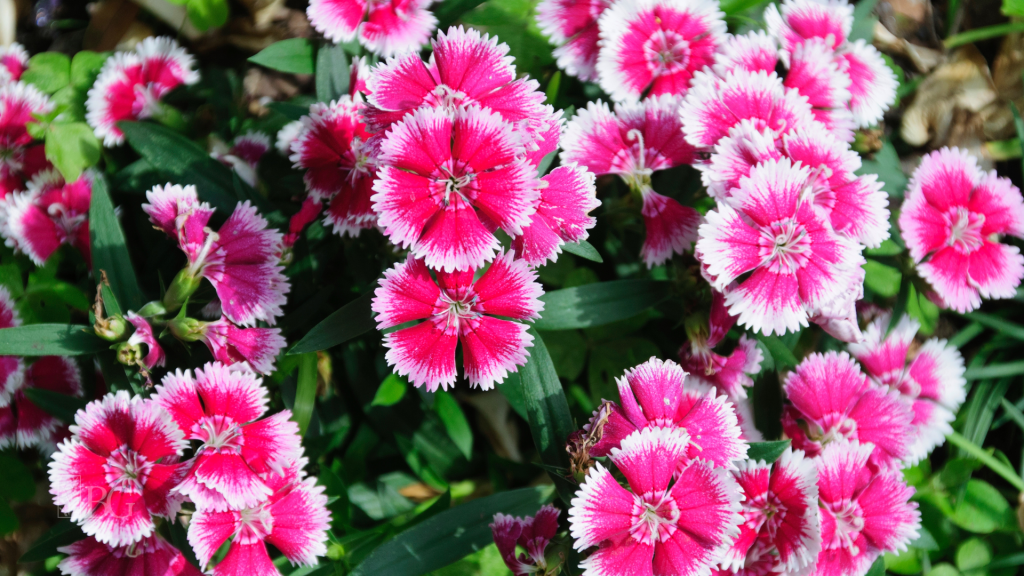
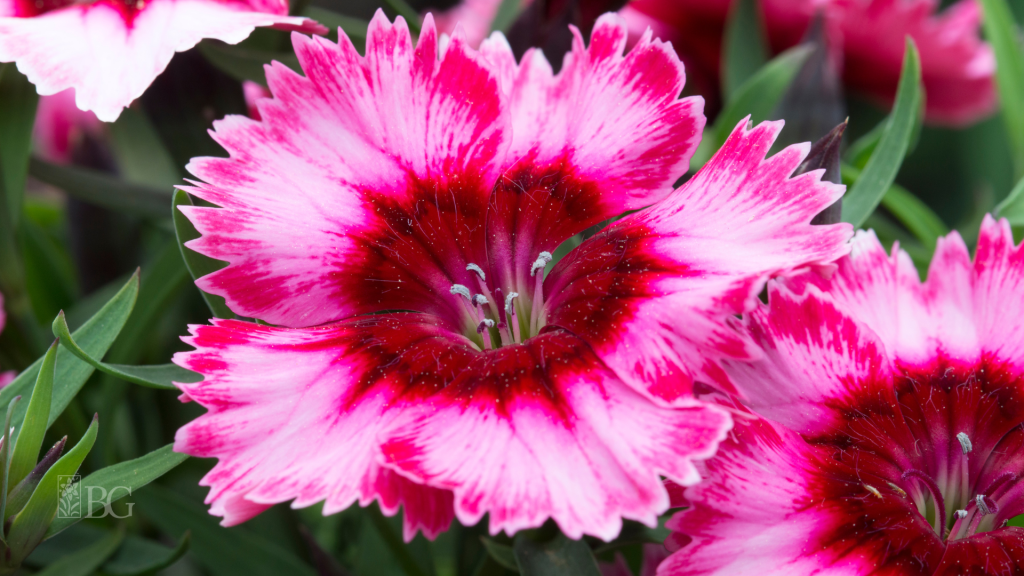
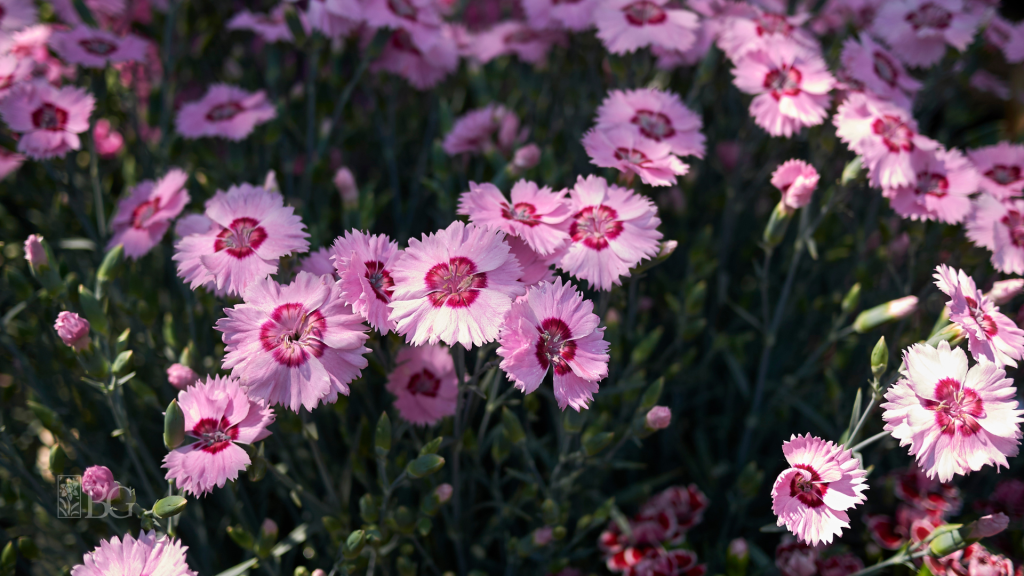
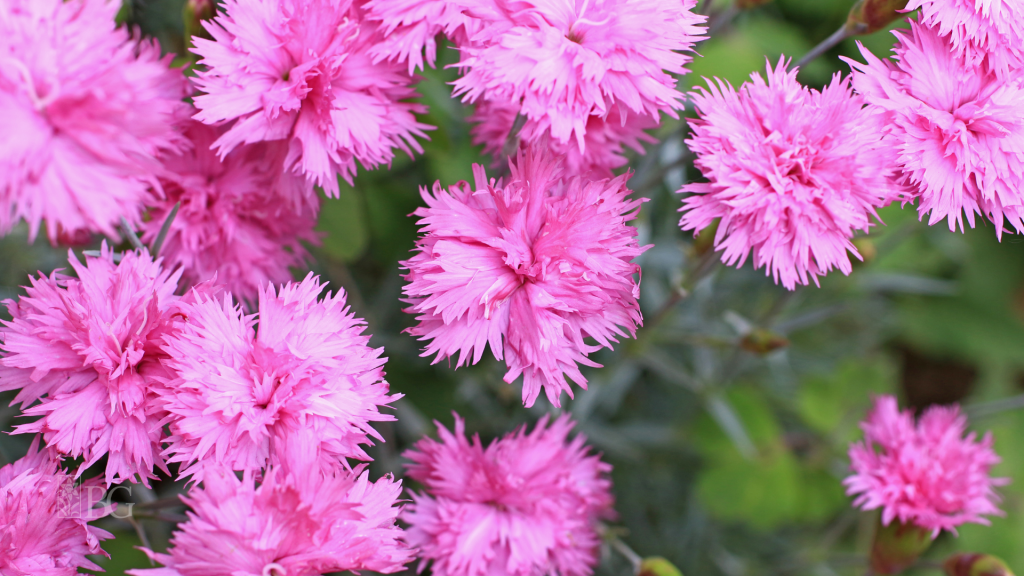
- Flower colours: Shades of pink, red, purple, and white, often bicoloured
- Foliage: Narrow, often grey-green or blue-green leaves
- Sun exposure: Full sun preferred
- Soil type: Light, well-drained, slightly alkaline soil
- Hardiness: USDA Zones 3–9 (most types suitable for Newfoundland’s Zone 5 climate)
Choosing the Right Dianthus for Newfoundland Gardens
Different species and hybrids of Dianthus vary in height, bloom time, and habit. For gardeners in St. John’s, compact and hardy cultivars are often best:
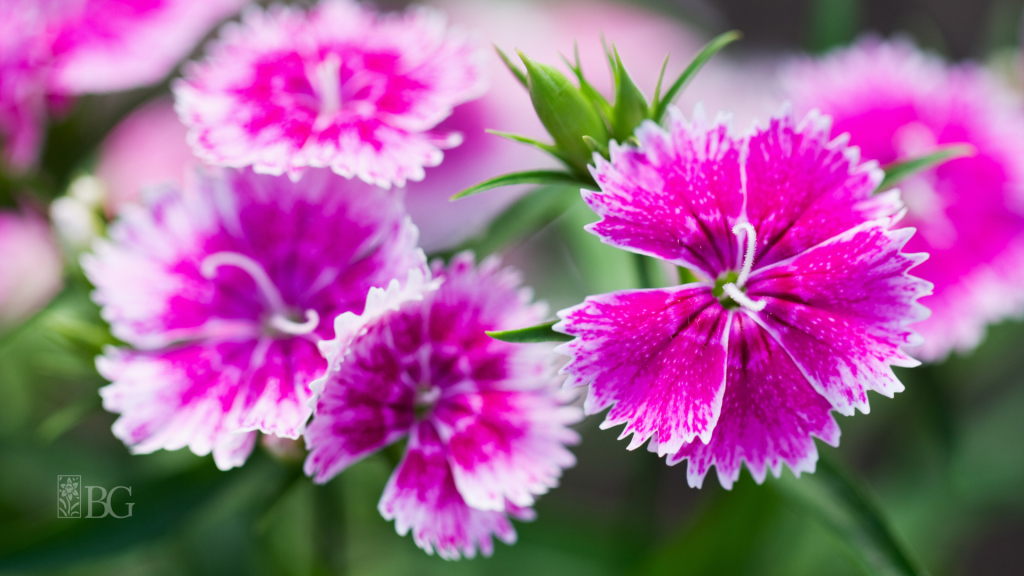
- Perennial Pinks (Dianthus plumarius): Low-growing, spreading plants ideal for borders or rock gardens.
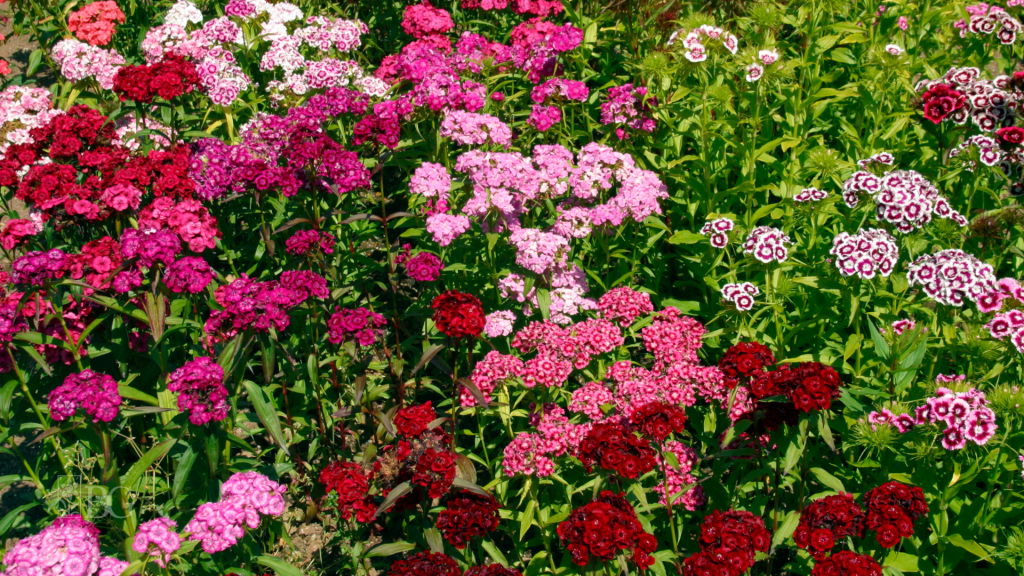
- Sweet William (Dianthus barbatus): Biennial or short-lived perennial producing clusters of vibrant flowers.
- Carnations (Dianthus caryophyllus): Taller varieties used in cut flower arrangements; some are less hardy outdoors.
- Hybrid cultivars: Modern selections bred for extended bloom periods and improved cold tolerance.
When selecting, look for cultivars rated hardy to Zone 3–5 to ensure success in Newfoundland’s cooler climate.
Ideal Planting Conditions
Sunlight
Dianthus requires full sun, meaning at least 6 hours of direct sunlight daily. Partial shade may be tolerated, but flowering is significantly reduced. In St. John’s, coastal fog can reduce light intensity, so choose a location that gets maximum exposure.
Soil
These plants prefer light, well-draining soil. Heavy clay can be improved by incorporating sand and compost, while acidic soils benefit from the addition of lime to bring the pH closer to neutral or slightly alkaline (6.5–7.5).
Spacing
Plant Dianthus 20–30 cm apart to allow for airflow, reducing the risk of fungal problems such as crown rot.
Planting and Establishment
- When to plant: Early spring after frost has passed, or in early autumn to allow root establishment before winter.
- How to plant: Dig a hole as deep as the root ball and twice as wide. Set the plant so the crown sits level with the soil surface.
- Mulching: Apply a thin layer of organic mulch (no more than 3 cm). Avoid covering the crown, as Dianthus is prone to rot in damp conditions.
Water well at planting and continue regular watering until plants are established.
Care and Maintenance
Watering
Moderate watering is best. Dianthus dislikes soggy conditions, so allow soil to dry slightly between waterings. During prolonged dry periods, water deeply once a week, delivering about 25 mm.
Fertilizing
Dianthus benefits from light feeding. Apply a balanced, slow-release fertilizer in early spring. Avoid excessive nitrogen, which promotes foliage growth at the expense of flowers.
Deadheading
Remove spent flowers to encourage reblooming and maintain a tidy appearance. For perennial types, cut stems back by one-third after the first bloom cycle to promote fresh growth and a possible second flush of flowers.
Winter Care
Most Dianthus cultivars are hardy in Newfoundland’s Zone 5 climate. However, good drainage is critical. In late autumn, avoid heavy mulching over crowns, which can trap moisture and lead to rot.
Pruning and Division
Pruning and dividing Dianthus are two of the most important maintenance tasks to keep the plants healthy, attractive, and long-lived. Left alone, perennial Dianthus often develops a woody, open centre after a few years, which reduces flowering and allows moisture-related diseases to take hold. Proper attention at the right time ensures consistent blooms and dense foliage.
Seasonal Pruning
- Deadheading after flowering: As soon as flowers begin to fade, cut them back to just above a set of healthy leaves. This prevents the plant from putting energy into seed production and instead redirects it into new foliage and, in many cultivars, a second round of flowering later in summer.
- Shearing in midsummer: After the first heavy flush of flowers, use clean shears to trim back the entire plant by about one-third. This not only tidies up the plant but also stimulates a fresh flush of compact growth. In St. John’s, where summers are cool, this practice often results in another extended bloom period in August or September.
- Autumn clean-up: Once flowering is finished for the season, lightly trim stems to keep plants neat. Avoid cutting Dianthus back hard in autumn, as crowns are sensitive to winter rot. Instead, wait until spring to do any heavier rejuvenation pruning.
Division for Longevity
Dianthus plants benefit from being divided every 2–3 years. This prevents overcrowding, maintains vigour, and reduces the woody centre that can otherwise develop.
- Best timing: Early spring, just as new growth is emerging, or early autumn when temperatures are cooler but before frost sets in. Spring division is often most reliable in Newfoundland, as plants have the entire growing season to re-establish before winter.
- How to divide:
- Carefully dig up the clump, keeping as much of the root system intact as possible.
- Gently shake or wash away excess soil to see where natural divisions occur.
- Using a sharp knife or spade, separate the clump into smaller sections, each with healthy roots and several shoots. Discard any woody, dead, or diseased portions from the centre.
- Replant divisions immediately at the same depth they were growing, spacing them 20–30 cm apart to allow for airflow.
- Aftercare: Water divisions thoroughly after planting and keep the soil evenly moist for the first few weeks. Adding a light compost mulch (about 2–3 cm) will help conserve moisture and support root establishment.
Why Division Matters in Newfoundland
St. John’s gardens often experience heavy spring rains and frequent fog, which can lead to crown rot if Dianthus becomes too dense in the middle. Dividing regularly reduces this risk by improving air circulation. It also provides gardeners with new plants that can be used in other beds, borders, or shared with neighbours.
By pruning consistently and dividing as needed, Dianthus can remain healthy and floriferous for many years, providing reliable colour and fragrance in Newfoundland’s unique climate.
Pest and Disease Considerations
Dianthus is generally resistant to deer and rabbits, but may face occasional challenges:
- Aphids: Can be rinsed off with water or controlled using horticultural soap.
- Crown rot: Common in poorly drained soils. Prevent by avoiding overwatering and ensuring proper soil conditions.
- Rust and leaf spot: Improved air circulation and clean garden practices help reduce incidence.
Landscape Uses
Dianthus is versatile in design:
- Borders and edging: Low-growing cultivars create neat, colourful lines along pathways and beds.
- Rock gardens: Compact forms thrive in the sharp drainage of rockeries.
- Containers: Ideal for patios and balconies where flowers can be appreciated up close.
- Cut flowers: Taller carnations provide long-lasting blooms indoors.
Pair Dianthus with perennials such as lavender, salvia, or shasta daisies for extended seasonal colour.
You can consult with our team at Bowering Gardens, lawn and garden experts in St. John’s, Newfoundland, to determine the best practices for your specific region and landscaping, or you can reach out to us below to get a quote so that we can take it off your hands entirely.
Please note that the information provided in this article is based on general guidelines. Specific care and conditions may vary for different varieties and individual gardens.
Frequently Asked Questions
The ideal time is early spring once the ground has thawed and frost risk has passed. Autumn planting is also possible, giving roots time to establish before winter.
Yes, but the soil must be well-drained. Many coastal soils are acidic, so adding lime can help bring pH closer to the slightly alkaline level Dianthus prefers.
Blooming usually begins in late spring and continues for four to six weeks. With deadheading and proper care, some cultivars produce a second flush later in the season.
Most hardy varieties will overwinter successfully in Zone 5, provided soil drains well. Avoid mulching heavily over crowns, which increases the risk of rot.
Every two to three years, or when the plant becomes woody at the centre. Division keeps plants vigorous and promotes better flowering.
Remember, gardening is not only about nurturing plants but also about embracing the joy and wonder that nature brings. Happy gardening!
Posted on
Posted in Blog
