
Flower Friday – Easter Lily
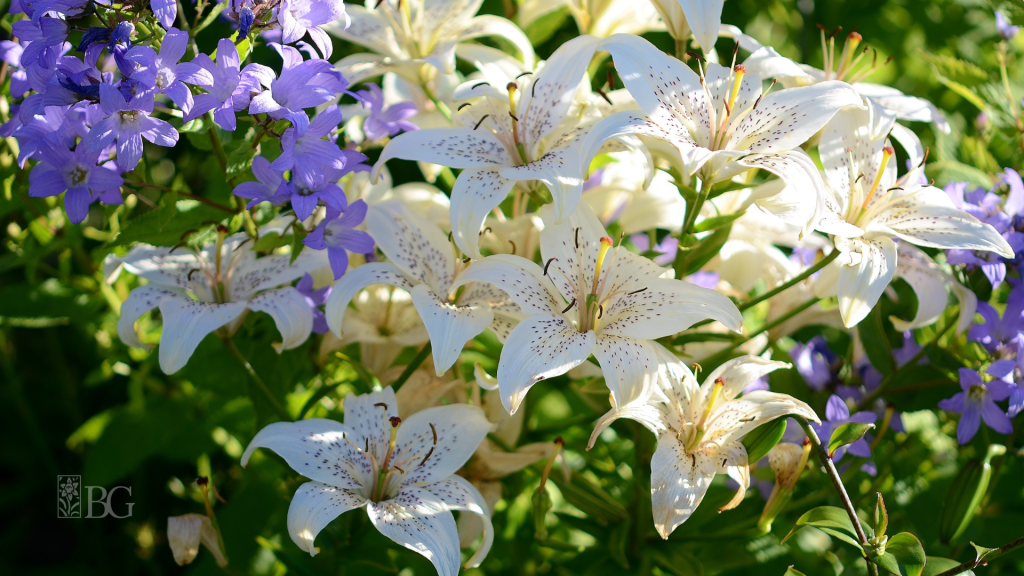
Easter Lilies in St. John’s, Newfoundland: Planting, Growing, and CAring for them
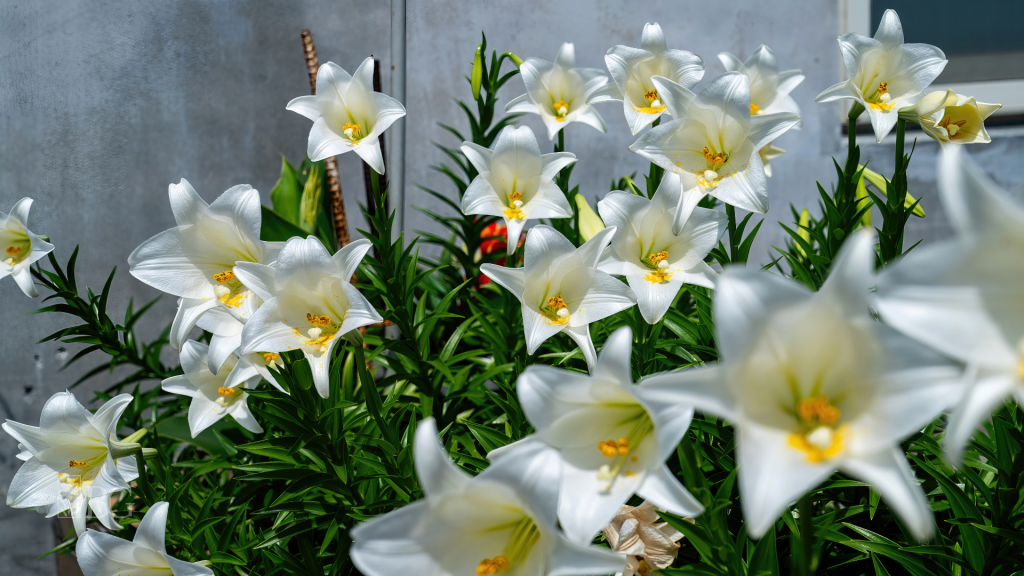
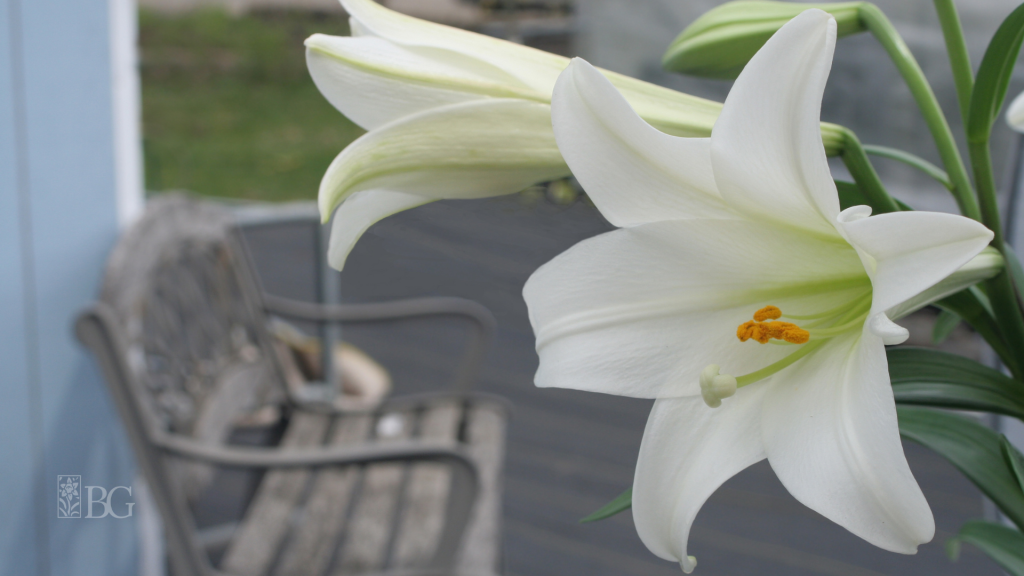
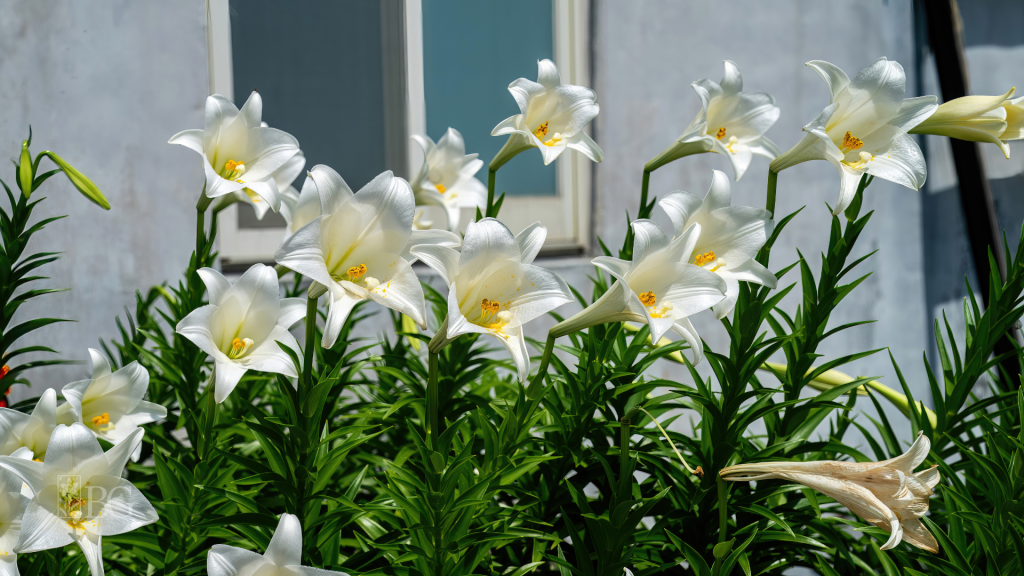
Easter lilies (Lilium longiflorum) are a timeless symbol of renewal and grace, making them an ideal focus for your garden during the Easter season and beyond. In St. John’s, Newfoundland, these elegant, trumpet-shaped blooms thrive as summer perennials with the right care and attention. Whether you’re transplanting a store-bought Easter lily after Good Friday or starting bulbs fresh in the fall, this guide offers everything you need to establish and maintain Easter lilies that return year after year.
Ideal Planting Conditions for Easter Lilies
Sunlight Requirements
Easter lilies perform best in full sun to partial shade. In the unique coastal climate of St. John’s, we recommend planting them in a spot that receives at least six hours of morning or early afternoon sunlight, while avoiding harsh late-afternoon rays. Protecting the base of the plant with low-growing ground covers or mulch helps preserve soil moisture and prevents the sun from scorching the lower foliage.
Soil Type and Drainage
These bulbs demand well-draining, loamy soil rich in organic matter. In St. John’s gardens where clay or compacted soils are common, we advise amending the soil with composted bark, peat moss, or well-rotted manure. Easter lilies prefer a slightly acidic to neutral pH (between 6.0 and 7.0), though they can tolerate slight alkalinity.
If drainage is an issue, consider building raised beds to prevent bulb rot over the winter months.
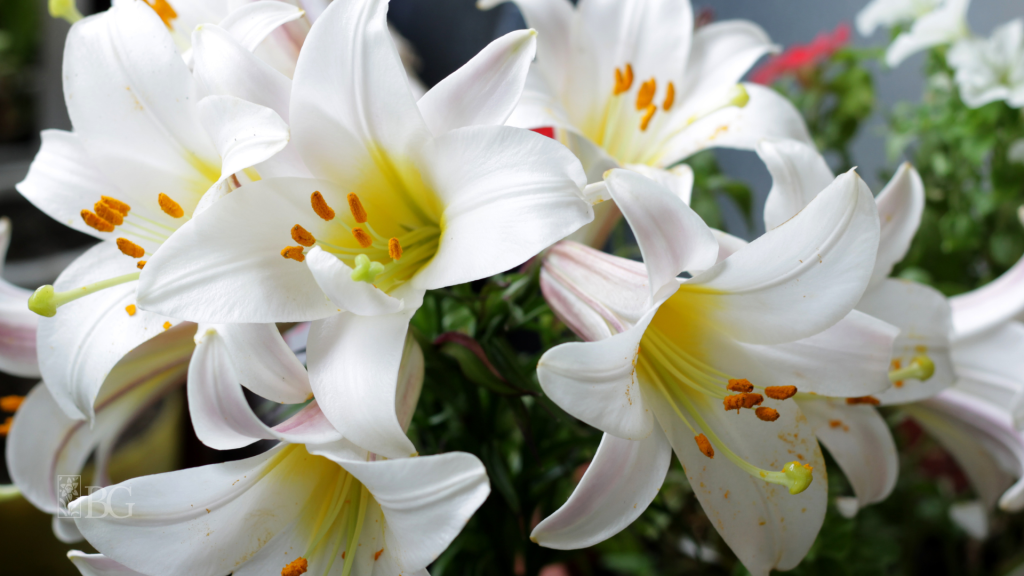
Planting Easter Lilies in St. John’s
When and How to Plant
In Newfoundland’s Zone 5b climate, fall is the optimal time to plant Easter lily bulbs outdoors, ideally six to eight weeks before the first hard frost. This allows roots to establish before winter sets in. Plant bulbs 15 cm deep and at least 15 cm apart, with the pointed end facing up.
Topdress with compost and a 5 cm layer of mulch to insulate the soil during freeze-thaw cycles. This practice is essential for bulbs to survive our unpredictable winters.
Transplanting Store-Bought Easter Lilies
After Easter Sunday, potted lilies purchased from florists or grocery stores can be transplanted into the garden. Wait until all danger of frost has passed, usually around late May in St. John’s. Remove the plant from its container, loosen the roots gently, and plant at the same depth as it was in the pot. Cut back spent blooms but leave the stem and foliage intact so the bulb can store energy for the next season.
Watering and Moisture Control
Easter lilies prefer evenly moist soil, especially during the growing season. Water deeply when the top 2–3 cm of soil feels dry, and avoid overhead watering to prevent fungal issues. In the humid microclimates around St. John’s, good airflow and early morning watering are key to avoiding botrytis blight and stem rot.
During periods of extended rainfall, ensure the area doesn’t become waterlogged. Raised beds, sloped terrain, or gravel-lined trenches can assist with drainage in wetter areas of your property.
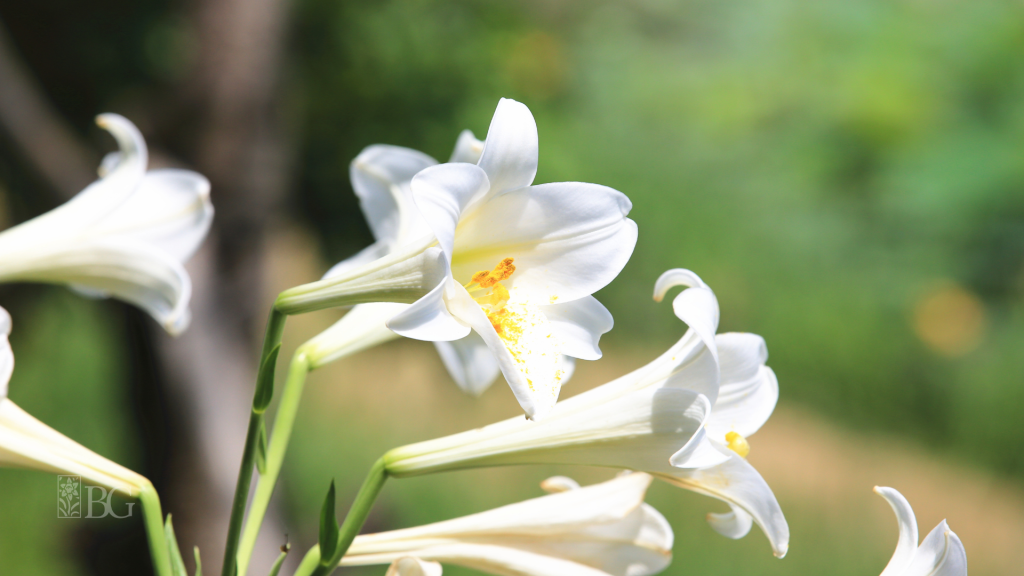
Fertilizing for Healthy Blooms
Feed lilies in early spring when new shoots emerge using a balanced, slow-release fertilizer (such as 10-10-10), at a rate of 1 tablespoon per stem. In poorer soils, a second feeding in mid-summer with a fish emulsion or seaweed fertilizer diluted in water will support blooming and foliage health.
Avoid high-nitrogen fertilizers, which promote foliage at the expense of flowers.
Bloom Time and Flower Management
In St. John’s, Easter lilies planted outdoors will typically bloom in July, not during the Easter holiday. Commercial growers force them to bloom early under greenhouse conditions.
Each flower generally lasts 10–14 days, and removing the yellow anthers as they emerge will prolong bloom life and prevent pollen stains. Deadheading spent flowers prevents seed production and redirects energy into the bulb for next season’s growth.
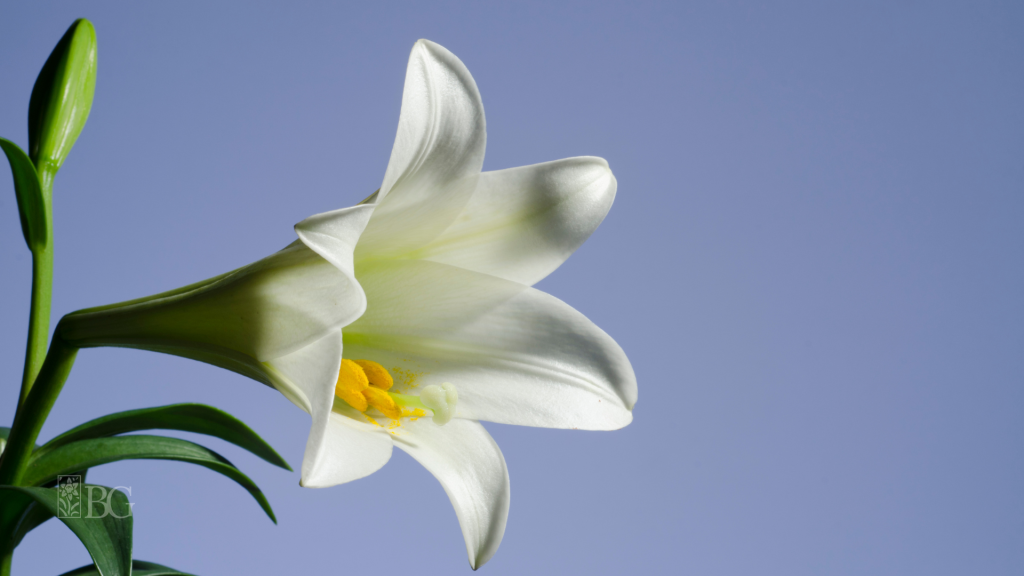
Pruning and Fall Maintenance
Once flowering ends, allow the green stems and leaves to remain through the summer so photosynthesis can continue. In the fall, after the foliage turns yellow or brown, cut stems back to soil level. Apply a fresh layer of mulch for winter insulation, especially important in exposed or windy locations.
Overwintering in Newfoundland
While Easter lilies are technically hardy to USDA Zone 4, St. John’s freeze-thaw cycles and salt-laden winds can stress unprotected bulbs. To safeguard them:
- Do not water in late fall; allow the soil to dry out before winter.
- Mulch with 5–10 cm of straw, leaves, or bark mulch.
- For added insurance, dig and store bulbs in a cool, dark place such as an unheated basement (4–7°C) and replant in spring.
Pests and Disease Management
Fortunately, deer are not a concern in St. John’s, but you should watch for:
- Aphids, which can transmit lily mosaic virus. Control with strong water sprays or insecticidal soap.
- Botrytis blight, a fungal disease common in humid summers. Improve air circulation and avoid wetting foliage.
- Bulb rot, which results from poor drainage. Always plant in well-drained soil.
Remove and destroy any infected plants to prevent spread.
Propagation and Dividing Bulbs
After 2–3 seasons, lilies may become crowded. The best time to divide bulbs is in early fall. Gently dig up the clump, separate any bulblets, and replant them 15 cm apart in compost-enriched soil. It may take two seasons for divided bulbs to mature and flower.
Growing Easter Lilies in Containers
If growing indoors over Easter, place your potted lily in a bright but indirect light location, away from heat sources and drafts. Remove any decorative foil to allow proper drainage and water when the soil feels dry to the touch.
After flowering, allow the foliage to die back naturally. Once the weather warms, you can transplant the bulb outdoors, following the same planting instructions above.
Encouraging Future Blooms
To get store-bought lilies to rebloom outdoors the following year:
- Avoid cutting back foliage until it yellows naturally.
- Apply balanced fertilizer in spring.
- Maintain consistent watering during active growth.
- Divide and relocate overcrowded bulbs as needed.
Remember, outdoor-planted lilies bloom on their own schedule, typically in mid to late summer.
Final Thoughts for Good Friday Gardeners
Planting or transplanting Easter lilies on Good Friday is a cherished tradition for many. While these symbolic blooms may not flower again until midsummer, their enduring beauty and rich fragrance make them a meaningful addition to any garden in St. John’s.
By following these locally tailored care practices, you can enjoy Easter lilies not just as a seasonal decoration, but as a long-lived feature of your landscape—one that honours the spirit of renewal long after the holiday has passed..
You can consult with our team at Bowering Gardens, lawn and garden experts in St. John’s, Newfoundland, to determine the best practices for your specific region and landscaping, or you can reach out to us below to get a quote so that we can take it off your hands entirely.
Please note that the information provided in this article is based on general guidelines. Specific care and conditions may vary for different varieties and individual gardens.
Frequently Asked Questions
In St. John’s, the ideal time to plant Easter lily bulbs outdoors is in early fall, typically late September to early October. This gives the bulbs enough time to establish roots before the ground freezes. Choose a well-drained, sunny to partially shaded location and plant the bulbs about 15 cm deep, with the pointed end facing upward. If the soil is heavy clay, amending it with compost and sand will improve drainage and help prevent bulb rot over winter.
Yes, a store-bought Easter lily can be planted outside in St. John’s after it finishes blooming indoors. Wait until after the last frost—usually in late May or early June—before transplanting it into the garden. Although it won’t rebloom the same year, the plant will go dormant and can begin growing again the following spring. With proper care and winter protection, it should produce flowers in its second season.
In St. John’s, it’s crucial to protect Easter lilies from winter freeze-thaw cycles. After the plant has died back in fall, cover the planting area with 10–15 cm of mulch, such as shredded bark or straw, to insulate the bulbs and help them stay dormant. Avoid watering in late autumn to reduce the risk of rot. Alternatively, you can dig up the bulbs and store them in a cool, dark location indoors until spring.
Easter lilies prefer consistently moist but well-drained soil. In St. John’s, rainfall can be frequent, so it’s important to monitor the soil moisture rather than follow a fixed watering schedule. Check the top 2–3 cm of soil; if it feels dry, water deeply in the morning. Avoid overhead watering in the evening, which can encourage fungal issues like botrytis. Overwatering or poor drainage is one of the leading causes of bulb rot.
There are several reasons Easter lilies might fail to bloom in St. John’s. If the bulbs were newly planted, they may need a year to establish before flowering. Poor sunlight, overcrowding, or nutrient-deficient soil can also limit blooming. Ensure your lilies receive at least six hours of sun daily and fertilize in early spring with a balanced, slow-release fertilizer. If lilies were originally forced to bloom indoors, they may skip a season before adapting to the outdoor cycle.
Remember, gardening is not only about nurturing plants but also about embracing the joy and wonder that nature brings. Happy gardening!
Posted on
Posted in Blog
