
Flower Friday – False Spirea (Sorbaria sorbifolia)
False Spirea: How We Use Its big texture & Clean Edges in St. John’s Gardens
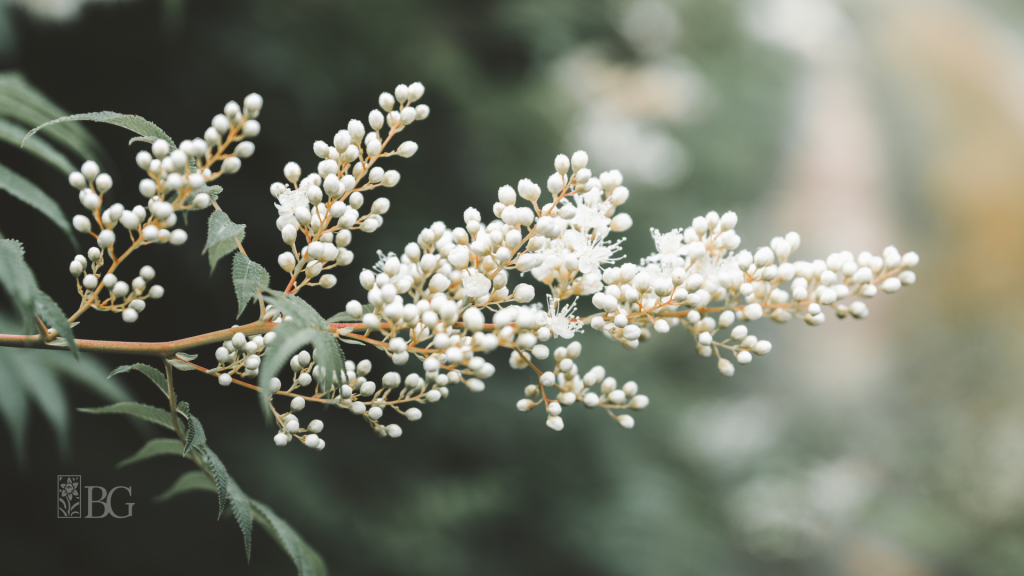
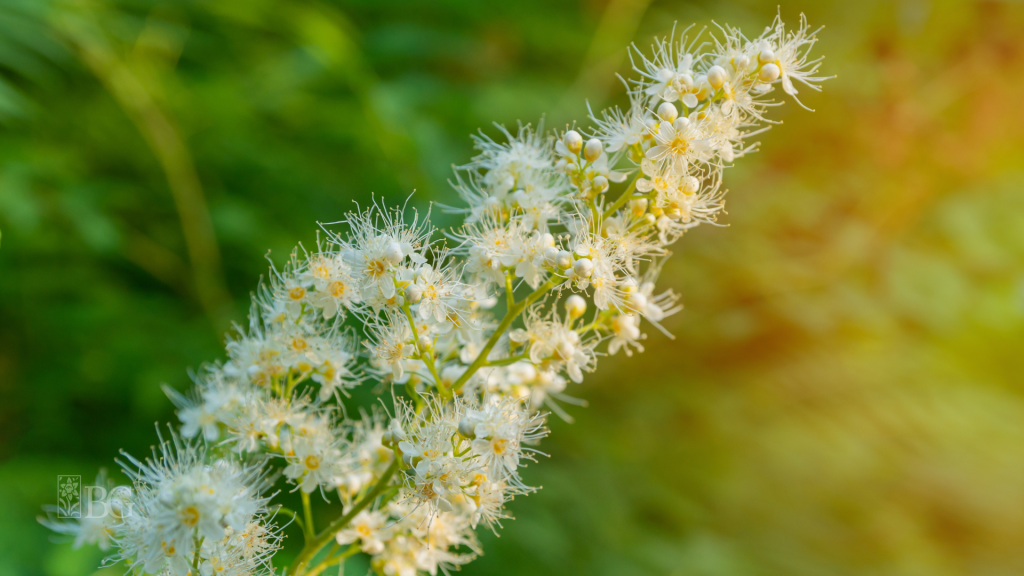
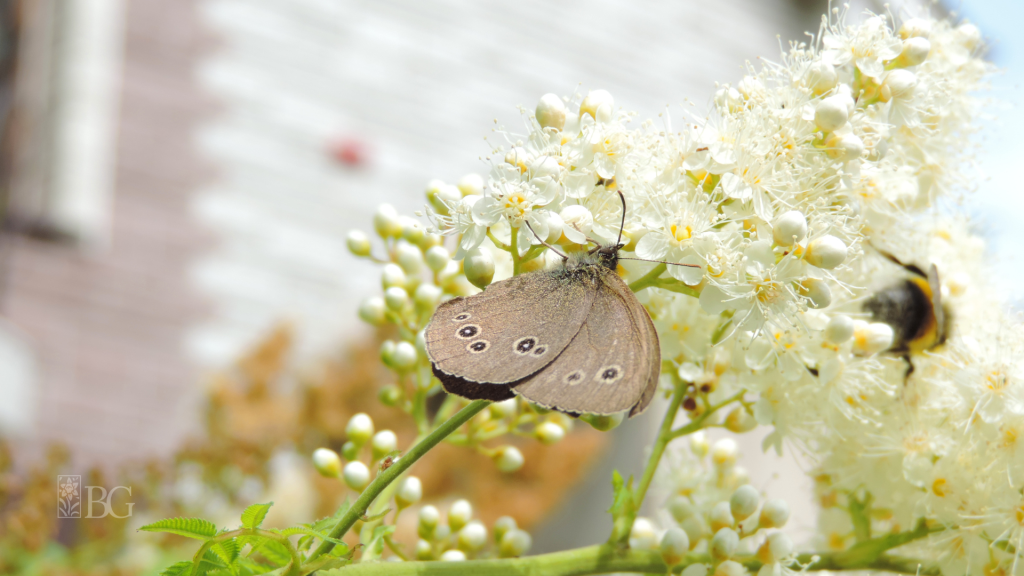
False spirea delivers a surge of fresh growth in spring, foamy white plumes in early summer, and fine, fern-like foliage right to frost. It’s a tough, wind-tolerant shrub that thrives in our cool, moist conditions and shrugs off winter. The catch: it suckers. Give it a defined boundary and a sensible pruning routine, and you’ll get a generous, low-maintenance mass of texture and seasonal interest without creep.
Quick Facts (at a glance)
- Botanical: Sorbaria sorbifolia (false spirea)
- Size: 1.5-2.5 m tall × 1.5-3 m wide (spreads via suckers)
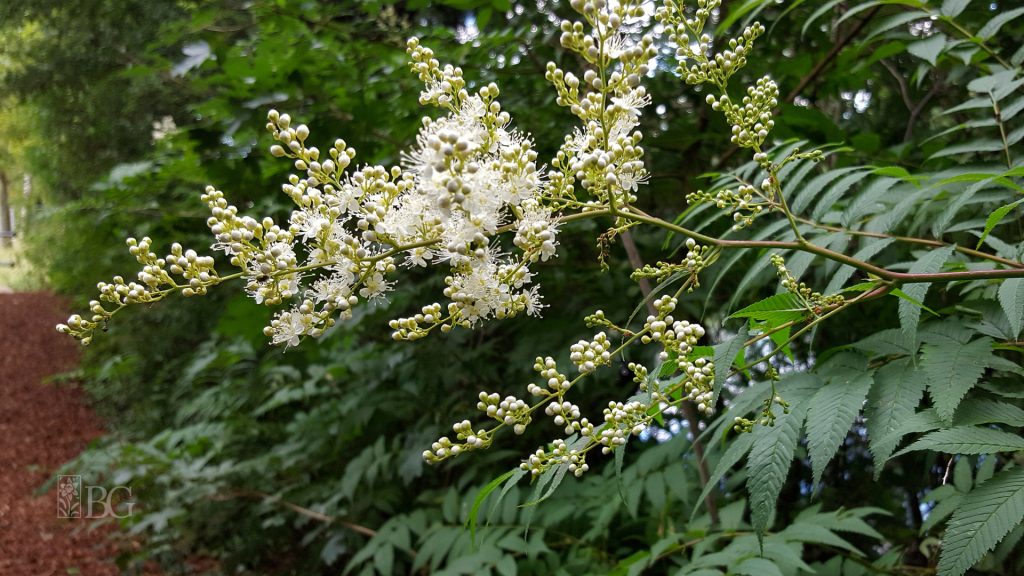
- Habit: Multi-stemmed, ferny foliage; upright with spreading thicket over time
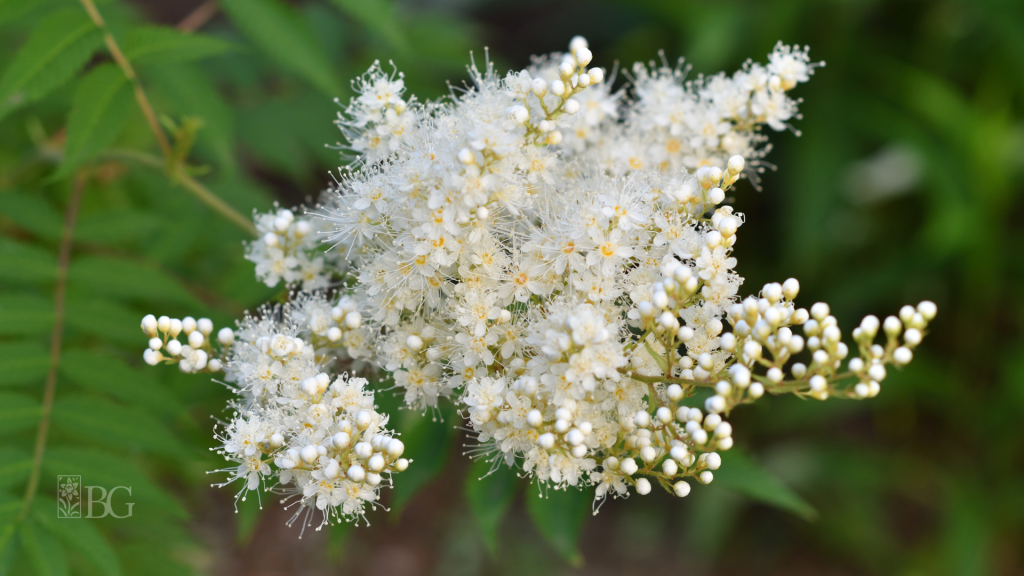
- Flowers: White, plume-like panicles (≈10-25 cm) in early-mid summer
- Sun: Full sun to part shade (best colour and bloom with ≥6 hours)
- Soil: Moist, well-drained; adapts to loam or clay; pH flexible
- Water: Moderate; appreciates moisture, tolerates short dry spells once established
- Hardiness: Roughly USDA Zone 2-7/8 (fully hardy here)
- Notes: Suckering shrub-plan for containment near paths, fences, and neighbours
Why False Spirea Works Here
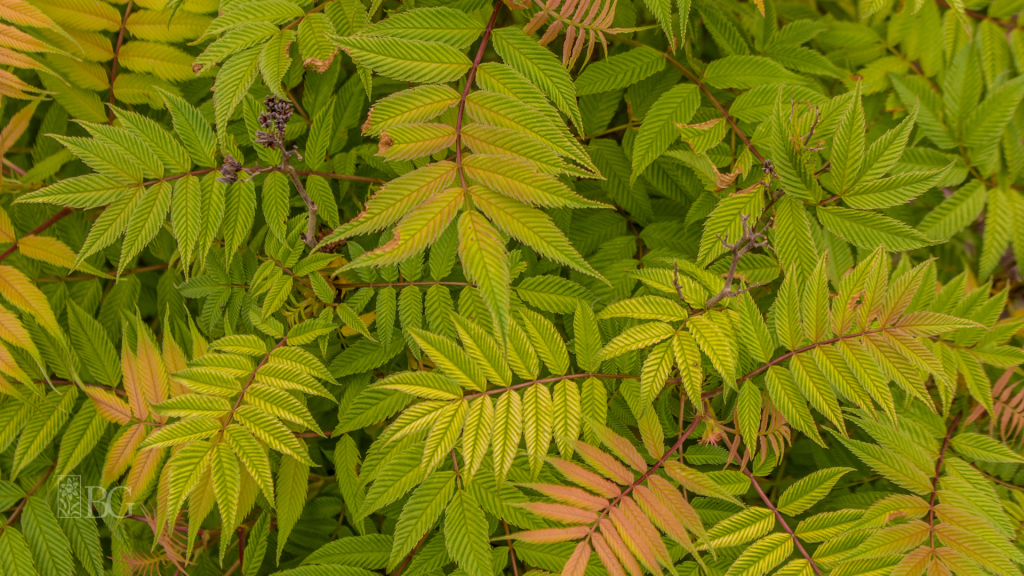
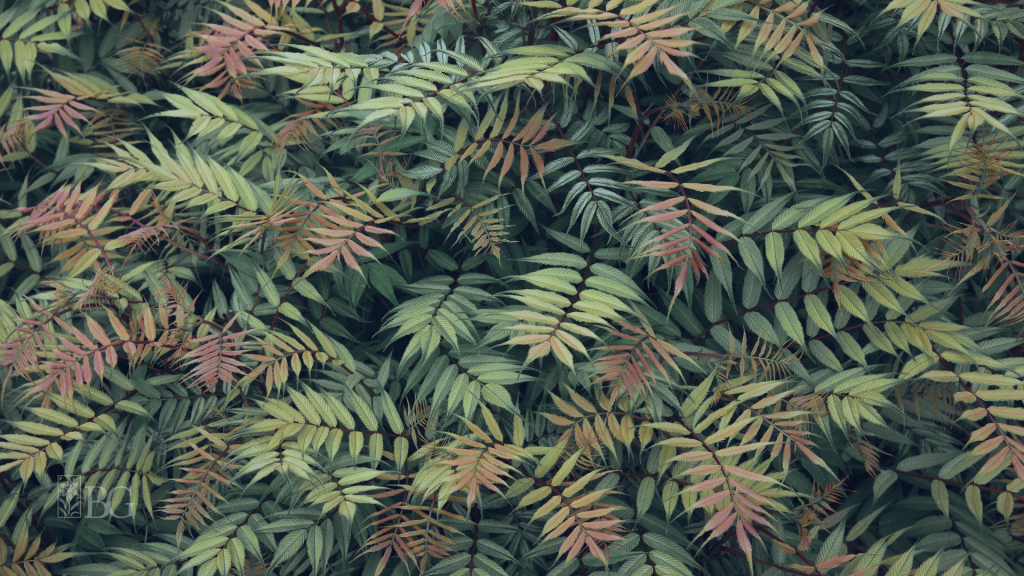
False spirea (Sorbaria sorbifolia) earns its keep in our coastal gardens with fern-like spring foliage, a flush of foamy white plumes in early summer, and a full, green backdrop that holds to frost. Cool nights, steady rain, and wind don’t faze it, and winter hardiness isn’t in doubt. The trade-off is suckering. Plan for that from day one, clear edges, sensible pruning, and a defined boundary, and you’ll have a generous, low-maintenance shrub that doesn’t run the show.
Site and Soil That Set the Tone
Give false spirea a sunny, open position for the fullest plumes and densest foliage; bright, open shade is serviceable but bloom is lighter. The root zone wants moisture that drains: compost-improved loam works well, but avoid boggy spots. In heavier patches, plant slightly high so winter wet sheds off the crown. A modest mulch (5-7 cm) keeps soil even and weeds down, just keep it off the stems.
Planting and Establishment
Plant in spring when the ground is workable or in early autumn with six to eight weeks before freeze-up. Set the crown level with surrounding soil, firm in, and water deeply to settle air pockets. Space shrubs 1.5-2.0 m from neighbours so light reaches the centre as they fill in. Where the bed meets lawn, path, or fence, sink a root barrier 30-45 cm deep around the planting area at install; it’s far easier than chasing runners later. First season, water when the top few centimetres dry; after that, regular rainfall usually carries it.
Water, Wind, and Feeding
Consistent moisture beats constant irrigation. In dry spells, one deep soak per week (about 25-30 mm) is more useful than frequent sips. Skip high-nitrogen fertiliser; an annual top-dress of compost is plenty and avoids lanky growth. Wind is an ally here: it keeps foliage dry and stems upright, and the shrub tolerates a touch of salt in the air if the soil isn’t bone-dry.
Pruning and Containment
Choose one approach and be consistent:
- Rejuvenation cut: Every one to three years, cut all stems to 20-30 cm in early spring. Expect even, fresh growth and a tidy mound through summer.
- Selective thinning: Each spring, remove the oldest one-third of stems at ground level and tip others after flowering to manage height without losing structure.
Containment is quick, monthly work in peak growth: slice off any runners that cross your edge and reset the line. If a shoot pops up where you don’t want it, follow it back and sever the rhizome with a spade.
Design Ideas and Cultivars
Treat false spirea as a backdrop, not a foreground diva. It anchors the rear of a mixed border, screens a view, or knits a slope while perennials play in front. Pair its fine texture with panicle hydrangeas, ninebark, Calamagrostis ‘Karl Foerster’, rudbeckia, and Japanese forest grass for contrast in mass and leaf.
- ‘Aurea’: Yellow-green foliage that lifts darker corners; happiest with morning sun and even moisture.
- ‘Sem’ (≈1.2-1.5 m): Compact, with pink-bronze spring growth fading to fresh green; easy to keep within bounds.
You can consult with our team at Bowering Gardens, lawn and garden experts in St. John’s, Newfoundland, to determine the best practices for your specific region and landscaping, or you can reach out to us below to get a quote so that we can take it off your hands entirely.
Please note that the information provided in this article is based on general guidelines. Specific care and conditions may vary for different varieties and individual gardens.
Frequently Asked Questions
Install a 30-45 cm deep metal or paver barrier at planting, then edge once a month in peak growth to clip any explorers.
Yes, though flower clusters are fuller in full sun. Morning sun with bright afternoon shade still performs well in St. John’s.
You can. A spring cut to 20-30 cm makes neat, even growth and is the simplest way to keep the clump compact.
Yes. It’s naturally wind-tough; keep soil moisture steady and it rides out coastal exposure.
No heavy feeding. A yearly compost top-dress is enough—extra nitrogen only pushes lanky growth and more suckers.
Remember, gardening is not only about nurturing plants but also about embracing the joy and wonder that nature brings. Happy gardening!
Posted on
Posted in Blog
