
Flower Friday – Forsythia
Forsythia Bushes: A Guide for Gardeners in St. John’s, Newfoundland
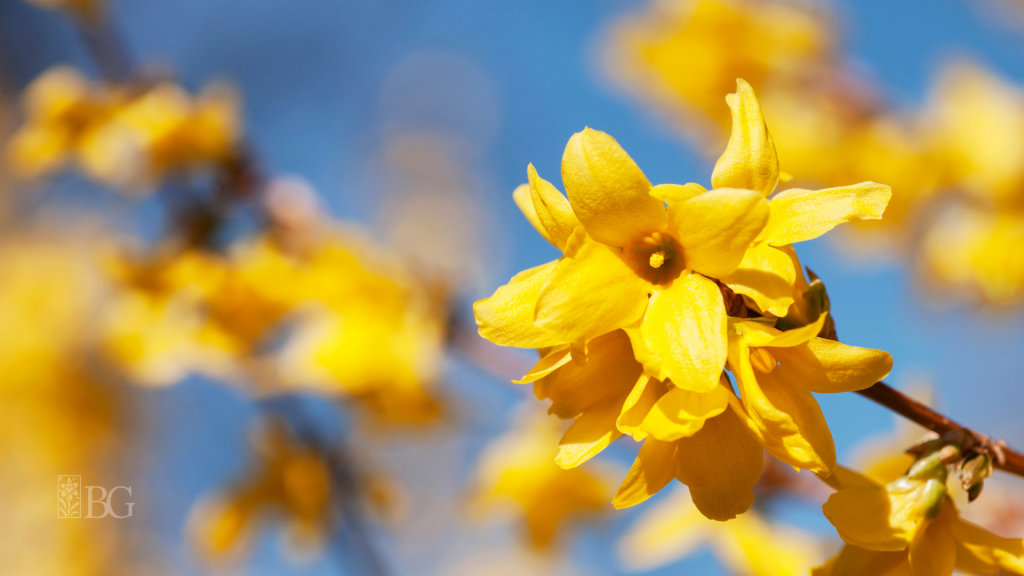
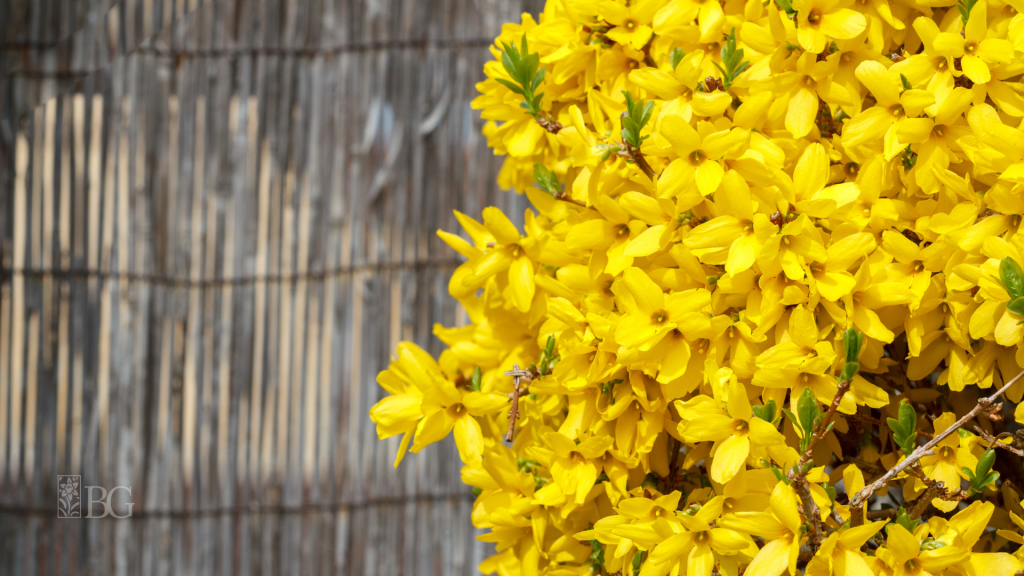
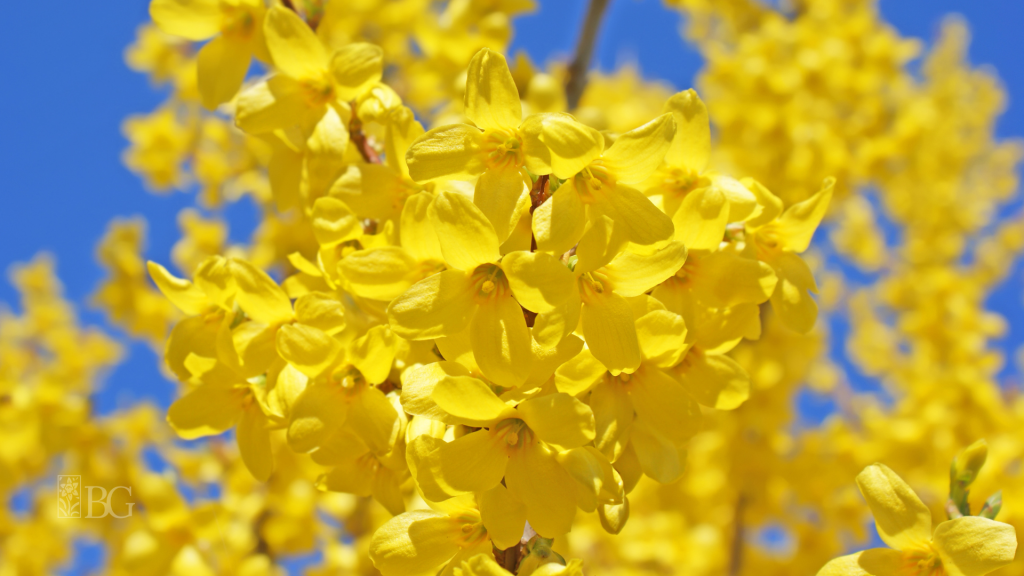
Forsythia bushes, known for their vibrant yellow blooms, are among the first to signal the arrival of spring in St. John’s. These deciduous shrubs not only add a splash of colour to gardens but also thrive in the local climate, making them a favourite among Newfoundland gardeners.
Understanding Forsythia
- Botanical Name: Forsythia spp.
- Common Names: Forsythia, Golden Bells
- Family: Oleaceae (Olive family)
- Plant Type: Deciduous Shrub
- Mature Size: 0.6 to 3 metres tall and wide
- Bloom Time: Early Spring
- Flower Colour: Bright Yellow
- Sun Exposure: Full Sun to Partial Shade
- Soil Type: Moist, Well-Drained Soil
- Soil pH: Neutral to Slightly Acidic
Planting Forsythia in Newfoundland
In St. John’s, the ideal time to plant Forsythia is during the dormant seasons—late fall or early spring. This allows the shrub to establish roots before the onset of active growth.
Planting Steps:
- Site Selection: Choose a location that receives at least six hours of sunlight daily.
- Soil Preparation: Ensure the soil is well-draining. If necessary, amend with compost to improve drainage.
- Digging the Hole: Excavate a hole twice as wide and as deep as the root ball.
- Planting: Place the shrub in the hole, ensuring the top of the root ball is level with the ground surface.
- Backfilling: Fill the hole with soil, gently firming it around the base.
- Watering: Water thoroughly to settle the soil and eliminate air pockets.
Caring for Forsythia
Forsythia shrubs are low-maintenance, but proper care ensures optimal blooming and health.
- Watering: While established Forsythias are drought-tolerant, regular watering during dry spells promotes vigorous growth.
- Fertilizing: Apply a balanced, slow-release fertilizer in early spring to support blooming.
- Mulching: Mulch around the base to retain moisture and suppress weeds, keeping mulch away from the trunk to prevent rot.
Pruning Forsythia
Pruning is essential to maintain the shape and encourage abundant flowering.
- Timing: Prune immediately after flowering in spring, as Forsythia blooms on old wood.
- Method: Remove up to one-third of the oldest stems at ground level to promote new growth.
- Rejuvenation: For overgrown shrubs, cut back all stems to about 10 cm above the ground in late winter or early spring.
Propagating Forsythia
Propagation allows gardeners to expand their Forsythia collection or share with others.
- Cuttings: Take 15 cm softwood cuttings in late spring or early summer. Dip the cut end in rooting hormone and plant in a mixture of sand and peat moss. Keep moist and in indirect sunlight until roots develop.
- Layering: Bend a low-growing branch to the ground, cover a portion with soil, and secure it. Once roots form, sever from the parent plant and transplant.
Forsythia Varieties Suitable for St. John’s
Selecting cold-hardy varieties ensures successful cultivation in Newfoundland’s climate.
- Forsythia × intermedia ‘Northern Gold’: Hardy to -34°C, reaching up to 2.5 metres tall.
- Forsythia ‘Meadowlark’: Tolerates temperatures down to -40°C, with a height of approximately 3 metres.
- Forsythia ‘Sunrise’: Compact variety growing up to 1.5 metres, ideal for smaller gardens.
Common Issues and Solutions
- Pests: Generally pest-resistant, but watch for aphids and scale insects.
- Diseases: Susceptible to twig blight; prune affected areas and ensure good air circulation.
- Poor Blooming: Often due to improper pruning or insufficient sunlight. Ensure pruning is done post-bloom and the plant receives adequate light.
Conclusion
Forsythia bushes are a vibrant addition to any garden in St. John’s, offering early spring colour and ease of care. By selecting appropriate varieties and following proper planting and maintenance practices, gardeners can enjoy the cheerful blooms year after year.
You can consult with our team at Bowering Gardens, lawn and garden experts in St. John’s, Newfoundland, to determine the best practices for your specific region and landscaping, or you can reach out to us below to get a quote so that we can take it off your hands entirely.
Please note that the information provided in this article is based on general guidelines. Specific care and conditions may vary for different varieties and individual gardens.
Frequently Asked Questions
The best time to plant Forsythia in Newfoundland, including St. John’s, is either in early spring (after the ground has thawed) or in late fall before the first hard frost. These cooler, dormant periods allow the shrub to establish strong roots without the stress of active growth. Avoid planting during hot summer months, as Forsythia may struggle to adapt to new soil in dry conditions.
To encourage more abundant blooming, plant your Forsythia in a sunny location with at least 6 hours of direct light daily. Use a balanced, slow-release fertilizer in early spring and prune immediately after flowering to promote vigorous growth on old wood, which is where next year’s flowers will form. Avoid late-season pruning, as it removes the buds needed for the following year.
Yes, Forsythia can survive winters in St. John’s, especially when cold-hardy cultivars like Forsythia ‘Northern Gold’ or Forsythia ‘Meadowlark’ are used. These varieties are bred to withstand temperatures well below freezing, down to -34°C or even -40°C. To protect young plants from harsh winter winds and freeze-thaw cycles, apply a thick layer of mulch at the base in late fall.
To prune an overgrown Forsythia in St. John’s, start by removing up to one-third of the oldest canes at ground level just after the shrub has finished flowering in spring. This rejuvenation technique improves airflow and light penetration. If the plant is severely overgrown, consider a hard prune in late winter, cutting all stems down to about 10 cm from the ground. The shrub will regrow vigorously by summer.
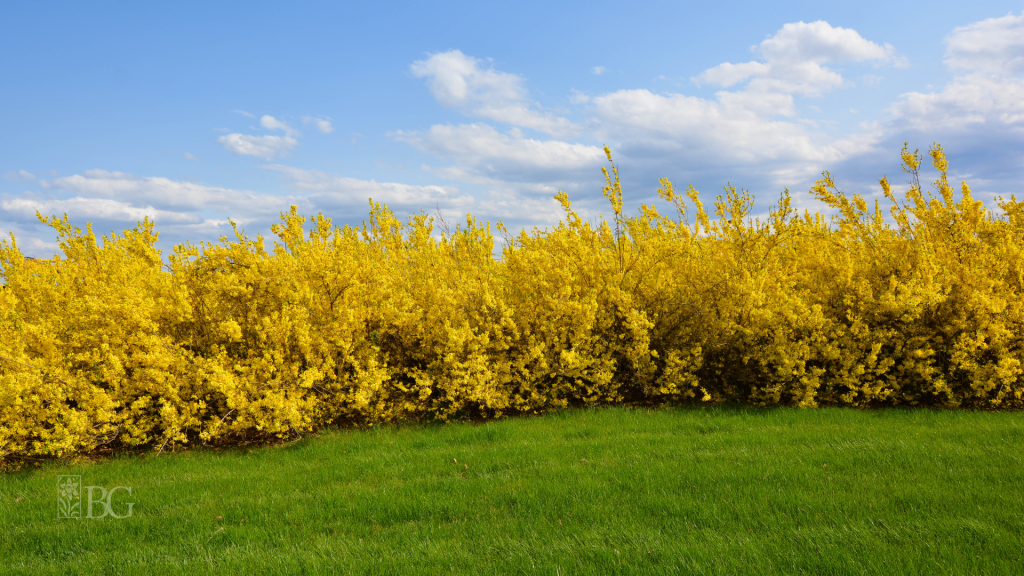
Yes, Forsythia makes an excellent flowering hedge in Newfoundland gardens due to its dense branching and fast growth. Space plants about 1 to 1.5 metres apart for an informal hedge or closer for a denser screen. Prune regularly after flowering to maintain shape and prevent the hedge from becoming unruly. Forsythia hedges provide both early spring colour and effective privacy.
Remember, gardening is not only about nurturing plants but also about embracing the joy and wonder that nature brings. Happy gardening!
Posted on
Posted in Blog
