
Flower Friday – Giant Allium (Globemaster)
Ornamental Onions in Newfoundland: Growing Allium ‘Globemaster’ in Climates Like St. John’s
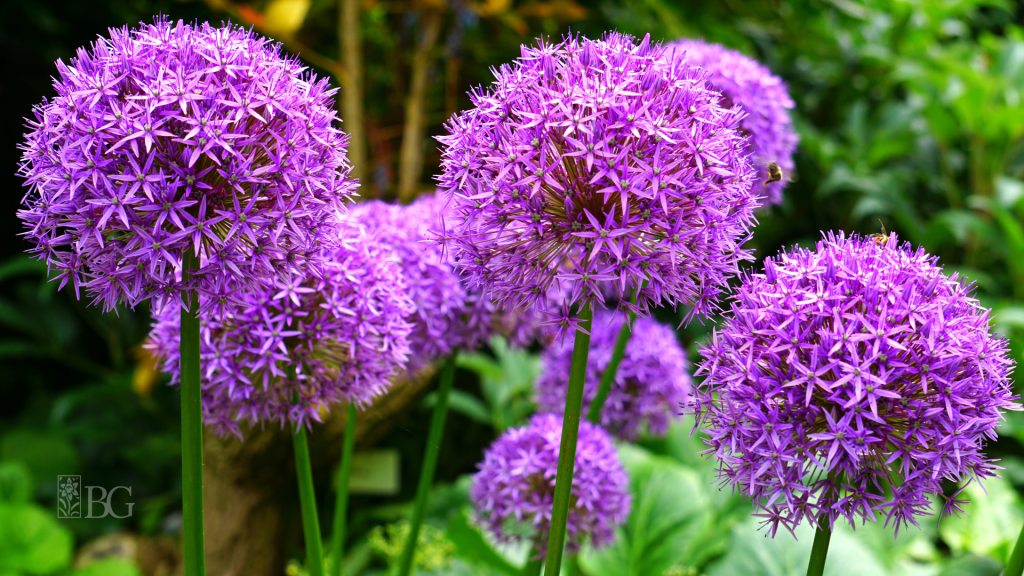
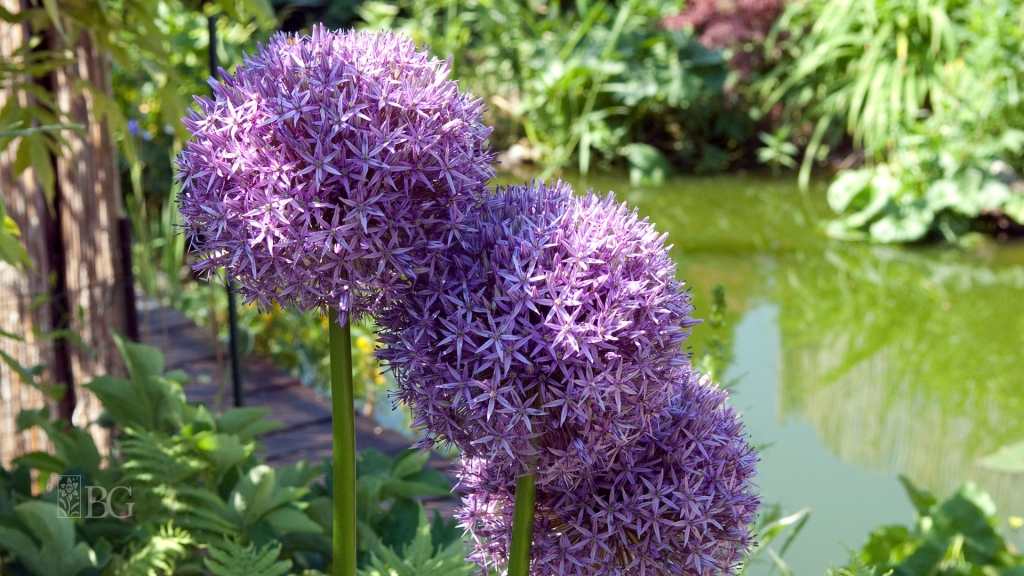
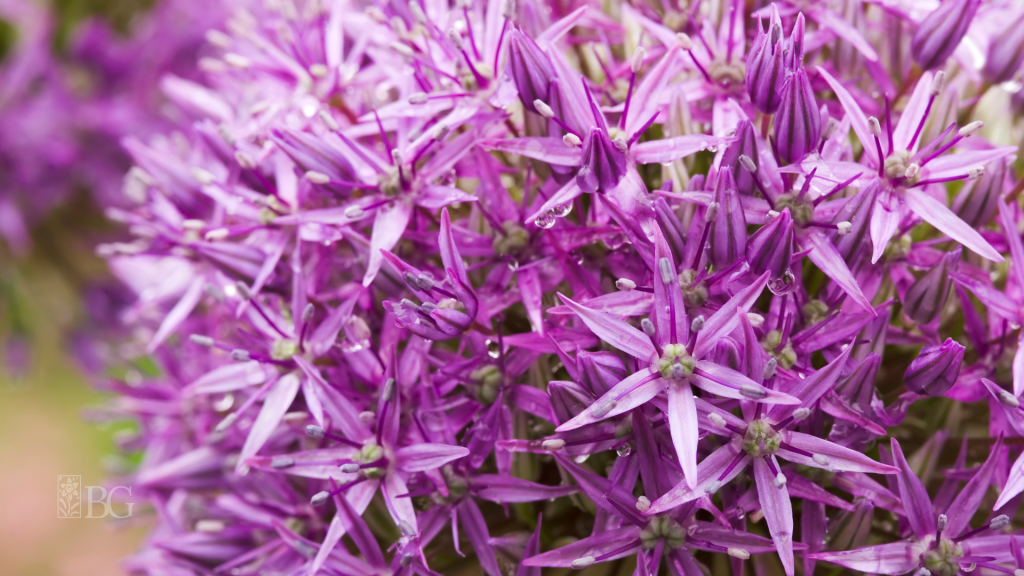
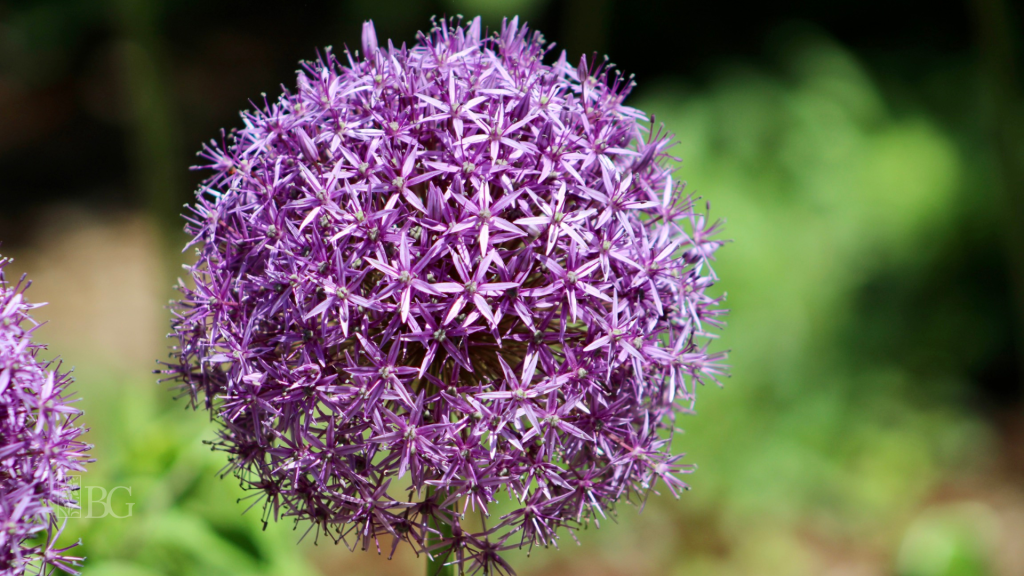
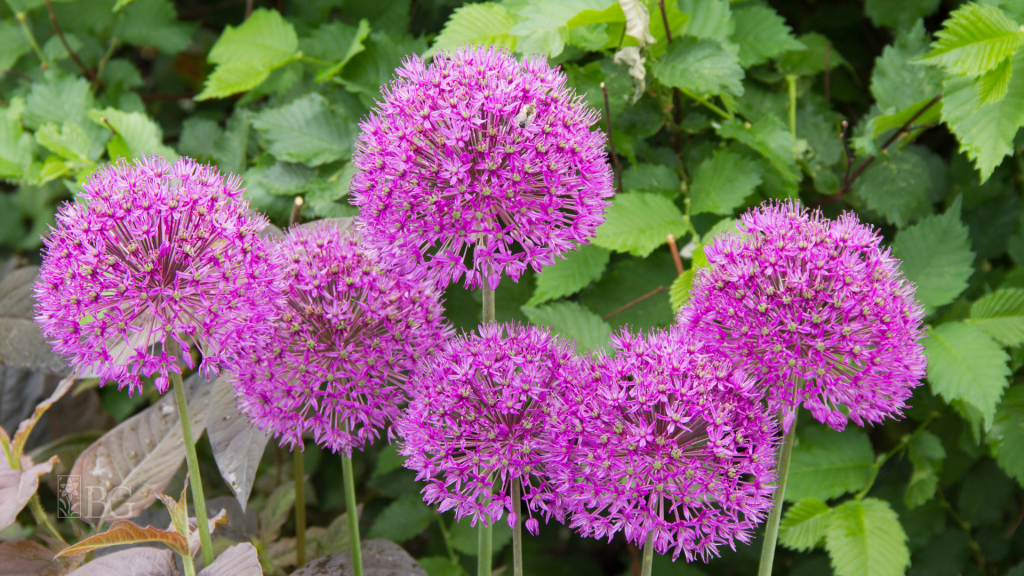
Allium ‘Globemaster’ is an award-winning ornamental onion prized for its enormous spherical flower heads, which can reach up to 20 cm in diameter. These globe-shaped clusters of tiny star-like flowers appear in late spring and early summer, adding bold architectural interest to borders and perennial beds. A sterile hybrid developed for its ornamental appeal rather than edibility, ‘Globemaster’ is both drought-tolerant and deer-resistant, making it a smart addition to gardens across Newfoundland.
With proper planting and care, ‘Globemaster’ thrives in the cool, moist conditions of St. John’s, bringing long-lasting structure and vibrant colour to local landscapes.
Plant Profile
- Botanical Name: Allium ‘Globemaster’
- Common Name: Globemaster ornamental onion
- Family: Amaryllidaceae
- Plant Type: Herbaceous bulb
- Height & Spread: 80 to 100 cm tall × 20 to 30 cm wide
- Bloom Time: Late spring to early summer
- Flower Colour: Bright violet-purple
- Hardiness Zones: USDA Zones 5 to 9 (marginal in Zone 4 with protection)
- Sunlight: Full sun
- Soil: Well-drained, moderately fertile, sandy or loamy
- Water Needs: Low once established
- Toxicity: Toxic to pets if ingested
Why Allium ‘Globemaster’ Works in St. John’s
Although marginal in terms of hardiness, Allium ‘Globemaster’ can be successfully grown in St. John’s (Zone 5b to 6a microclimates) with a few precautions. The bulb is naturally adapted to dry summers and cold winters, but well-drained soil is essential to prevent rot, especially during wet seasons typical of coastal Newfoundland. Selecting a protected site with plenty of sun and raised soil structure helps ensure winter survival.
‘Globemaster’ performs best in locations with good air circulation and low humidity, but gardeners in St. John’s can manage this by spacing plants well and avoiding heavy clay soils.
Planting Instructions
The ideal time to plant Allium ‘Globemaster’ is mid to late fall, after soil temperatures have cooled but before the ground freezes (typically late October in St. John’s).
- Site selection: Choose a location with full sun and sharp drainage. Raised beds or sloped borders are ideal.
- Soil preparation: Amend the planting site with grit or coarse sand and well-rotted compost to improve drainage and texture.
- Planting depth and spacing: Plant bulbs 15–20 cm deep and 20–30 cm apart. Plant pointy side up.
- Mulching: Apply a 7–10 cm layer of mulch after planting to insulate the bulbs over winter and reduce heaving caused by freeze-thaw cycles.
Care and Maintenance
Once established, Allium ‘Globemaster’ requires minimal attention:
- Watering: Water after planting and during dry spring spells, but do not overwater. These bulbs are drought-tolerant once established.
- Fertilizing: Use a balanced bulb fertilizer in early spring as growth begins. Avoid over-fertilizing, which can lead to floppy stems.
- Staking: Typically unnecessary, but exposed or windy sites may require light staking.
- Deadheading: Remove spent blooms if seed formation is not desired. However, the seed heads remain ornamental and can be left for visual interest.
- Foliage: The strappy leaves yellow and die back as the plant finishes flowering. Let them die back naturally before removing to allow the bulb to recharge.
Winter Considerations
While hardy to approximately -28°C, wet conditions pose a greater threat than cold in Newfoundland. To protect bulbs:
- Avoid low-lying areas where water pools in winter
- Ensure mulch is in place by late November
- Consider lifting and storing bulbs if you garden in an exposed or poorly drained location
Design Tips and Companion Plants
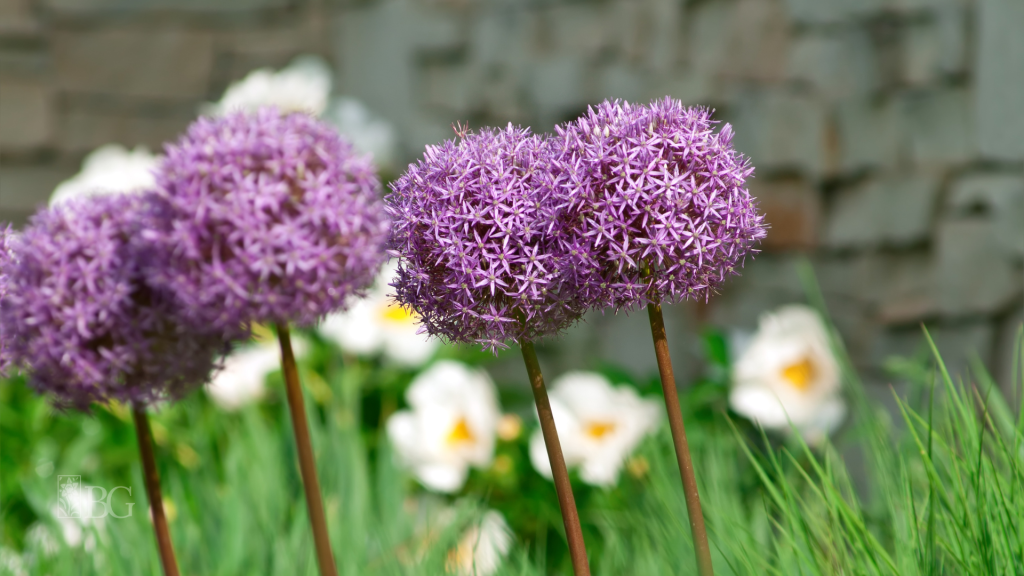
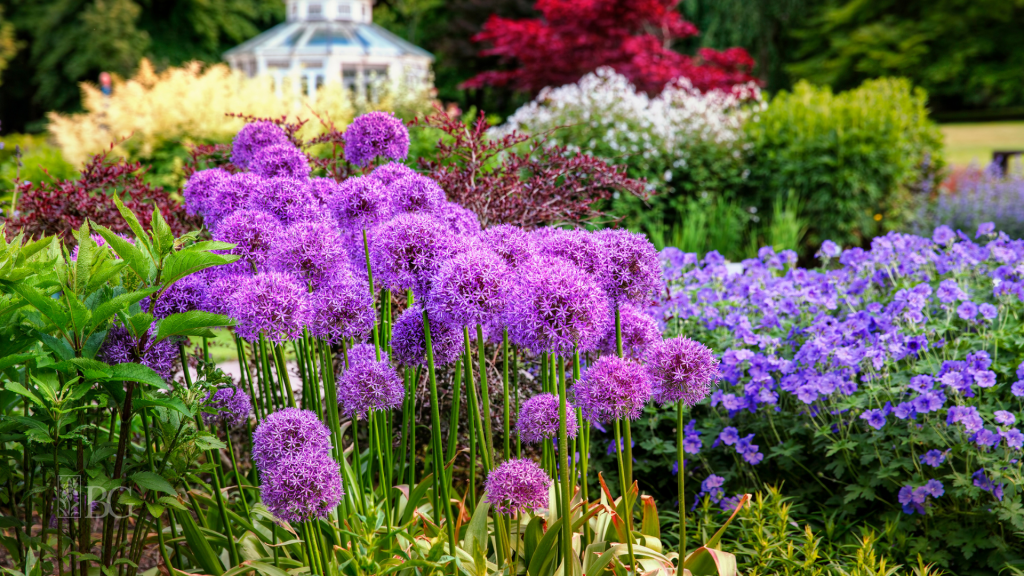
Allium ‘Globemaster’ makes a striking vertical accent when used in small groups or repeating drifts. It pairs well with:
- Catmint (Nepeta)
- Salvia
- Lady’s mantle (Alchemilla mollis)
- Peonies
- Ornamental grasses
These plants help mask the allium’s fading foliage and extend interest through the season. It also makes an excellent cut flower or dried flower, retaining its spherical form long after blooming.
You can consult with our team at Bowering Gardens, lawn and garden experts in St. John’s, Newfoundland, to determine the best practices for your specific region and landscaping, or you can reach out to us below to get a quote so that we can take it off your hands entirely.
Please note that the information provided in this article is based on general guidelines. Specific care and conditions may vary for different varieties and individual gardens.
Frequently Asked Questions
The best time is mid to late fall, about 3 to 4 weeks before the ground freezes. This allows time for root development before dormancy. In St. John’s, aim for late October.
Plant bulbs about 15 to 20 cm deep and 20 to 30 cm apart. Planting too shallow can reduce winter hardiness or cause the bulb to heave during freeze-thaw cycles.
Yes, with good drainage and a protective mulch layer. In coastal Newfoundland, choose a sunny, elevated site and avoid areas where water accumulates.
Blooms last 3 to 4 weeks in late spring to early summer. The dried seed heads can remain attractive for months if left on the plant.
No, all parts of ornamental onions are toxic to cats and dogs if ingested. Plant in locations inaccessible to pets and teach children not to handle unknown bulbs.
Remember, gardening is not only about nurturing plants but also about embracing the joy and wonder that nature brings. Happy gardening!
Posted on
Posted in Blog
