
Flower Friday – Heather (calluna vulgaris)

Planting and Caring for Calluna vulgaris (Common Heather) in St. John’s, Newfoundland
Calluna vulgaris, commonly known as heather or Scots heather, is an evergreen dwarf shrub that adds stunning beauty to gardens with its vibrant flowers and dense foliage. While native to Northern and Central Europe, this hardy plant can thrive in cooler climates like those found in St. John’s, Newfoundland. Its versatility as a ground cover or container plant, combined with low-maintenance requirements, makes it a popular choice among gardeners. In this article, we provide a detailed guide on how to plant, care for, and maintain Calluna vulgaris, ensuring it flourishes in your garden or patio.

Characteristics of Calluna vulgaris
Growth Habit and Appearance
Calluna vulgaris is a low-growing, evergreen shrub with a compact, upright growth habit. It typically reaches heights between 30 and 50 cm, making it suitable for small garden beds or as a ground cover. The shrub features narrow, needle-like leaves, often a vibrant green, although some varieties exhibit unique foliage colors, such as silvery-grey or bronze in winter.
Flowering Time and Colors
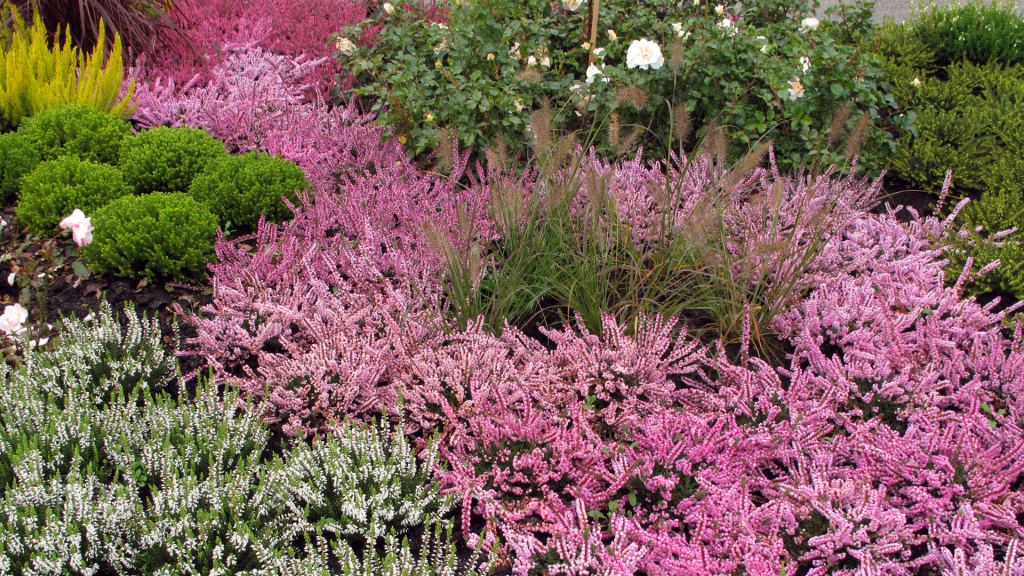
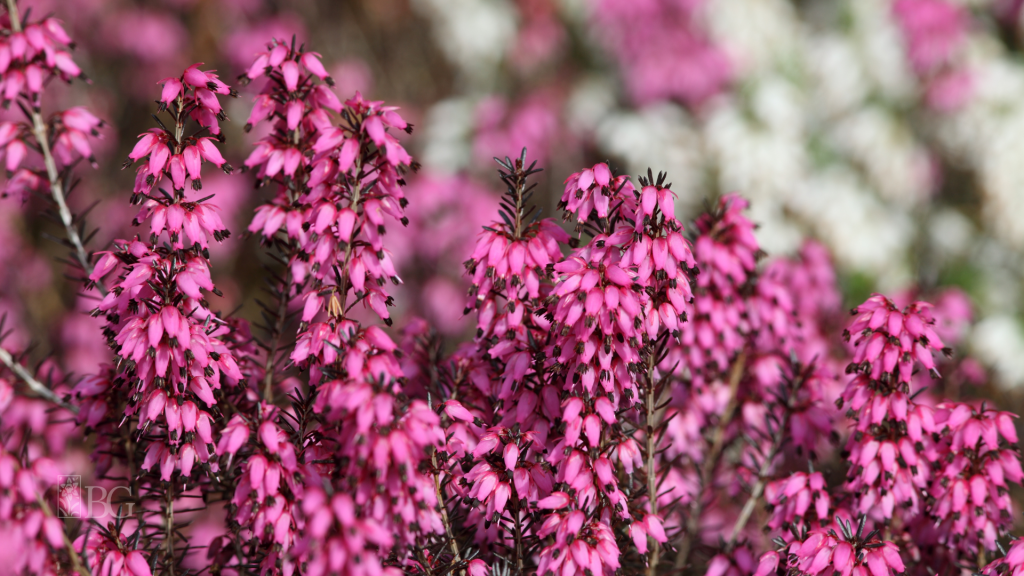
Heather is admired for its long flowering period, which typically extends from July to November, depending on the variety. The flowers range in color from soft pinks and lavenders to striking whites and purples, making it an eye-catching addition to any garden. Bud-blooming varieties of heather, such as those from the Garden Girls series, have unique flowers that never fully open, ensuring a longer-lasting display.
Environmental Benefits
Heather is a valuable plant for supporting local wildlife, particularly bees and butterflies. Its flowers are rich in nectar, attracting pollinators throughout its blooming season. However, some cultivated varieties, such as double-flowered heathers, may be less beneficial to bees due to their reduced nectar accessibility.

Top Varieties of Calluna vulgaris for St. John’s Gardens
Selecting the right variety of Calluna vulgaris is essential to match your garden’s aesthetics and conditions. Below are some of the best varieties for your St. John’s garden:
- Calluna vulgaris ‘Carmen’: Featuring double crimson flowers that bloom in late summer and early autumn, this variety reaches 30 to 40 cm in height. The dark green foliage contrasts beautifully with its vibrant blooms.
- Calluna vulgaris ‘Darkness’: Known for its deep purplish-pink flowers, this compact variety grows to 30 to 40 cm tall and blooms from July to October.
- Calluna vulgaris ‘Firefly’: This variety stands out due to its foliage, which transitions from red-brown in autumn to bright orange-red in winter. The dark pink flowers bloom from August to September, reaching heights of 45 to 50 cm.
- Calluna vulgaris ‘Kinlochruel’: With bright green foliage and white double flowers, ‘Kinlochruel’ is a low-growing variety that blooms between August and October, reaching 25 cm in height.
- Calluna vulgaris ‘Silver Knight’: Known for its silvery-grey foliage that turns purple in winter, this variety blooms from August to September with lavender-purple flowers and can grow up to 40 cm tall.
Planting Calluna vulgaris in St. John’s
When to Plant
In St. John’s, the best time to plant Calluna vulgaris is during spring (April to June). Planting during this period allows the shrub to establish its roots before the onset of colder weather, ensuring its resilience through the winter months.
Ideal Location and Soil Requirements
Heather thrives in sunny or semi-shaded areas. It prefers well-draining, acidic soil with a pH between 4.5 and 5.5, which can be achieved by mixing sandy soil with organic matter. In Newfoundland, where soils may be more clayey, amend the ground with coarse sand or organic ericaceous compost to ensure proper drainage and acidity. Heather does not tolerate waterlogged soil, so ensure that your planting area is well-draining.
Planting Instructions
When planting heather, space each plant about 20 cm apart to create a dense ground cover effect. This spacing allows the plants to spread out and form a beautiful carpet of flowers over time. Before planting, loosen the root ball of the heather plant to encourage root growth. After planting, water the plants thoroughly with rainwater, which is lime-free and ideal for acid-loving plants like heather.
Planting in Containers
Heather also thrives in containers on patios and balconies. When growing in pots, choose a well-draining mix of two-thirds acidic soil and one-third perlite or expanded clay. Make sure to select a pot that allows for 20 cm spacing between plants and provides enough room for root growth. Regularly check the moisture level of the potting soil and avoid allowing it to dry out completely.

Caring for Calluna vulgaris
Watering
Newly planted Calluna vulgaris requires regular watering for the first 18 months to establish a strong root system. Use rainwater whenever possible, as heather prefers lime-free water. After the initial establishment period, the plant is fairly drought-tolerant but may need additional water during dry spells, especially when grown in containers.
Fertilising
Heather is not a heavy feeder. If planted in fertile soil, it usually does not require additional fertilisation. However, an annual mulch with well-rotted leaf mould can help maintain soil health. For heathers planted in containers, a slow-release, acid-loving plant fertiliser, such as ericaceous fertiliser, applied in early spring, will provide the necessary nutrients for robust growth.
Pruning Heather
Pruning is essential to maintain the plant’s shape and promote new growth. In early spring (March to April), prune back last year’s growth by about half. This stimulates the plant to produce more blooms in the following season. Pruning is straightforward and can be done with garden shears or hedge trimmers for larger areas.
Heather in Winter
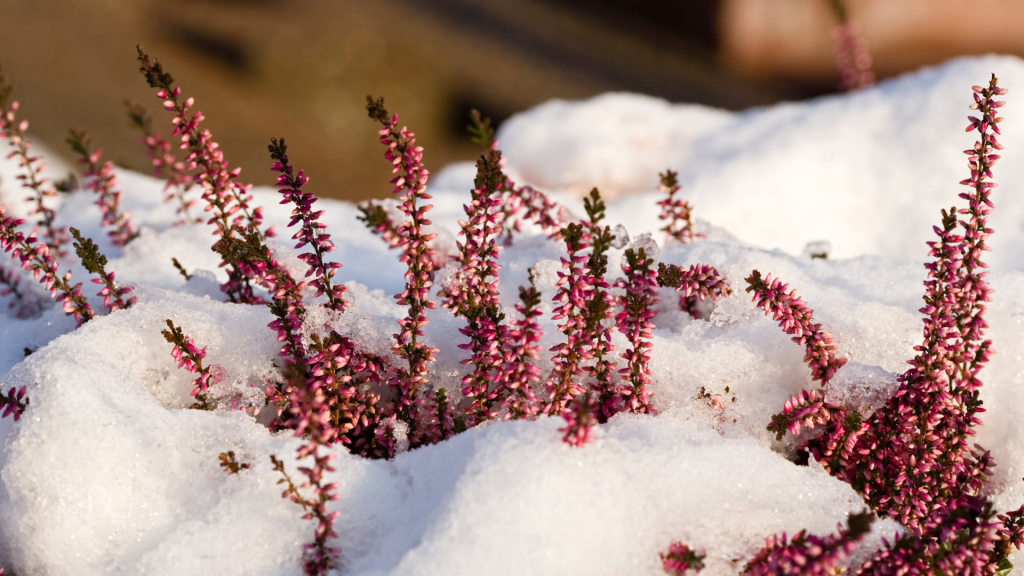
Calluna vulgaris is exceptionally hardy and can withstand temperatures below -20°C, making it well-suited to Newfoundland’s winters. However, young plants may need extra protection during their first winter. Mulching around the base of the plant helps insulate the roots and prevent frost damage. Once established, heather is largely self-sufficient through the colder months, requiring little care.
Propagating Calluna vulgaris
Propagating heather through layering is a simple and effective method. In autumn, select a healthy shoot, press it into the soil, and cover it lightly with soil. Secure the shoot with a small weight to ensure soil contact. By the following autumn, roots should have formed, and you can cut the new plant away from the parent. Transplant the new plant to a desired location in your garden.

Uses of Calluna vulgaris
Beyond its ornamental beauty, heather has historical medicinal uses. In the 19th century, it was used to treat respiratory and urinary tract issues, and its anti-inflammatory properties made it useful for alleviating skin irritations. Today, it is mainly used to produce heather honey, a rich and flavorful type of honey highly prized by beekeepers.
Is Calluna vulgaris Poisonous?
Calluna vulgaris is non-toxic to humans, dogs, and cats. Its flowers and leaves are safe for households with pets, making it an excellent choice for gardens without concerns about toxicity.
Conclusion
Calluna vulgaris offers an exceptional combination of beauty, hardiness, and wildlife value, making it a must-have in gardens across St. John’s. With the right planting location, soil conditions, and a little care, this versatile shrub will thrive year after year, providing an ever-changing display of color and texture from summer through winter.
You can consult with our team at Bowering Gardens, lawn and garden experts in St. John’s, Newfoundland, to determine the best practices for your specific region and landscaping, or you can reach out to us below to get a quote so that we can take it off your hands entirely.
Please note that the information provided in this article is based on general guidelines. Specific care and conditions may vary for different varieties and individual gardens.
Frequently Asked Questions
The ideal time to plant Calluna vulgaris in St. John’s is during the spring, from April to June. Planting during this period gives the shrub enough time to establish its root system before the cold Newfoundland winter. By allowing the heather to settle in during the milder weather, you enhance its chances of thriving in the harsher climate, ensuring a healthy bloom the following summer and autumn.
Calluna vulgaris thrives in acidic, well-draining soil, which can be a challenge in areas with dense clay soil. To prepare your soil in St. John’s for optimal heather growth, you’ll need to amend it by mixing coarse sand or an organic ericaceous compost to improve drainage and lower the pH level. Heather prefers a soil pH of 4.5 to 5.5. If necessary, test your soil’s pH and adjust accordingly with amendments to create the ideal acidic conditions for heather to flourish.
Yes, Calluna vulgaris grows well in containers and can be an excellent choice for patios or balconies in Newfoundland. When planting in a pot, use a mixture of two-thirds acidic soil and one-third perlite or crushed expanded clay to ensure good drainage. Choose a pot that provides enough space for the roots and plants to grow with at least 20 cm spacing between them. Water regularly, especially during dry spells, and make sure the soil stays moderately moist but not waterlogged. Container heathers benefit from an annual feeding with an ericaceous fertiliser in spring to maintain healthy growth.
For the first 18 months after planting, Calluna vulgaris should be watered regularly to help it establish a strong root system. Using rainwater is ideal, as it is lime-free and supports the acidic soil conditions heather requires. Once established, the plant is drought-tolerant and will only need watering during prolonged dry spells. If planted in fertile soil, heather typically does not require fertilisation. However, for container-grown heathers, an annual application of ericaceous fertiliser in early spring will help provide essential nutrients for robust growth.
Yes, Calluna vulgaris is extremely hardy and well-suited to Newfoundland’s cold winters. It can withstand temperatures as low as -20°C, making it ideal for the region’s climate. For newly planted heathers, however, it is recommended to mulch around the base of the plant before their first winter to provide additional protection while they establish. Once mature, heather will generally survive winters in St. John’s without any special care, maintaining its evergreen appearance throughout the cold months.
Remember, gardening is not only about nurturing plants but also about embracing the joy and wonder that nature brings. Happy gardening!
Posted on
Posted in Blog
