
Flower Friday – Hellebores, The Winter Rose
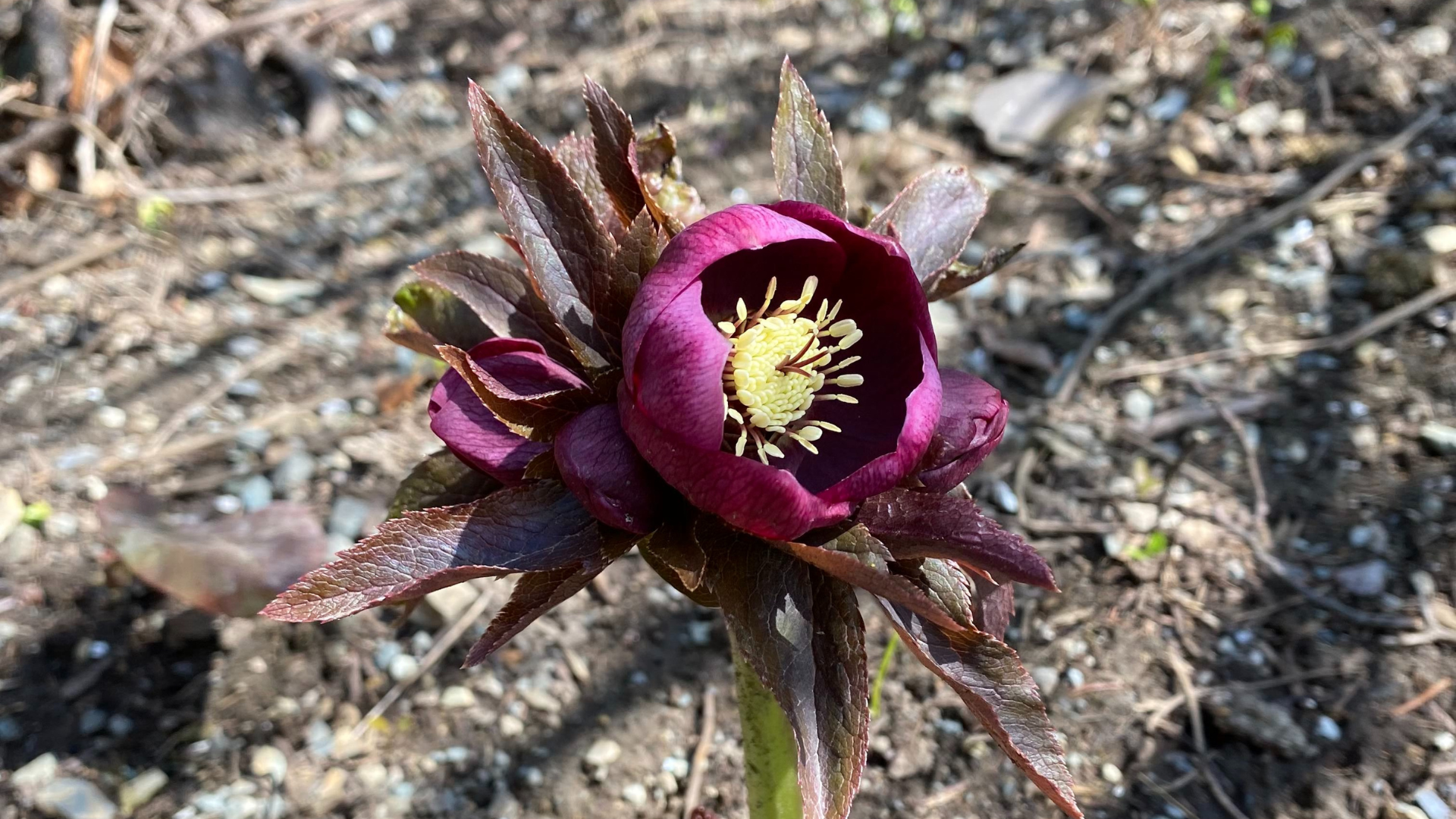
Hellebores: The Flower That Blooms in the Winter, Even in Newfoundland
Winter can often seem like a desolate time for gardeners, with most plants retreating into dormancy until the warmth of spring returns. However, amidst the frost and snow, there exists a resilient beauty – the hellebores. Hellebores are a group of flowering plants known for their ability to bloom during the winter months, defying the cold and bringing life to the garden when it’s needed most. In this article, we’ll explore the world of hellebores, from their characteristics and cultivation to their significance, especially in regions like Newfoundland.
Introduction to Hellebores
What are Hellebores?
Hellebores, also known as Lenten roses or Christmas roses, are perennial plants belonging to the genus Helleborus. They are native to Europe and Asia and have been cultivated for centuries for their ornamental value.
Importance of Hellebores
Hellebores hold significant importance in the gardening world, particularly for their ability to bloom during the winter months. They provide much-needed color and interest to gardens when other plants are dormant, making them a valuable addition to any landscape.
Characteristics of Hellebores
Appearance
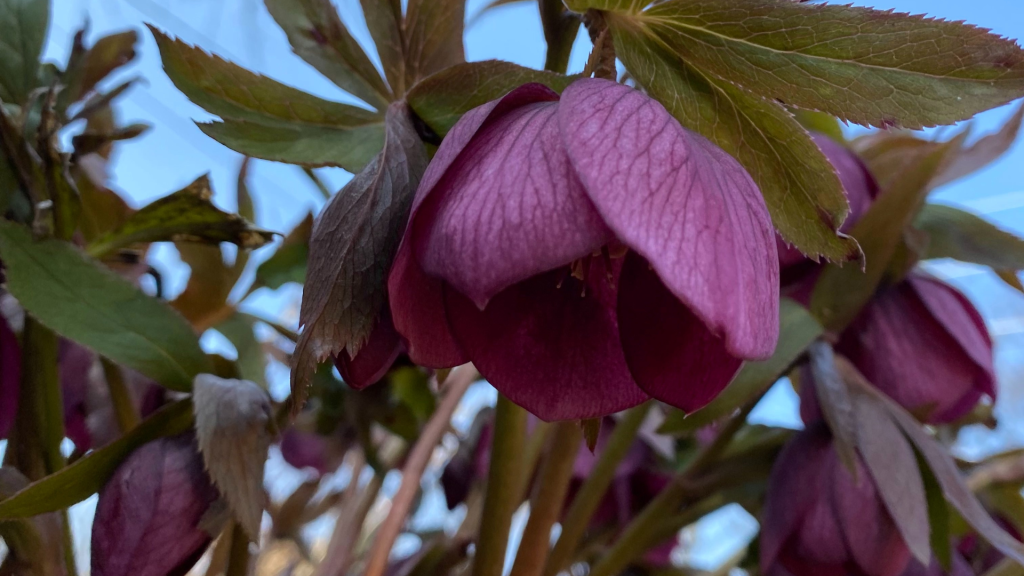
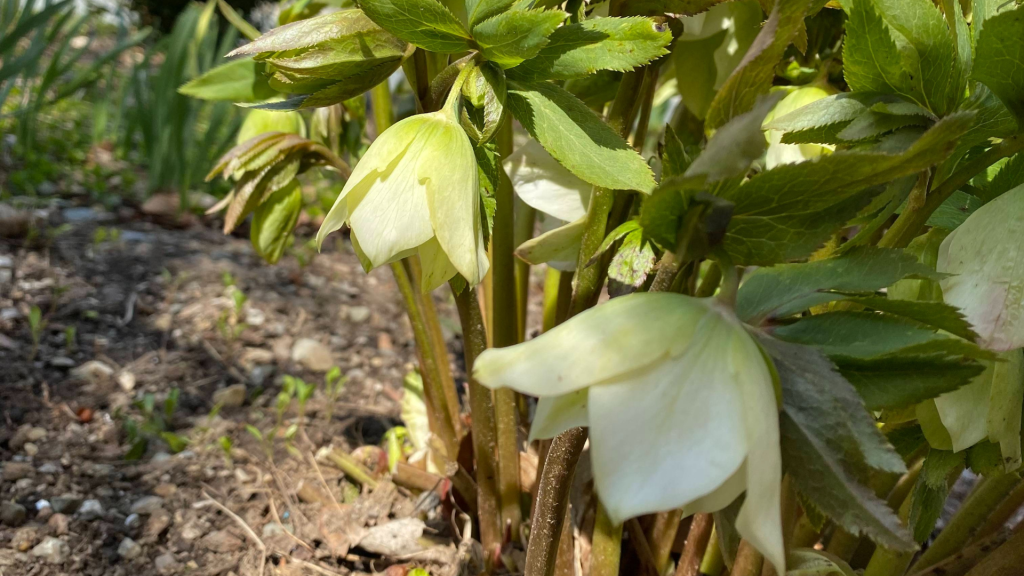
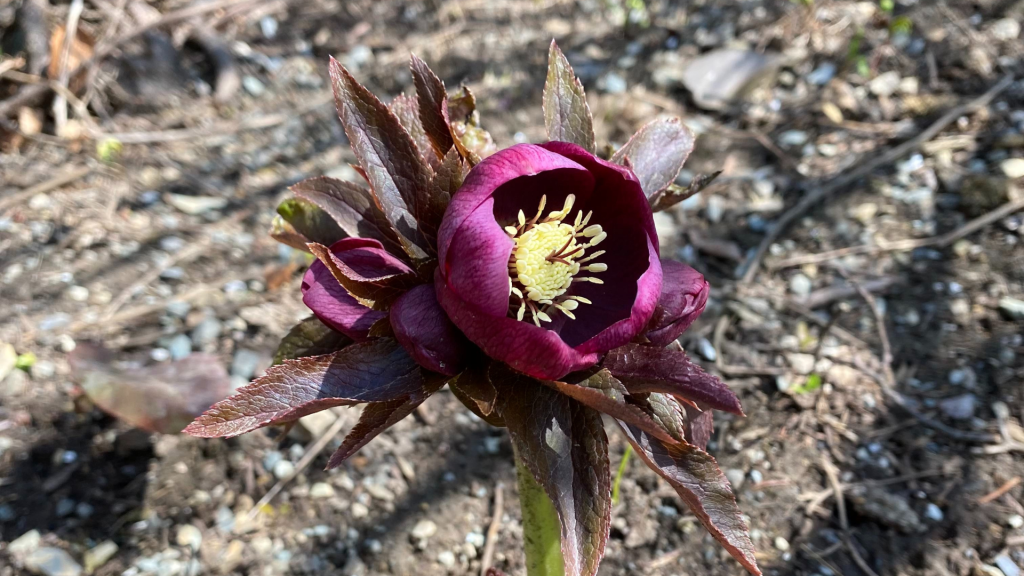
Hellebores are known for their elegant, nodding flowers, which come in a range of colors including white, pink, purple, and green. These flowers often have a delicate pattern of veining, adding to their allure. The foliage of hellebores is typically glossy and evergreen, providing year-round interest in the garden.
Varieties
There are numerous species and hybrids of hellebores available to gardeners, each with its own unique characteristics. Some popular varieties include the Christmas rose (Helleborus niger), the Lenten rose (Helleborus orientalis), and the Corsican hellebore (Helleborus argutifolius).
Cultivation of Hellebores
Hellebores thrives in partial shade to shade, making it an ideal choice for gardens with dappled sunlight or shaded areas. While it prefers average to evenly moist conditions, it is crucial to avoid standing water to prevent root rot. This resilient plant is not particular about soil pH but performs best in rich, well-draining soils.
As a relatively low-maintenance plant, Hellebores requires minimal care. Simply prune it back in late fall to prepare for winter, ensuring a tidy appearance and promoting healthy growth in the upcoming seasons. Additionally, this perennial is deer-resistant, sparing you the hassle of dealing with unwanted garden visitors.
Growing Conditions
Hellebores thrive in partial shade to full shade, making them ideal for planting under trees or in woodland gardens. They prefer moist, well-draining soil rich in organic matter.
Planting Hellebores
When planting hellebores, it’s essential to choose a location with the right light and soil conditions. Plant them at the same depth as they were in their pots and water thoroughly after planting to help establish their roots.
Maintenance
Hellebores are relatively low-maintenance plants, requiring minimal care once established. Deadheading spent flowers and removing any damaged foliage can help promote new growth and keep the plants looking tidy.
Benefits of Hellebores
Ornamental Value
One of the primary benefits of hellebores is their ornamental value. Their beautiful flowers brighten up the winter garden, providing much-needed color and interest during the colder months.
Wildlife Attraction
Hellebores also attract pollinators such as bees and butterflies, making them beneficial for local ecosystems. Their early bloom time provides a vital food source for these insects when other flowers are scarce.
Medicinal Uses
In addition to their ornamental value, some species of hellebores have medicinal properties. However, it’s essential to use caution when handling these plants, as they can be toxic if ingested.
Landscape Applications for Hellebores
Versatility is one of the key attributes of hellebores, making it suitable for various landscape applications:
- Mass Planting: Create stunning visual displays by planting hellebores in large groups, allowing its vibrant blooms to steal the spotlight.
- Rock/Alpine Gardens: Enhance the charm of rock gardens or alpine landscapes with the graceful presence of hellebores.
- Border Edging: Define borders and pathways with the exquisite foliage and flowers of this perennial beauty.
- General Garden Use: Incorporate hellebores into mixed garden beds to add year-round interest and texture.
- Naturalizing and Woodland Gardens: Bring a touch of woodland magic to your garden with the naturalizing ability of hellebores, effortlessly blending into its surroundings.

Considerations with Hellebores
While hellebores are a stunning addition to any garden, it’s essential to be mindful of certain considerations:
- Toxicity: As an interspecific hybrid, parts of hellebores are known to be toxic to humans and animals. Exercise caution when planting it around children and pets, and avoid ingestion or contact with the sap.
- Propagation: hellebores can be propagated by division. However, as a cultivated variety, there may be restrictions or prohibitions on propagation in certain regions.
Challenges of Hellebores
Pests and Diseases
While generally resistant to pests and diseases, hellebores can occasionally suffer from issues such as aphids, slugs, and fungal diseases. Regular monitoring and appropriate treatment can help prevent these problems.
Environmental Factors
Extreme cold or wet conditions can sometimes cause issues for hellebores, particularly in regions with harsh winters. Providing adequate mulch and protection can help mitigate these challenges.
Hellebores in Newfoundland
Adaptability
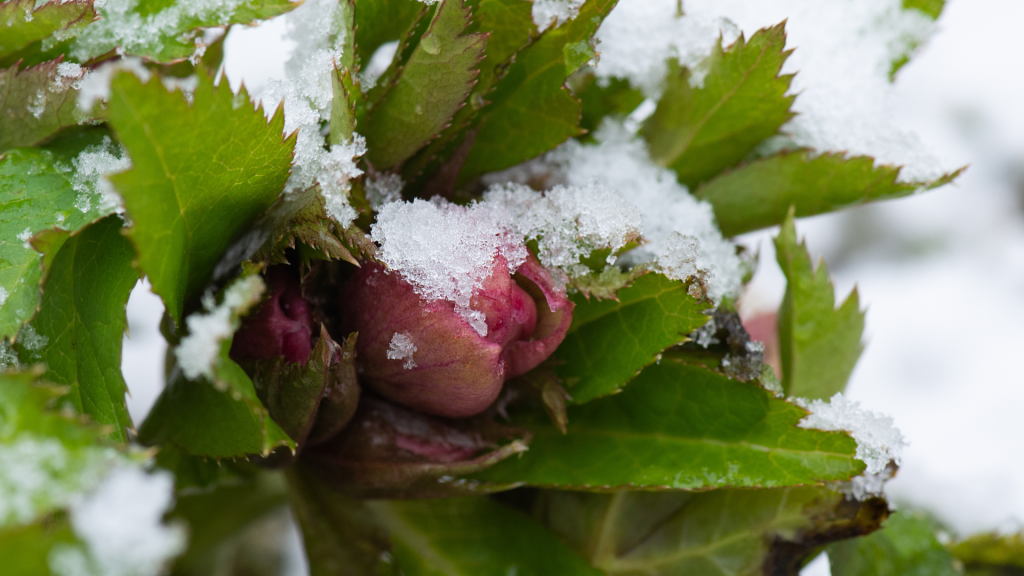
Despite Newfoundland’s harsh winters, hellebores can thrive in this challenging environment with the right care and attention. Their ability to bloom during the winter months makes them a valuable addition to gardens in this region.
Popular Varieties
Some hellebore varieties are particularly well-suited to Newfoundland’s climate, including the Christmas rose (Helleborus niger) and the Lenten rose (Helleborus orientalis). These varieties offer gardeners a reliable way to add color and interest to their winter landscapes.
Conclusion
In conclusion, hellebores are truly remarkable plants that bring beauty and resilience to the winter garden. From their elegant flowers to their adaptability in challenging climates, they offer numerous benefits to gardeners, including those in regions like Newfoundland. By understanding their characteristics and cultivation needs, gardeners can enjoy the beauty of hellebores year after year, even in the depths of winter.
You can consult with our team at Bowering Gardens, lawn and garden experts in St. John’s, Newfoundland, to determine the best practices for your specific region and landscaping, or you can reach out to us below to get a quote so that we can take it off your hands entirely.
Please note that the information provided in this article is based on general guidelines. Specific care and conditions may vary for different varieties and individual gardens.
Frequently Asked Questions
While hellebores prefer partial to full shade, they can tolerate some morning sun in cooler climates.
Yes, hellebores are generally pest-resistant due to their toxic properties, making them a good choice for pest-prone areas.
Hellebores benefit from a light application of fertilizer in early spring before they start actively growing.
Yes, hellebores can be divided in early spring or late summer to propagate new plants or rejuvenate established ones.
Yes, hellebores can be grown in containers, provided they have adequate drainage and are planted in a suitable potting mix.
Remember, gardening is not only about nurturing plants but also about embracing the joy and wonder that nature brings. Happy gardening!
Posted on
Posted in Blog
