
Flower Friday – Hydrangea Macrophylla
The Ultimate Guide to Bigleaf Hydrangeas: Everything You Need to Know
Bigleaf hydrangeas (Hydrangea macrophylla) are a favourite choice for garden enthusiasts and landscape designers, celebrated for their large, vibrant flower heads and versatile growth habits. This comprehensive guide will delve into the essentials of growing, caring for, and using bigleaf hydrangeas in your garden.
Overview of Bigleaf Hydrangeas
Botanical Details
- Scientific Name: Hydrangea macrophylla
- Zones: Hardy in USDA zones 6-9; some varieties can withstand zones 4-5 with winter protection.
- Size: Can grow from 1 to 10 feet (30 cm to 3 m) tall and 2 to 10 feet (60 cm to 3 m) wide, depending on the variety.
- Exposure: Thrives in full sun to partial shade. Optimal growth occurs with morning sun and some afternoon shade.
- Bloom Time: From early summer to fall, varying by variety.
Growth Habit and Flowers
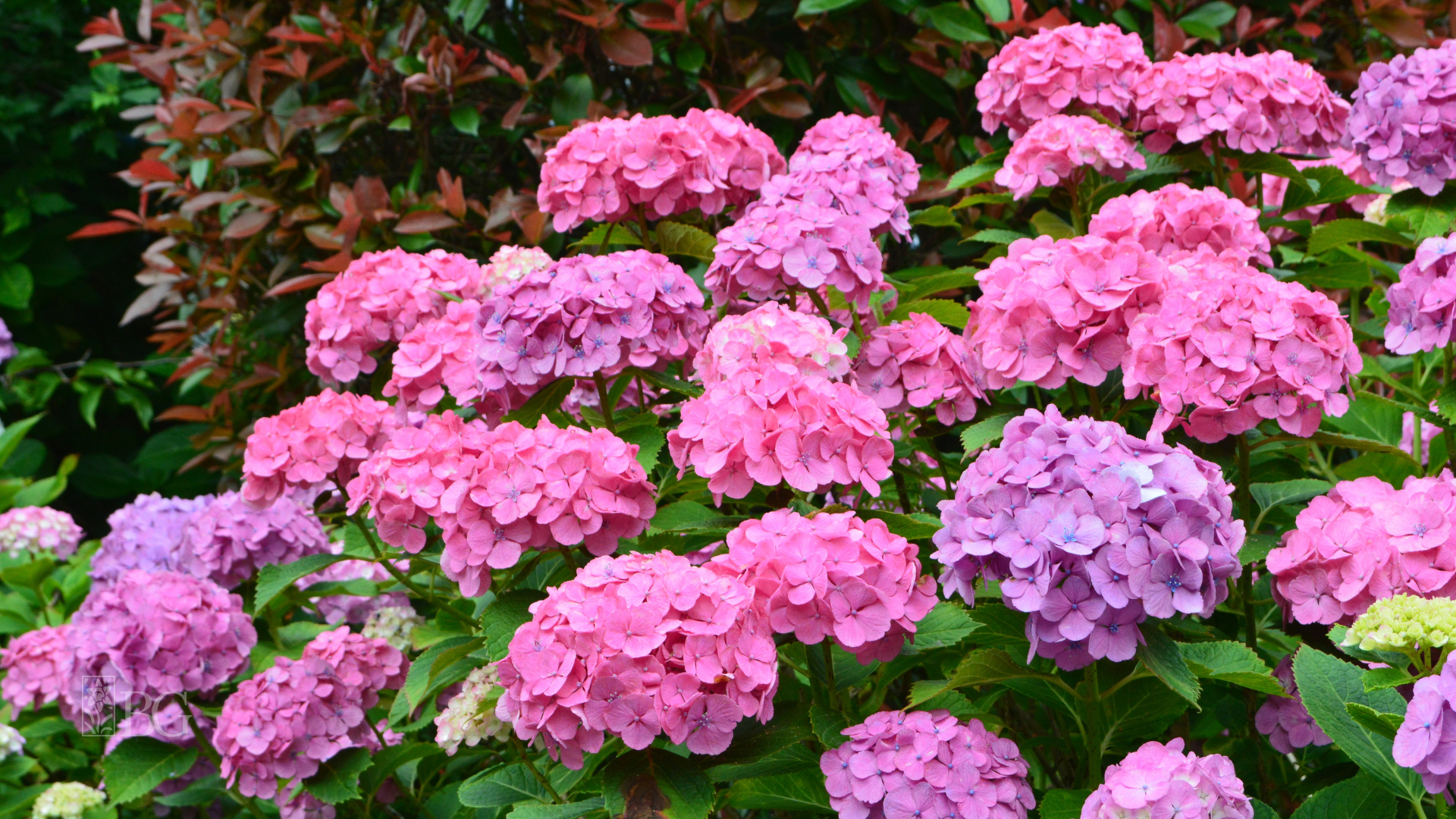
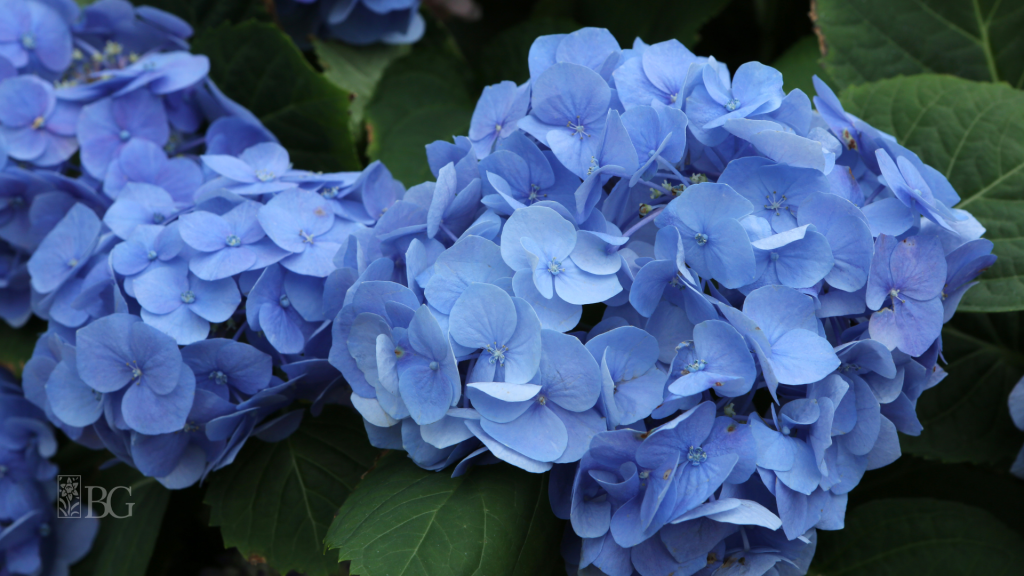
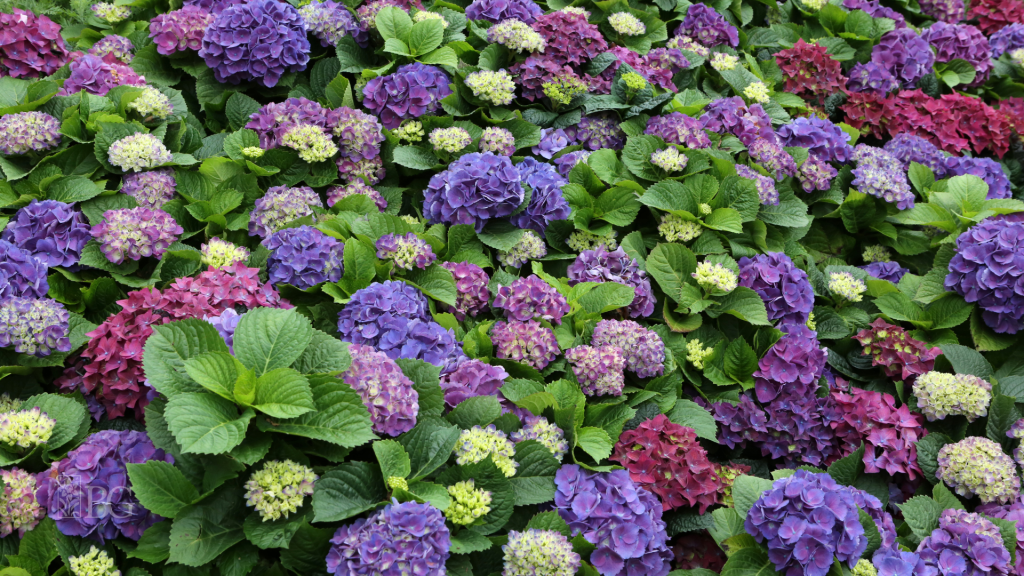
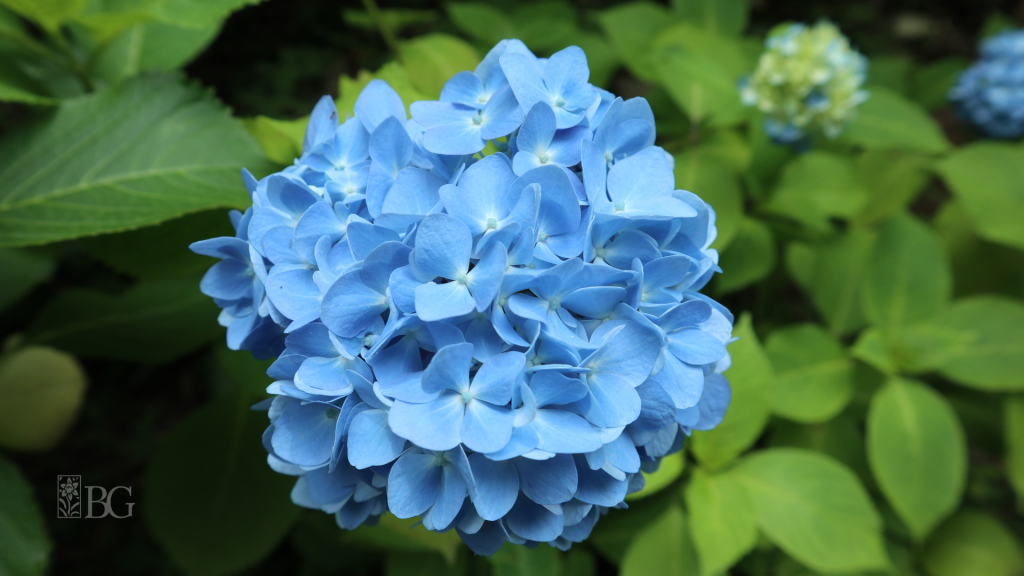
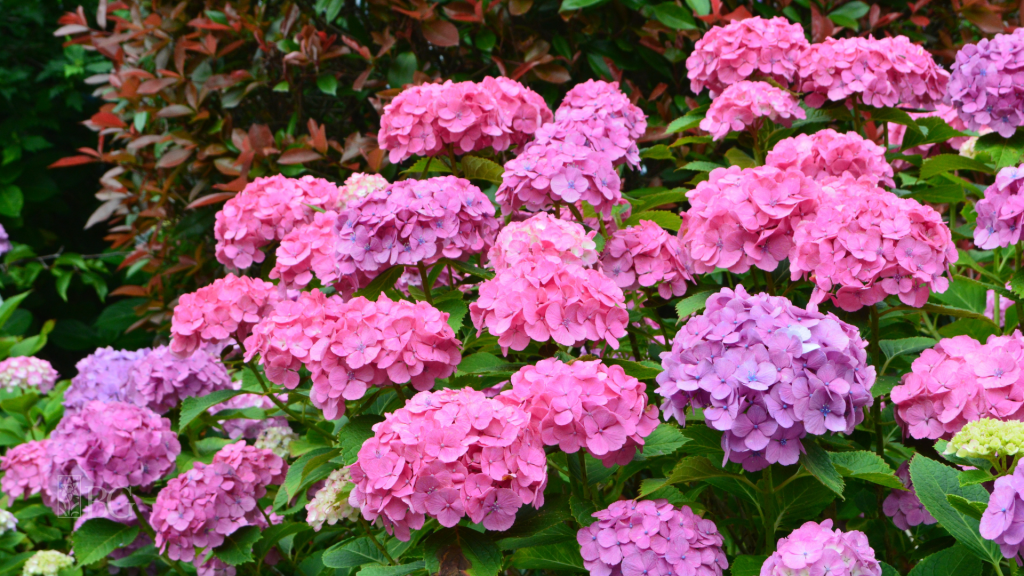
Bigleaf hydrangeas are multi-stemmed deciduous shrubs with either bushy or compact forms. They produce large, showy flower heads consisting of clusters of smaller florets, which can be rounded or flat. Flower colours vary widely, including shades of pink, blue, purple, and white, and they can appear solid, bicoloured, or multi-coloured. Notably, these flowers change colour based on soil pH: acidic soil results in blue blooms, while alkaline soil yields pink flowers.
Foliage
The foliage is typically green or variegated with oval, pointed leaves featuring pronounced veining and serrated edges. While the fall colour is not particularly striking, the foliage provides a lush backdrop to the vibrant blooms.
Toxicity and Deer Resistance
Bigleaf hydrangeas contain hydrangin, a toxic substance that can affect pets and children if ingested. Keep these plants out of reach of pets and small children. Additionally, hydrangeas are susceptible to deer browsing, so consider using repellents or planting deer-resistant alternatives if deer are a concern in your area.
Types of Bigleaf Hydrangeas
Bigleaf hydrangeas come in various types, each with distinct characteristics:
Mophead Hydrangeas
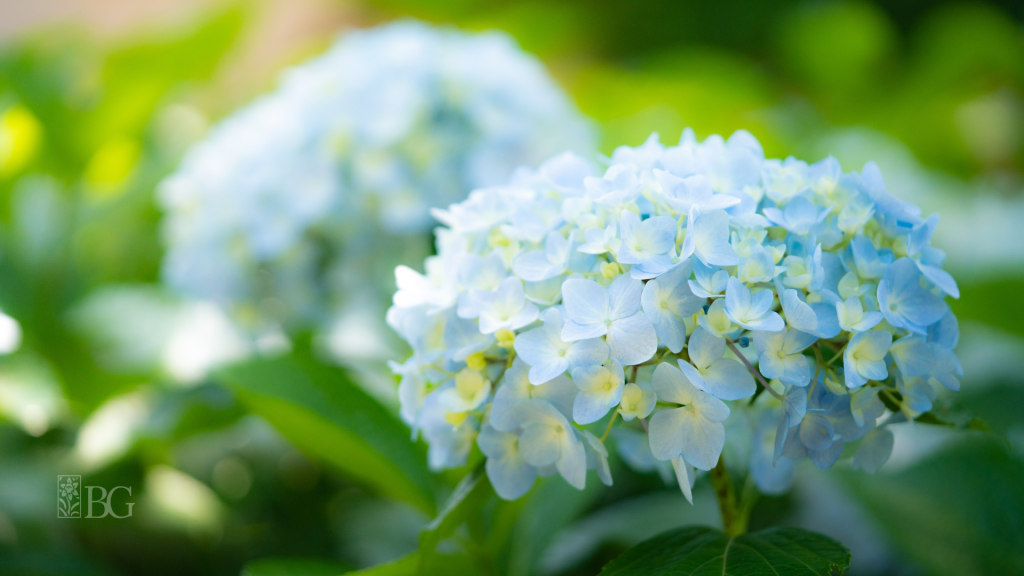
Also known as hortensias, these are recognised by their large, rounded flower heads made up of uniform florets.
Lacecap Hydrangeas
These feature flat-topped blooms with a centre cluster of tiny fertile flowers surrounded by larger sterile sepals.
Planting Bigleaf Hydrangeas
When to Plant
The best time to plant bigleaf hydrangeas is during mild weather in spring or autumn to avoid extreme temperatures that could shock the plant.
Where to Plant
Choose a site that offers full sun to part shade. Morning sun with some afternoon shade is ideal. Excessive sun may cause leaf scorch, while too much shade can reduce flowering.
How to Plant
- Soil Preparation: Loosen the soil and amend it with compost or rich organic matter.
- Planting Hole: Dig a hole 2 to 3 times wider and the same depth as the root ball.
- Plant Placement: Remove the plant from its nursery container and loosen any bound roots. Place the plant in the hole, ensuring the top of the root ball is level with or slightly above the surrounding soil.
- Filling and Watering: Fill the hole with soil, tamping it down gently to remove air pockets. Water thoroughly and provide regular moisture until the plant establishes.
Planting in Containers
- Use a high-quality potting mix rather than garden soil.
- Mix in a slow-release fertiliser.
- Leave 1 to 2 inches (2.5 to 5 cm) between the soil surface and the rim of the pot for watering.
- Ensure the pot has drainage holes.
Soil and pH
Bigleaf hydrangeas prefer moist, well-drained soil. Amend the soil with compost and mulch around the base to retain moisture and suppress weeds. Soil pH affects flower colour: add aluminium sulfate for more acidic soil (blue flowers) or garden lime for alkaline soil (pink flowers). White varieties are unaffected by pH.
Temperature and Winter Care
In colder regions, protect plants from winter damage by positioning them near buildings or walls and selecting varieties that flower on both old and new wood. Choose hardy varieties or reblooming types for added resilience.
Watering and Fertilising
Hydrangeas require 1 to 2 inches (2.5 to 5 cm) of water per week. Increase watering during hot, dry periods. Use a balanced 10-10-10 fertiliser or one specifically formulated for hydrangeas. Apply in early spring and again in May, but avoid fertilising late in the season.
Pruning
Minimal pruning is ideal for bigleaf hydrangeas. After flowering, remove spent blooms and lightly shape the plant if needed. Cut back branches to a healthy set of leaves and remove any dead or diseased growth in early spring.
Pests and Diseases
Bigleaf hydrangeas are generally resistant to pests and diseases when grown under optimal conditions. Common pests include aphids and mites, while diseases such as botrytis blight and powdery mildew may occur. Ensure proper care to minimise these issues.
Popular Varieties of Bigleaf Hydrangeas
Let’s Dance Series
- Let’s Dance Lovable®: A reblooming variety with pink, purple, or blue flowers, growing 3 to 4 feet (90 to 120 cm) tall and wide.
- Let’s Dance Blue Jangles®: Dwarf variety with blue, pink, or purple flowers, ideal for containers, 1 to 2 feet (30 to 60 cm) tall.
- Let’s Dance Rhythmic Blue®: Compact with blue or pink flowers, perfect for hedging, 3 to 4 feet (90 to 120 cm) tall.
- Let’s Dance Diva!®: Dwarf hydrangea with pale pink or blue flowers, growing 2 to 3 feet (60 to 90 cm) tall.
Other Notable Varieties
- ‘Endless Summer’: Renowned for its ability to bloom on both old and new wood, with pink or blue flowers.
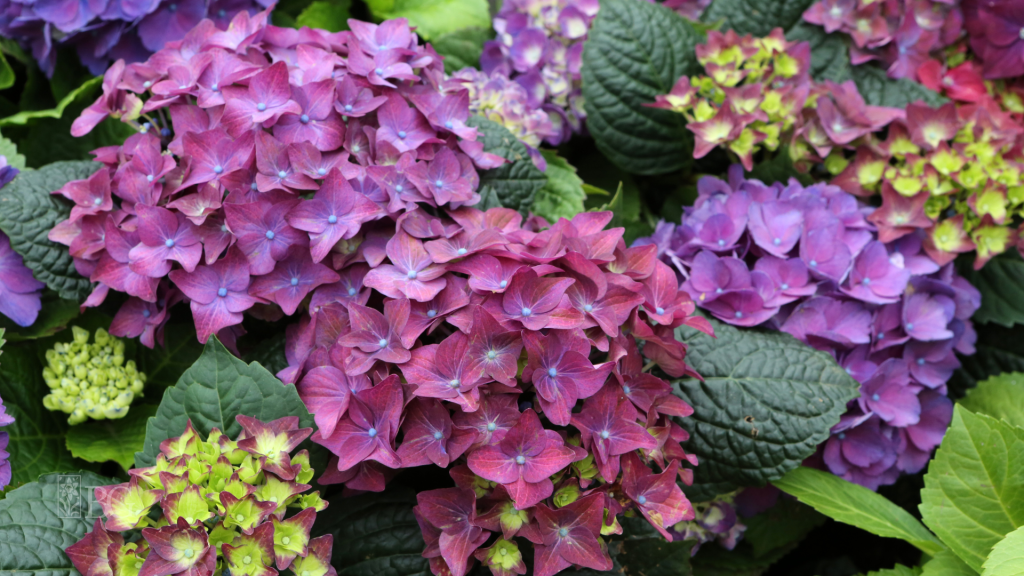
- ‘Pistachio’: Features striking chartreuse and hot pink flowers that deepen with age.
- ‘Lanarth White’: A white lacecap variety with blue or pink florets.
Landscaping with Bigleaf Hydrangeas
Border and Foundation Plantings
Bigleaf hydrangeas work well in mixed borders, as hedging, or as stand-alone accents. They can be used to define garden rooms or as low hedging.
Slopes and Hillsides
Massing hydrangeas on slopes helps control erosion and stabilises the soil.
Containers
Dwarf varieties are ideal for containers, adding colour to patios, entryways, or garden paths.
Mixed Borders
Use taller varieties as background plants and smaller types towards the front for varied heights and textures.
Retaining Walls and Erosion Control
Plant smaller or medium-sized varieties along retaining walls or slopes to assist with soil stability.
Conclusion
Bigleaf hydrangeas offer a versatile and visually striking addition to any garden. With their varied flower colours, sizes, and growth habits, they can enhance numerous garden settings from foundation plantings to container gardens. By understanding their specific needs and characteristics, gardeners can ensure these beautiful shrubs thrive and contribute to a lush, vibrant landscape throughout the growing season.
You can consult with our team at Bowering Gardens, lawn and garden experts in St. John’s, Newfoundland, to determine the best practices for your specific region and landscaping, or you can reach out to us below to get a quote so that we can take it off your hands entirely.
Please note that the information provided in this article is based on general guidelines. Specific care and conditions may vary for different varieties and individual gardens.
Frequently Asked Questions
Yes, bigleaf hydrangeas can thrive in Newfoundland gardens, particularly in USDA zones 6-9. For colder regions, select hardy varieties or reblooming types that can withstand winter temperatures. Providing winter protection, such as mulching or planting near sheltered areas, will also help these plants endure harsh conditions.
The colour of bigleaf hydrangeas is influenced by soil pH. To achieve blue blooms, lower the soil pH by adding aluminium sulfate. For pink blooms, increase the soil pH with garden lime. White varieties remain unaffected by soil pH and will maintain their colour regardless.
The optimal time to plant bigleaf hydrangeas is in spring or autumn when temperatures are mild. Planting during these seasons allows the plants to establish their roots before extreme summer heat or winter cold. Ensure you prepare the soil well and provide adequate moisture after planting.
Common pests that may affect bigleaf hydrangeas include aphids, spider mites, and scale insects. Diseases such as botrytis blight and powdery mildew can also occur. To minimise issues, ensure proper care, avoid overhead watering, and maintain good air circulation around the plants. Regular monitoring and prompt action will help manage these problems effectively.
Yes, bigleaf hydrangeas can be successfully grown in containers, especially dwarf varieties. Use a high-quality potting mix and ensure the container has adequate drainage holes. Position the container in a location that receives morning sun and afternoon shade, and maintain regular watering and feeding to support healthy growth.
Remember, gardening is not only about nurturing plants but also about embracing the joy and wonder that nature brings. Happy gardening!
Posted on
Posted in Blog
