
Flower Friday – Hydrangea Serrata (Mountain Hydrangea)
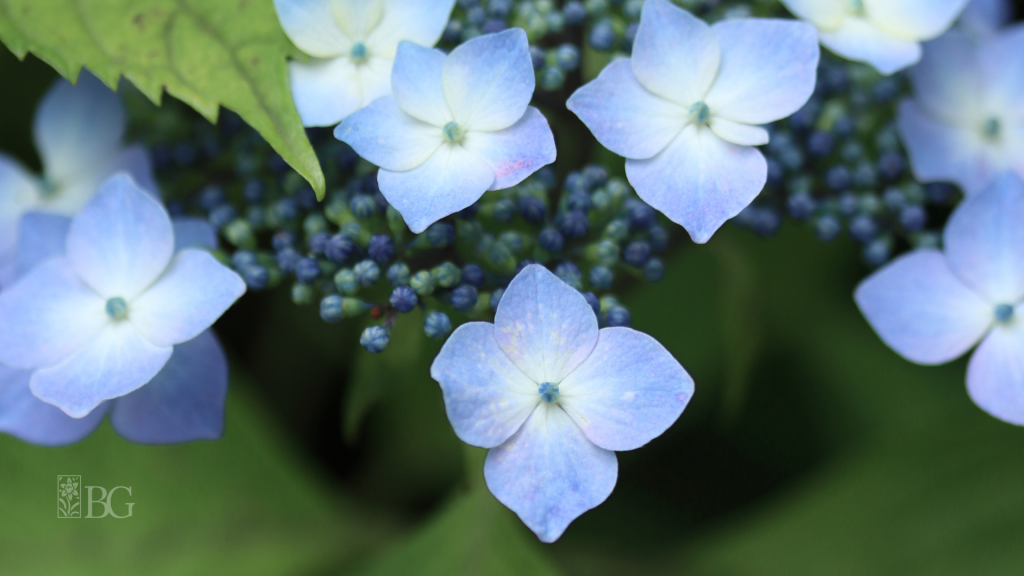
Mountain Hydrangea: Growing Hydrangea serrata for Long-Lasting Blooms in Newfoundland
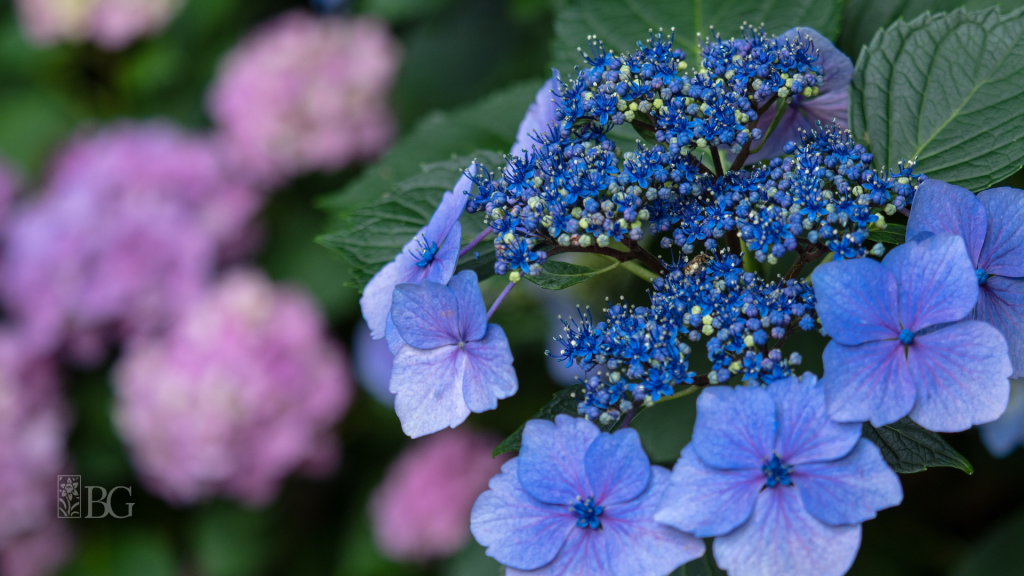
Hydrangea serrata, or mountain hydrangea, is a compact deciduous shrub valued for its lacecap blooms, rich foliage, and exceptional cold tolerance. Smaller and hardier than its bigleaf cousin (Hydrangea macrophylla), mountain hydrangea is well-suited to Newfoundland gardens, thriving in cool, damp conditions where many other hydrangeas may struggle. Its ability to change flower colour with soil pH, along with its autumn foliage, makes it a versatile and ornamental shrub for coastal landscapes.
Plant Overview
- Botanical Name: Hydrangea serrata
- Common Name: Mountain hydrangea
- Plant Type: Deciduous flowering shrub
- Mature Size: 60–120 cm tall and wide
- Bloom Period: Early summer through late summer, with some reblooming types extending into autumn
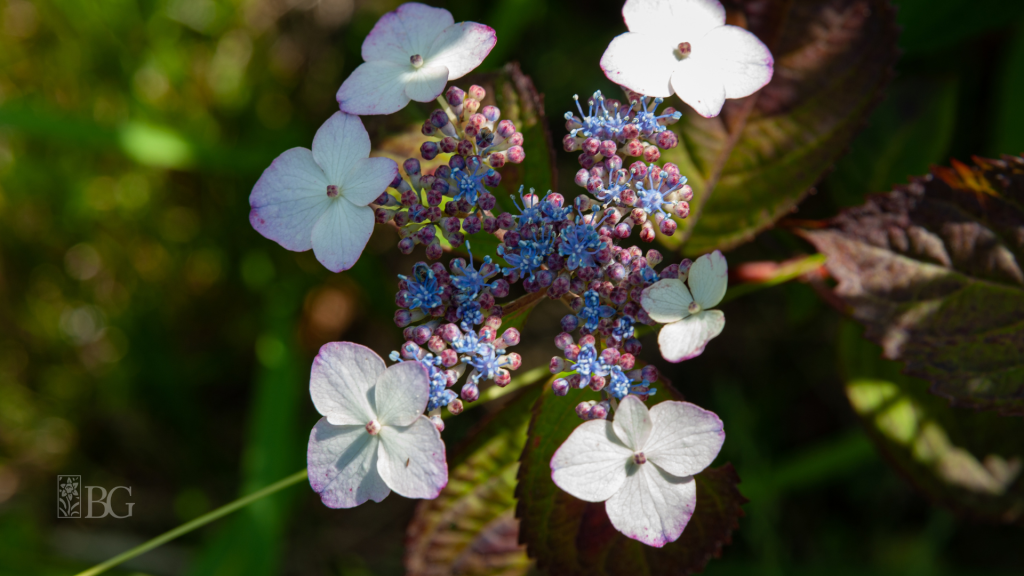
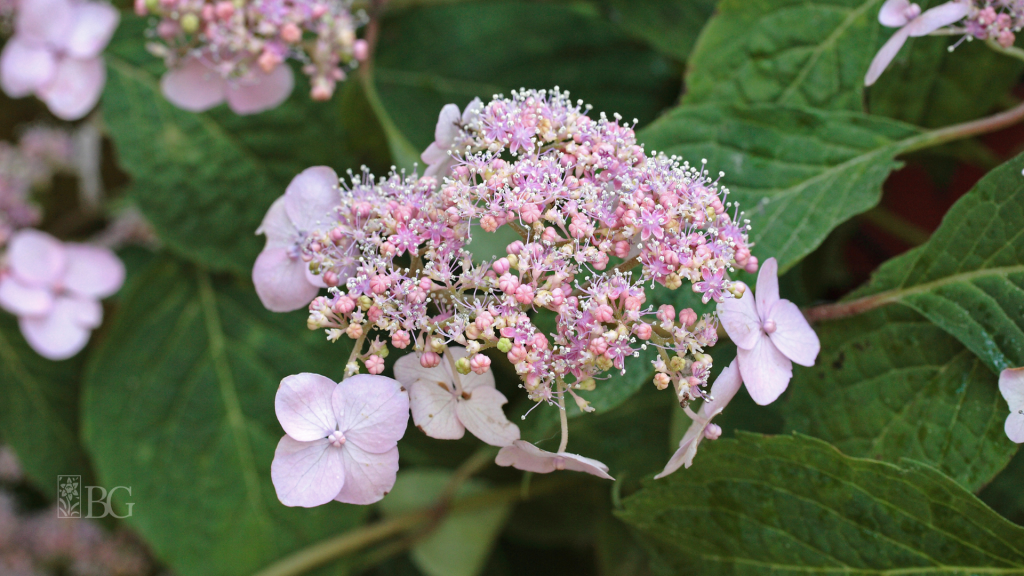
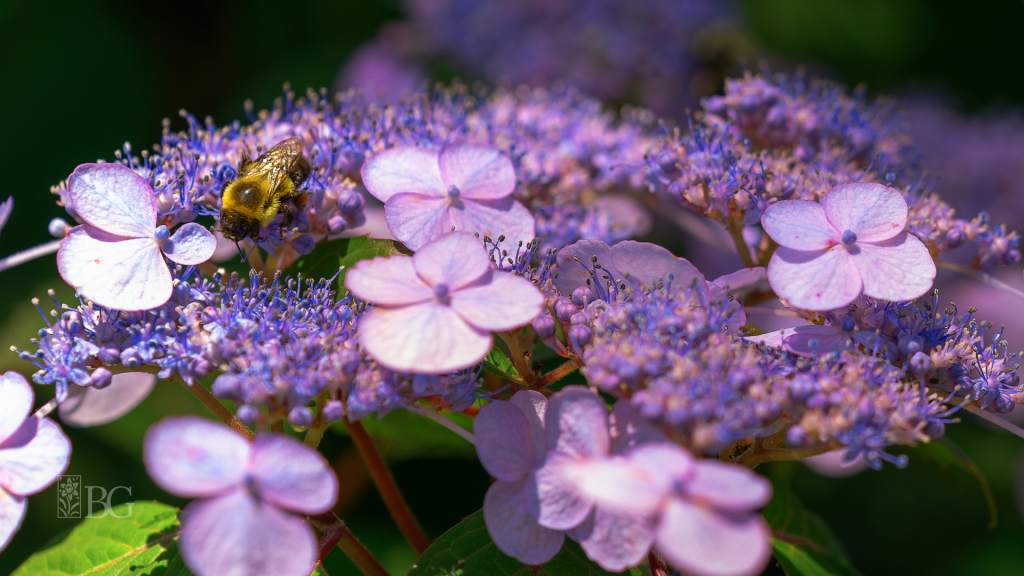
- Flower Form: Lacecap clusters with small fertile florets surrounded by larger sterile florets
- Foliage: Dark green serrated leaves turning burgundy in autumn
- Sunlight: Morning sun with afternoon shade; full sun if soil remains consistently moist
- Soil Type: Moist, rich, well-drained soil
- Hardiness: USDA Zones 5–9 (suitable for Newfoundland’s Zone 5 climate)
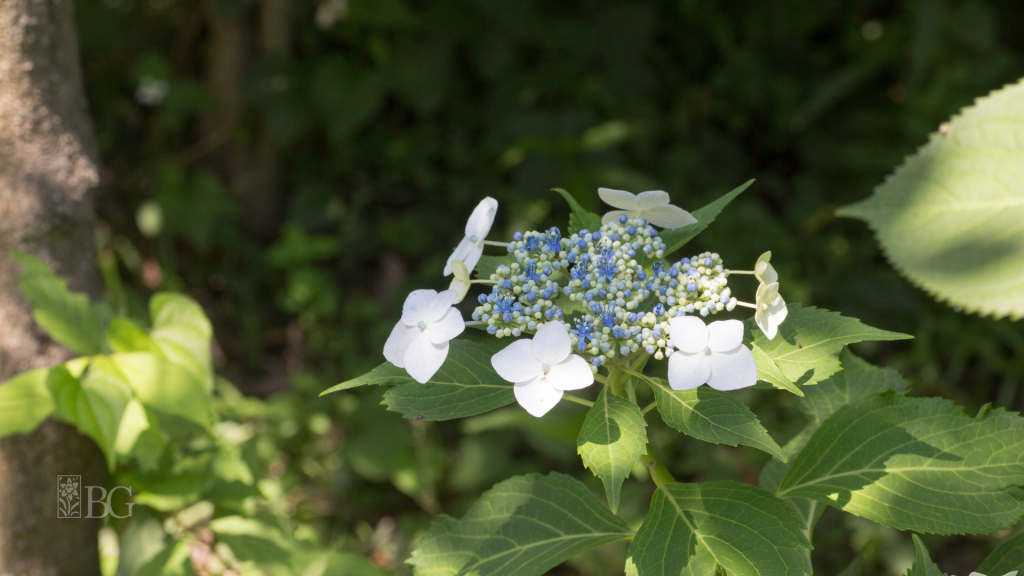
Why It Performs Well in St. John’s
St. John’s offers the cooler summers and reliable rainfall that mountain hydrangeas prefer. Unlike bigleaf hydrangeas, which may struggle with winter dieback, mountain hydrangeas bloom reliably in Zone 5 gardens when properly sited. Their smaller size also makes them a good fit for sheltered spots, patios, and mixed borders.
Ideal Planting Conditions
Site & Light
Plant in a location with bright morning sun and partial afternoon shade. In foggy or cooler areas, more sun is acceptable, but plants should not be exposed to hot, dry afternoon conditions.
Soil
Rich, loamy soil with good drainage is essential. Heavy clay can be improved with organic matter and sharp sand to reduce waterlogging. Mountain hydrangeas prefer evenly moist conditions, but their roots cannot sit in standing water.
pH & Flower Colour
Soil pH directly influences bloom colour:
- Acidic soils (below pH 7) produce blue flowers.
- Neutral to alkaline soils yield pink or purple tones.
- Soil amendments such as aluminium sulfate (for blue) or lime (for pink) allow gardeners to adjust flower colour over time.
Planting Tips
Plant in early spring or autumn. Dig a hole twice as wide as the root ball, position the crown level with the soil surface, and backfill with amended soil. Apply a 5 cm layer of mulch around the base, leaving space around the stems to avoid rot.
Care and Maintenance
Watering
Keep soil consistently moist, especially in the first year after planting. Provide about 25 mm of water weekly during dry periods, applied deeply to encourage strong root growth.
Fertilizing
In early spring, apply a balanced slow-release fertilizer or work compost into the soil. Avoid excessive nitrogen, which promotes leafy growth at the expense of blooms.
Mulching
A mulch layer 5–7 cm thick conserves soil moisture, moderates temperature, and suppresses weeds. In winter, mulch also helps insulate roots from freeze–thaw cycles.
Pruning and Division
Pruning
Mountain hydrangeas bloom primarily on old wood, so heavy pruning should be avoided.
- In spring, remove dead or weak stems as new growth emerges.
- After flowering in late summer, prune lightly to remove spent blooms and shape the shrub.
- Avoid autumn or early spring hard pruning, which can remove developing flower buds.
Reblooming varieties may flower on both old and new wood, but even these benefit from conservative pruning.
Division
Division is not usually required unless the shrub becomes overcrowded. If rejuvenation is necessary, divide in early spring:
- Carefully dig up the plant and separate into smaller sections with healthy roots and shoots.
- Replant divisions immediately, spacing them at least 1 m apart.
- Water thoroughly and mulch to support establishment.
Division every 5–7 years can help maintain vigour in dense clumps.
Pests and Disease Management
Mountain hydrangeas are generally healthy but may occasionally suffer from:
- Powdery mildew and leaf spot in damp, humid conditions—reduced with proper spacing and good airflow.
- Aphids or scale insects, which can be controlled with horticultural soap.
- Crown rot, usually caused by poorly drained soil. Prevention is the best solution.
Landscape Uses
Mountain hydrangeas are highly versatile:
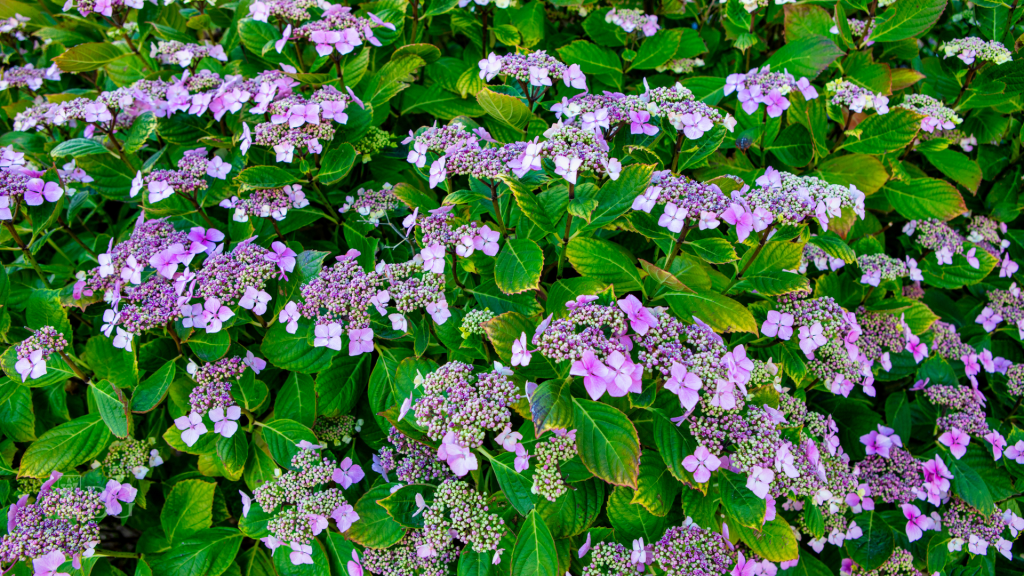
- Specimen shrubs for borders, patios, or entryways.
- Woodland gardens, where dappled light creates the ideal environment.
- Low hedges for defining garden spaces with seasonal interest.
- Container plantings, where their compact size and colourful blooms shine on patios and balconies.
They pair well with hostas, ferns, astilbe, and spring bulbs for layered interest throughout the growing season.
You can consult with our team at Bowering Gardens, lawn and garden experts in St. John’s, Newfoundland, to determine the best practices for your specific region and landscaping, or you can reach out to us below to get a quote so that we can take it off your hands entirely.
Please note that the information provided in this article is based on general guidelines. Specific care and conditions may vary for different varieties and individual gardens.
Frequently Asked Questions
Early spring or autumn is best. Spring planting allows for establishment before summer growth, while autumn planting helps roots settle before winter.
Most cultivars reach 60–120 cm tall and wide, making them smaller than bigleaf hydrangeas and easier to fit into smaller gardens or container plantings.
Yes. Acidic soil produces blue flowers, while alkaline soil produces pink. Soil pH can be adjusted with amendments like aluminium sulfate or lime.
No. Minimal pruning is best. Remove dead wood in spring and lightly trim after flowering. Avoid heavy pruning, which can eliminate next year’s blooms.
Apply a 5–7 cm mulch layer around the base, and in exposed sites, wrap shrubs with burlap to shield them from wind and freeze–thaw cycles.
Remember, gardening is not only about nurturing plants but also about embracing the joy and wonder that nature brings. Happy gardening!
Posted on
Posted in Blog
