
Flower Friday – Japanese Anemone (Eriocapitella)
Japanese Anemones: Late-Summer Blooms for Newfoundland Gardens
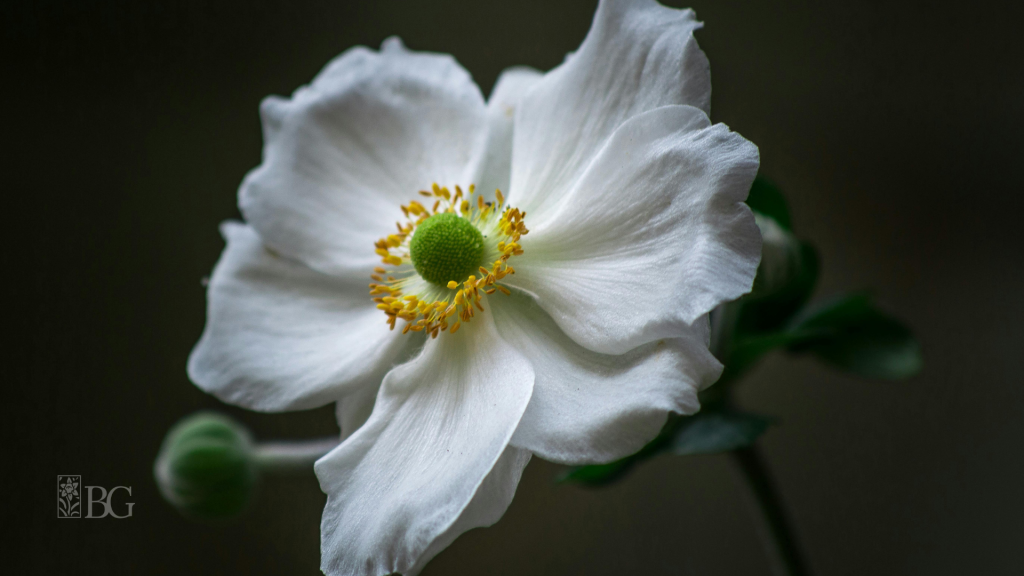
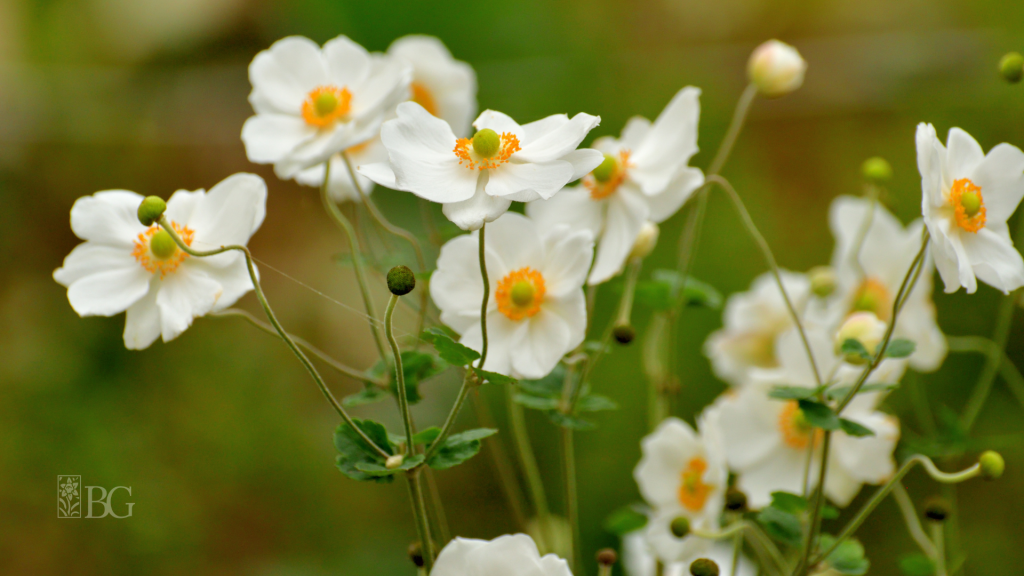
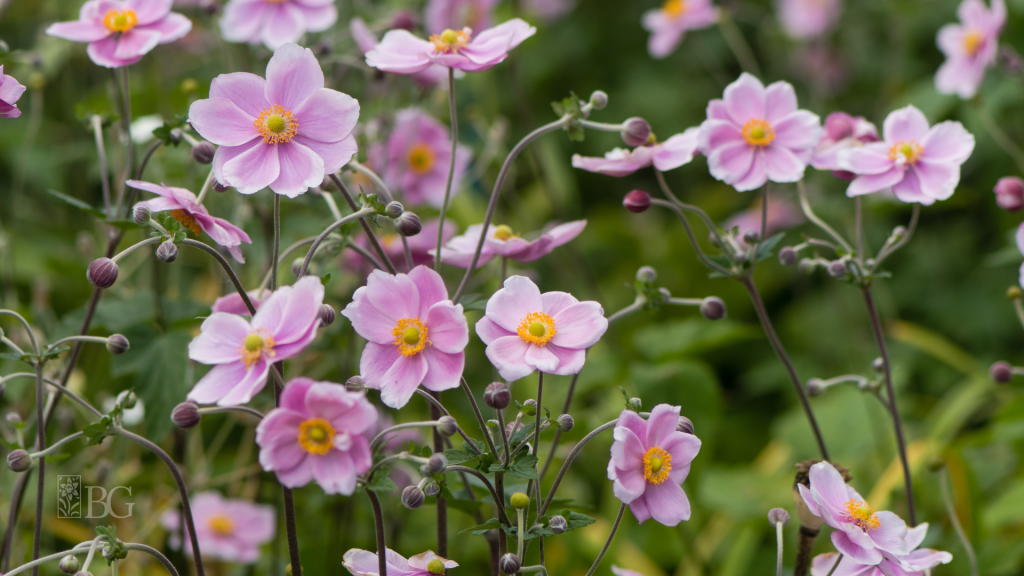
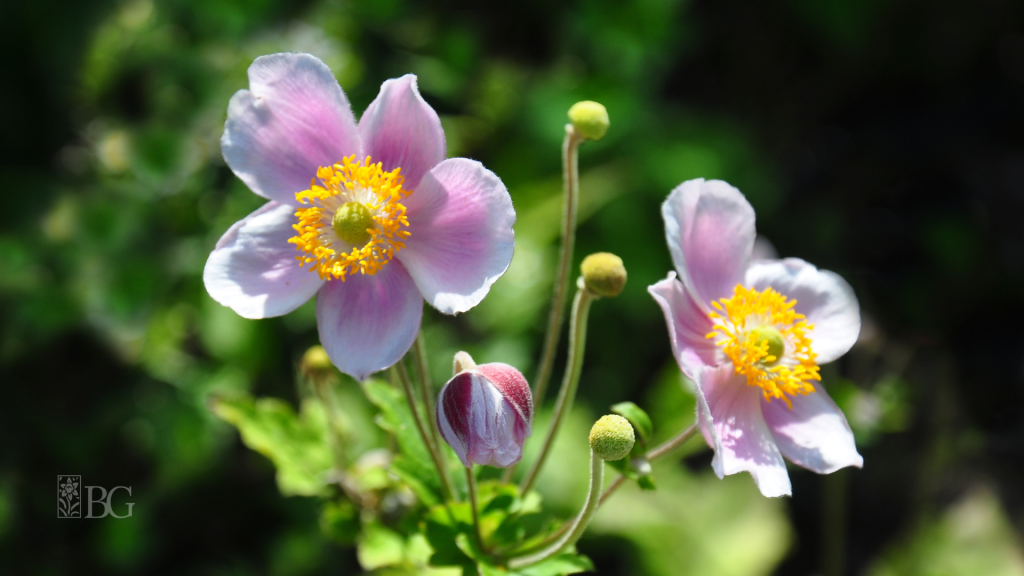
Japanese anemones (Anemone × hybrida and related species) are graceful perennials prized for their late-summer to autumn blooms. Their tall stems hold elegant, saucer-shaped flowers in shades of white, pink, and mauve above mounds of deep green foliage. With their ability to bloom when many perennials are fading, they extend garden interest well into the autumn months.
In St. John’s, where summers are cool and moist, Japanese anemones thrive with minimal care. They adapt well to partial shade, making them perfect for woodland gardens, shaded borders, and spots where they can naturalize into loose drifts. Their longevity, resilience, and low-maintenance nature make them an excellent addition to Newfoundland gardens.
Plant Overview
- Botanical Name: Anemone × hybrida, Anemone hupehensis, and related species
- Common Name: Japanese anemone, windflower
- Plant Type: Herbaceous perennial
- Mature Size: 60–120 cm tall × 45–90 cm wide
- Foliage: Deep green, lobed leaves forming a basal clump
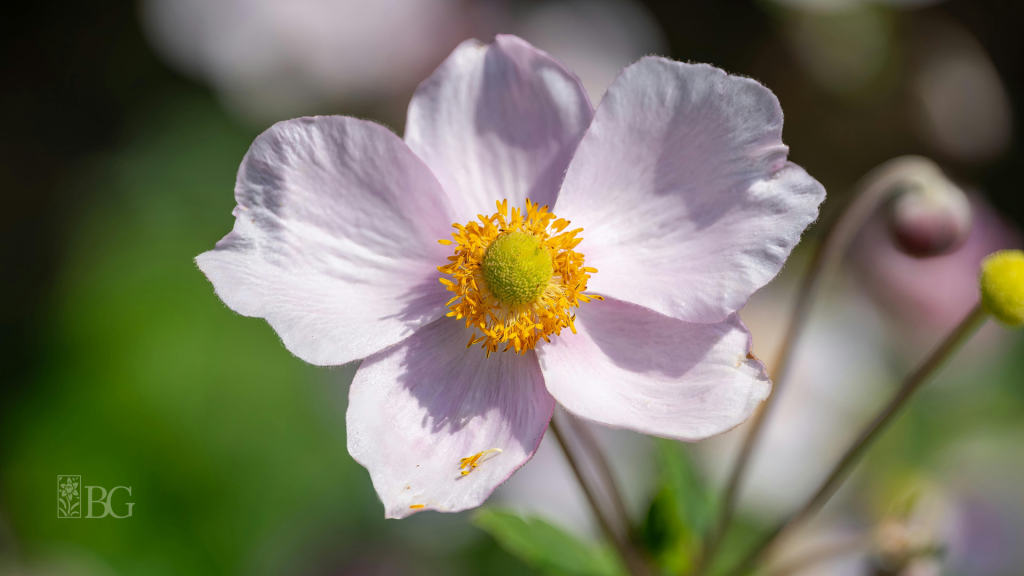
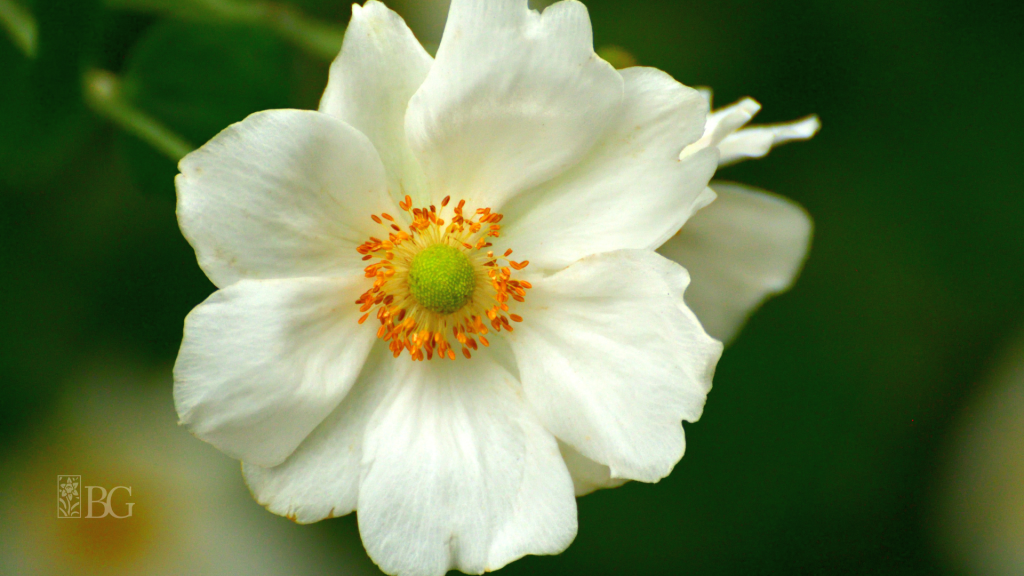
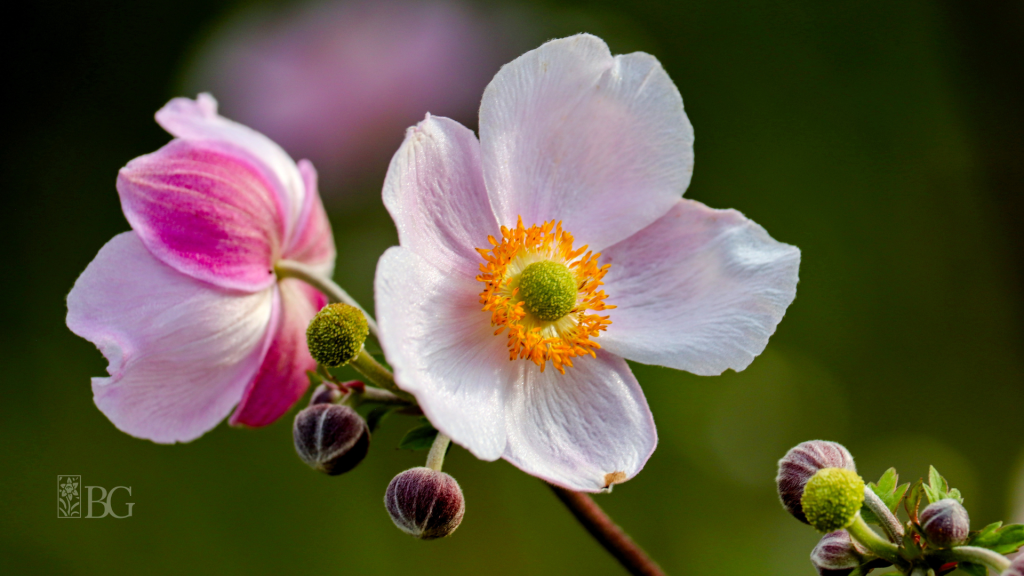
- Flowers: Saucer-shaped blooms, 5–7 cm across, in white, pale pink, or mauve
- Bloom Period: Late summer through mid-autumn (August–October in Newfoundland)
- Sunlight: Partial shade; tolerates full sun if soil remains moist
- Soil Type: Moist, fertile, well-drained soil enriched with organic matter
- Hardiness: USDA Zones 4–8 (fully hardy in Newfoundland)
Why They Thrive in Newfoundland
Japanese anemones are naturally suited to the coastal climate of St. John’s. They prefer cooler summers and consistent rainfall, both of which reduce stress and promote long flowering periods. They are also hardy to winter freezes, returning year after year once established. Their ability to tolerate partial shade makes them especially useful in local gardens, where fog and tree cover often reduce direct sunlight.
Planting Conditions
Light
Best growth occurs in partial shade. While Japanese anemones can tolerate morning sun, they perform best when shielded from hot afternoon rays. In St. John’s, full sun is less intense and often acceptable if soil remains moist.
Soil
Fertile, loamy soil with good drainage is essential. Heavy clay can be improved with compost and coarse organic matter to enhance aeration. Japanese anemones dislike waterlogged conditions but require consistent moisture for best performance.
Spacing
Space plants 60–90 cm apart. Over time, they will spread by underground rhizomes to form natural drifts.
Planting and Establishment
- Timing: Plant in spring or early autumn to give roots time to establish before extreme weather.
- Method: Dig a hole twice the width of the root ball. Place the crown at soil level, backfill with compost-enriched soil, and water thoroughly.
- Mulching: Apply a 5–7 cm mulch of compost or leaf mould to conserve moisture and reduce weed growth.
Japanese anemones can take a season or two to fully establish, but once settled, they are long-lived and reliable bloomers.
Care and Maintenance
Watering
Provide regular, deep watering during dry spells, aiming for 25–30 mm per week. Consistent moisture is essential during flowering.
Fertilizing
In spring, top-dress with compost or apply a balanced, slow-release fertilizer. Repeat light feeding after flowering to support next year’s growth.
Mulching
Renew mulch annually in spring. Mulch helps regulate soil temperature and moisture, especially valuable in coastal gardens where wind and salt can dry soils.
Pruning and Division
Pruning
- Deadheading: Remove spent flowers to encourage continued blooming.
- Seasonal Clean-up: In late autumn, cut back stems and foliage to ground level once frost has blackened leaves. This tidies beds and reduces overwintering pests.
Division
Japanese anemones spread gradually by rhizomes. To manage clumps and maintain vigour:
- Divide every 3–5 years in spring or autumn.
- Lift the clump carefully with a spade.
- Separate into smaller sections, each with roots and buds.
- Replant divisions immediately, spacing them to allow for future spread.
Division is also an effective way to propagate new plants for other garden areas.
Pests and Diseases
Generally resilient, Japanese anemones are occasionally affected by:
- Powdery mildew or leaf spot in humid summers. Improved airflow helps prevention.
- Slugs and snails, particularly on young shoots in spring.
- Crown rot in poorly drained soils.
With proper siting and care, these issues are minor.
Landscape Uses
- Naturalistic Plantings: Spread gently into drifts that give a relaxed, cottage-garden feel.
- Shade Borders: Their tall, airy flowers brighten dim spaces late in the season.
- Woodland Gardens: Combine beautifully with hostas, ferns, and astilbes.
- Mixed Perennial Beds: Add vertical interest alongside late bloomers like asters and ornamental grasses.
You can consult with our team at Bowering Gardens, lawn and garden experts in St. John’s, Newfoundland, to determine the best practices for your specific region and landscaping, or you can reach out to us below to get a quote so that we can take it off your hands entirely.
Please note that the information provided in this article is based on general guidelines. Specific care and conditions may vary for different varieties and individual gardens.
Frequently Asked Questions
They flower from late August through October, providing colour long after most summer perennials have faded.
They spread gradually by rhizomes. While not invasive, they can naturalize into larger drifts if left unchecked.
Yes, in St. John’s full sun is tolerable, but soil must remain consistently moist. They perform best in partial shade.
No. Hardy to Zone 4, they overwinter reliably in Newfoundland. Mulching crowns helps in exposed or windy sites.
Divide every 3–5 years to rejuvenate growth, control spread, and propagate new plants.
Remember, gardening is not only about nurturing plants but also about embracing the joy and wonder that nature brings. Happy gardening!
Posted on
Posted in Blog
