
Flower Friday – Japanese Forest Grass (Hakonechloa macra)
Adding Texture and Movement with Hakone Grass in Shaded Coastal Landscapes
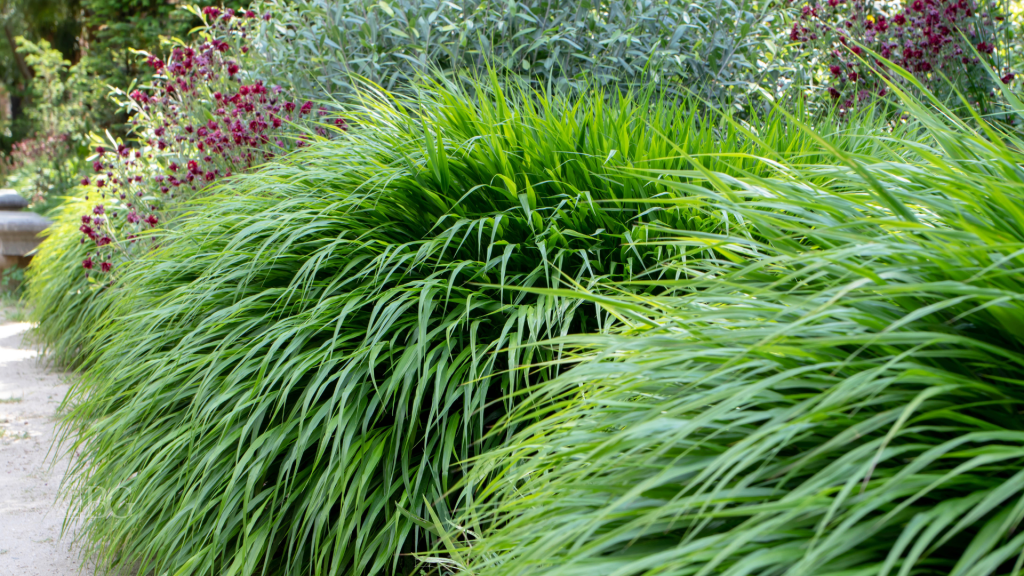
Japanese forest grass (Hakonechloa macra), often called Hakone grass, is a graceful ornamental grass native to the woodlands of Japan. Known for its arching, bamboo-like leaves that cascade in elegant mounds, this perennial adds movement, texture, and subtle colour to shaded and semi-shaded gardens. Unlike many ornamental grasses that demand sun, Hakone grass thrives in the cooler, moist, dappled conditions that define much of Newfoundland’s climate.
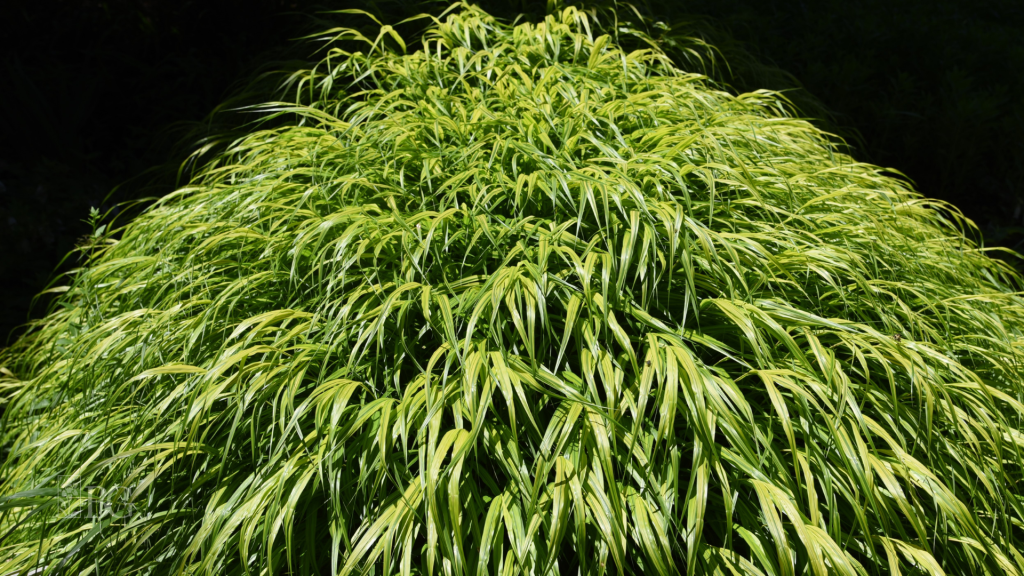
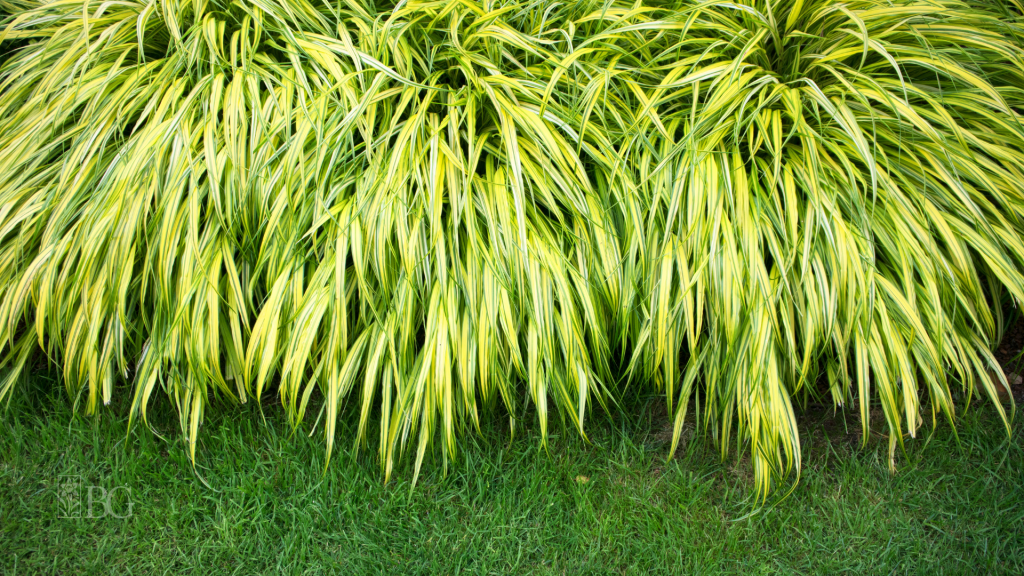
Its golden cultivars, such as ‘Aureola,’ provide vibrant highlights in shaded borders, while green or variegated types create a calming, natural effect. Adaptable, hardy, and long-lived, Hakone grass is one of the best choices for gardeners in St. John’s seeking reliable structure and colour in shaded spaces.
Plant Overview
- Botanical Name: Hakonechloa macra
- Common Names: Hakone grass, Japanese forest grass
- Plant Type: Ornamental grass, perennial
- Mature Size: 30–45 cm tall × 45–60 cm wide
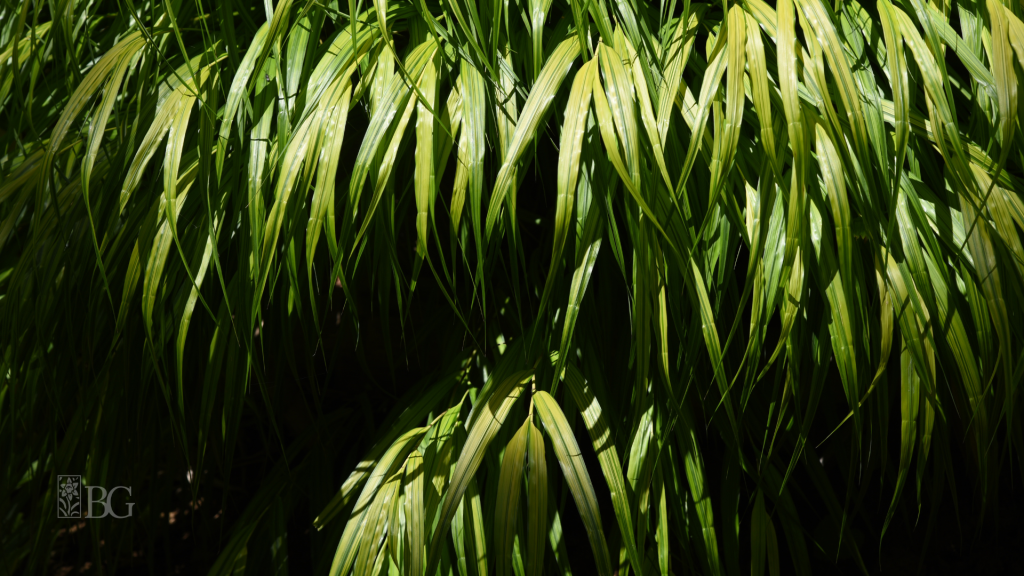
- Foliage: Narrow, arching leaves, typically green, golden-yellow, or variegated depending on cultivar
- Flowers: Small, airy sprays in late summer; not showy but add texture
- Sunlight: Partial shade to full shade; morning sun tolerated
- Soil Type: Rich, moist, well-drained soil
- Hardiness: USDA Zones 5–9 (suitable for Newfoundland’s Zone 5 climate)
Why It Thrives in Newfoundland
Unlike heat-loving grasses, Hakone grass performs best in cool, moist conditions. St. John’s provides the ideal setting, with its regular rainfall, fog, and moderate summer temperatures. In areas with heavy snow, the plant naturally goes dormant and re-emerges in spring with fresh growth. Its slow growth rate means it won’t become invasive, making it a safe and manageable choice for perennial borders, shade gardens, and even containers.
Ideal Planting Conditions
Light
Hakone grass prefers partial to full shade. Morning sun is acceptable if soil moisture is consistent, but hot afternoon sun can bleach or scorch leaves. Golden-leaved cultivars require some light to maintain their bright tones, while green forms tolerate deeper shade.
Soil
Rich, organic, moisture-retentive soil is essential. In Newfoundland, amend clay soils with compost and leaf mould to improve drainage and fertility. Consistent moisture is important, but avoid waterlogged sites to prevent root rot.
Spacing
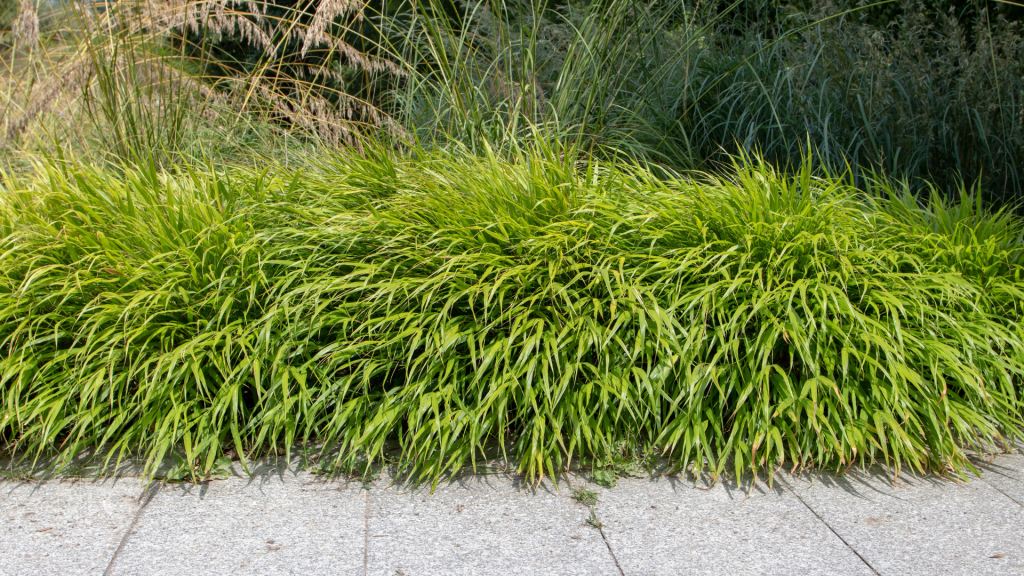
Allow 45–60 cm between plants, as clumps slowly expand into neat, arching mounds over time.
Planting and Establishment
- When to Plant: Early spring or early autumn is best, ensuring roots have time to establish before winter.
- How to Plant: Dig a hole twice the width of the root ball and slightly deeper. Place the crown level with the soil surface, backfill with enriched soil, and water well.
- Mulching: Apply a 5 cm mulch of compost or shredded bark to conserve moisture, suppress weeds, and maintain soil structure.
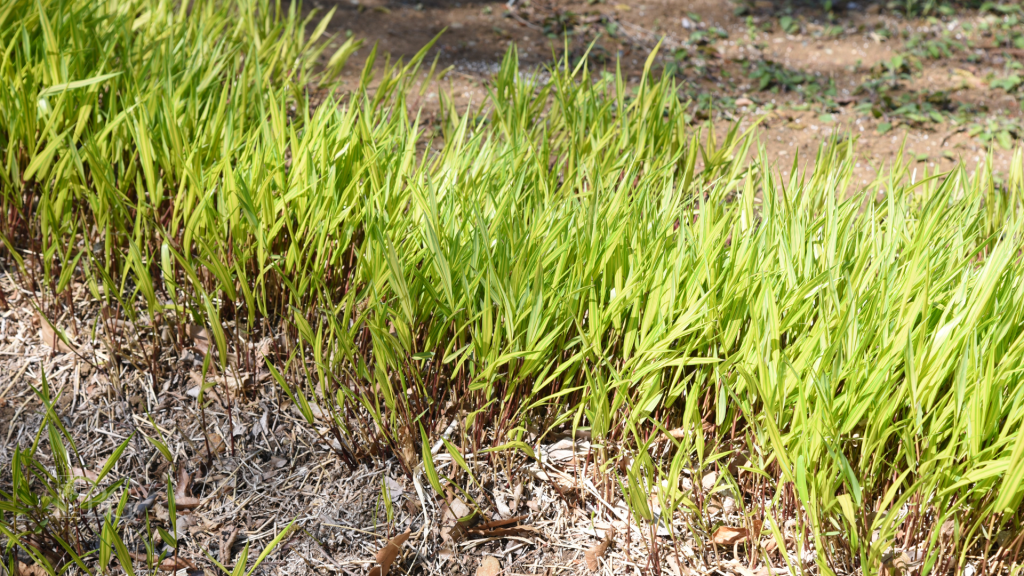
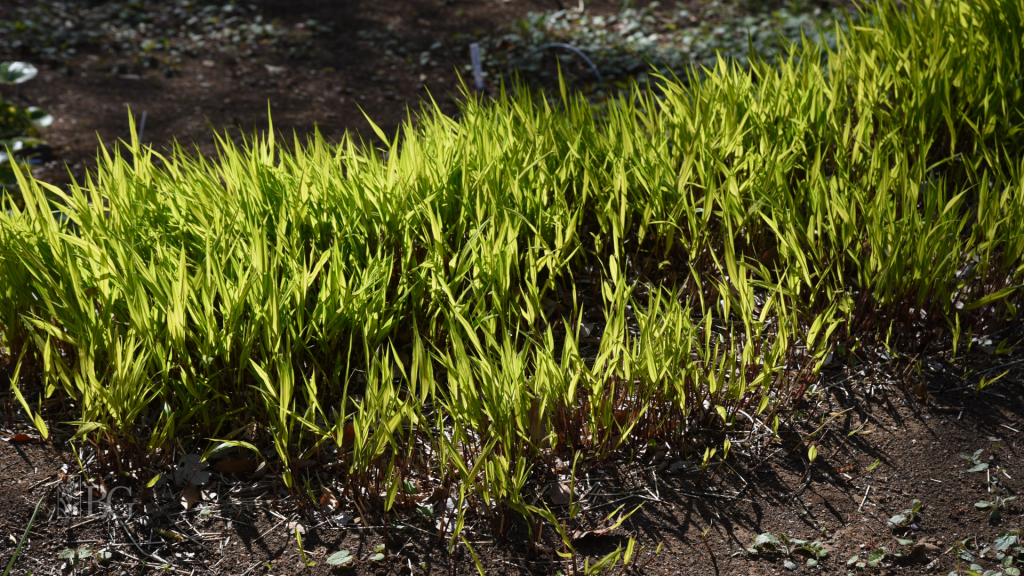
Hakone grass is slow to establish, often taking 2–3 years to reach full size. Patience is rewarded with a dense, graceful mound that requires little maintenance once mature.
Care and Maintenance
Watering
Keep soil evenly moist, especially during dry summer spells. Hakone grass does not tolerate prolonged drought. Apply about 25 mm of water per week in dry periods.
Fertilizing
Feed lightly in spring with a balanced, slow-release fertilizer or simply top-dress with compost. Avoid high-nitrogen fertilizers, which may encourage floppy growth.
Mulching
A spring mulch of organic matter not only maintains moisture but also enriches soil fertility for steady growth.
Pruning and Division
Pruning
- Seasonal Cutback: In late autumn, foliage turns tan or brown. Leave it standing for winter interest, then cut to the ground in early spring before new shoots emerge.
- Summer Grooming: Remove any damaged or discoloured leaves as needed to maintain a tidy mound.
Division
Hakone grass grows slowly and does not require frequent division. However, rejuvenation every 5–7 years may be beneficial:
- Dig up the clump in early spring.
- Use a sharp spade to divide into smaller sections, each with healthy roots and shoots.
- Replant divisions immediately at the same depth, spacing them 45–60 cm apart.
- Water thoroughly and mulch to support establishment.
Division also provides an opportunity to propagate prized cultivars like ‘Aureola’ or ‘All Gold.’
Pests and Diseases
Hakone grass is notably resistant to most pests and diseases. Rarely, slugs or snails may nibble young shoots in wet springs. Well-drained soil and good airflow prevent fungal problems. Its resilience makes it a dependable choice in Newfoundland gardens.
Landscape Uses
Focal Planting: Golden or variegated cultivars act as living highlights among green foliage.
Shade Borders: Brightens darker corners with flowing, bamboo-like foliage.
Woodland Gardens: Naturalistic texture pairs well with ferns, hostas, and astilbes.
Containers: Compact growth and graceful arching form make it ideal for shaded patio planters.
Groundcover: Slow but steady spread creates lush carpets in suitable shady areas.
You can consult with our team at Bowering Gardens, lawn and garden experts in St. John’s, Newfoundland, to determine the best practices for your specific region and landscaping, or you can reach out to us below to get a quote so that we can take it off your hands entirely.
Please note that the information provided in this article is based on general guidelines. Specific care and conditions may vary for different varieties and individual gardens.
Frequently Asked Questions
Spring and early autumn are the best planting times. This allows roots to establish before either the stresses of summer or the onset of winter.
Yes, but only if soil remains consistently moist. Golden cultivars need some light to keep their colour, but too much sun can cause leaf scorch.
It is a slow grower, typically taking several years to form a mature clump. It spreads gently by rhizomes but is never invasive.
Yes. Hardy to Zone 5, it reliably overwinters in St. John’s. Cut foliage to the ground in early spring to encourage fresh growth.
Not often. Division is only required every 5–7 years to rejuvenate growth or propagate new plants. It prefers being left undisturbed.
Remember, gardening is not only about nurturing plants but also about embracing the joy and wonder that nature brings. Happy gardening!
Posted on
Posted in Blog
