
Flower Friday – Japanese Maple
Japanese Maple Trees: Planting, Care, and Design in Newfoundland
Japanese maple trees, known for their brilliant seasonal colour changes, can become a centerpiece of any garden. With varieties that range in size, shape, and color, these trees are versatile and thrive in different environments when properly cared for. Japanese maples offer a touch of elegance and can even adapt to the maritime climate here in Newfoundland. Here’s a comprehensive guide to growing and caring for Japanese maple trees in Newfoundland, with expert advice tailored to our region’s unique weather conditions.
Understanding Japanese Maples
A Versatile Focal Point
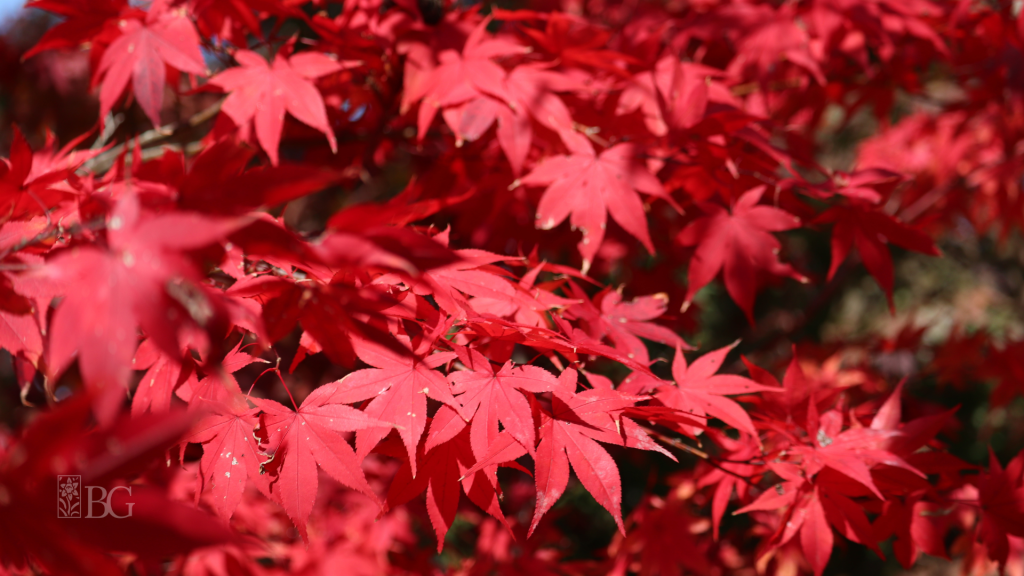
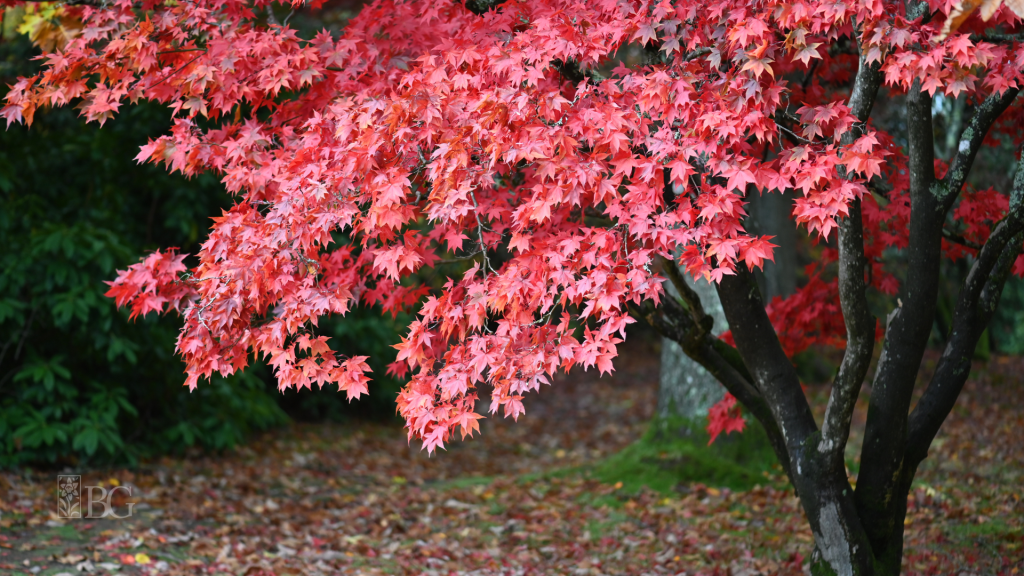
Japanese maple trees (Acer palmatum) are beloved for their visually captivating foliage and graceful growth habits. Their diverse leaf shapes and vibrant colors, ranging from deep purples and reds to oranges and greens, make them an excellent choice for any landscape. Whether planted as a feature tree, grown in containers, or shaped into impressive bonsai specimens, Japanese maples bring an element of timeless beauty to your garden.
Optimal Growing Conditions for Newfoundland
In Newfoundland, where the climate is cool and maritime, Japanese maples can thrive if carefully selected and placed in the right environment. These trees are generally suited for growing in USDA hardiness zones 5 through 8, which aligns with parts of Newfoundland. However, it’s crucial to consider protection from strong winds, frosts, and intense winter conditions.
The key to successful Japanese maple cultivation in Newfoundland lies in selecting the right location and providing protection from harsh elements. In particular, late-spring frosts can damage emerging leaves, while the chilly coastal winds can stress young plants.
Planting Japanese Maple Trees in Newfoundland
Best Time to Plant
The optimal time to plant Japanese maples in Newfoundland is during autumn, between late September and early November, when the tree enters its dormant phase. Planting in autumn allows the roots to establish before winter sets in, giving the tree a strong start in the following growing season. Spring is also an option, but be mindful of late frosts, which can affect tender new growth.
Choosing the Right Location
When choosing a spot for your Japanese maple, opt for a location that offers some protection from Newfoundland’s coastal winds. Japanese maples prefer part-shade conditions, especially in areas where summer sun can be too harsh. A site with morning sunlight and afternoon shade works best to prevent leaf scorch and maintain vibrant leaf colors. If planting near a structure, ensure it’s at least 2-3 metres away from walls to allow for full growth and air circulation.
Soil Requirements
Japanese maples prefer well-draining, slightly acidic soil that retains moisture without becoming waterlogged. In Newfoundland, where soil can range from sandy to clay-heavy, it’s often necessary to amend the planting site with organic matter, such as compost, to improve drainage and soil fertility. If you’re working with heavy clay soil, consider planting your maple slightly elevated to prevent root rot and disease. Mulching around the base of the tree can also help retain soil moisture and regulate temperature.
Caring for Japanese Maples in Newfoundland
Watering Needs
Newly planted Japanese maples require regular watering to establish strong roots. In Newfoundland’s cool and often moist climate, you can reduce watering frequency once the tree is established, but be cautious during dry spells, particularly in summer. Ensure the soil remains moist, but avoid waterlogging. Using a 5 to 8 cm layer of organic mulch around the base will help maintain soil moisture and protect the roots from Newfoundland’s colder temperatures in winter.
Fertilization
Japanese maples benefit from light fertilization in spring, ideally with a slow-release, low-nitrogen fertilizer (N-15 or lower). This encourages balanced growth without excessive foliage that could be damaged by Newfoundland’s cool, windy conditions. Avoid fertilizing in late summer or autumn, as this could hinder the tree’s ability to harden off for winter, reducing its resilience to cold.
Pruning Guidelines
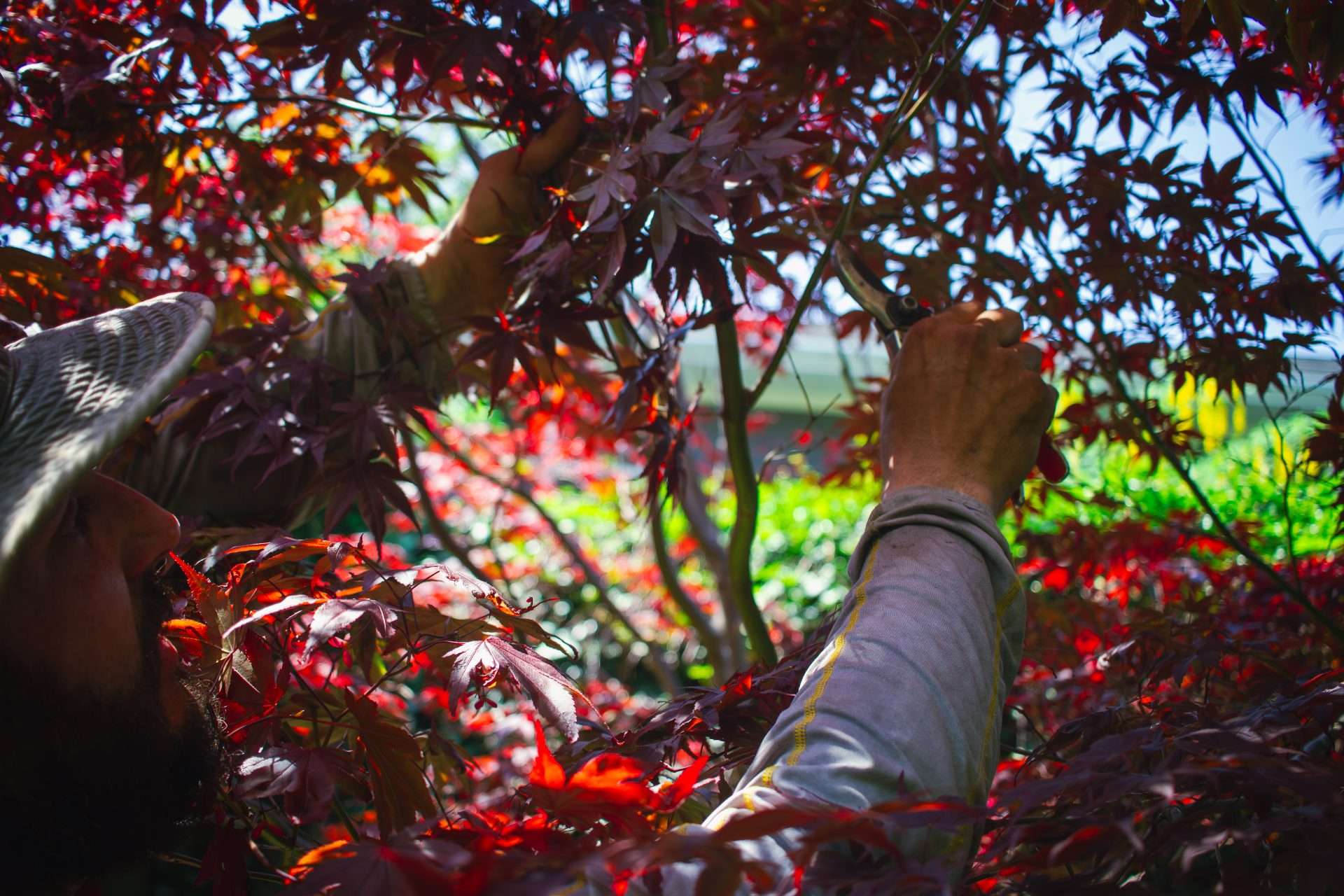
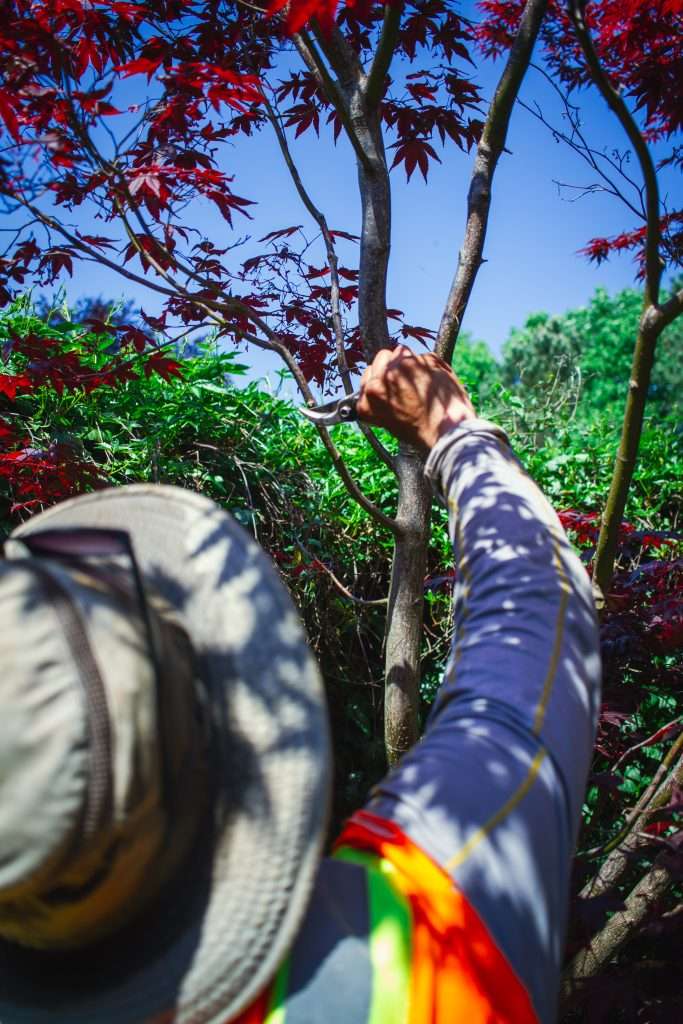
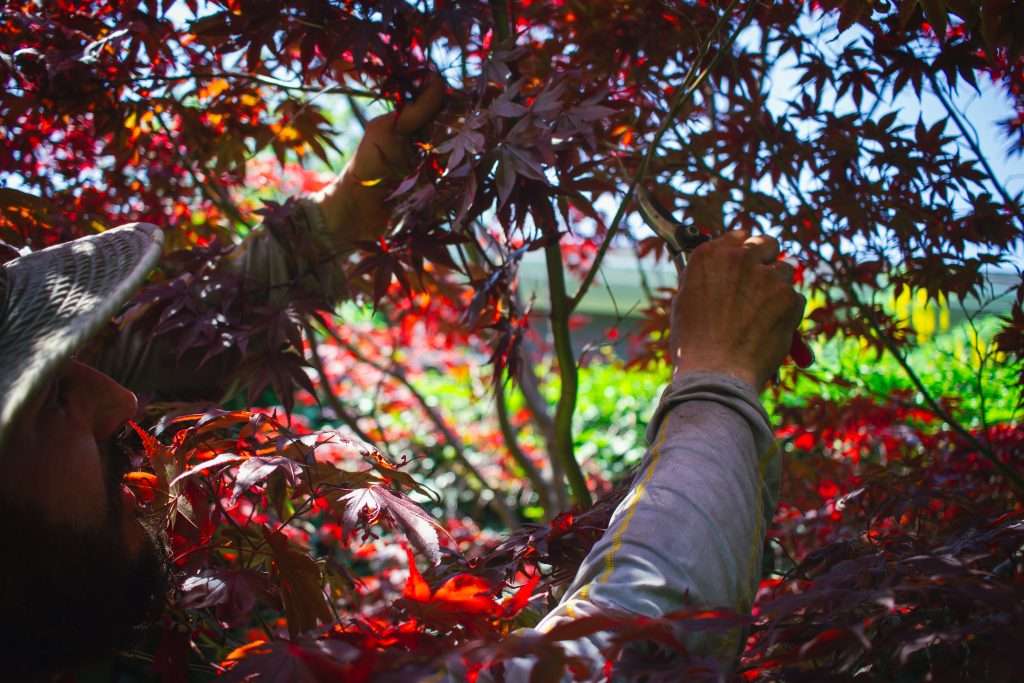
Japanese maples require minimal pruning, and in most cases, they naturally develop an attractive shape. However, if you wish to shape the tree or improve airflow, prune during late summer, typically in August, when sap flow is reduced. This helps prevent disease and ensures the tree recovers quickly. Avoid pruning in late autumn or winter, as this can lead to sap oozing from cuts and increase susceptibility to fungal infections, a concern in Newfoundland’s damp climate.
For shaping your Japanese maple into a bonsai or a more formal garden element, prune selectively to remove crossing branches and any weak or damaged limbs. Remember, Japanese maples are slow growers, and patience is key when training them.
Common Problems and How to Manage Them
Pests and Diseases
While Japanese maples are generally low-maintenance, they can occasionally face issues with pests and diseases. In Newfoundland’s maritime climate, root rot is a concern, especially in poorly drained soils. Ensuring proper drainage and applying mulch can prevent this problem. Additionally, aphids, scale insects, and spider mites can occasionally become a nuisance. Regular inspections and the use of horticultural oils or insecticidal soaps can help keep these pests in check.
Cold Weather Protection
Japanese maples are relatively hardy, but they can be sensitive to extreme cold. In Newfoundland, where winters can be long and harsh, it’s essential to provide some protection, especially for young trees. Consider wrapping the base of the tree with burlap or applying a thicker mulch layer (about 10 cm) to insulate the roots during particularly cold spells. You may also consider windbreaks for young or potted maples exposed to strong winds.
Design Ideas for Japanese Maples
Japanese Maple as a Focal Point
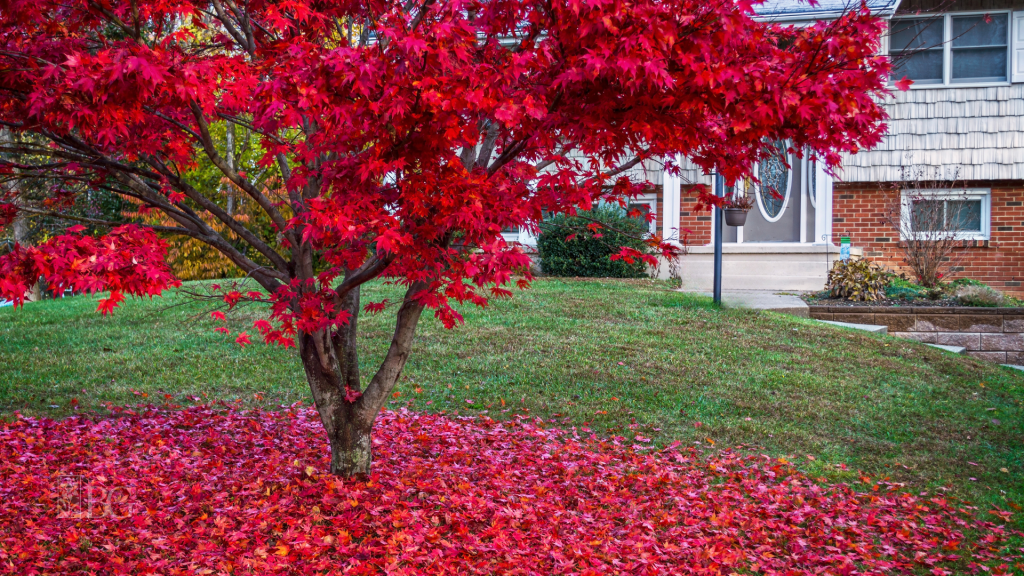
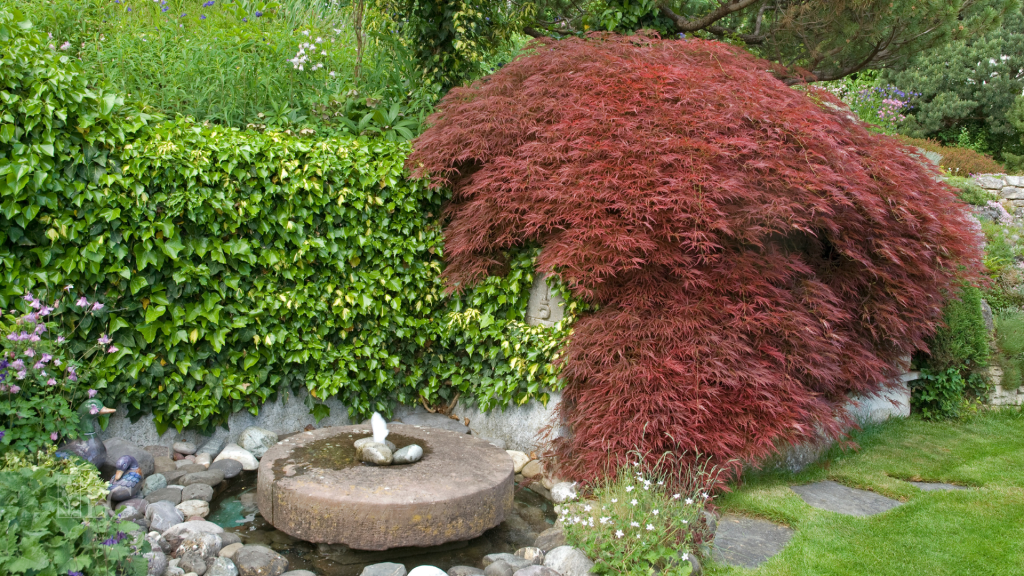
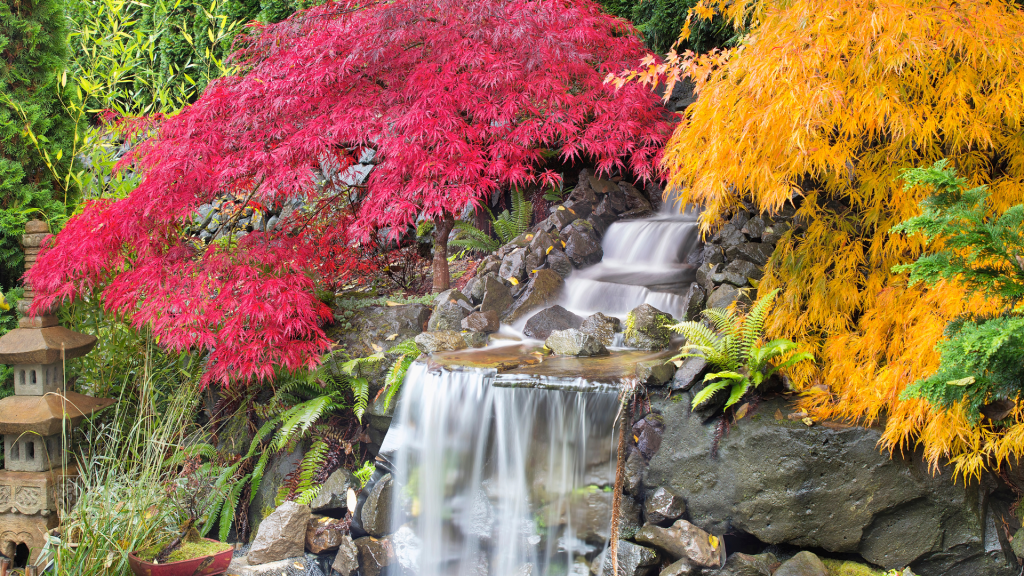
Japanese maples are versatile in garden design, acting as a focal point or complementing other plants. In Newfoundland gardens, their autumn colors—ranging from deep reds to golden yellows—contrast beautifully with evergreen shrubs and groundcovers. Consider pairing your maple with companion plants that enjoy similar conditions, such as rhododendrons, azaleas, or ferns.
Container Gardening
Smaller Japanese maple varieties, such as Acer palmatum ‘Crimson Queen’ or Acer palmatum ‘Butterfly,’ are ideal for container planting. Their compact size and controlled root growth make them perfect for patios or balconies. When grown in containers, Japanese maples develop an impressive sculptural form. Use a well-draining potting mix, and ensure the container has proper drainage to avoid waterlogged roots.
Bonsai and Pruning for Aesthetic Effect
Japanese maples are a top choice for bonsai enthusiasts. Their delicate leaves and naturally elegant form make them ideal for shaping. For those looking to create a formal garden element or a bonsai, careful pruning can turn a Japanese maple into a show-stopping work of art. Whether you’re growing in the landscape or in a pot, limb up the tree to reveal its branching structure and create an airy, light-filled space underneath.
Conclusion
In Newfoundland’s cool and often challenging climate, Japanese maples can thrive with the right care and attention. By choosing the appropriate location, planting them in well-drained soil, and protecting them from harsh winds and frosts, these trees can flourish and become a highlight of your garden. Their striking foliage and graceful form add elegance to any landscape, making them a worthwhile investment for gardeners seeking year-round beauty.
You can consult with our team at Bowering Gardens, lawn and garden experts in St. John’s, Newfoundland, to determine the best practices for your specific region and landscaping, or you can reach out to us below to get a quote so that we can take it off your hands entirely.
Please note that the information provided in this article is based on general guidelines. Specific care and conditions may vary for different varieties and individual gardens.
Frequently Asked Questions
In Newfoundland, the ideal time to plant Japanese maples is during the fall, from late September to early October. This period allows the tree to establish its root system while the above-ground part remains dormant, reducing stress on the plant. Fall planting also takes advantage of the cool, moist conditions that promote healthy root development. However, if you miss the fall window, spring planting is also possible, though you’ll need to ensure there is no risk of late frosts, which can damage young maples in Newfoundland’s unpredictable spring weather.
Japanese maples thrive in partial sunlight in Newfoundland, especially considering the region’s cool, windy conditions. A location that receives morning sun and afternoon shade is ideal, as too much direct sunlight can cause leaf scorch, especially in hotter, windier areas. While Japanese maples are generally tolerant of cooler temperatures, strong winds and excessive sun exposure can cause leaf damage. For best results, choose a spot that is sheltered from strong coastal winds and receives a balanced amount of light.
For Newfoundland’s cooler, coastal climate, choosing cold-hardy varieties of Japanese maples is essential. Varieties like Acer palmatum ‘Bloodgood’ and ‘Crimson Queen’ are well-suited to zones 5 to 7, making them ideal for much of Newfoundland. These cultivars offer brilliant red and burgundy foliage that lasts throughout the season and are resistant to the cool, damp conditions found in St. John’s. Additionally, the Coral Bark Maple (Acer palmatum ‘Sango kaku’) is a good choice for its vibrant bark, which adds color to winter landscapes.
Japanese maples in Newfoundland, especially younger trees, benefit from some winter protection, as harsh winds and extreme cold can damage them. While mature trees are generally hardy, mulching around the base of the tree before winter will help protect the roots from freezing. For younger or more delicate trees, consider using burlap or a tree wrap to shield the branches from winter winds. Placing the tree in a sheltered location, away from direct coastal gusts, also helps reduce the risk of winter damage.
Yes, Japanese maples can be successfully grown in containers in Newfoundland, especially smaller or dwarf varieties like Acer palmatum ‘Mikawa Yatsubusa’ or ‘Kiyohime’. The key is to choose a container that provides good drainage and is large enough to support the tree’s root system. Containers allow you to move the tree to more sheltered areas during harsh weather, such as protecting it from strong winds or early frosts. Just be sure to water consistently, as container-grown trees are more susceptible to drying out, especially during dry summer periods or under windy conditions.
Remember, gardening is not only about nurturing plants but also about embracing the joy and wonder that nature brings. Happy gardening!
Posted on
Posted in Blog
