
Flower Friday – Leopard’s Bane
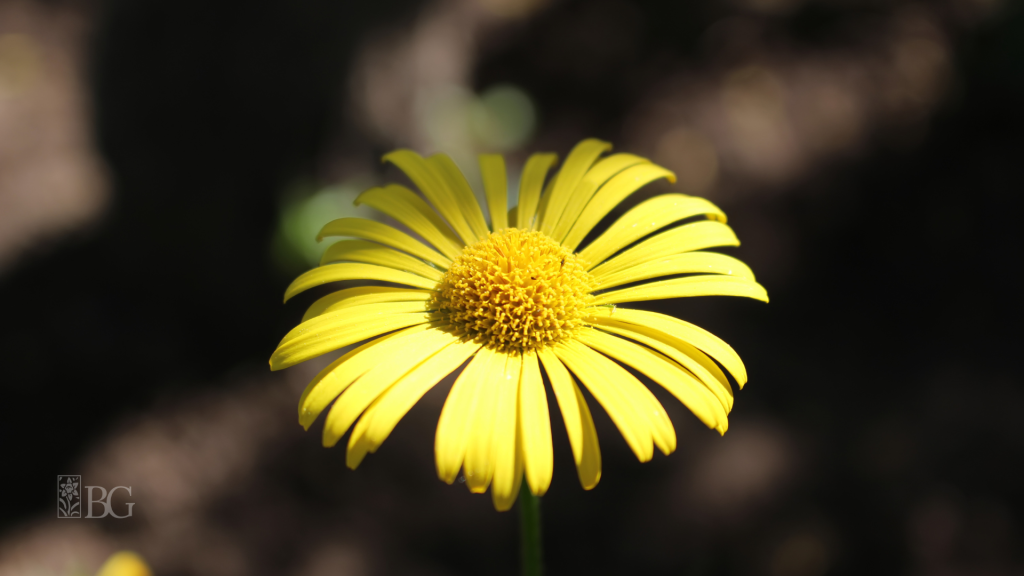
Leopard’s Bane (Doronicum orientale): A Guide for Gardeners in St. John’s, Newfoundland
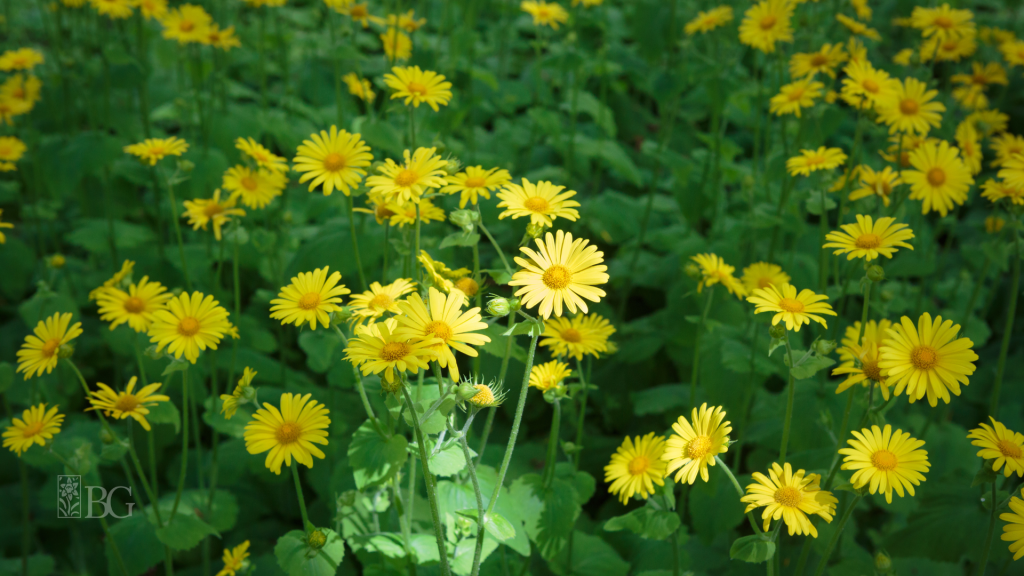
Leopard’s Bane (Doronicum orientale) is a perennial favourite among gardeners in St. John’s, Newfoundland, known for its cheerful yellow, daisy-like blooms that herald the arrival of spring. Thriving in the cool, moist conditions characteristic of Newfoundland’s climate, this shade-loving plant adds vibrant colour to gardens and is particularly well-suited to woodland settings and shaded borders.
Understanding Leopard’s Bane
- Botanical Name: Doronicum orientale
- Common Name: Leopard’s Bane
- Family: Asteraceae (Daisy family)
- Plant Type: Herbaceous Perennial
- Mature Size: 30–60 cm tall; 20–45 cm wide
- Bloom Time: Late April to May
- Flower Colour: Bright Yellow
- Sun Exposure: Partial Shade to Full Shade
- Soil Type: Moist, Well-Drained, Slightly Acidic Soil
- Soil pH: 5.5 to 6.2
- Hardiness Zones: USDA Zones 4–8; suitable for Newfoundland’s climate
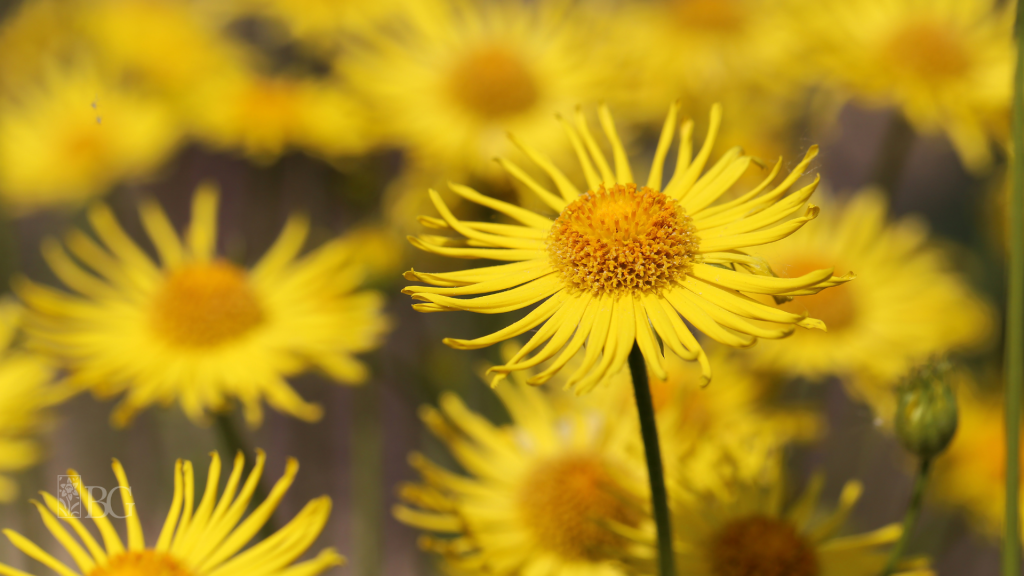
Planting Leopard’s Bane in Newfoundland
In St. John’s, the optimal time to plant Leopard’s Bane is in early spring, after the last frost, or in late summer to early fall. This timing allows the plant to establish roots before the onset of extreme temperatures.
Planting Steps:
- Site Selection: Choose a location with partial to full shade, such as under deciduous trees or on the north side of buildings.
- Soil Preparation: Ensure the soil is rich in organic matter and well-drained. Incorporate compost to improve soil structure and fertility.
- Planting: Space plants 20–45 cm apart, depending on the variety. Dig a hole twice the width of the root ball and of equal depth. Place the plant in the hole, backfill with soil, and water thoroughly.
- Mulching: Apply a 5 cm layer of mulch around the base to retain moisture and suppress weeds, keeping mulch away from the stem to prevent rot.
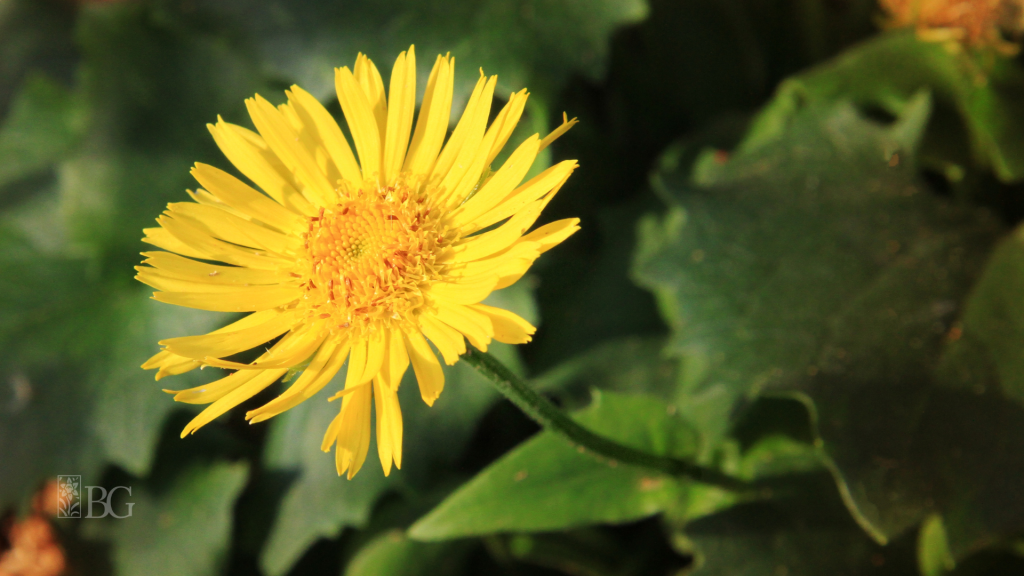
Caring for Leopard’s Bane
Leopard’s Bane is relatively low-maintenance, making it an excellent choice for Newfoundland gardeners.
- Watering: Maintain consistent soil moisture, especially during dry periods. Avoid waterlogging, as the plant is susceptible to root rot.
- Fertilizing: In the second year after planting, apply a balanced, slow-release fertilizer (e.g., 10-10-10) in early spring, following package instructions.
- Pruning: Deadhead spent flowers to encourage prolonged blooming. After flowering, the foliage may die back; this is normal. Cut back any unsightly foliage to maintain garden aesthetics.
- Winter Care: In Newfoundland’s climate, Leopard’s Bane is hardy and requires minimal winter protection. However, applying mulch in late fall can help insulate the roots.

Propagating Leopard’s Bane
Propagation is best achieved through division:
- Timing: Divide plants in early spring or after flowering in late summer.
- Method: Carefully dig up the plant and separate the root clump into sections, ensuring each has healthy roots and shoots.
- Replanting: Replant divisions at the same depth as the original plant, water well, and maintain consistent moisture until established.
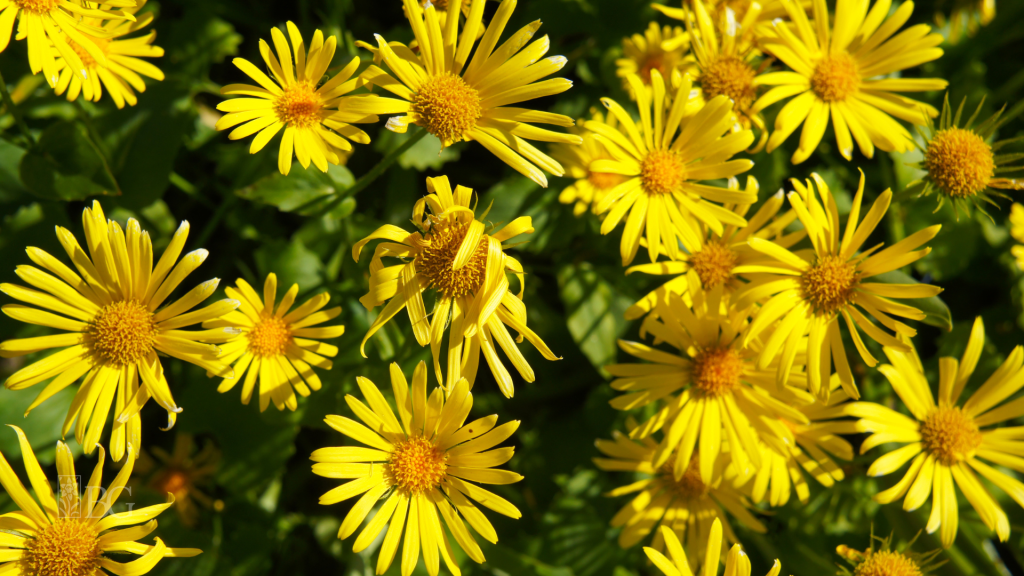
Suitable Varieties for Newfoundland Gardens
- ‘Little Leo’: A compact variety growing to 30 cm, ideal for containers and small garden spaces.
- ‘Leonardo Compact’: Reaches 20–25 cm in height, suitable for edging and mass plantings.
- ‘Magnificum’: A taller variety at 60 cm, with dark green foliage that remains attractive throughout the growing season.
Companion Planting
Leopard’s Bane pairs well with other shade-tolerant perennials, enhancing the visual appeal of your garden:
- Astilbe: Offers feathery plumes and thrives in similar conditions.
- Lady’s Mantle (Alchemilla mollis): Provides soft, scalloped leaves and chartreuse flowers.
- Solomon’s Seal (Polygonatum spp.): Adds architectural interest with arching stems and bell-shaped flowers.
Common Issues and Solutions
- Pests: Generally pest-resistant, but may occasionally attract aphids or sawflies. Monitor plants and treat infestations promptly with appropriate methods.
- Diseases: Susceptible to root rot in poorly drained soils. Ensure proper drainage and avoid overwatering.
- Dormancy: Foliage may die back in summer heat; this is a natural dormancy period. Maintain soil moisture and expect regrowth in cooler temperatures.
Conclusion
Leopard’s Bane is a valuable addition to St. John’s gardens, offering early-season colour and thriving in the region’s cool, moist conditions. With minimal maintenance requirements and compatibility with various shade-loving companions, it’s an excellent choice for gardeners seeking to enhance their spring landscapes.
You can consult with our team at Bowering Gardens, lawn and garden experts in St. John’s, Newfoundland, to determine the best practices for your specific region and landscaping, or you can reach out to us below to get a quote so that we can take it off your hands entirely.
Please note that the information provided in this article is based on general guidelines. Specific care and conditions may vary for different varieties and individual gardens.
Frequently Asked Questions
The optimal time to plant Leopard’s Bane in Newfoundland is in early spring, after the last frost, or in late summer to early fall. These periods allow the plant to establish roots before extreme temperatures set in.
To encourage abundant blooms, plant Leopard’s Bane in partial to full shade with moist, well-drained soil. Maintain consistent soil moisture, especially during dry spells, and apply a balanced, slow-release fertilizer in early spring starting the second year after planting. Deadheading spent flowers can also promote prolonged blooming.
Yes, compact varieties like ‘Little Leo’ and ‘Leonardo Compact’ are well-suited for container gardening. Ensure containers have adequate drainage and use a rich, well-draining potting mix. Keep the soil consistently moist and provide partial shade to mimic the plant’s natural woodland habitat.
Leopard’s Bane is hardy in USDA Zones 4–8, making it well-suited to Newfoundland’s climate. In most cases, it doesn’t require additional winter protection. However, applying a layer of mulch in late fall can help insulate the roots and maintain soil moisture.
While propagation by division is more common and reliable, Leopard’s Bane can be grown from seeds. Sow seeds indoors in late winter, lightly covering them with soil, and keep them moist until germination. Transplant seedlings outdoors in early spring after the last frost. Note that seed propagation may result in variability in plant characteristics.
Remember, gardening is not only about nurturing plants but also about embracing the joy and wonder that nature brings. Happy gardening!
Posted on
Posted in Blog
