
Flower Friday – Magnolia ‘Susan’
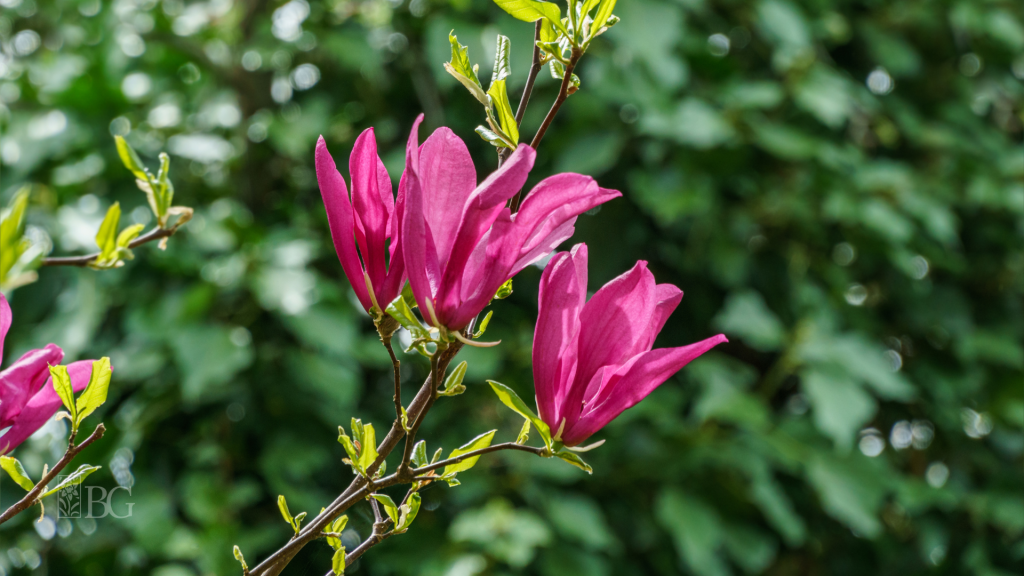
Magnolia ‘Susan’ Care Guide for Cold Climates and Coastal Gardens
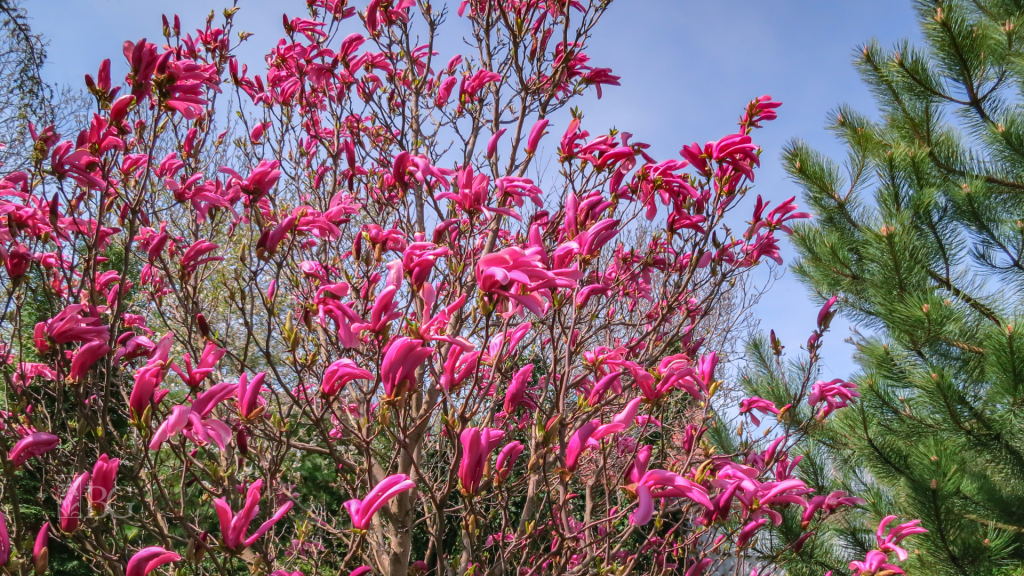
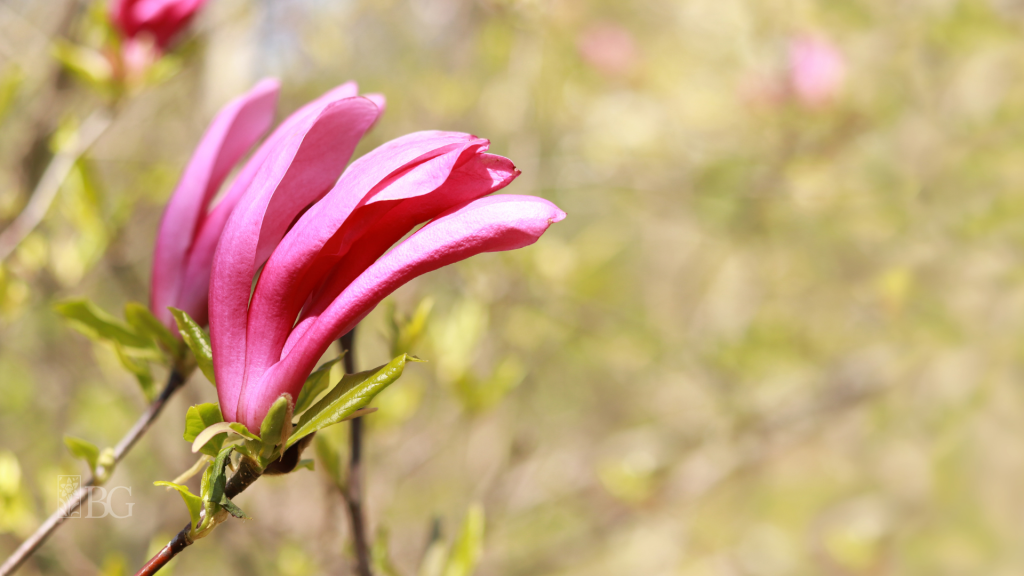
Magnolia ‘Susan’ is a standout flowering shrub or small tree known for its compact size and stunning deep pinkish-purple blooms that appear in early spring. As part of the Little Girl hybrid series developed at the U.S. National Arboretum, ‘Susan’ was bred to bloom later than most magnolias, reducing the risk of flower damage from late frosts. This makes it an ideal ornamental for colder coastal regions like St. John’s, Newfoundland.
With proper site selection, planting, and care, Magnolia ‘Susan’ provides years of colour, fragrance, and structure in residential gardens and public landscapes.
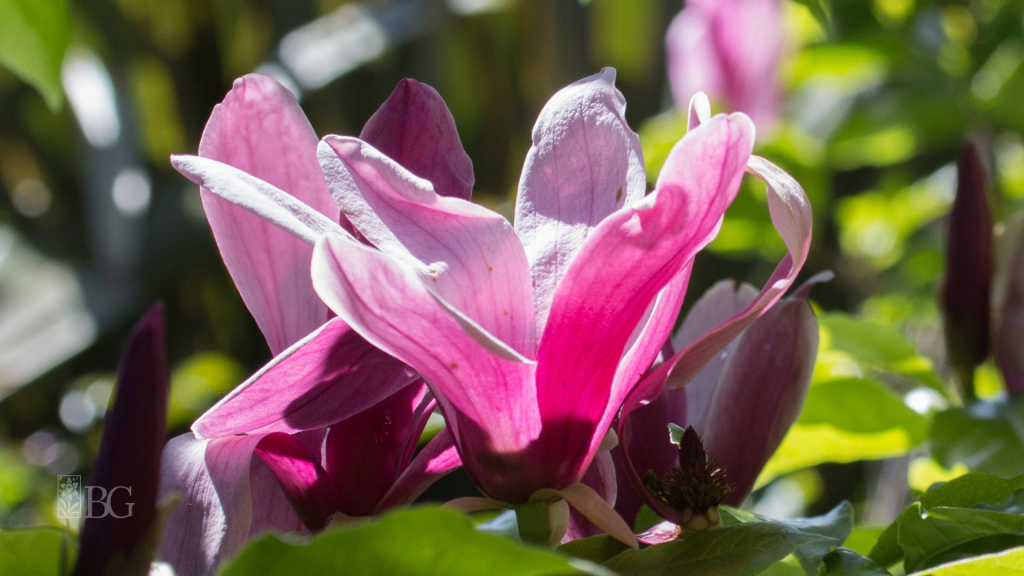
Plant Profile
- Botanical Name: Magnolia ‘Susan’
- Common Name: Susan Magnolia
- Family: Magnoliaceae
- Plant Type: Deciduous shrub or small tree
- Mature Size: 2.5 to 4 metres tall, 2 to 3 metres wide
- Growth Rate: Slow to moderate
- Bloom Time: Mid to late spring (usually May in Newfoundland)
- Flower Colour: Reddish-purple with lighter interiors
- Foliage: Glossy, dark green leaves; turns yellow in autumn
- Hardiness Zone: USDA Zone 4 (suitable for St. John’s)
- Soil: Moist, slightly acidic, well-drained
- Sunlight: Full sun to partial shade
- Deer Resistant: Moderately resistant
- Fragrance: Lightly fragrant flowers
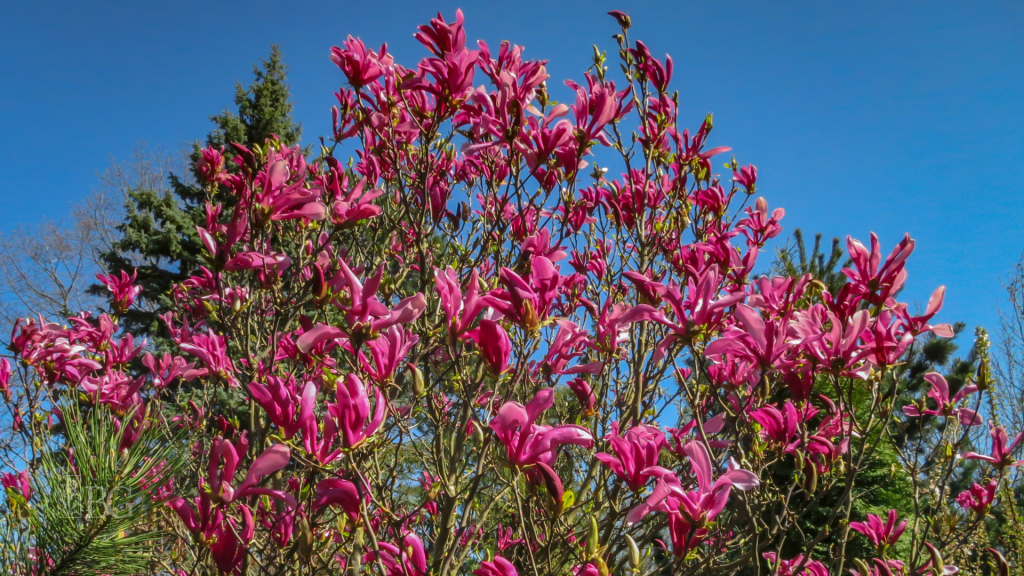
Why It Performs Well in St. John’s
Magnolia ‘Susan’ is well suited to Newfoundland’s coastal climate thanks to its hardiness and adaptability. Unlike traditional magnolias that bloom early and risk frost damage, ‘Susan’ flowers later, after most spring frosts have passed. Its compact size also makes it ideal for smaller urban gardens and protected microclimates.
The cool summers and reliable rainfall in St. John’s contribute to healthy root development and prolonged flowering. While it appreciates full sun, Susan Magnolia can tolerate partial shade, particularly if planted near buildings or larger shrubs that shield it from strong winds.
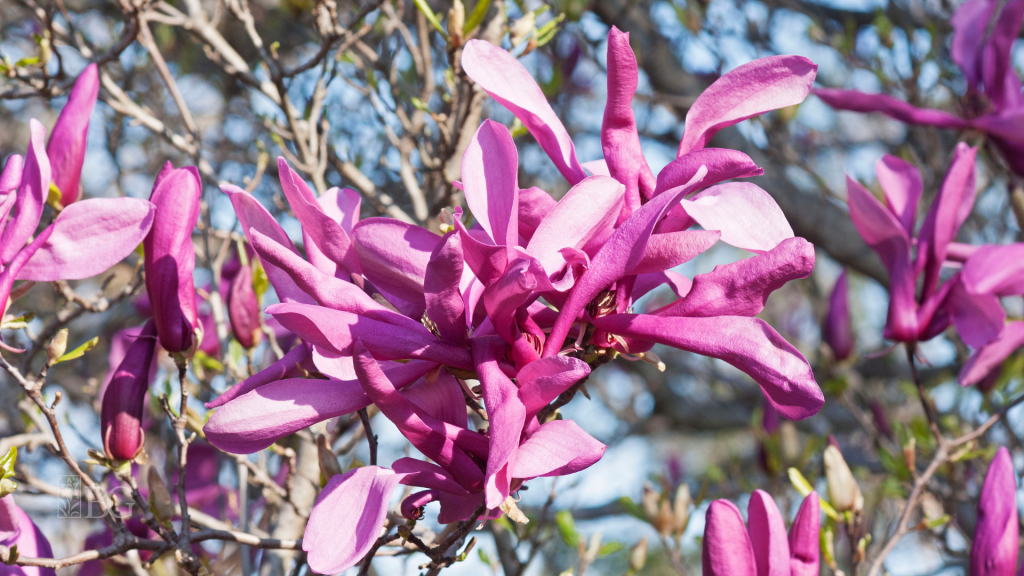
Site Selection and Planting
Choose a location with protection from strong winter winds, ideally on the east or south-facing side of your home or fence. The site should receive at least 6 hours of sun per day, though partial shade is acceptable. Soil should be well-drained but consistently moist, with organic matter worked in to improve texture and water retention.
Plant in early spring or early fall. Dig a hole twice the width of the root ball and the same depth. Position the plant so the top of the root ball is level with the surrounding soil. Backfill, firm gently, and water thoroughly.
Apply a 5–7 cm layer of organic mulch to conserve moisture and insulate roots. Keep mulch 5 cm away from the base of the trunk to prevent rot.

Care and Maintenance
Magnolia ‘Susan’ is relatively low maintenance once established, but some seasonal care ensures strong performance:
Watering: Keep the soil evenly moist, especially during the first two years. Mature plants are moderately drought-tolerant but perform best with consistent moisture.
Fertilization: Apply a slow-release, balanced fertilizer in early spring. Avoid high-nitrogen fertilizers, which may reduce flowering.
Pruning: Prune only as needed to remove dead or damaged branches. If shaping is required, do so after flowering in late spring.
Winter Protection: While hardy to Zone 4, young plants benefit from wind protection and mulch around the root zone. In St. John’s, heavy wet snow may weigh down branches; consider tying limbs upright in late fall.
Common Issues and Solutions
- Late Frost: One of the biggest threats to magnolias in Newfoundland. Fortunately, ‘Susan’ blooms later than many varieties, reducing this risk. Still, avoid planting in frost pockets or open, exposed sites.
- Leaf Scorch: Can occur during drought or from salt exposure. Ensure the plant is well watered and not too close to roads or salt-treated paths.
- Yellowing Leaves: May indicate poor drainage or alkaline soil. Add compost and organic matter to correct soil texture and test pH if issues persist.
- Pests/Disease: Magnolia scale and verticillium wilt are rare but possible. Ensure good airflow and never overwater. Neem oil can help with scale infestations.
Companion Plants
Plant with other spring bloomers and shade-tolerant ground covers such as:
- Hellebores
- Heuchera (Coral Bells)
- Ferns
- Astilbe
- Hydrangeas
These combinations provide colour, contrast, and foliage interest throughout the season.
You can consult with our team at Bowering Gardens, lawn and garden experts in St. John’s, Newfoundland, to determine the best practices for your specific region and landscaping, or you can reach out to us below to get a quote so that we can take it off your hands entirely.
Please note that the information provided in this article is based on general guidelines. Specific care and conditions may vary for different varieties and individual gardens.
Frequently Asked Questions
Early spring or early fall is ideal, allowing roots to establish before harsh winter or dry summer conditions. Spring planting gives the longest growing period before winter, which is beneficial in colder climates like St. John’s.
This cultivar has a slow to moderate growth rate, typically adding 20 to 30 cm of height per year under ideal conditions. It reaches full size in 10–15 years, making it manageable for small urban gardens.
Yes, but flowering may be reduced. For best blooms, plant in a location that receives full sun or dappled light. In Newfoundland’s cooler climate, partial shade is often sufficient.
While cold-hardy, this plant prefers some shelter from wind. It does not tolerate salt spray well, so avoid planting too close to coastal exposure or salted driveways and roads.
It’s possible for short-term display or on sheltered patios, but not ideal long term. The root system needs space to spread. Use containers at least 50 cm deep and wide, and provide winter insulation.
Remember, gardening is not only about nurturing plants but also about embracing the joy and wonder that nature brings. Happy gardening!
Posted on
Posted in Blog
