
Flower Friday – Paperbark Maple

Paperbark Maple: A Premier Choice for Gardens in St. John’s, Newfoundland
The Paperbark Maple (Acer griseum) stands out as an exceptional addition to gardens, offering year-round visual appeal, minimal maintenance, and adaptability to a variety of climates, including the cool maritime conditions of St. John’s, Newfoundland. With its distinct cinnamon-colored peeling bark and vibrant autumn foliage, this deciduous tree is both a statement piece and a resilient performer. Below, we present a detailed guide on integrating Paperbark Maple into your landscaping for lasting beauty and ecological benefits.
Understanding the Paperbark Maple
Unique Features
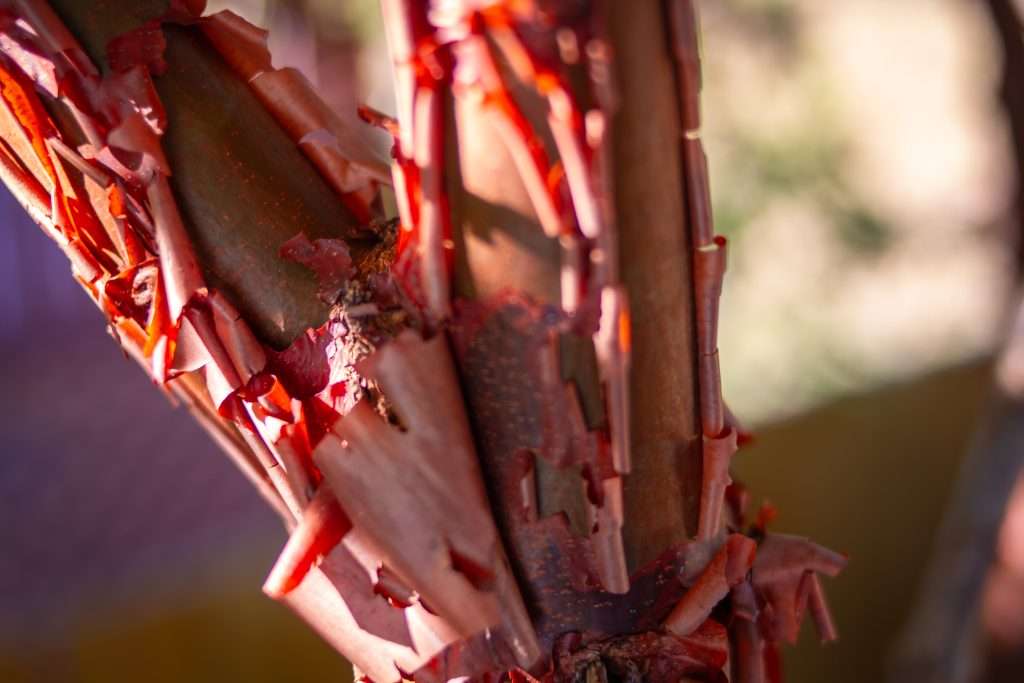
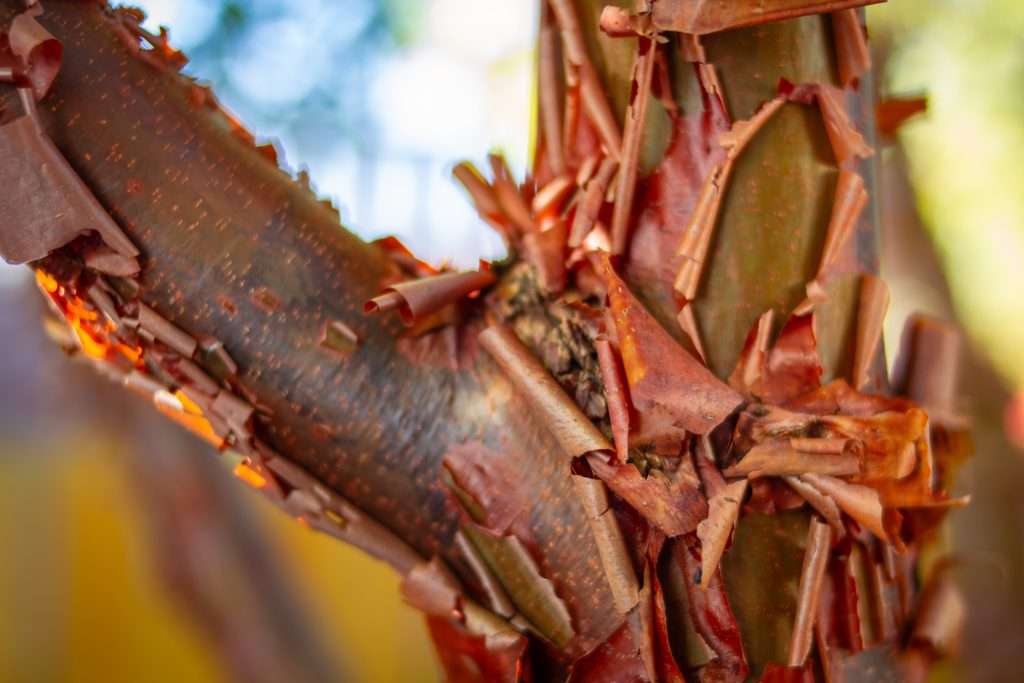
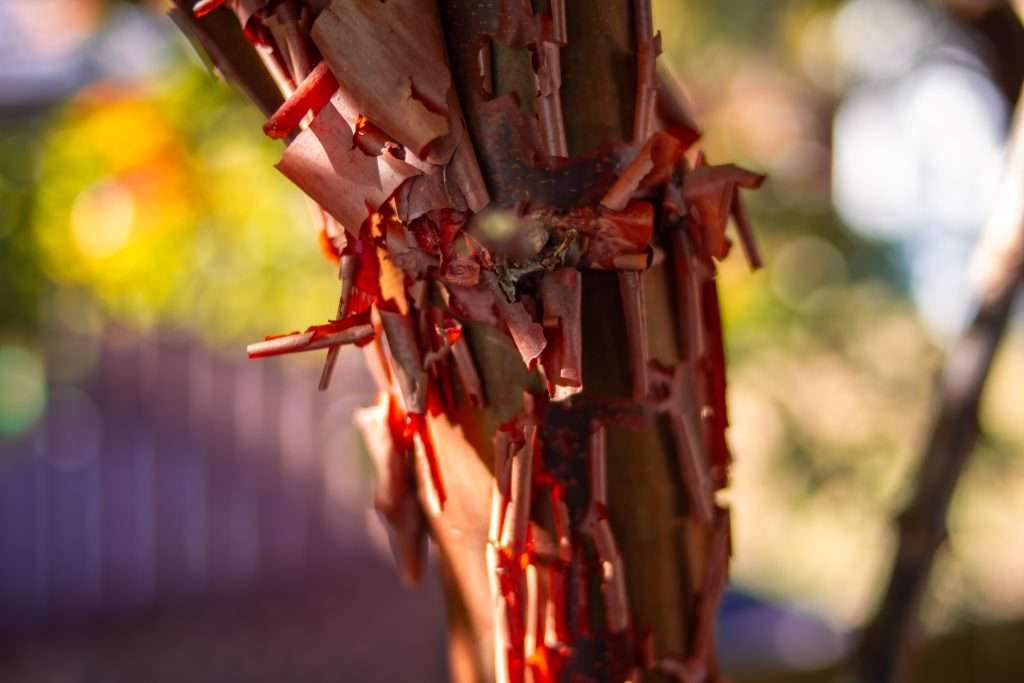
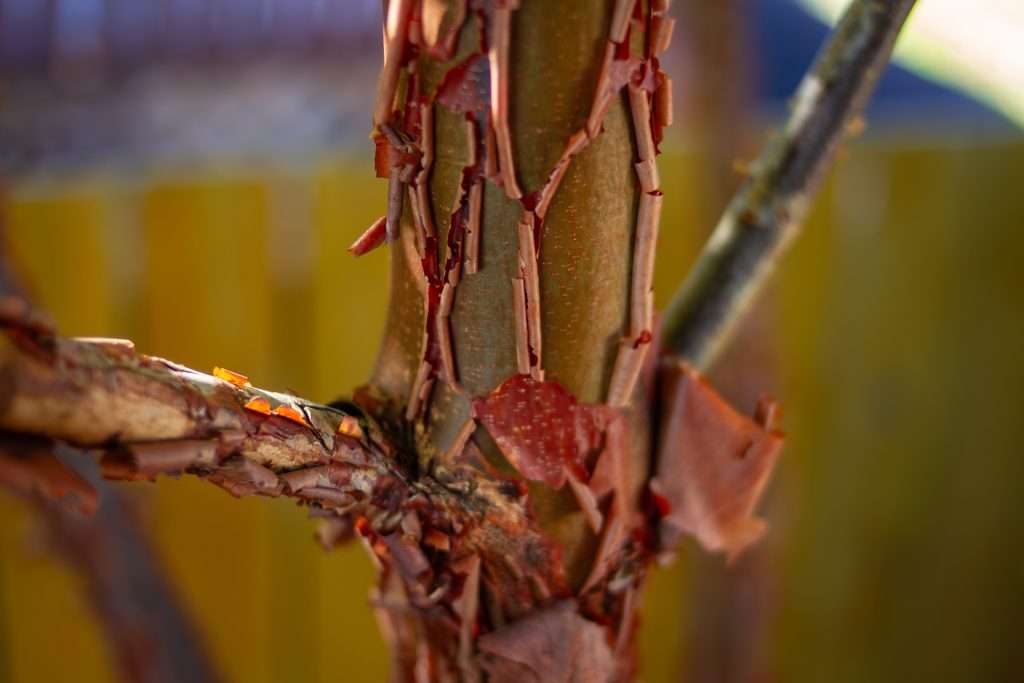
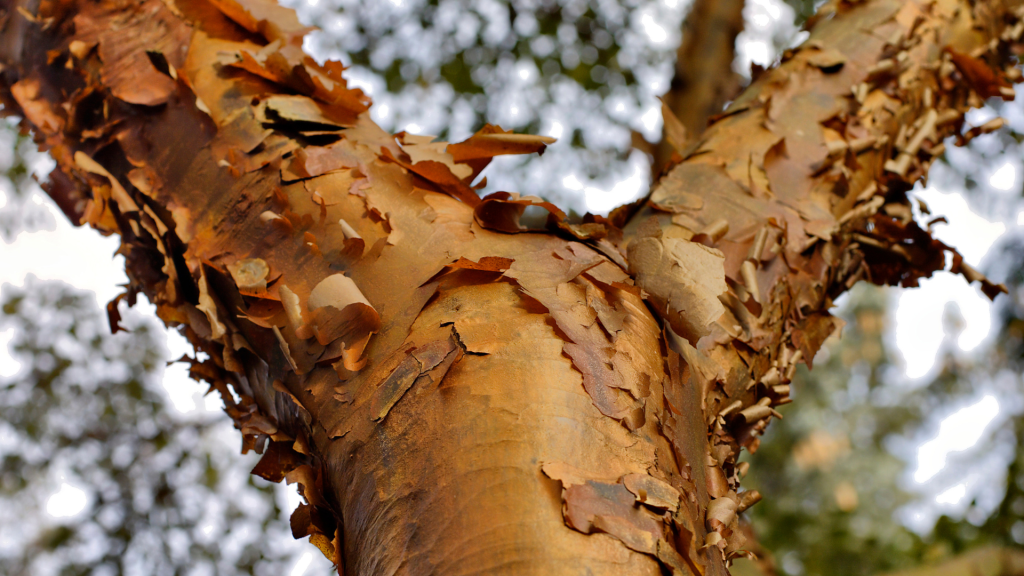
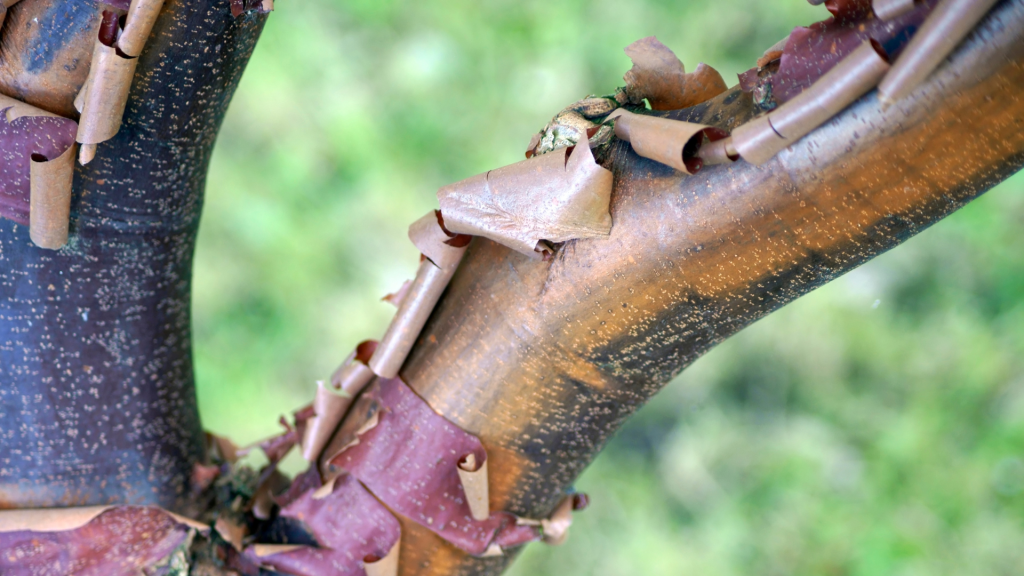
The Paperbark Maple is native to central China but has become a favorite worldwide for its ornamental attributes. Its most striking feature is its exfoliating bark, which peels in thin, curling layers to reveal rich cinnamon and reddish-brown hues. This effect is especially prominent during winter when the tree is bare.
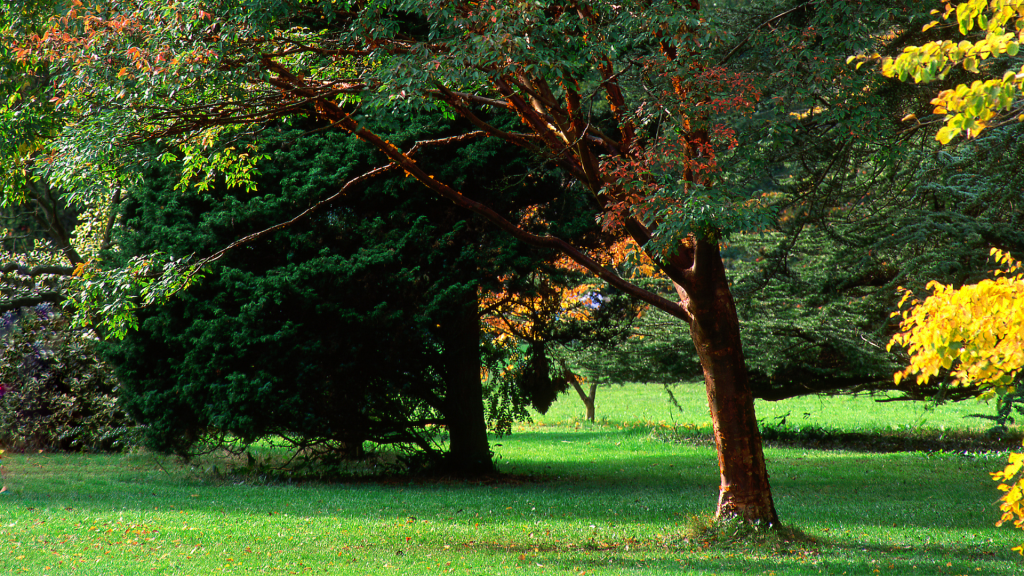
The tree’s trifoliate leaves are another highlight, turning shades of fiery orange and red in autumn, offering a brilliant seasonal display. With a mature height of 6–9 meters (20–30 feet) and a spread of 4.5–7.5 meters (15–25 feet), the Paperbark Maple is ideal for small to medium-sized gardens.
Benefits of Planting Paperbark Maple in St. John’s
Year-Round Aesthetic Appeal
- Seasonal Colors: From vibrant fall foliage to its elegant winter silhouette, the Paperbark Maple offers continuous visual interest.
- Compact Size: Its manageable size makes it suitable for urban gardens, courtyards, and residential landscapes.
Adaptability and Low Maintenance
- Climate Suitability: Thrives in St. John’s cool, moist climate. It can withstand cold winters and moderate summers with ease.
- Minimal Upkeep: Requires little pruning and is drought-tolerant once established.
Environmental Contributions
- Air Quality Improvement: Acts as a natural air purifier by sequestering carbon dioxide and producing oxygen.
- Erosion Control: The tree’s dense root system helps stabilize soil, especially on sloped sites or areas prone to runoff.
Optimal Growing Conditions for Paperbark Maple
Sunlight Preferences
For the best bark and foliage coloration, plant Paperbark Maple in full sun to partial shade. Ensure it receives at least six hours of direct sunlight daily.
Soil Requirements
This maple thrives in well-draining, slightly acidic soil. While it tolerates clay and loam soils, adding organic matter like compost enhances growth. Avoid overly saturated or compacted soils.
Space Planning
Allow sufficient room for the tree’s mature dimensions. Maintain a distance of at least 3–4.5 meters (10–15 feet) from nearby structures or trees to prevent overcrowding.
Planting and Establishing Paperbark Maple
Best Planting Times
- Spring: Early spring planting allows the tree to establish roots before the heat of summer.
- Autumn: Planting in the fall takes advantage of cooler temperatures and increased rainfall.
Step-by-Step Planting Guide
- Prepare the Site: Dig a hole twice as wide as the root ball and as deep as the tree’s nursery container.
- Position the Tree: Place the tree in the hole, ensuring the top of the root ball is level with the ground.
- Backfill: Use native soil mixed with organic matter to fill the hole, gently firming as you go.
- Water: Thoroughly saturate the soil around the tree immediately after planting.
- Mulch: Apply a 5–7.5 cm (2–3 inch) layer of organic mulch around the base, keeping it clear of the trunk to prevent rot.
Initial Care
Water regularly during the first growing season to establish a deep, resilient root system. Reduce watering frequency as the tree matures.
Long-Term Care and Maintenance
Watering Schedule
Once established, the Paperbark Maple requires infrequent but deep watering. During prolonged dry periods, water every 7–10 days to maintain healthy growth.
Fertilization
Feed the tree annually in early spring with a balanced, slow-release fertilizer. Avoid excessive nitrogen, as it may reduce bark coloration.
Pruning Practices
Pruning is minimal, focusing on removing dead, damaged, or crossing branches. Perform pruning in late winter or early spring before new growth begins.
Landscaping Applications
Focal Point
The Paperbark Maple’s striking bark and symmetrical form make it an ideal specimen tree. Position it near pathways, patios, or entrances for maximum visual impact.
Companion Planting
Combine Paperbark Maple with shade-tolerant perennials and shrubs that highlight its bark and foliage. Suitable companions include:
- Japanese Forest Grass (Hakonechloa macra): Adds a soft, flowing texture.
- Hostas: Provide lush, contrasting foliage beneath the tree.
- Evergreens: Create a year-round backdrop to enhance winter interest.
Winter Highlights
Accent the Paperbark Maple with soft lighting to illuminate its bark on dark winter evenings.
Addressing Local Challenges in Newfoundland
Coping with Wind and Salt Spray
St. John’s coastal environment can expose trees to salt and strong winds. Protect young Paperbark Maples with burlap screens during winter and ensure proper mulching to conserve soil moisture.
Soil Improvement
Enrich native soil with compost or peat moss to enhance drainage and fertility. If salt buildup is an issue, incorporate gypsum to mitigate its effects.
Conclusion
The Paperbark Maple is a versatile, elegant, and resilient tree that thrives in the maritime climate of St. John’s. Its year-round beauty, low maintenance needs, and adaptability make it an exceptional choice for any garden. By following proper planting and care practices, you can enjoy the aesthetic and environmental benefits of this tree for decades.
Elevate your garden’s appeal with the Paperbark Maple—an enduring symbol of natural artistry and resilience. For expert advice on planting and maintaining this remarkable tree, consult with our team of professionals.
You can consult with our team at Bowering Gardens, lawn and garden experts in St. John’s, Newfoundland, to determine the best practices for your specific region and landscaping, or you can reach out to us below to get a quote so that we can take it off your hands entirely.
Please note that the information provided in this article is based on general guidelines. Specific care and conditions may vary for different varieties and individual gardens.
Frequently Asked Questions
Yes, Paperbark Maple’s compact size makes it an excellent choice for small gardens or urban landscapes.
Paperbark Maple generally requires minimal pruning, primarily to remove dead or diseased branches and maintain its shape.
Paperbark Maple is considered a slow to moderate grower, typically adding 6-12 inches of growth per year under optimal conditions.
While Paperbark Maple prefers full sun to partial shade, it can tolerate some shade, although this may result in less vibrant foliage coloration.
Paperbark Maple is moderately resistant to caribou, moose, and hare browsing, but young trees may require protection until they become established.
Remember, gardening is not only about nurturing plants but also about embracing the joy and wonder that nature brings. Happy gardening!


Posted on
Posted in Blog
