
Flower Friday – Paperbark Maple

Using Paperbark Maple in Your Garden in St. John’s, Newfoundland
Paperbark Maple, known scientifically as Acer griseum, is a stunning deciduous tree renowned for its unique features and ornamental appeal. If you’re looking to add a touch of elegance and charm to your garden in St. John’s, Newfoundland, incorporating Paperbark Maple could be an excellent choice. Let’s explore why and how you can make the most of this beautiful tree.
Introduction to Paperbark Maple
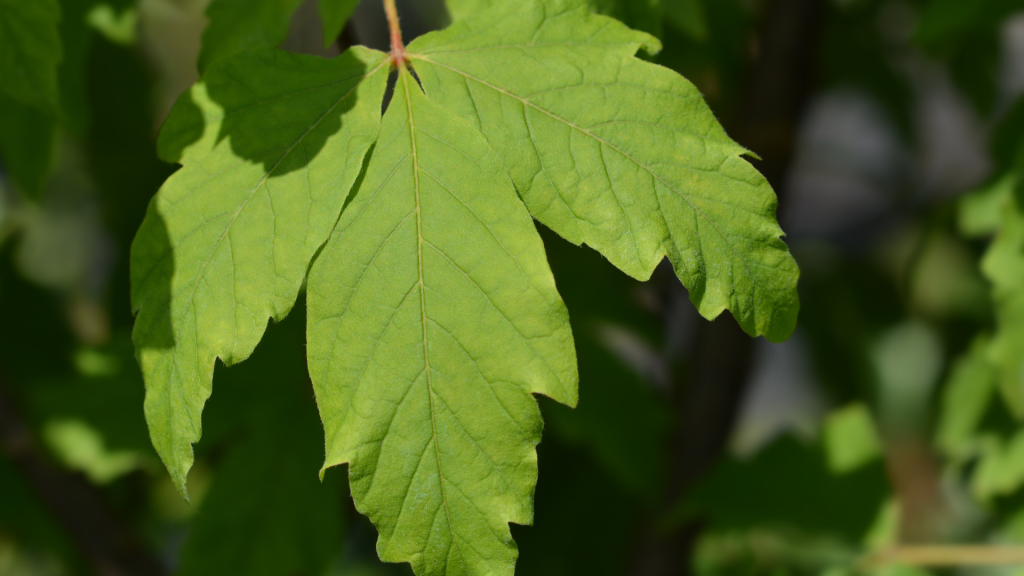
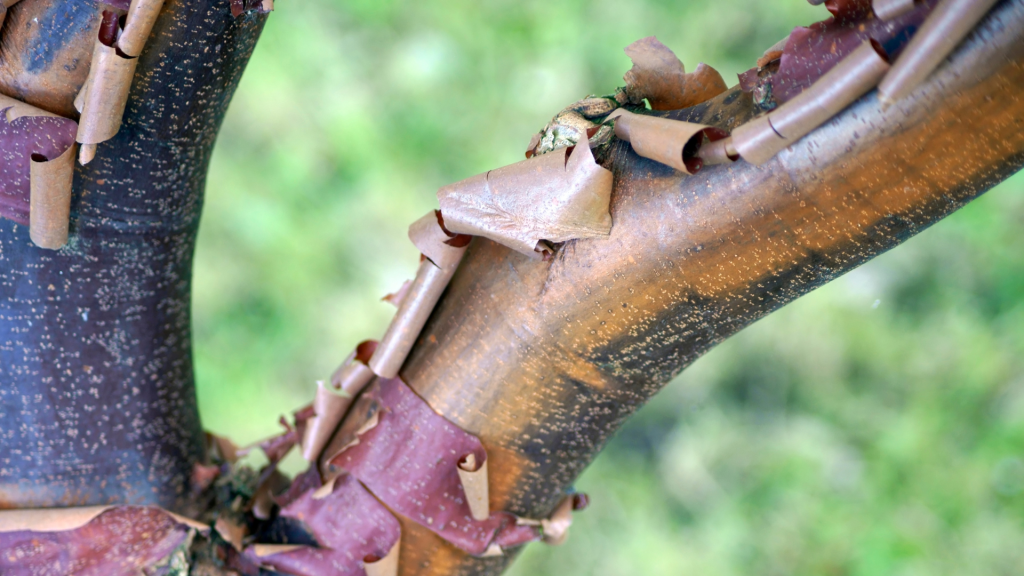
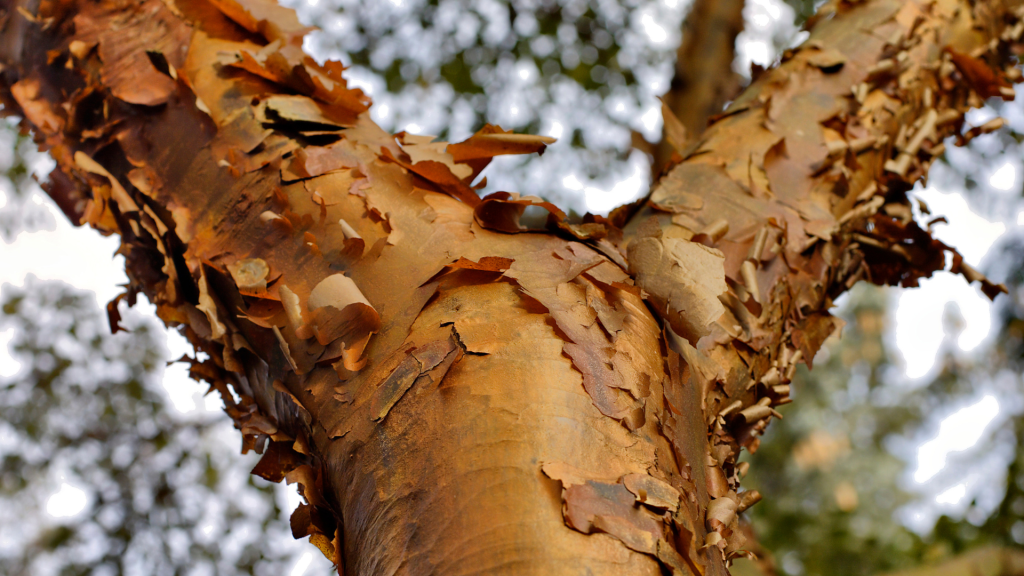
What is Paperbark Maple? Paperbark Maple is a species of maple tree native to central China. It is named for its striking cinnamon-colored bark, which peels and curls, creating visual interest year-round. Its leaves turn vibrant shades of orange and red in the fall, further enhancing its beauty.
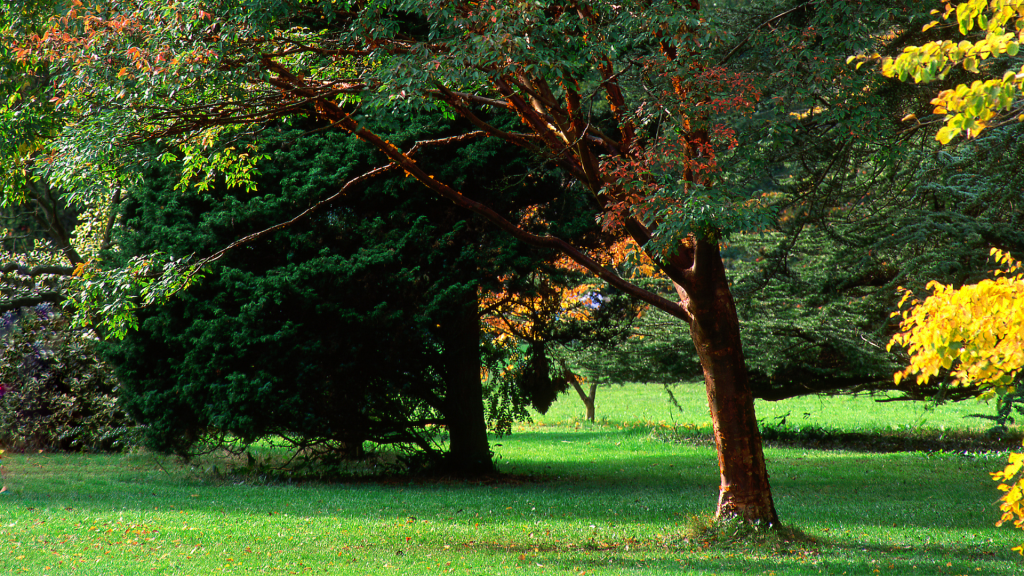
Unique Features and Characteristics Aside from its captivating bark, Paperbark Maple is admired for its petite size, making it suitable for gardens of all sizes. It typically grows to a height of 20-30 feet, with a spread of 15-25 feet, making it an ideal choice for smaller landscapes.
Benefits of Paperbark Maple in Your Garden
Aesthetics and Visual Appeal One of the primary reasons gardeners gravitate towards Paperbark Maple is its aesthetic allure. Whether planted as a standalone specimen or incorporated into a mixed border, its distinctive bark and vibrant foliage add visual interest throughout the seasons.
Low Maintenance Requirements For busy gardeners, Paperbark Maple offers the appeal of minimal maintenance. Once established, it is relatively drought-tolerant and requires little pruning, aside from occasional shaping to maintain its desired form.
Adaptability to Various Climates While native to China, Paperbark Maple is surprisingly adaptable to a range of climates, including the cool maritime climate of St. John’s, Newfoundland. With proper care and siting, it can thrive in regions with cold winters and moderate summers.
Choosing the Right Location
Sunlight Requirements Paperbark Maple thrives in full sun to partial shade. When selecting a location in your garden, aim for an area that receives at least 6 hours of direct sunlight per day for optimal growth and foliage coloration.
Soil Preferences This maple species prefers well-drained, slightly acidic soil. However, it can tolerate a variety of soil types, including clay and loam. Prioritize soil that retains moisture without becoming waterlogged to prevent root rot.
Space Considerations Consider the mature size of Paperbark Maple when choosing a planting location. Ensure adequate spacing between trees and nearby structures to accommodate its eventual size and prevent overcrowding.
Planting Paperbark Maple
Best Time to Plant The ideal time to plant Paperbark Maple is in the early spring or fall when temperatures are mild, and rainfall is more abundant. Avoid planting during periods of extreme heat or cold to reduce stress on the tree.
Proper Planting Techniques Dig a hole that is twice as wide as the tree’s root ball and of equal depth. Gently loosen the roots before placing the tree in the hole, ensuring it sits at the same level as it did in the nursery pot. Backfill the hole with soil, water thoroughly, and mulch around the base to retain moisture.
Watering and Initial Care Keep the soil consistently moist, but not waterlogged, during the tree’s first year of establishment. Water deeply once or twice a week, depending on rainfall and soil moisture levels. Monitor the tree for signs of stress, such as wilting or leaf scorch, and adjust watering as needed.
Caring for Your Paperbark Maple
Watering Schedule While Paperbark Maple is drought-tolerant once established, it benefits from regular watering, especially during periods of extended drought. Deep, infrequent watering encourages deep root growth and helps the tree withstand dry conditions.
Fertilization Needs In nutrient-poor soils, fertilize Paperbark Maple annually in the early spring with a balanced, slow-release fertilizer. Avoid applying excessive amounts of nitrogen, as this can lead to lush foliage at the expense of bark coloration.
Pruning Tips Pruning Paperbark Maple is typically minimal and focused on removing dead, diseased, or crossing branches. Perform any necessary pruning in late winter or early spring before new growth emerges. Avoid heavy pruning, as this can detract from the tree’s natural form.

Dealing with Common Issues
Pests and Diseases Paperbark Maple is relatively pest and disease-resistant, but it may occasionally encounter issues such as scale insects or powdery mildew. Monitor the tree regularly for signs of pests or disease, and treat promptly with horticultural oil or fungicide if necessary.
Environmental Stressors Extreme weather conditions, such as drought, heatwaves, or cold snaps, can stress Paperbark Maple and compromise its health. Take proactive measures to protect the tree during periods of environmental stress, such as mulching to conserve soil moisture or providing temporary shade.
Leveraging Paperbark Maple in Landscape Design
Using as a Focal Point Paperbark Maple’s striking bark and elegant form make it an excellent focal point in the landscape. Plant it near patios, walkways, or entryways where its beauty can be appreciated up close.
Companion Planting Ideas Pair Paperbark Maple with understory shrubs, perennials, or groundcovers that complement its colors and textures. Japanese forest grass (Hakonechloa macra) and coral bells (Heuchera spp.) are excellent choices for creating contrast and visual interest.
Winter Interest
Unique Features During the Winter Months While Paperbark Maple is prized for its foliage and bark year-round, it offers particular appeal during the winter months when its bare branches and peeling bark create a striking silhouette against the snow.
How to Enhance Winter Appeal Highlight Paperbark Maple’s winter beauty by planting it against a backdrop of evergreen shrubs or incorporating lighting to illuminate its graceful form on dark winter evenings.
Maintenance Tips for Long-Term Health
Mulching Techniques Apply a 2-3 inch layer of organic mulch, such as shredded bark or compost, around the base of Paperbark Maple to conserve moisture, suppress weeds, and regulate soil temperature.
Seasonal Care Routine In addition to regular watering and monitoring for pests and diseases, perform annual maintenance tasks such as pruning and fertilizing to promote the tree’s long-term health and vitality.
Propagation Methods
Seed Propagation While Paperbark Maple can be propagated from seeds, this method is less reliable and may result in variations in tree characteristics. Collect seeds in the fall, stratify them in moist sand or peat moss for 2-3 months, then sow them in containers or directly in the ground.
Propagation by Cuttings For more consistent results, propagate Paperbark Maple from semi-hardwood cuttings taken in late summer or early fall. Dip the cuttings in rooting hormone, plant them in a well-draining rooting medium, and provide bottom heat and humidity to encourage root development.
Special Considerations for St. John’s, Newfoundland
Climate Challenges and Solutions St. John’s, Newfoundland, experiences a cool maritime climate characterized by mild summers and cold, snowy winters. Paperbark Maple is well-suited to these conditions but may benefit from additional winter protection, such as burlap wrapping or windbreaks, to shield it from harsh winds and salt spray.
Soil Amendments for Local Conditions Given St. John’s proximity to the coast, soil may be acidic and prone to salt accumulation. Amend soil with organic matter such as compost or peat moss to improve drainage and fertility, and consider incorporating gypsum to mitigate salt damage.

Environmental Benefits
Oxygen Production Like all trees, Paperbark Maple plays a vital role in producing oxygen and sequestering carbon dioxide, helping to mitigate climate change and improve air quality in urban environments.
Erosion Control The dense root system of Paperbark Maple helps stabilize soil and prevent erosion, making it a valuable addition to gardens on slopes or near waterways.
Paperbark Maple Varieties
Different Cultivars and Their Characteristics While the species Acer griseum is the most commonly cultivated Paperbark Maple, several cultivars offer unique features, such as dwarf forms or enhanced bark coloration. Popular cultivars include Acer griseum ‘Goshiki kotohime’ and Acer griseum ‘JFS-KW8’.
Conclusion
In conclusion, Paperbark Maple is a versatile and visually stunning tree that can enhance any garden, including those in St. John’s, Newfoundland. With its striking bark, vibrant foliage, and minimal maintenance requirements, it offers year-round beauty and interest. By following proper planting and care techniques, you can enjoy the many benefits of Paperbark Maple for years to come.
Whether you’re seeking a focal point for your landscape, a tree with winter interest, or an environmentally beneficial addition to your garden, Paperbark Maple delivers on all fronts. Consider adding this charming tree to your garden and experience the joy of its beauty and resilience firsthand.
You can consult with our team at Bowering Gardens, lawn and garden experts in St. John’s, Newfoundland, to determine the best practices for your specific region and landscaping, or you can reach out to us below to get a quote so that we can take it off your hands entirely.
Please note that the information provided in this article is based on general guidelines. Specific care and conditions may vary for different varieties and individual gardens.
Frequently Asked Questions
Yes, Paperbark Maple’s compact size makes it an excellent choice for small gardens or urban landscapes.
Paperbark Maple generally requires minimal pruning, primarily to remove dead or diseased branches and maintain its shape.
Paperbark Maple is considered a slow to moderate grower, typically adding 6-12 inches of growth per year under optimal conditions.
While Paperbark Maple prefers full sun to partial shade, it can tolerate some shade, although this may result in less vibrant foliage coloration.
Paperbark Maple is moderately resistant to caribou, moose, and hare browsing, but young trees may require protection until they become established.
Remember, gardening is not only about nurturing plants but also about embracing the joy and wonder that nature brings. Happy gardening!

Posted on
Posted in Blog
