
Flower Friday – Red Twig Osier Dogwood
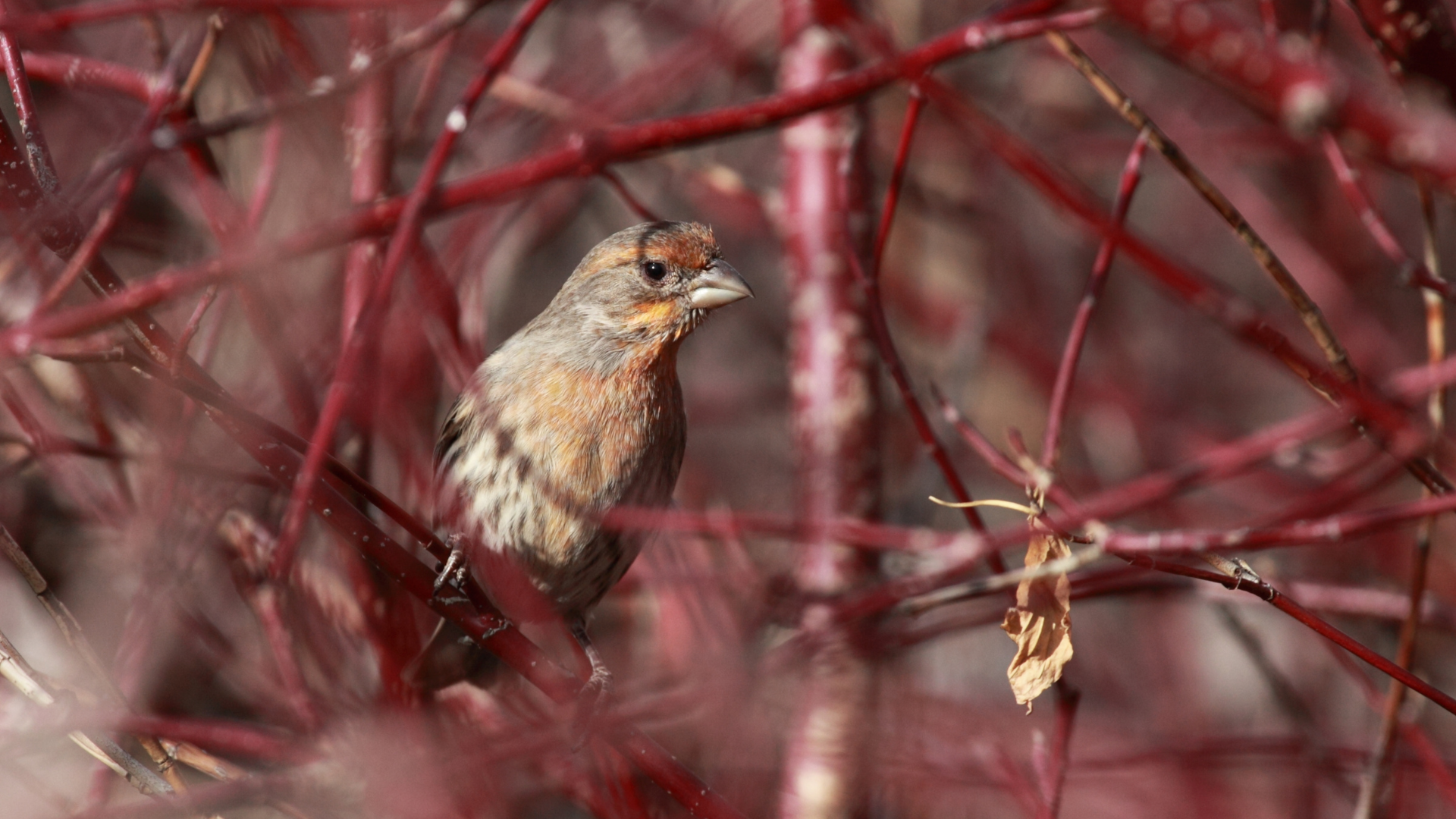
Red Twig Osier Dogwood: A Must-Have for Stunning Newfoundland Gardens in Winter
This versatile plant, also known as C. stolonifera, is a favourite among gardeners for its stunning features and adaptability, especially during the winter months in Newfoundland.
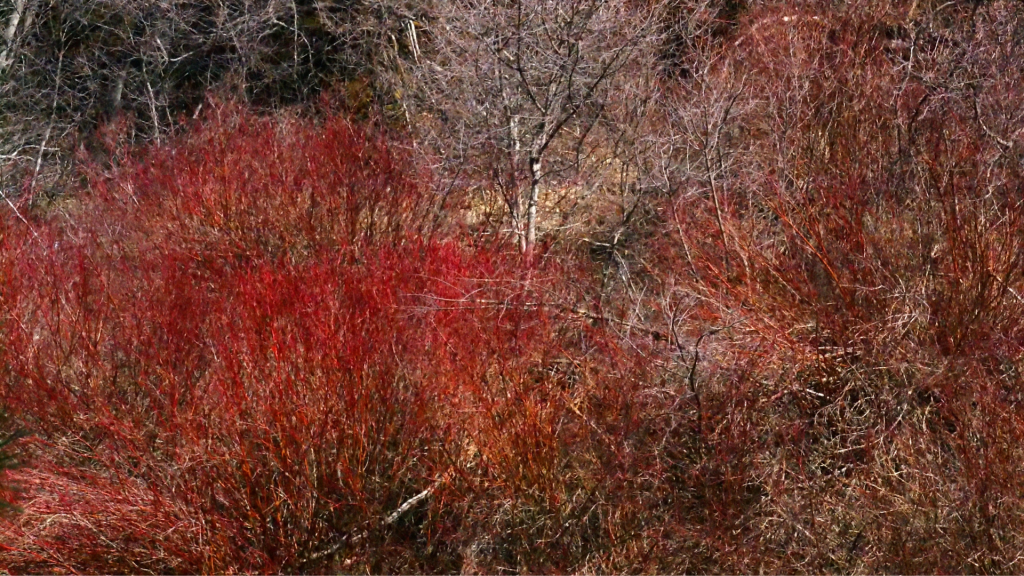
Winter Brilliance: Adding Colour to Newfoundland Landscapes
Description and Ornamental Features
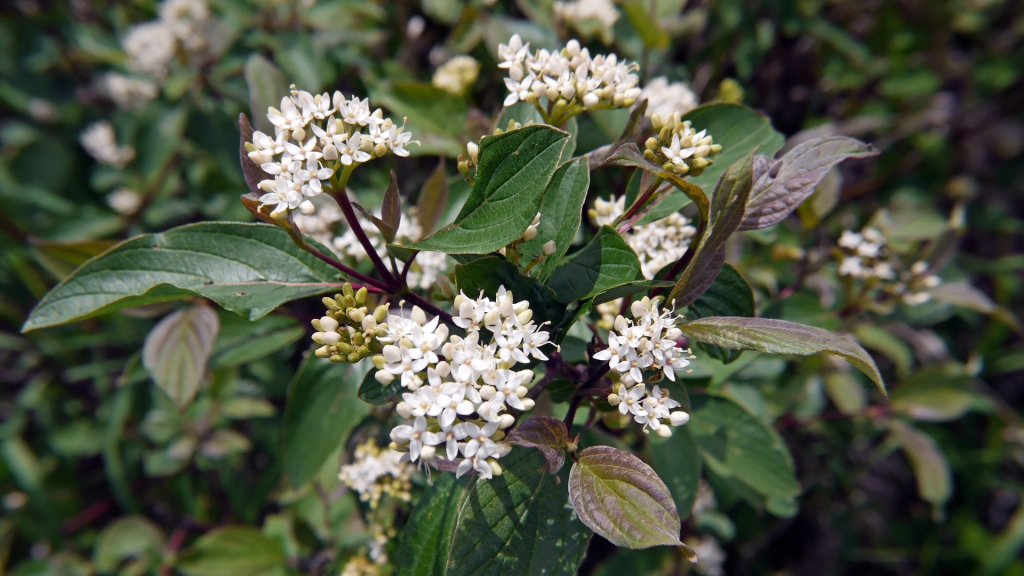
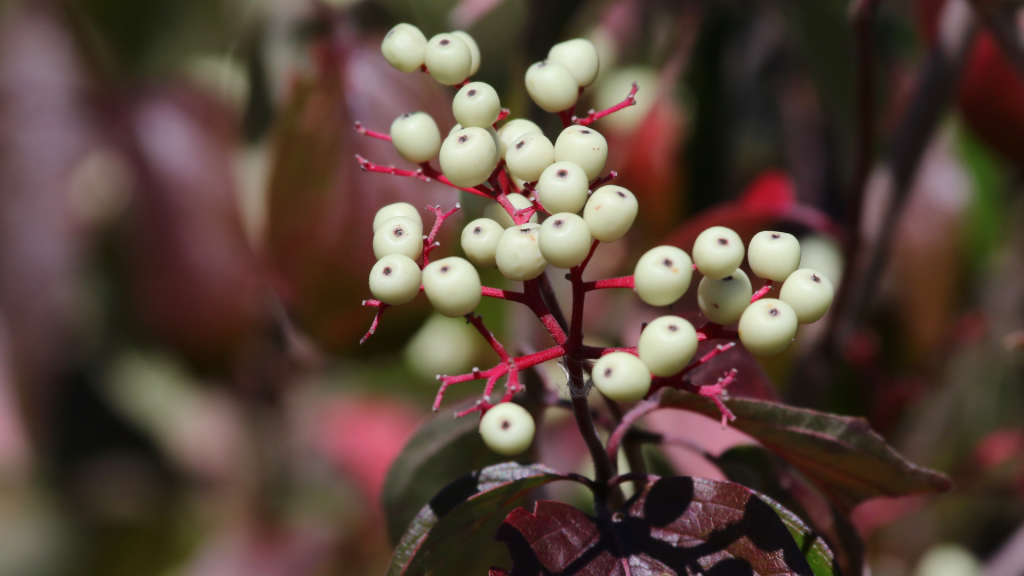
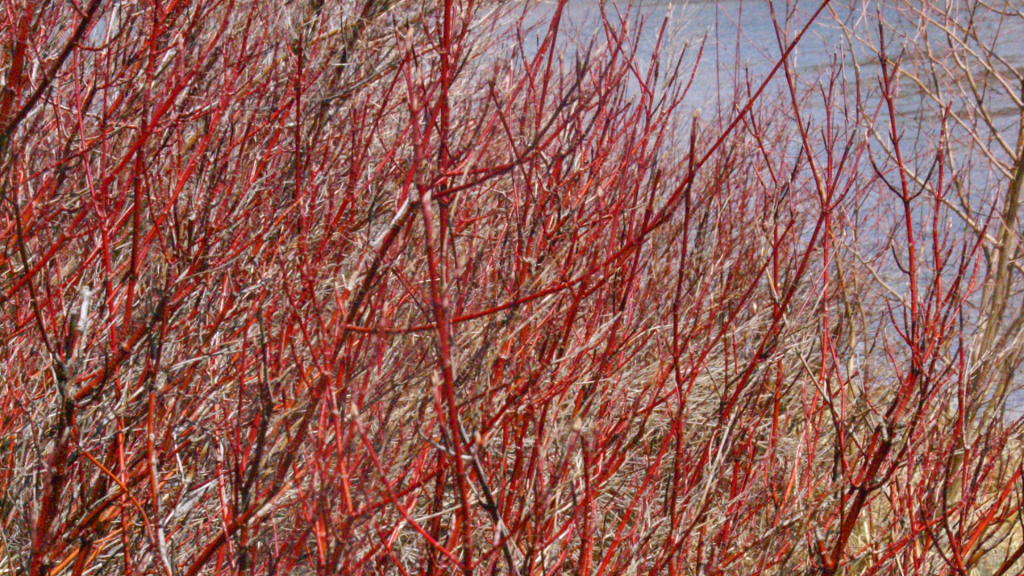
The Red Osier Dogwood is renowned for its striking appearance, particularly during the winter season. Standing at an impressive height of 8 feet with a spread of 10 feet, this deciduous shrub boasts brilliant red stems that stand out against the backdrop of snow-covered landscapes. Its pointy leaves transition to a captivating brick red hue in the fall, providing a burst of colour before winter sets in. Additionally, clusters of creamy white flowers adorn the branches in late spring, followed by white berries in late summer, adding further visual interest to the garden.
Appearance
In late spring, Red Osier Dogwood graces your garden with clusters of creamy white flowers perched delicately at the ends of its branches. During the growing season, it boasts lush green foliage, but the real showstopper happens in the fall when its pointy leaves transform into a brilliant brick red hue, adding a splash of vibrant colour to your outdoor space. Additionally, in late summer, this shrub produces clusters of white berries, further enhancing its ornamental appeal.
Structure
This multi-stemmed shrub typically grows to about 8 feet in height with a spread of 10 feet, forming a more or less rounded shape. Its branches, which are vividly red, particularly stand out during the winter months, providing visual interest even when other plants have shed their leaves.
Maintenance
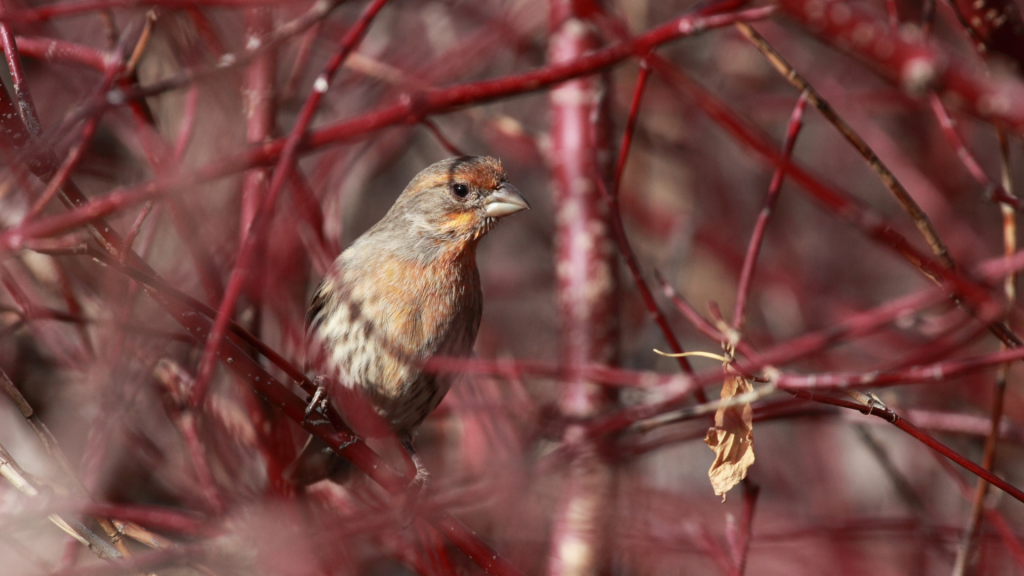
Red Osier Dogwood requires minimal maintenance, making it an excellent choice for busy gardeners. Occasional pruning can help maintain its shape, but otherwise, it thrives with little intervention. Moreover, this shrub is known for attracting birds to your yard, adding an extra layer of biodiversity to your outdoor space.
Landscape Attributes and Applications
With its multi-stemmed, rounded form, the Red Osier Dogwood lends itself well to various landscaping applications in Newfoundland. Whether used for mass plantings, hedges/screening, general garden use, or naturalizing and woodland gardens, this versatile shrub adds depth and texture to any outdoor space. Furthermore, its ability to attract birds makes it a valuable addition to wildlife-friendly gardens, enhancing biodiversity in the area.
Mass Planting
The dense growth habit of Red Osier Dogwood makes it perfect for mass planting, where it can create a striking visual impact, especially when planted in groups.
Hedges/Screening
Due to its dense foliage and multi-stemmed structure, Red Osier Dogwood serves as an effective natural hedge or screening plant, providing privacy and delineating boundaries in your garden.
General Garden Use
Whether planted as a focal point or as part of a mixed border, Red Osier Dogwood adds texture, colour, and interest to any garden setting, enhancing the overall aesthetic appeal.
Naturalizing And Woodland Gardens
In more naturalistic landscapes, such as woodland gardens or naturalized areas, this shrub blends seamlessly with the surrounding environment, contributing to the ecological balance while providing visual delight.
Hardy and Adaptable: Thriving in Newfoundland Conditions
Planting and Growing Tips
One of the key advantages of the Red Osier Dogwood is its adaptability to the challenging conditions often encountered in Newfoundland. This resilient shrub thrives in full sun to partial shade and can tolerate a wide range of soil types and pH levels. Whether your garden soil is sandy or clay-based, acidic or alkaline, the Red Osier Dogwood will flourish, making it an ideal choice for gardens across the region.
Maintenance and Longevity
Despite its impressive growth rate, the Red Osier Dogwood requires minimal maintenance, making it suitable for both novice and experienced gardeners. While occasional pruning may be necessary to maintain its shape, this shrub generally requires little intervention to thrive. With proper care, it can live for approximately 20 years, providing years of beauty and enjoyment in your garden.
Growing Conditions
Sunlight
Red Osier Dogwood thrives in full sun to partial shade, making it adaptable to various lighting conditions. However, to ensure optimal foliage colouration, it is best to provide it with ample sunlight.
Soil and Moisture
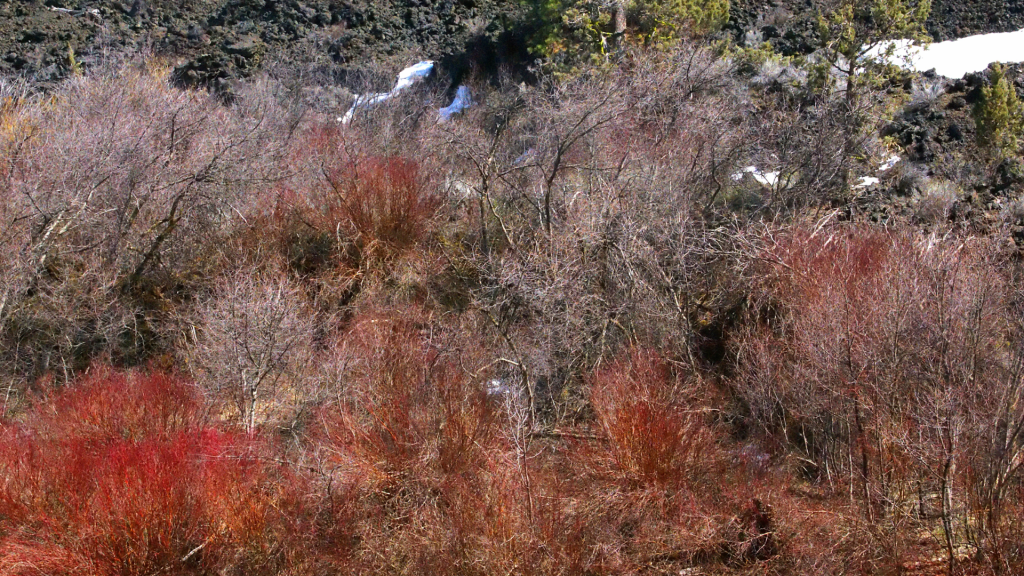
This resilient shrub is highly adaptable to different soil types and pH levels, ranging from sandy to clayey soils. Additionally, it exhibits excellent tolerance to both dry conditions and occasional standing water, making it suitable for a wide range of landscapes.
Environmental Tolerance
Red Osier Dogwood is remarkably tolerant of urban pollution, making it an ideal choice for city gardens and urban landscapes. Its ability to thrive in challenging environments, including inner city settings, makes it a versatile and resilient plant option.
Enhancing Winter Landscapes: Design Ideas
Incorporating Red Osier Dogwood into Your Garden
Whether you’re planning a winter garden or looking to enhance your existing landscape, the Red Osier Dogwood offers endless design possibilities. Consider planting it as a focal point in your garden bed, where its vibrant red stems can take center stage against the backdrop of snow. Alternatively, use it to create naturalistic hedges or screens, providing privacy and visual interest year-round.
Companion Planting
To create a visually appealing and harmonious garden, pair the Red Osier Dogwood with complementary plants that thrive in Newfoundland’s winter conditions. Evergreen shrubs such as junipers or conifers can provide year-round structure, while early-blooming bulbs like snowdrops and crocuses add bursts of colour to the garden before the Red Osier Dogwood comes into its own.
Native to Newfoundland
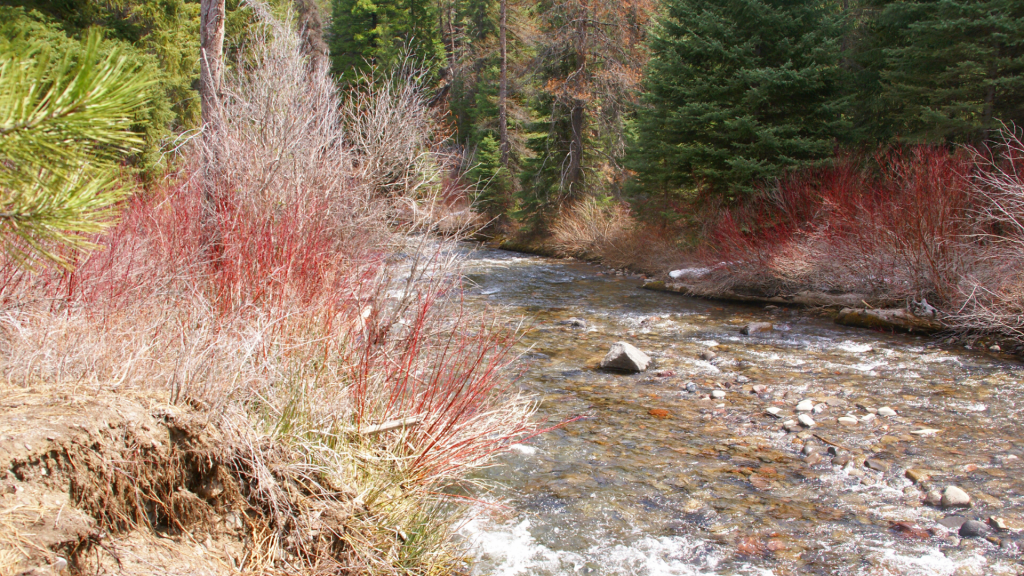
Red Osier Dogwood is native to parts of North America – including Newfoundland, where it can be found growing in various habitats, including wetlands, stream banks, and forest edges. Its adaptability to different ecological niches makes it an essential component of native plant communities.
Conclusion
In conclusion, the Red Osier Dogwood stands out as a top choice for Newfoundland gardens, particularly during the winter months. With its stunning visual appeal, adaptability to harsh conditions, and minimal maintenance requirements, this versatile shrub offers unmatched beauty and functionality for gardeners across the region. Whether used as a focal point or as part of a larger landscape design, the Red Osier Dogwood is sure to elevate the beauty of any outdoor space, providing year-round interest and enjoyment for years to come.
You can consult with our team at Bowering Gardens, lawn and garden experts in St. John’s, Newfoundland, to determine the best practices for your specific region and landscaping, or you can reach out to us below to get a quote so that we can take it off your hands entirely.
Please note that the information provided in this article is based on general guidelines. Specific care and conditions may vary for different varieties and individual gardens.
Frequently Asked Questions
Red Osier Dogwood, known for its vibrant red stems in winter, is highly adaptable to Newfoundland’s climate, making it an excellent choice for gardens in the region.
This shrub is versatile, suitable for various landscape uses including mass planting, hedges/screening, general garden use, and naturalizing and woodland gardens.
At maturity, Red Osier Dogwood reaches about 8 feet in height with a spread of 10 feet, making it a substantial presence in gardens.
In late spring, it boasts clusters of creamy white flowers, followed by green deciduous foliage. However, its standout feature is the brilliant red stems that add significant winter interest to landscapes.
Red Osier Dogwood thrives in full sun to partial shade and is remarkably adaptable to various soil types and pH levels. It’s tolerant of both dry conditions and some standing water, making it an ideal choice for Newfoundland gardens.
Remember, gardening is not only about nurturing plants but also about embracing the joy and wonder that nature brings. Happy gardening!
Posted on
Posted in Blog
