
Flower Friday – Rhododendron ‘PJM Elite’
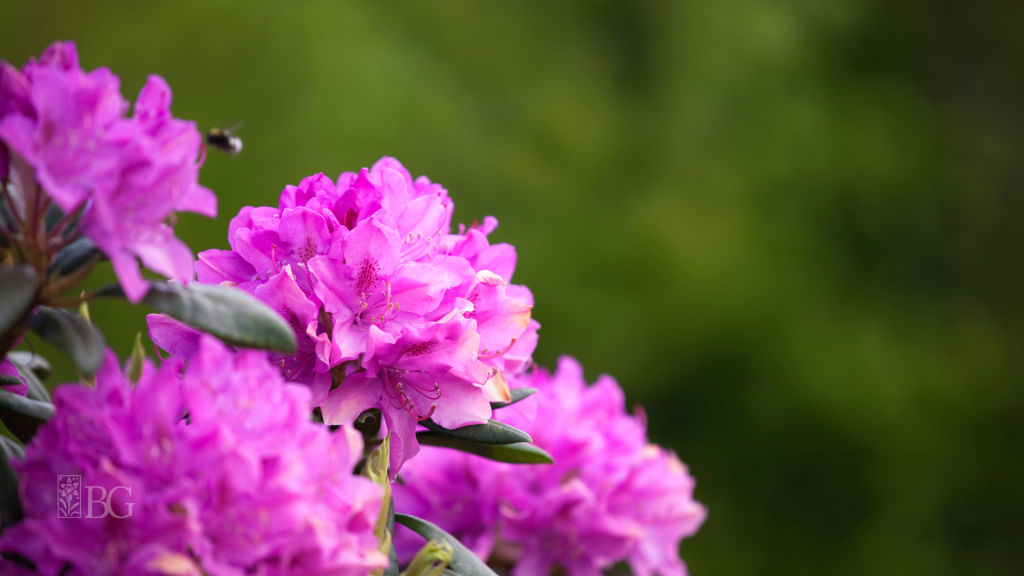
Best Tips for Planting and Maintaining ‘PJM Elite’ Rhododendron in Newfoundland
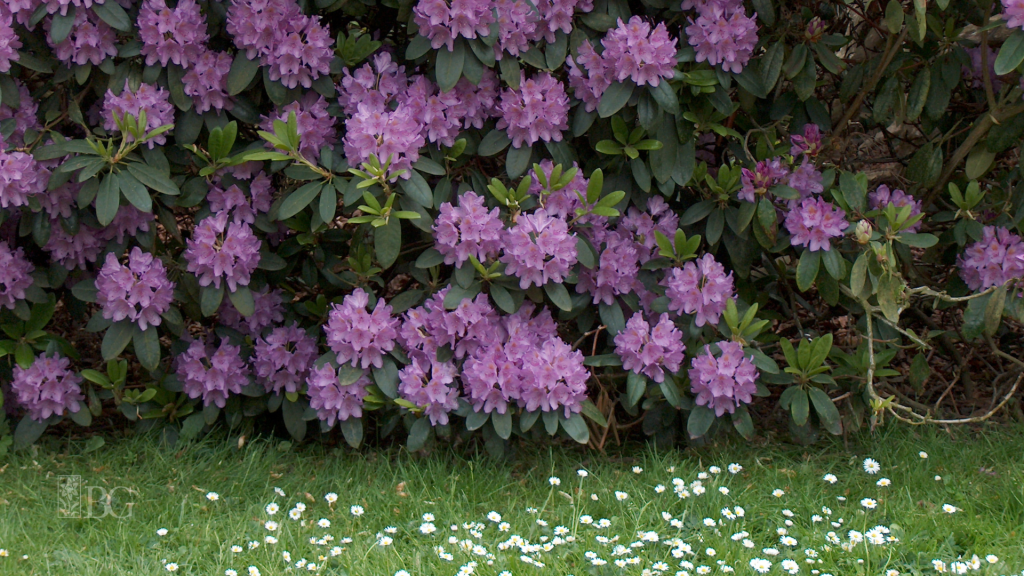
Rhododendron ‘PJM Elite’ is a compact, evergreen shrub bred for cold climates and early spring colour. Part of the PJM hybrid series developed in the 1940s, this cultivar is known for its hardiness, reliable flowering, and adaptability. In the cool, coastal conditions of St. John’s, Newfoundland, ‘PJM Elite’ performs exceptionally well when planted in the right site and cared for properly.
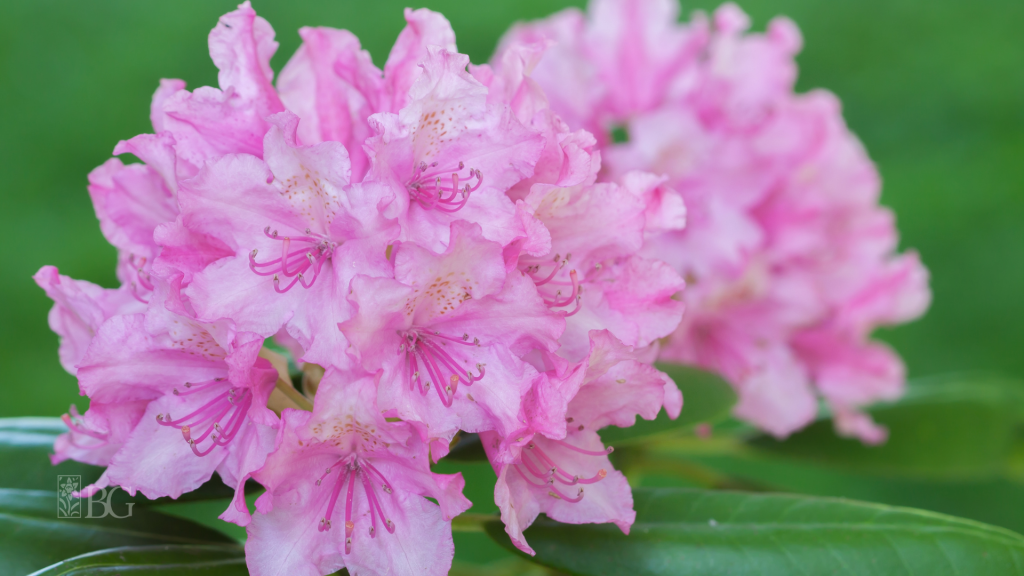
Plant Overview
- Botanical Name: Rhododendron ‘PJM Elite’
- Common Name: PJM Elite Rhododendron
- Plant Type: Evergreen shrub
- Height & Spread: 1.5 to 2 metres tall × 1.5 to 2 metres wide
- Hardiness Zone: USDA Zones 4 to 7
- Bloom Time: Early to mid-spring (typically late April to early May in Newfoundland)
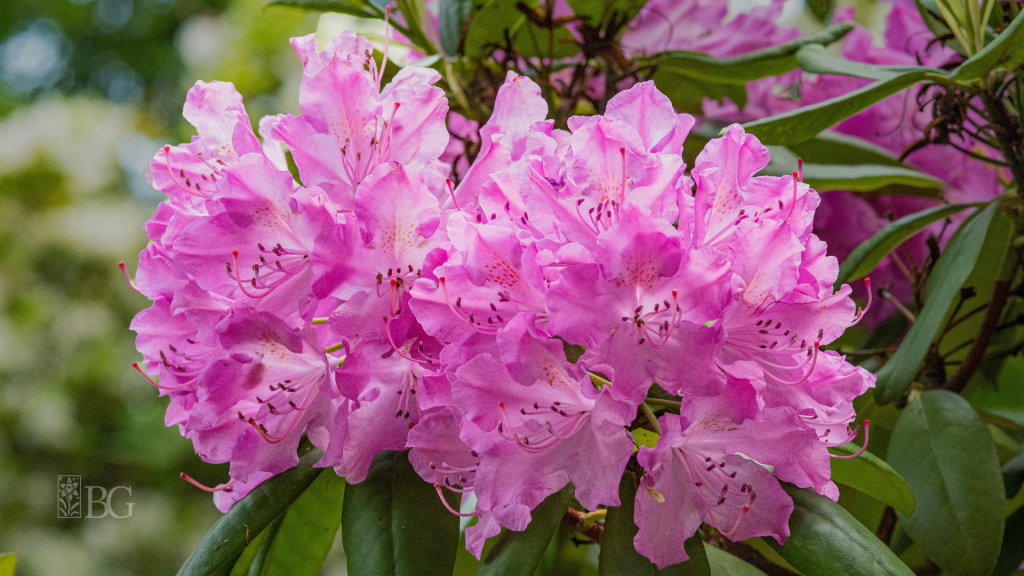
- Flower Colour: Lavender-pink to bright magenta
- Foliage: Leathery, dark green leaves that turn bronze-purple in winter
- Sunlight: Full sun to partial shade
- Soil: Acidic, well-drained, consistently moist
- Deer Resistance: Moderately resistant
- Fragrance: Lightly fragrant
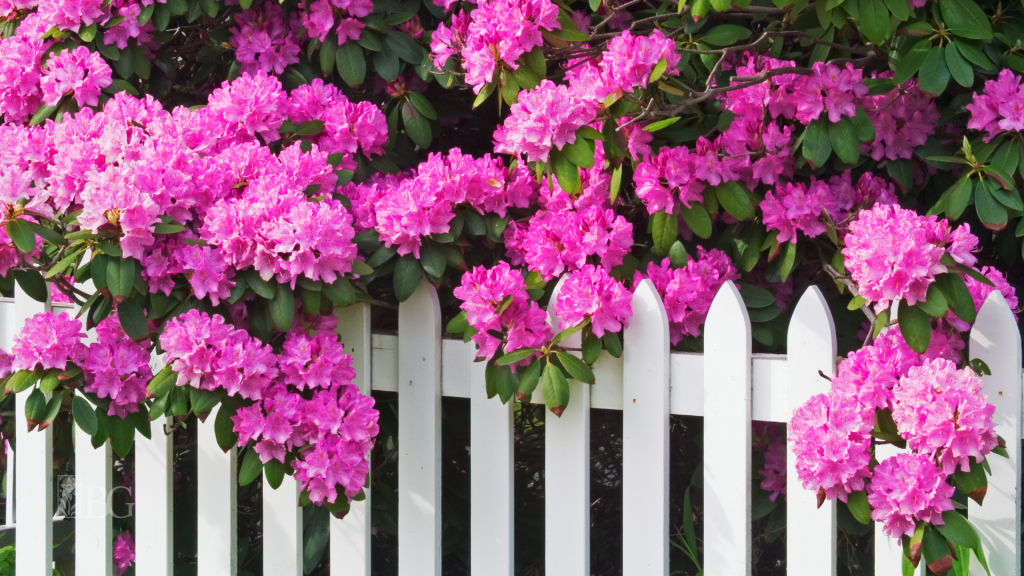
Why ‘PJM Elite’ Thrives in Newfoundland
Newfoundland’s cool summers, high humidity, and acidic soils provide excellent conditions for rhododendrons. ‘PJM Elite’ is particularly well suited to St. John’s thanks to its:
- Cold tolerance: Survives temperatures down to -34°C
- Late frost resilience: Buds and blooms hold up well through early spring fluctuations
- Compact size: Ideal for smaller urban yards and sheltered garden beds
- Evergreen foliage: Provides winter structure and visual interest
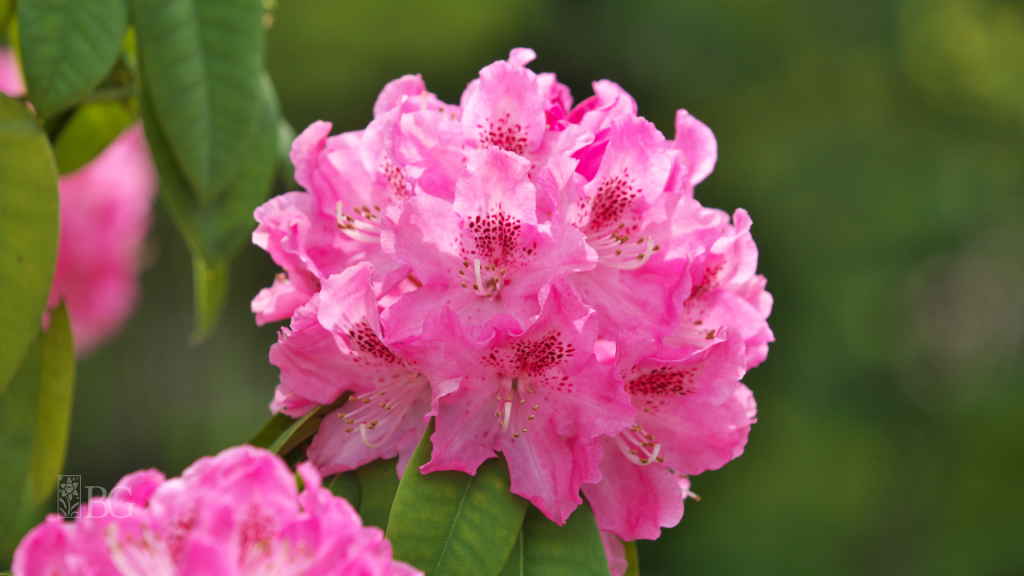
Site Selection and Planting
Choose a location with protection from wind and filtered or morning sun. While ‘PJM Elite’ tolerates full sun in cool climates, it will appreciate light afternoon shade, particularly if planted near foundations or evergreens that provide a windbreak.
The soil must be acidic (pH 4.5 to 6), well-drained, and organically rich. Raised beds or berms work well in clay soils common to parts of St. John’s.
Planting instructions:
- Dig a hole twice as wide and just as deep as the root ball
- Set the plant slightly above ground level to aid drainage
- Backfill with a mix of native soil and composted bark or peat moss
- Mulch with 5–8 cm of pine bark or needles, keeping mulch away from the trunk
- Water thoroughly after planting
Spring or early fall are the best times to plant, avoiding summer heat or winter frost.
Watering and Feeding
Rhododendrons have shallow, fibrous roots that dry out quickly in windy or dry conditions. In St. John’s, regular rainfall often reduces the need for supplemental irrigation, but:
- Keep soil evenly moist, especially in the first two years
- Use a soaker hose or water at the base to avoid wetting leaves
- Fertilize in early spring with a rhododendron-specific fertilizer or a slow-release, acidic formula (e.g. 10-8-6)
- Avoid over-fertilizing, which can burn roots and reduce blooms
Pruning and Maintenance
Minimal pruning is needed. Remove spent flower clusters (deadheading) just after blooming to encourage new buds and redirect energy to foliage. Cut back dead or damaged wood in early spring before buds swell.
If shaping is desired, prune lightly immediately after flowering. Never prune late in the season, as this may remove the following year’s flower buds.
Mulch annually in early spring and inspect for signs of root rot or fungal disease, particularly in compacted or poorly drained soils.
Common Pests and Problems
- Root rot: Caused by poor drainage; plant high and amend soil
- Chlorosis (yellow leaves): Typically from alkaline soil; add sulphur or use an acidifying fertilizer
- Bud blast or no bloom: Can result from over-fertilizing or heavy pruning in late summer
- Weevil or lacebug damage: Use horticultural oil if pests become visible, especially in dry summers
- Winter desiccation: Apply an anti-desiccant spray or windbreak if exposed
Companion Planting Ideas
Rhododendrons blend well with other acid-loving, shade-tolerant plants such as:
- Azaleas
- Pieris japonica
- Ferns
- Heuchera (Coral Bells)
- Blueberries
- Spring-flowering bulbs like snowdrops or daffodils
These companions enhance visual texture and extend seasonal interest in partially shaded Newfoundland gardens.
You can consult with our team at Bowering Gardens, lawn and garden experts in St. John’s, Newfoundland, to determine the best practices for your specific region and landscaping, or you can reach out to us below to get a quote so that we can take it off your hands entirely.
Please note that the information provided in this article is based on general guidelines. Specific care and conditions may vary for different varieties and individual gardens.
Frequently Asked Questions
The ideal times to plant are early spring or early fall. In St. John’s, this allows roots to establish before the onset of summer drought or winter freeze.
It’s moderately tolerant of wind once established, but young plants should be protected, especially during winter. Plant near windbreaks or structures for best results.
Yes. Rhododendrons need acidic soil with a pH of 4.5 to 6.0. Alkaline conditions can lead to chlorosis (yellowing leaves) and poor flowering. Use pine bark mulch and acidifying fertilizers to maintain pH.
Expect mature plants to reach 1.5 to 2 metres in both height and width in 10–12 years. In cooler regions like St. John’s, growth may be slightly slower but steady with proper care.
No, only light maintenance is needed. Remove spent blooms and dead wood in early spring. If you want to shape it, do so just after flowering to avoid disrupting bud formation.
Remember, gardening is not only about nurturing plants but also about embracing the joy and wonder that nature brings. Happy gardening!
Posted on
Posted in Blog
