
Flower Friday – Shasta Daisy
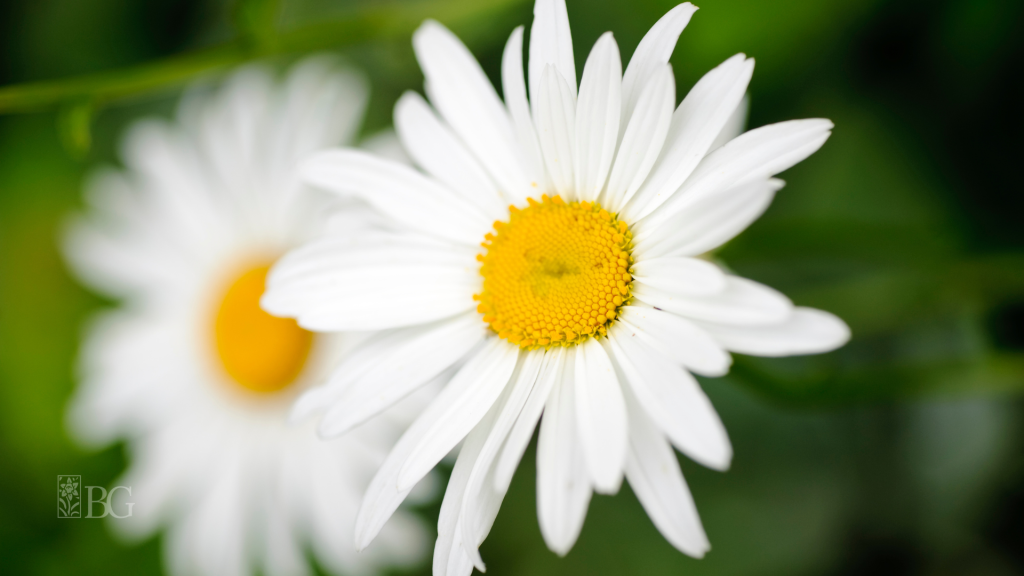
How to Grow and Care for Shasta Daisies in Newfoundland Gardens
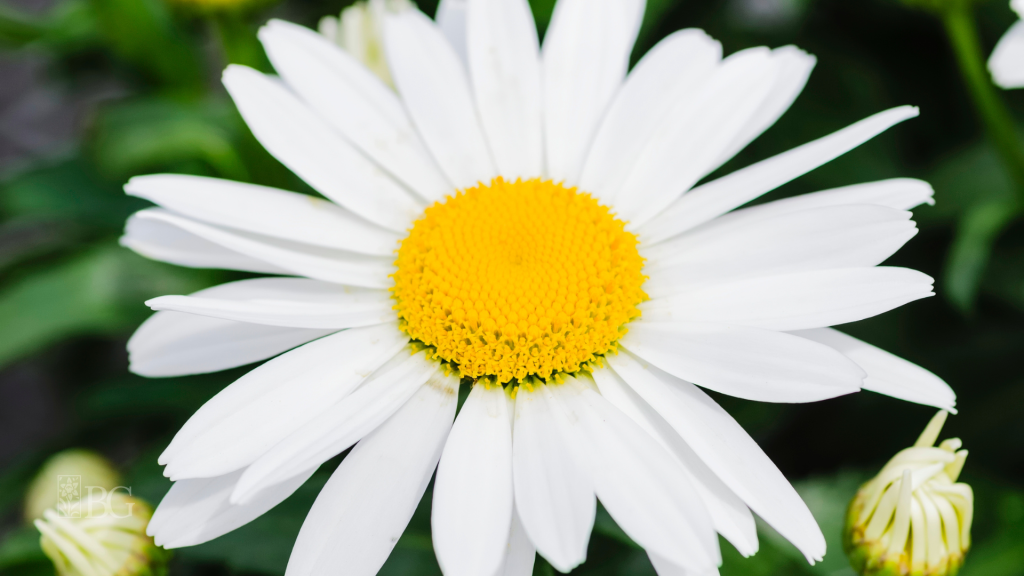
Shasta daisies (Leucanthemum × superbum) are classic perennials recognised for their cheerful white petals and sunny yellow centres. Long valued in cottage gardens and perennial borders, these hardy flowers combine a clean, timeless look with dependable performance.
For gardeners in St. John’s, Newfoundland, Shasta daisies are a reliable summer bloomer, thriving in cooler temperatures and tolerant of the region’s coastal climate. They offer an extended bloom season, excellent cut flowers, and minimal maintenance, making them a favourite choice for both beginner and experienced gardeners.
Plant Overview
- Botanical name: Leucanthemum × superbum
- Common name: Shasta daisy
- Plant type: Herbaceous perennial
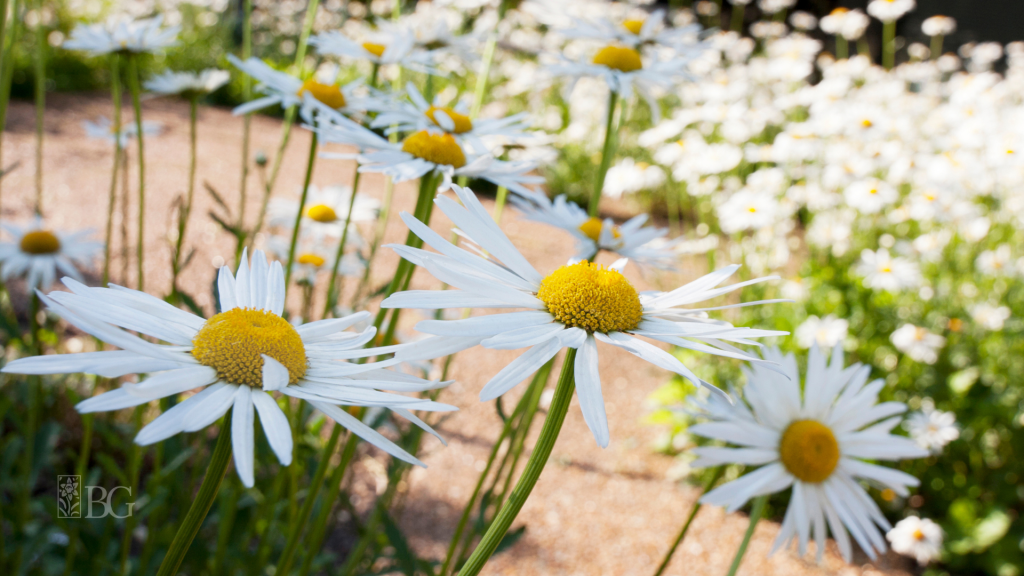
- Mature size: 60–90 cm tall × 45–60 cm wide
- Bloom period: Early summer through autumn with deadheading
- Flower colours: White petals with yellow centres
- Foliage: Glossy green, lance-shaped leaves
- Sun exposure: Full sun preferred
- Soil type: Well-drained, moderately fertile soil
- Hardiness: USDA Zones 4–9 (well-suited to Newfoundland’s Zone 5 climate)
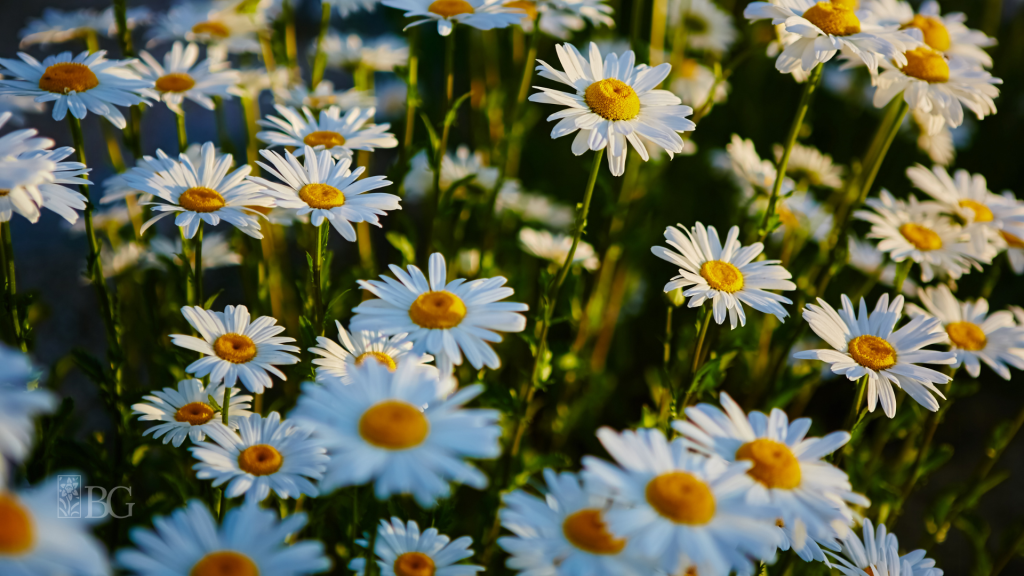
Choosing the Right Shasta Daisy Varieties
Modern Shasta daisy cultivars come in different heights, bloom forms, and flower sizes. Some popular choices include:
- ‘Becky’: One of the most popular cultivars, known for strong stems, abundant blooms, and reliable performance in cooler climates.
- ‘Alaska’: A classic, cold-hardy selection with large white flowers.
- ‘Snow Lady’: A compact dwarf variety ideal for edging and containers.
- ‘Crazy Daisy’: Features double or frilled petals for a distinctive look.
When selecting for Newfoundland gardens, choose cultivars with sturdy stems that resist lodging (falling over) during summer winds and rainfall.
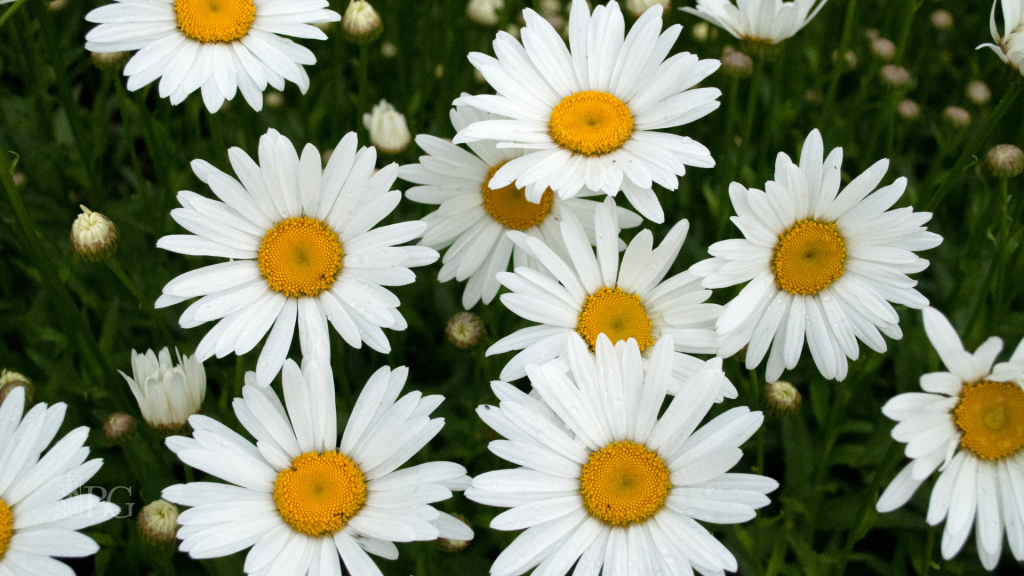
Ideal Planting Conditions
Sunlight
Shasta daisies need full sun, defined as at least 6 hours of direct sunlight daily. They tolerate partial shade, but flowering is reduced, and stems may grow leggy. In St. John’s, where fog is frequent, choose the sunniest location possible to promote vigorous blooms.
Soil
These perennials prefer well-drained, moderately fertile soil. Heavy clay soils should be amended with compost and sand to improve drainage, as standing water can cause root and crown rot. Soil pH between 6.0 and 7.0 is ideal.
Spacing
Space plants 45–60 cm apart to ensure adequate airflow, which helps prevent fungal disease and encourages strong, upright growth.
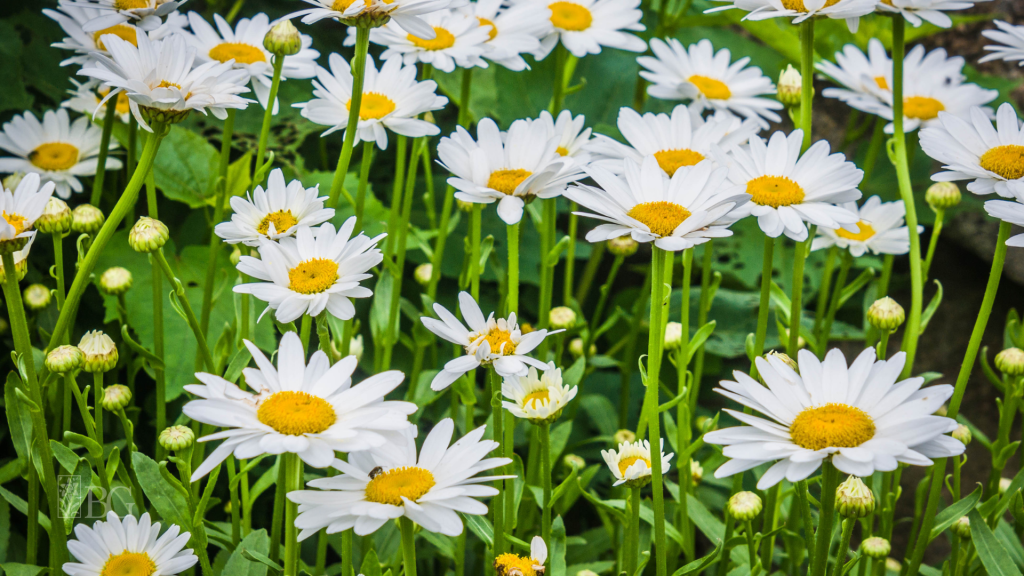
Planting and Establishment
- When to plant: Plant in spring once the soil is workable and frost danger has passed, or in early autumn so roots can establish before winter.
- How to plant: Dig a hole twice the width of the root ball. Place the plant so the crown is level with the soil surface. Backfill with amended soil and water thoroughly.
- Mulching: Apply a light layer of mulch (no more than 5 cm) to conserve soil moisture and suppress weeds. Avoid placing mulch directly against the crown to reduce rot risk.
Care and Maintenance
Watering
Provide about 25–40 mm of water weekly during the growing season, particularly in dry spells. While Shasta daisies are moderately drought tolerant once established, consistent moisture produces stronger plants and larger blooms.
Fertilizing
Apply a balanced, slow-release fertilizer in spring as new growth emerges. Avoid over-fertilization, which encourages excessive foliage growth at the expense of flowers.
Deadheading
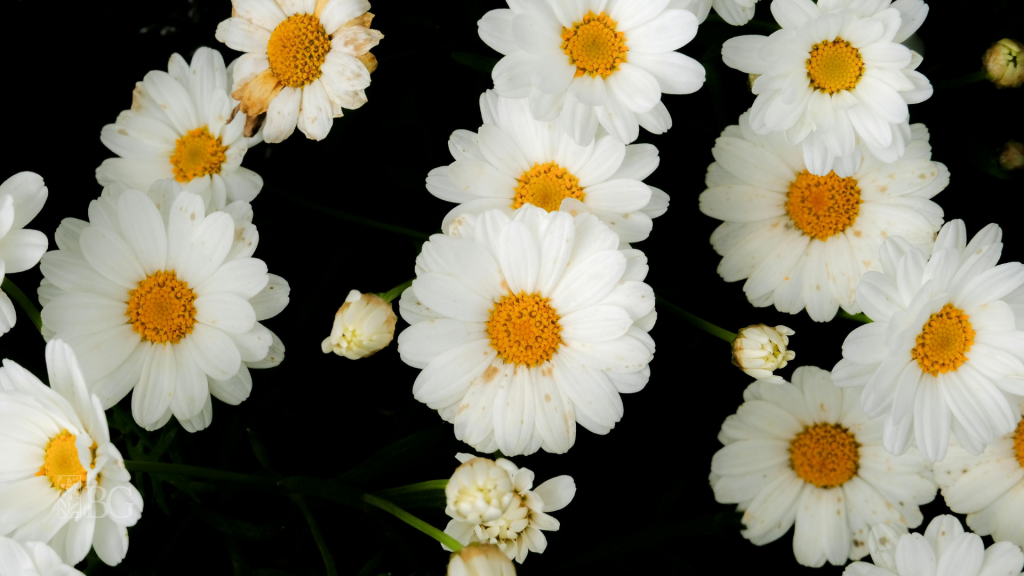
Remove spent blooms promptly to encourage continuous flowering throughout the summer. For maximum display, cut stems back to a leaf node or side branch rather than leaving bare stalks.
Winter Care
In late autumn, cut stems back to 5–10 cm above ground level after the first hard frost. A thin mulch layer can protect crowns from freeze–thaw cycles but avoid heavy mulching, which traps moisture and promotes rot.
Pruning and Division
Shasta daisies benefit from seasonal pruning and regular division to remain healthy and productive. Without intervention, clumps often become woody and thin at the centre, leading to reduced flowering.
Seasonal Pruning
- Summer deadheading: Remove fading blooms regularly. This not only extends the flowering season but also prevents self-seeding, which can lead to overcrowding.
- Midsummer shearing: After the first heavy flush, shear plants back by one-third to encourage compact regrowth and a second round of flowers in late summer.
- Autumn cutback: After frost kills the foliage, trim stems back to just above ground level. This keeps the bed tidy and reduces overwintering pests and diseases.
Division for Vigour
- Timing: Divide Shasta daisies every 2–3 years in early spring or early autumn. Spring division is often best in Newfoundland, as plants can establish before winter.
- Method:
- Dig up the clump carefully, preserving as much root as possible.
- Split the root mass into smaller sections, each containing several healthy shoots and a good root system.
- Replant divisions immediately, spacing them 45–60 cm apart.
- Aftercare: Water deeply and keep the soil evenly moist for several weeks. Adding a thin layer of compost helps encourage root establishment.
Importance in Newfoundland
In St. John’s, where damp conditions are common, dividing plants prevents overcrowding and improves air circulation, reducing the risk of crown rot. Regular rejuvenation also ensures reliable flowering and prevents clumps from collapsing in heavy summer rains.
Pests and Diseases
Shasta daisies are generally low-maintenance, but they can occasionally suffer from:
- Aphids: Often cluster on stems; control with water sprays or insecticidal soap.
- Leaf spot and powdery mildew: More common in humid weather; provide spacing and good airflow to reduce risk.
- Crown rot: A serious issue in poorly drained soils. Prevention through proper site selection and soil amendment is key.
Landscape Uses
Shasta daisies are highly versatile in garden design:
Containers: Compact cultivars thrive in large planters, bringing summer brightness to patios.ur.
Perennial borders: Their bold flowers pair well with echinacea, rudbeckia, and delphiniums.
Cottage gardens: A traditional favourite that complements roses, phlox, and hollyhocks.
Cut flowers: Long-lasting blooms with sturdy stems make excellent fresh arrangements.
You can consult with our team at Bowering Gardens, lawn and garden experts in St. John’s, Newfoundland, to determine the best practices for your specific region and landscaping, or you can reach out to us below to get a quote so that we can take it off your hands entirely.
Please note that the information provided in this article is based on general guidelines. Specific care and conditions may vary for different varieties and individual gardens.
Frequently Asked Questions
Spring is ideal, after frost has passed. Early autumn is also suitable, provided plants have at least six weeks to establish roots before winter sets in.
Yes. Although they tolerate partial shade, flowers are more abundant and stems stronger in full sun. Foggy coastal conditions make maximum sunlight crucial.
Every 2–3 years is recommended. Dividing prevents overcrowding, improves air circulation, and rejuvenates growth for more reliable blooms.
Yes, they are generally unappealing to pests, including rabbits, making them a good option for Newfoundland gardens where wildlife browsing can be an issue outside St. John’s.
Yes. Prompt deadheading encourages multiple flushes of flowers throughout summer, extending the bloom season into early autumn.
Remember, gardening is not only about nurturing plants but also about embracing the joy and wonder that nature brings. Happy gardening!
Posted on
Posted in Blog
