
Flower Friday – Snowmound Spirea

Best Tips for Growing Spiraea nipponica ‘Snowmound’ in Newfoundland
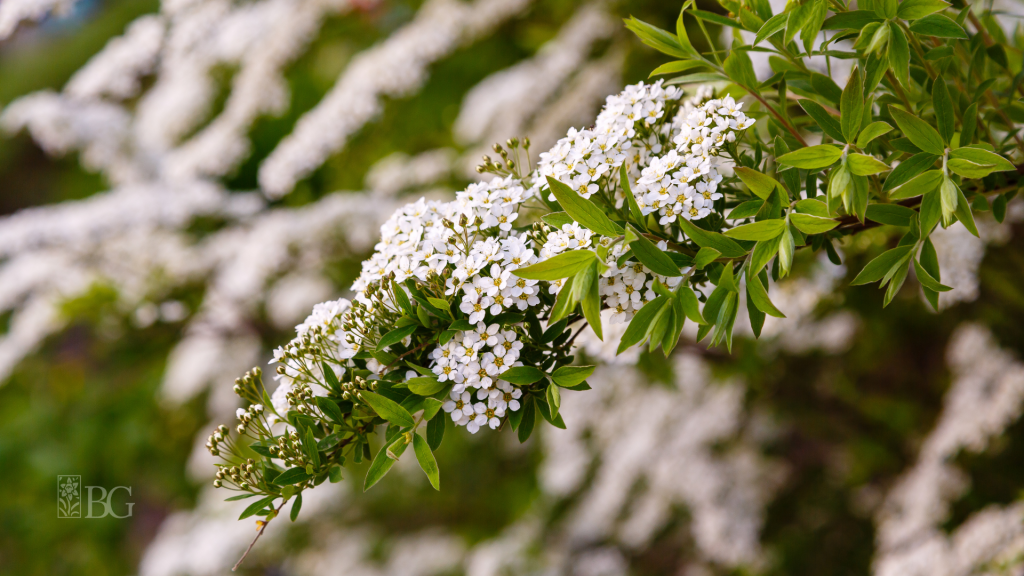
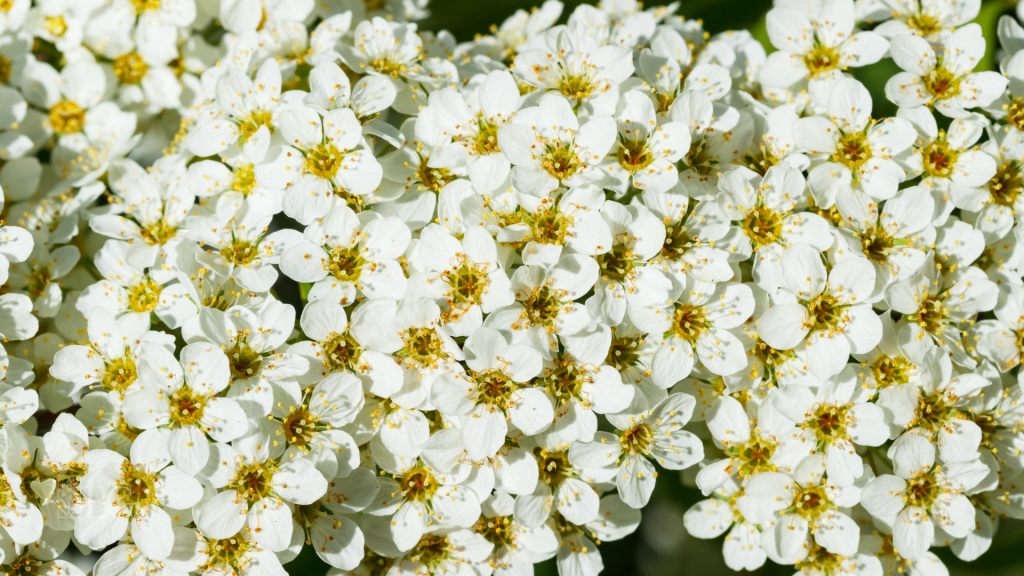
Snowmound Spirea (Spiraea nipponica ‘Snowmound’) is a compact, mounded shrub known for its cascading white blooms and clean green foliage. A member of the rose family, this Japanese spirea hybrid offers ornamental appeal throughout the growing season and demands minimal upkeep, making it a valuable addition to both foundation plantings and natural borders. In cool maritime climates like that of St. John’s, Newfoundland, it performs reliably as a low-maintenance flowering shrub with a tidy habit and strong seasonal interest.
Because of its hardiness, adaptability, and limited pest problems, Snowmound Spirea is particularly well-suited for Newfoundland’s short growing season and frequent fog or wind conditions.

Plant Overview
- Botanical name: Spiraea nipponica ‘Snowmound’
- Common name: Snowmound Spirea
- Plant type: Deciduous flowering shrub
- Mature size: 90 to 150 cm tall and wide
- Bloom period: Late spring (typically June in Newfoundland)
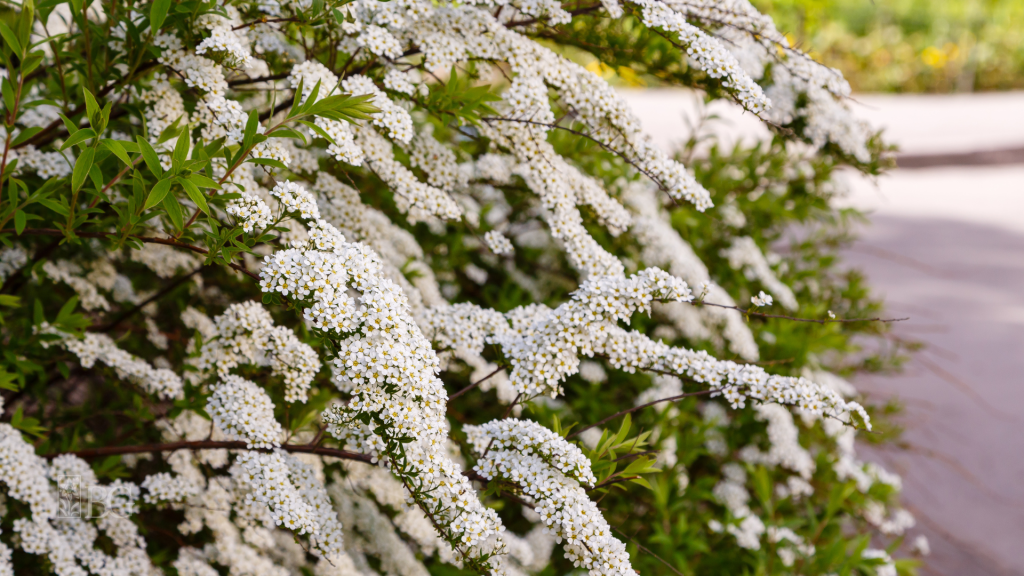
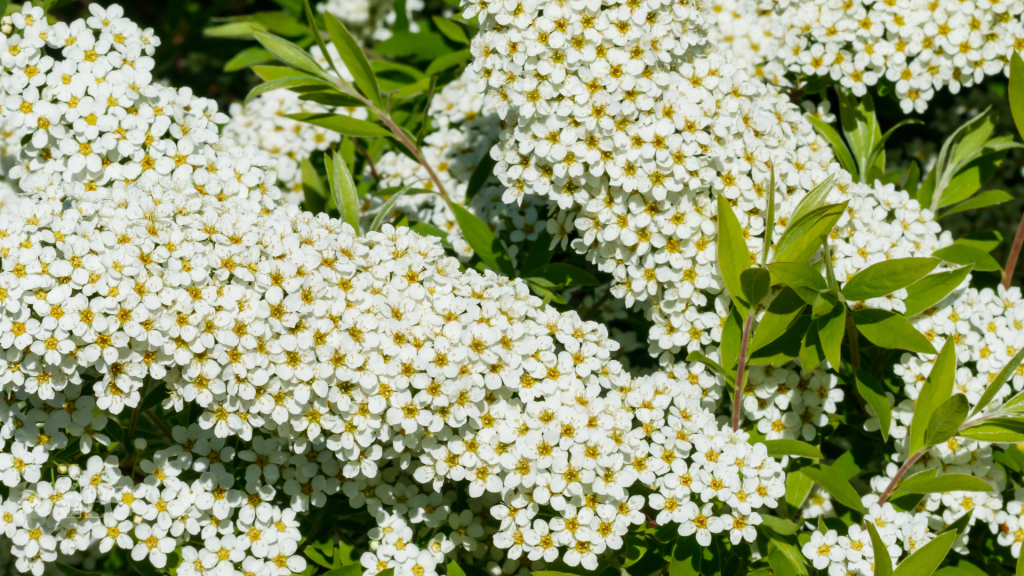
- Flower colour: White, profuse and clustered along arching branches
- Foliage: Fine-textured, deep green; turns yellow in fall
- Sun exposure: Full sun to light shade
- Soil preferences: Well-drained, average garden soil
- Hardiness zone: USDA Zone 4 to 8
- Deer resistance: Moderate
- Pollinator-friendly: Attracts bees and beneficial insects
Why Snowmound Spirea Works in Newfoundland Gardens
In coastal regions like St. John’s, where wind exposure and fluctuating spring temperatures can limit plant choices, Snowmound Spirea stands out as a practical and attractive shrub. It is hardy to -34°C, tolerates the acidic soils common in the region, and is rarely bothered by pests or diseases. Additionally, its compact size makes it suitable for smaller residential gardens where space may be limited.
The dense, arching habit of the plant provides structure and form without becoming leggy or overgrown. This makes it ideal for use as a low hedge, mixed border shrub, or focal plant in foundation beds.
Planting Location and Soil Preparation
Snowmound Spirea prefers full sun but will tolerate partial shade, especially in cooler northern climates. For best bloom performance, choose a site that receives at least 6 hours of direct sun per day. While tolerant of a range of soil types, it performs best in well-drained loam enriched with compost.
If planting in native clay soil, amend the planting area with organic matter to improve drainage and aeration. Avoid soggy sites or areas where snow accumulates and compacts soil through the winter.
Planting tips:
- Space shrubs 90 to 120 cm apart to allow for full growth
- Plant so the root ball is level with surrounding soil
- Water deeply after planting and mulch with 5–7 cm of compost or bark mulch to retain moisture
Watering, Fertilizing, and Seasonal Care
One of the key benefits of Snowmound Spirea is its low water requirement once established. In Newfoundland, regular rainfall usually provides sufficient moisture. Supplemental watering may be needed during unusually dry spells in July or August.
Fertilizer is not strictly necessary if soil is moderately fertile. However, if you notice limited growth or sparse flowering, a spring application of balanced fertilizer (10-10-10) or compost can provide a boost.
Mulch annually in early spring to conserve soil moisture and suppress weeds. Avoid mulching directly against the stems to prevent rot.
Pruning should be done immediately after flowering. Remove spent blooms and shape the plant as needed. Avoid fall pruning, which can encourage new growth vulnerable to winter dieback. Older plants may be rejuvenated by cutting back one-third of the oldest stems to the ground in early spring.
Landscape Uses and Design Value
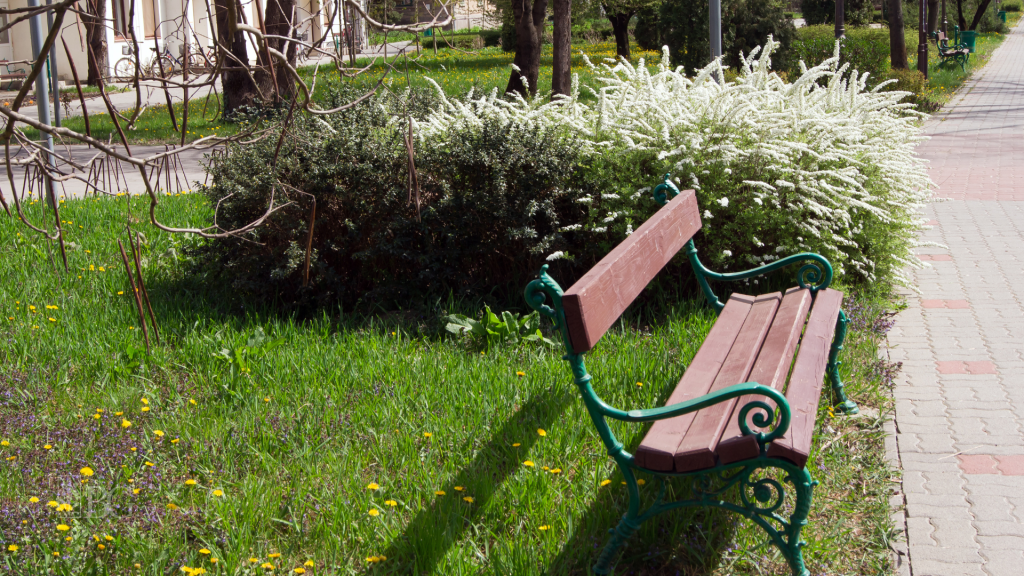
Snowmound Spirea is highly valued in residential design for its elegant shape and showy flowers. Its fine-textured foliage provides a soft contrast to coarser-leaved shrubs, and its cascading form lends itself to layered plantings.
Recommended uses include:
- Mixed borders with perennials or other flowering shrubs
- Low informal hedges along walkways or driveways
- Shrub islands in lawn areas
- Naturalistic or pollinator gardens
It pairs well with:
- Lavandula angustifolia (English Lavender)
- Nepeta (Catmint)
- Heuchera (Coral Bells)
- Hydrangea paniculata
- Ornamental grasses such as Calamagrostis x acutiflora ‘Karl Foerster’
Pest and Disease Resistance
Snowmound Spirea is relatively pest-free and does not typically suffer from common fungal issues in Newfoundland’s humid climate. Occasionally, aphids may appear in early summer, but these are usually controlled naturally by beneficial insects. Avoid overhead watering and maintain airflow around the base of the plant to minimize any fungal risk.
Rabbit resistance is moderate. While not immune to browsing, the plant is generally avoided in areas with high rabbit pressure.
You can consult with our team at Bowering Gardens, lawn and garden experts in St. John’s, Newfoundland, to determine the best practices for your specific region and landscaping, or you can reach out to us below to get a quote so that we can take it off your hands entirely.
Please note that the information provided in this article is based on general guidelines. Specific care and conditions may vary for different varieties and individual gardens.
Frequently Asked Questions
Prune immediately after flowering in early to mid-summer. This ensures the plant has time to set next year’s buds and helps maintain a compact, attractive shape. Avoid late-season pruning, which can lead to tender new growth vulnerable to frost.
In St. John’s, expect mature plants to reach 90 to 150 cm tall and equally wide. Growth is compact and rounded, with no staking or training required. The plant fills in well over two to three growing seasons.
Yes. Its dense, arching form makes it an excellent low hedge or screening shrub. It maintains shape with minimal pruning and provides seasonal interest, especially during flowering.
While not specifically salt-tolerant, Snowmound Spirea holds up well in exposed coastal locations with wind. Planting near structures or other shrubs can offer protection from strong winter gusts.
Yes. Snowmound Spirea attracts bees, hoverflies, and small native pollinators when in bloom. Its early summer flowering period makes it valuable for pollinator support between spring bulbs and mid-summer perennials.
Remember, gardening is not only about nurturing plants but also about embracing the joy and wonder that nature brings. Happy gardening!
Posted on
Posted in Blog
