
Flower Friday – Water Lily

Growing Water Lilies in St. John’s, Newfoundland
Water lilies (Nymphaea spp.) are stunning aquatic perennials that can transform any pond or water garden into a tranquil oasis. With their floating leaves and vivid, eye-catching blooms, water lilies provide a serene beauty that’s hard to surpass. However, growing them successfully in St. John’s, Newfoundland requires specific care due to our unique climate. In this guide, we will outline the best practices for growing and maintaining water lilies, tailored to local conditions. Whether you’re a beginner or an experienced gardener, this article will help you master the art of cultivating water lilies.
Understanding Water Lilies
Water lilies are part of the family Nymphaeaceae and thrive in still or slow-moving water. These plants are often admired for their large, round leaves (commonly known as lily pads) and vibrant flowers, which float on the water’s surface. Water lilies bloom during the warmer months, and while they are perennials, their care varies between tropical and hardy varieties.
Key Characteristics of Water Lilies:
- Botanical Name: Nymphaea spp.
- Plant Type: Herbaceous perennial
- Size: Typically 1–3.5 metres in width, depending on the variety; up to 15 cm tall
- Light Requirement: Full sun
- Soil: Heavy clay or loam, submerged in standing water
- Hardiness Zones: Varies, but some species thrive in Zones 4–11
- Bloom Time: Late spring to autumn
- Flower Colours: White, pink, yellow, purple, red, orange
- Native Areas: Asia, North America
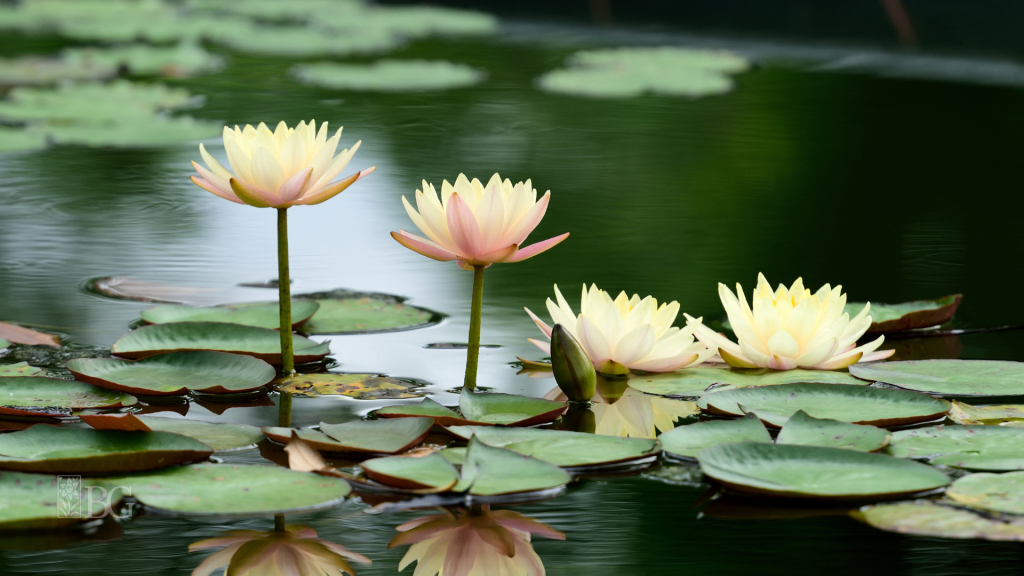
Selecting the Right Water Lilies for St. John’s Climate
The first step in growing water lilies successfully in Newfoundland is choosing the right varieties. While tropical species are popular for their vibrant flowers, they aren’t suitable for colder climates. Instead, hardy water lilies are the best option for St. John’s, as they can withstand our winter temperatures, provided proper care is taken.
Recommended Hardy Varieties:
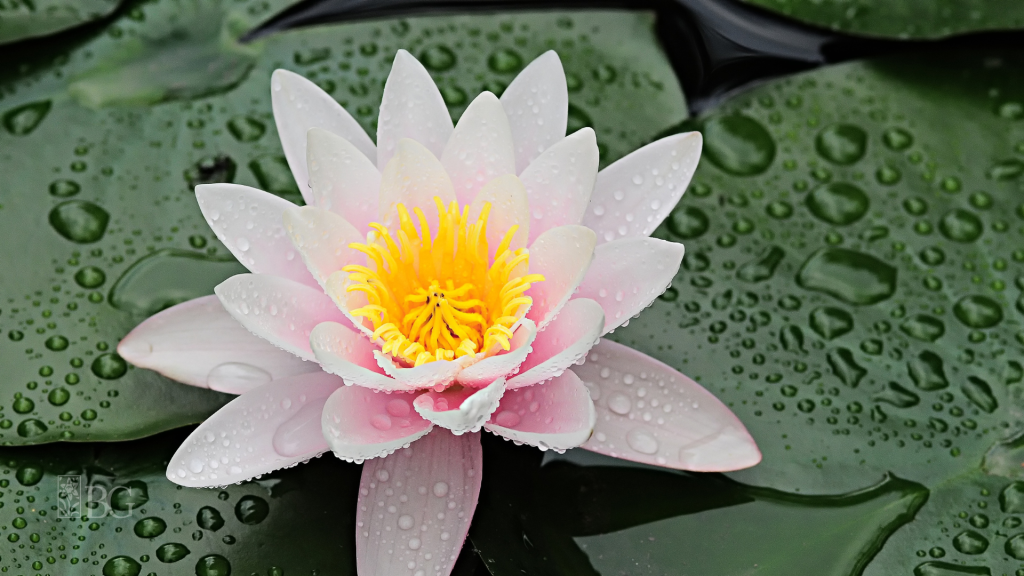
- Nymphaea odorata (American White Water Lily): Known for its fragrant white flowers, this species can survive in colder climates and is a great option for beginners.
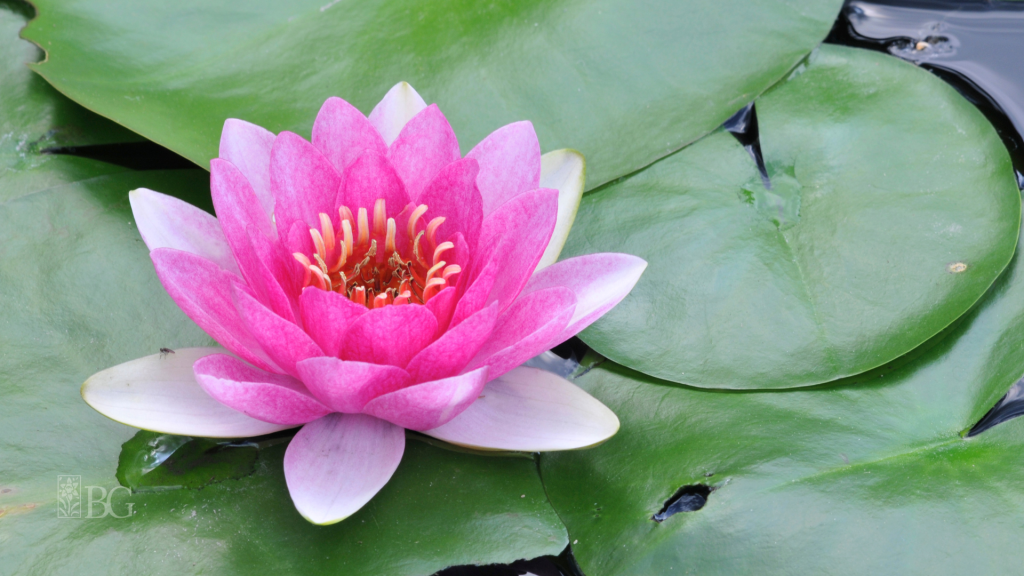
- ‘Attraction’: This hardy cultivar produces large, vibrant red flowers, perfect for adding a dramatic touch to your pond.
- ‘Peaches and Cream’: With its soft peach-coloured blooms, this variety is well-suited for more temperate regions and thrives in Newfoundland’s summer climate.
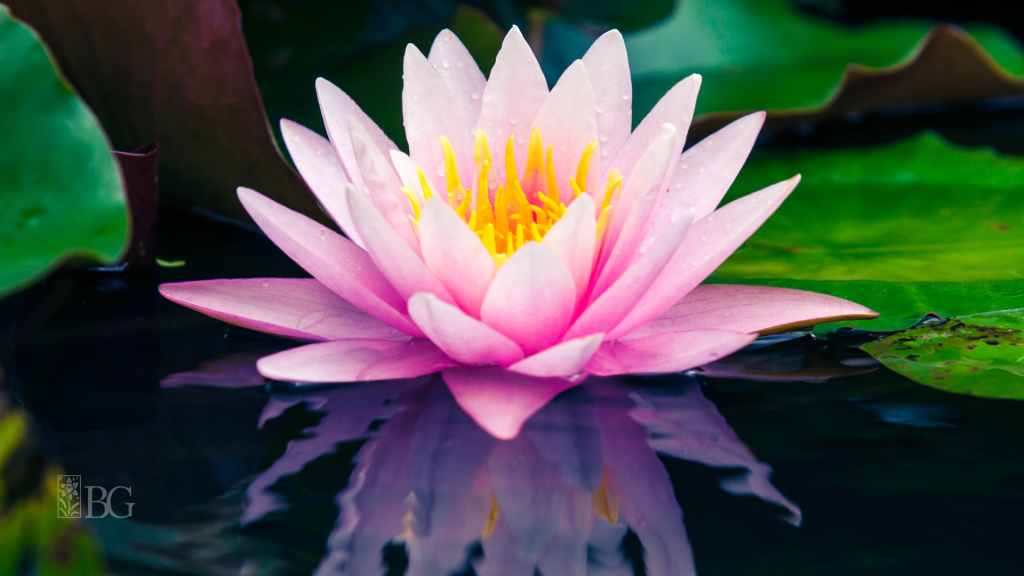
- ‘Pink Beauty’: As the name suggests, this variety offers delicate pink flowers that bloom consistently throughout the season.
Planting Water Lilies
Soil and Container Preparation
Water lilies are typically planted in containers to prevent them from spreading uncontrollably. Choose a wide, shallow container that allows room for growth, ideally 35–45 cm in diameter. For the soil, use heavy clay or loam, as these soils provide the weight needed to anchor the plant. Do not use potting soil, as it is too light and will float, clouding the water.
To plant, follow these steps:
- Line the Container: Line the container with burlap to prevent soil from washing out.
- Prepare the Soil: Fill the container with heavy clay soil, leaving enough room to position the rhizome.
- Position the Rhizome: Place the rhizome horizontally in the pot, with the growing tip facing upwards. Make sure the tip is level with the top of the soil.
- Add Gravel: Cover the soil with a layer of pea gravel to keep it in place, but do not bury the crown of the rhizome, as this can inhibit growth.
Submerging the Plant
Once planted, place the container in your pond at a depth that is suitable for the variety of water lily you’re growing. Hardy water lilies thrive when submerged between 20 and 45 cm below the water’s surface. It is important to note that larger varieties can tolerate deeper water, but ensure the crown remains close to the surface for optimal growth.
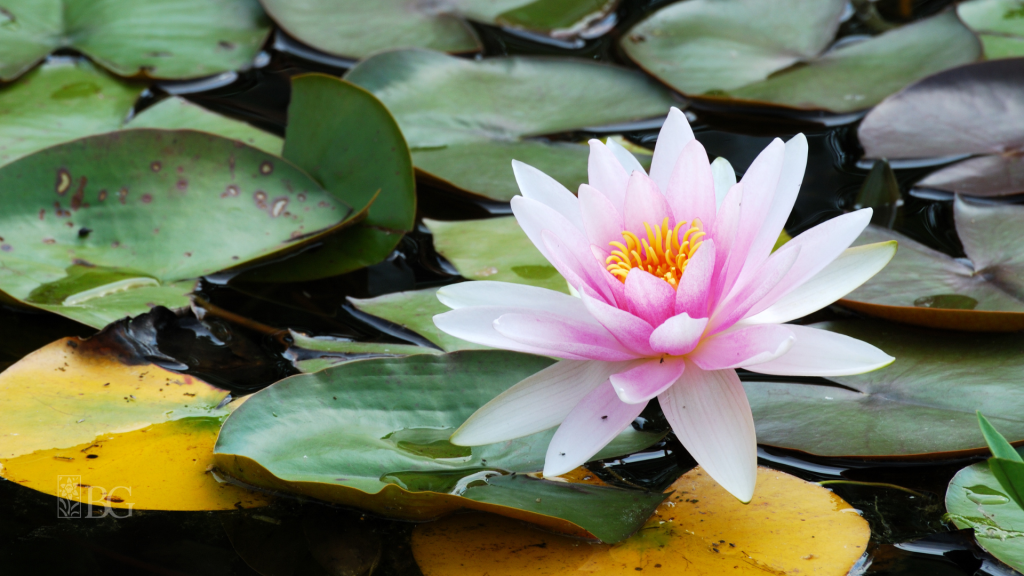
Light and Sun Exposure
Water lilies thrive in full sunlight. For optimal flowering, ensure your pond or water garden receives at least six hours of direct sunlight each day. In St. John’s, where sunlight can be less intense, particularly in the spring and autumn, providing ample sunlight is critical to encouraging bloom development.
Water lily leaves also serve a secondary purpose: they provide shade for fish and help regulate water temperature, which is beneficial for preventing algae growth.
Water and Temperature Requirements
While water lilies are quite adaptable, they prefer calm, standing water. Fast-moving or turbulent water can damage their delicate leaves and inhibit growth. In terms of water depth, ensure that your pond allows for the appropriate submersion of the plant, as outlined earlier.
Temperature Considerations
Tropical water lilies require water temperatures of at least 21°C to thrive. However, for Newfoundland’s cooler climate, hardy water lilies are more suitable, as they can handle lower water temperatures, starting from 15°C. St. John’s often experiences cool evenings, even in summer, so choosing hardy varieties ensures resilience to temperature fluctuations.
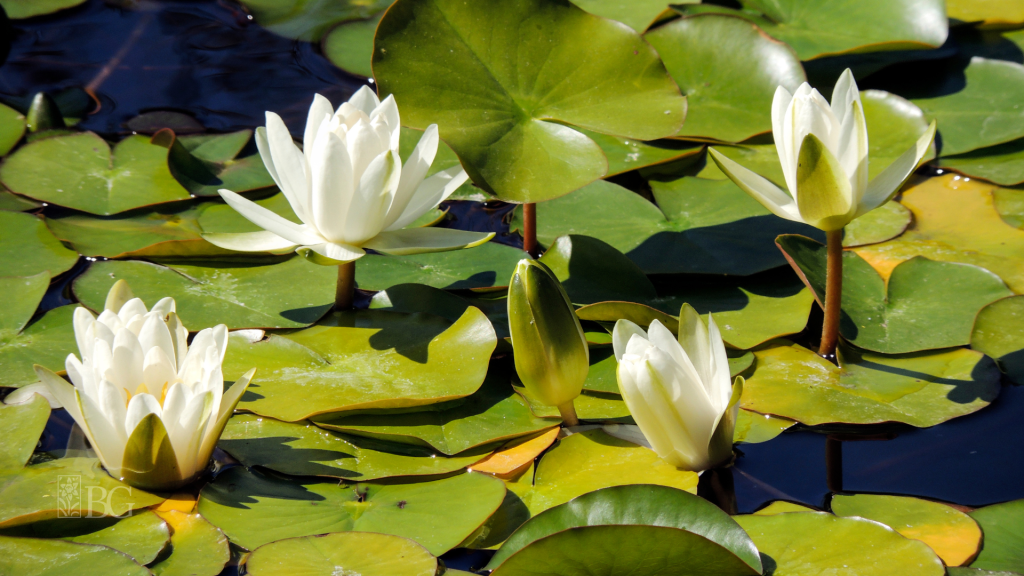
Fertilizing Water Lilies
To encourage vibrant blooms, fertilizing water lilies is essential. Use slow-release aquatic plant fertilizer tablets. Insert one or two tablets into the soil at the base of each plant every four to six weeks during the growing season, which typically spans from May to September in St. John’s.
Avoid over-fertilizing, as this can lead to excessive algae growth, which will compete with your water lilies for nutrients and sunlight.
Pruning and General Maintenance
Water lilies require regular maintenance to keep them healthy and ensure they continue to bloom. Remove any yellowing or damaged leaves as soon as they appear. This prevents the plant from wasting energy on dead material and maintains water quality by preventing plant matter from decomposing in the pond.
Deadheading Blooms
To encourage continuous flowering, remove spent blooms by cutting the stem just below the water’s surface. Regular deadheading prevents the plant from focusing its energy on seed production and redirects it towards new bloom growth.
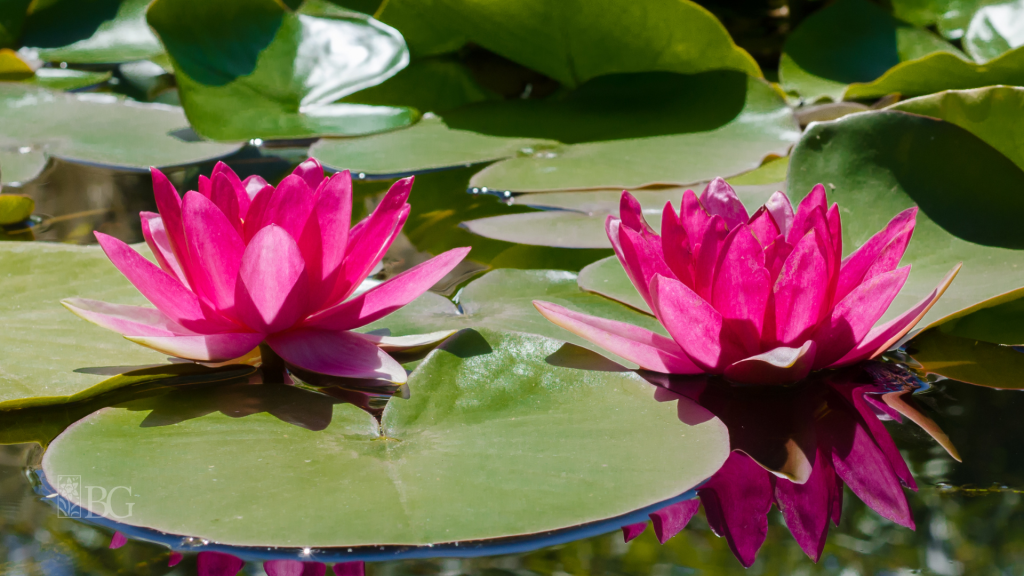
Overwintering Water Lilies in Newfoundland
In Newfoundland’s colder climate, hardy water lilies can survive winter outdoors, provided they are protected from freezing. If your pond is deep enough (more than 45 cm), you can leave your water lilies in place, as the water will insulate the roots. However, if your pond is shallow or prone to freezing, consider moving the container to a deeper part of the pond where freezing is less likely to occur.
For smaller ponds that are drained for winter, follow these steps:
- Remove the Plant: Carefully remove the container from the pond before the first frost.
- Trim the Foliage: Cut back any dead or dying foliage.
- Store the Rhizome: Store the container in a cool, dark place such as a basement, ensuring the temperature remains between 4–10°C.
- Replant in Spring: Once temperatures in St. John’s remain consistently above 10°C, reintroduce the water lilies to your pond.
Common Pests and Diseases
Water lilies in Newfoundland are relatively pest-resistant, but certain insects and diseases can still pose challenges.
Aphids and Beetles
- Water Lily Aphids: These pests cause yellowing leaves. You can eliminate them by rinsing the leaves with water or submerging the affected leaves in the pond for a day or two.
- Water Lily Beetles: These small brown beetles chew holes in the leaves. Remove them by hand and rinse larvae off the plant.
Fungal Diseases
- Water Lily Crown Rot: This fungal disease affects the plant’s base and stems, causing them to soften and rot. Remove and destroy affected plants to prevent spreading.
- Leaf Spot: Grey or brown spots on leaves indicate leaf spot. Simply remove the affected leaves to maintain the plant’s health.
Conclusion
Growing water lilies in St. John’s, Newfoundland, can be a rewarding experience with the right care and attention. By selecting hardy varieties, providing optimal sunlight, and managing the pond environment effectively, you can enjoy these beautiful aquatic blooms for many years. Proper planting, fertilization, and maintenance will ensure your water lilies thrive in Newfoundland’s unique climate.
You can consult with our team at Bowering Gardens, lawn and garden experts in St. John’s, Newfoundland, to determine the best practices for your specific region and landscaping, or you can reach out to us below to get a quote so that we can take it off your hands entirely.
Please note that the information provided in this article is based on general guidelines. Specific care and conditions may vary for different varieties and individual gardens.
Frequently Asked Questions
When selecting water lilies for St. John’s, it’s essential to choose hardy varieties that can withstand Newfoundland’s colder climate. Tropical water lilies, while beautiful, are not suited to our region’s cooler temperatures. Hardy varieties such as Nymphaea odorata (American White Water Lily) and cultivars like ‘Attraction,’ ‘Peaches and Cream,’ and ‘Pink Beauty’ are ideal choices. These hardy species can survive the winter with proper care and are more resilient to temperature fluctuations typical of our climate. Ensure you select varieties that can thrive in USDA hardiness zones 4–6, which align with Newfoundland’s weather patterns.
The best time to plant hardy water lilies in Newfoundland is from late spring to mid-summer, once water temperatures consistently rise above 10°C. Given St. John’s cool springs, it’s advisable to wait until May or June to plant your water lilies to avoid the risk of frost damage. The plants should be placed in water that remains above 15°C to ensure healthy growth. Tropical water lilies should be avoided unless grown indoors or in heated water environments, as they require temperatures above 21°C.
For optimal growth in St. John’s, plant your water lilies in water that is between 20 and 45 cm deep, depending on the variety. Hardy water lilies, which are better suited for Newfoundland’s cooler climate, thrive at these depths. Placing the plant at the correct depth is crucial for ensuring that the crown remains close to the water’s surface, allowing for proper leaf and bloom development. If your pond freezes in the winter, consider moving the containers to the deeper parts of the pond, where the water is less likely to freeze.
Yes, hardy water lilies can survive the winter in Newfoundland, provided certain precautions are taken. In ponds that are deep enough (over 45 cm), the water will insulate the plant’s rhizomes, protecting them from freezing. However, in shallower ponds or those that are drained during the winter, it’s important to remove the plants before the first frost. Store them in a cool, dark place, such as a basement, where the temperature stays between 4–10°C. Reintroduce the plants to your pond in the spring when temperatures consistently remain above 10°C.
Remember, gardening is not only about nurturing plants but also about embracing the joy and wonder that nature brings. Happy gardening!
Posted on
Posted in Blog
