
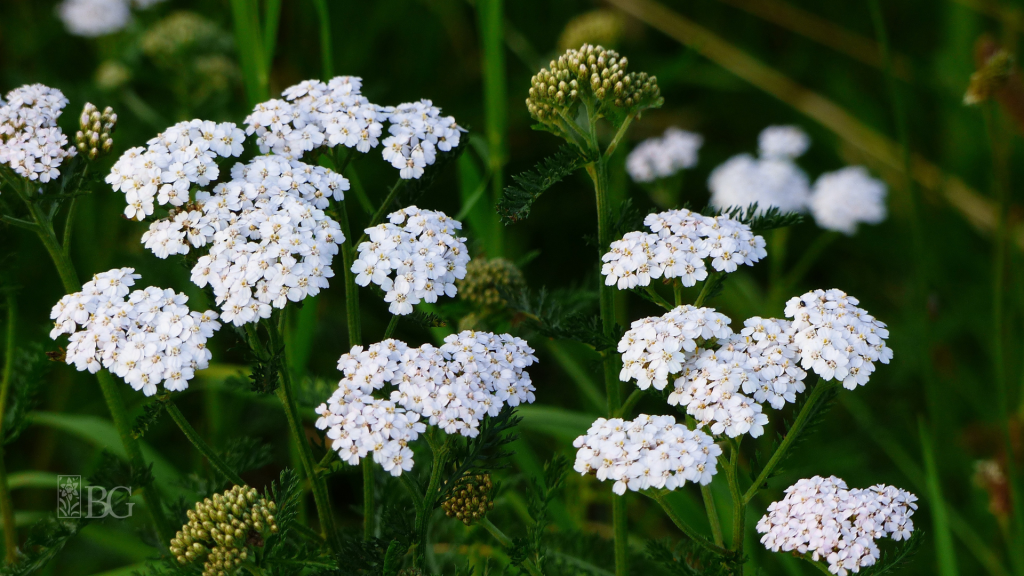
Flower Friday – Yarrow (Achillea Millefolium)
From Meadow to Border: A Practical Guide to Achillea in Coastal Newfoundland
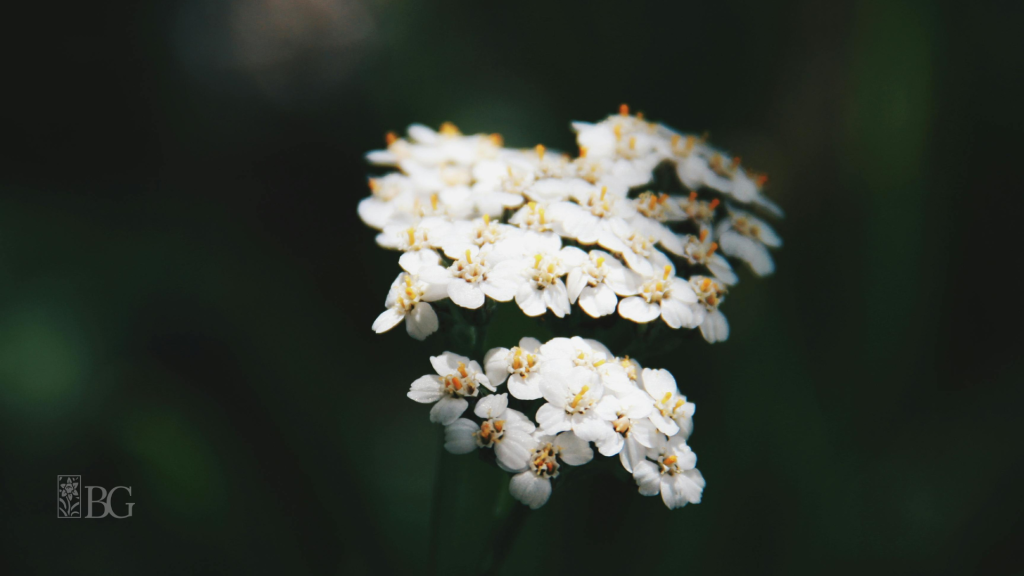
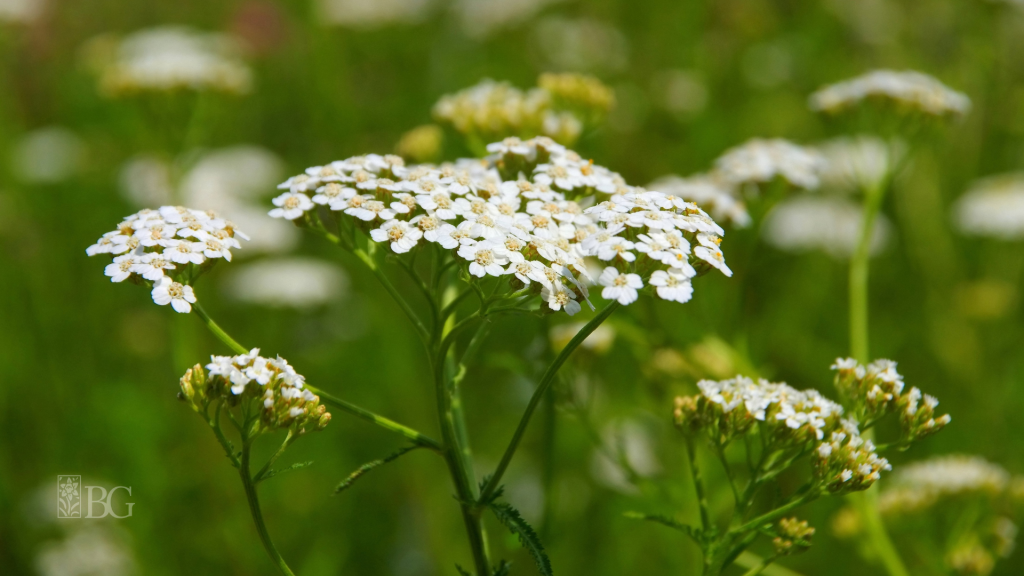
Achillea (commonly yarrow) is a tough, sun-loving perennial that thrives in lean soil and wind, producing flat “landing pads” of bloom that pull in pollinators for weeks. In our coastal climate—cool nights, regular breeze, and often drier summer pockets once established—yarrow earns its place as a reliable mid-to-late-season anchor. It’s also one of the easiest cut flowers you can grow and dry.
Quick Facts
- Botanical: Achillea millefolium and hybrid cultivars
- Height & spread: 30–90 cm tall × 30–60 cm wide (cultivar dependent)
- Bloom window: Late June–September with deadheading
- Sun: Full sun (≥6 hours)
- Soil: Well-drained, on the lean side; sandy or gravelly is fine
- Water: Light to moderate; drought-tolerant after year one
- Hardiness: USDA Zones 3–9 (fully hardy here)
- Wildlife: Excellent nectar source for bees and butterflies
- Deer/Rabbit: Generally avoided
Site and Soil: Start Lean, Stay Upright
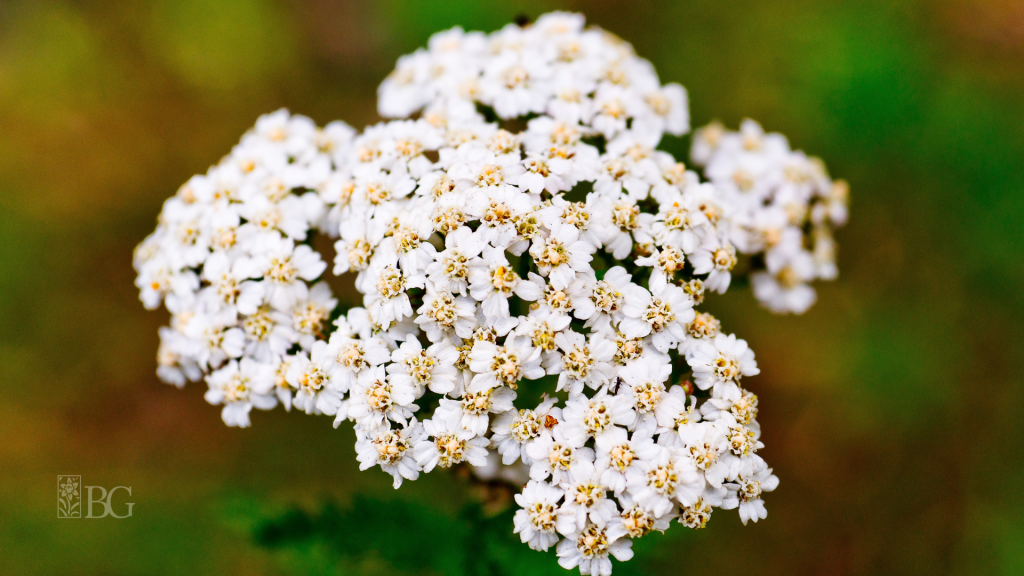
Yarrow performs best where soil drains quickly and isn’t over-rich. Compost is helpful at planting, but keep fertility modest afterward—excess nitrogen leads to tall, floppy stems. In heavier patches around town, lighten the top 20–25 cm with grit or coarse sand and a modest amount of compost. Aim for pH near neutral (6.0–7.0), but yarrow isn’t picky.
Planting (Spring or Early Autumn)
Set yarrow in the ground once the soil is workable in spring or with 6–8 weeks before freeze-up in early autumn, positioning crowns level with the surrounding soil and firming them in well. Space compact hybrids about 30–45 cm apart and taller selections 45–60 cm to preserve airflow and keep stems upright. Water thoroughly to settle the soil, then mulch lightly with 3–5 cm of fine bark or gravel, keeping mulch off the crown to prevent rot. In the first season, water whenever the top 3–4 cm of soil dries; after establishment, shift to deeper, infrequent watering only during extended dry spells.

Care, Without the Clutter
Think “little and often.” Here’s a streamlined routine that keeps plants blooming and tidy in our conditions.
Early season (May–June)
- Top-dress lightly with compost; skip high-nitrogen feeds.
- In windy, exposed beds, pinch taller stems once (remove 3–5 cm) to encourage stockier growth.
High summer (July–August)
- Deadhead promptly (cut spent umbels back to a side leaf) for repeat bloom.
- Water deeply during prolonged dry spells (about 20–25 mm per week) rather than frequent sips.
Season’s end (September–October)
- Either shear to 10–15 cm once the show is over, or leave seed heads standing for winter texture and birds; cut back in early spring.

Pruning and Division: The Two Habits That Make Yarrow Last
Keep yarrow compact and blooming by giving taller cultivars a light pinch in June—remove about 3–5 cm of new growth before buds form to encourage stockier stems that stand up to our coastal wind and to stagger the bloom for a longer season. Through summer, deadhead in waves rather than waiting for the whole clump to fade; cutting spent umbels back to a side leaf keeps colour rolling and prevents stray self-seeding. Every two to three years in early spring, lift mature clumps, discard the woody, congested centre, and replant the younger outer pieces at the same depth, spacing divisions 30–45 cm apart and watering to settle them in. This simple cycle—pinch, deadhead, divide—keeps plants upright, restores vigour, improves airflow, and gives you fresh stock for other beds without adding fertilizer or stakes.
Problems (and the Fast Fix)
- Flopping: Too much shade or fertility; move to full sun, divide, or give the early pinch.
- Powdery mildew/leaf spot: Crowding and shade; thin, divide, and keep sun on the foliage.
- Aphids/spittlebugs: Usually cosmetic; rinse off or allow predators to clear them.
- Crown rot: Mulch pulled against the crown or poor drainage; lift, amend with grit, replant high.
Note: Yarrow can cause mild skin irritation for some; gloves are sensible during prolonged handling. It’s also considered mildly toxic to pets if ingested.
Design Notes (use it three ways)
- Matrix and meadow: Thread yarrow through grasses (panicums, Calamagrostis ‘Karl Foerster’) for movement and long range of colour.
- Cutting border: Pair with echinacea, rudbeckia, and salvias; yarrow’s umbels are ideal “resting” shapes in bouquets and dry well.
- Small city beds: Choose compact series to hold scale and avoid self-seeding into cracks.
Cultivars That Behave (and look sharp)
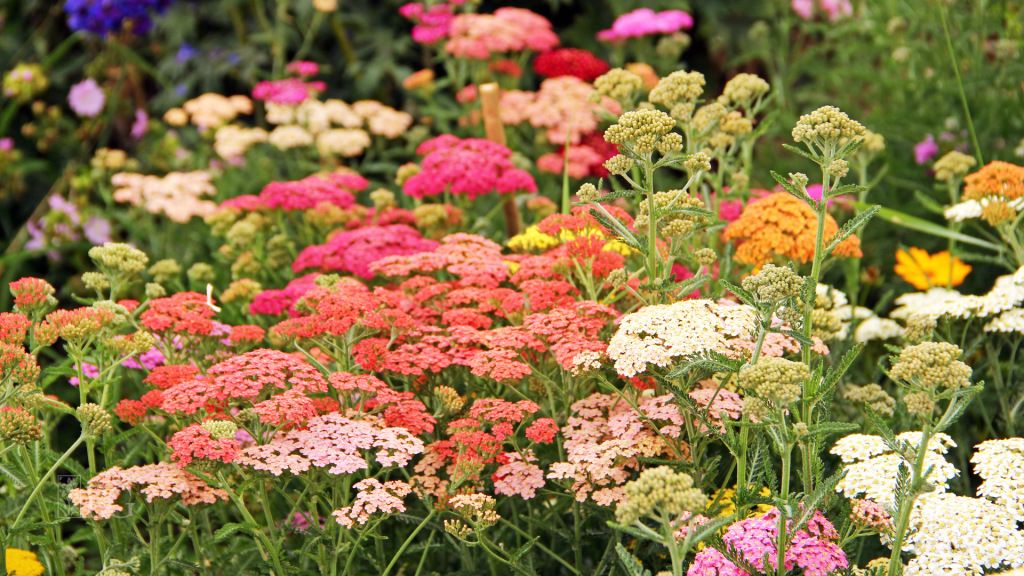
- ‘Moonshine’ (≈45–60 cm): Sulphur-yellow, tidy habit, very reliable rebloom.
- ‘Terracotta’ (≈60–75 cm): Apricot to russet tones that age beautifully; sturdy stems.
- ‘Paprika’ (≈45–60 cm): Warm red that softens to pink; great for mixed borders.
- ‘Saucy Seduction’ (≈45–60 cm): Deep rose-pink plates, compact and uniform.
- Native-leaning forms of A. millefolium: Softer whites and pastels, tougher in very lean sites.
Propagation (pick your pace)
For reliable, uniform plants, divide established clumps in early spring: lift the crown, discard the woody centre, and replant the younger outer pieces at the same depth, spacing divisions 30–45 cm apart and watering to settle them in. For quicker multiplication of select cultivars, take basal cuttings in spring from sturdy, non-flowering shoots 6–8 cm long, strip the lower leaves, and root in a free-draining medium kept just moist and bright. Seed works well for species and meadow mixes but hybrids won’t come true; sow thinly on the surface of a gritty mix in late winter to early spring, keep at cool room temperature with light, then prick out and harden off before planting once frost risk has passed.
You can consult with our team at Bowering Gardens, lawn and garden experts in St. John’s, Newfoundland, to determine the best practices for your specific region and landscaping, or you can reach out to us below to get a quote so that we can take it off your hands entirely.
Please note that the information provided in this article is based on general guidelines. Specific care and conditions may vary for different varieties and individual gardens.
Frequently Asked Questions
Full sun, lean soil, and a light June pinch make the biggest difference. For very tall cultivars in exposed spots, a discreet ring stake helps during storms.
Hybrids are mostly clump-forming with modest self-seeding. Divide every 2–3 years and deadhead if you want tight, contained clumps. Species types spread more—use them in naturalistic areas.
After the first season, very little. In dry spells, give a single deep soak weekly (20–25 mm). Constant light watering encourages soft, floppy growth.
Not usually. A light top-dress of compost in spring is enough. High-nitrogen fertilizer pushes height at the expense of sturdy stems and bloom.
Yes. Cut when the umbels are nearly fully open for longest vase life. For drying, hang small bunches upside down in a dark, airy space; colours hold well.
Remember, gardening is not only about nurturing plants but also about embracing the joy and wonder that nature brings. Happy gardening!
Posted on
Posted in Blog
