
Flower Friday – Yellow Iris
How to Grow Yellow Iris Successfully in St. John’s, Newfoundland
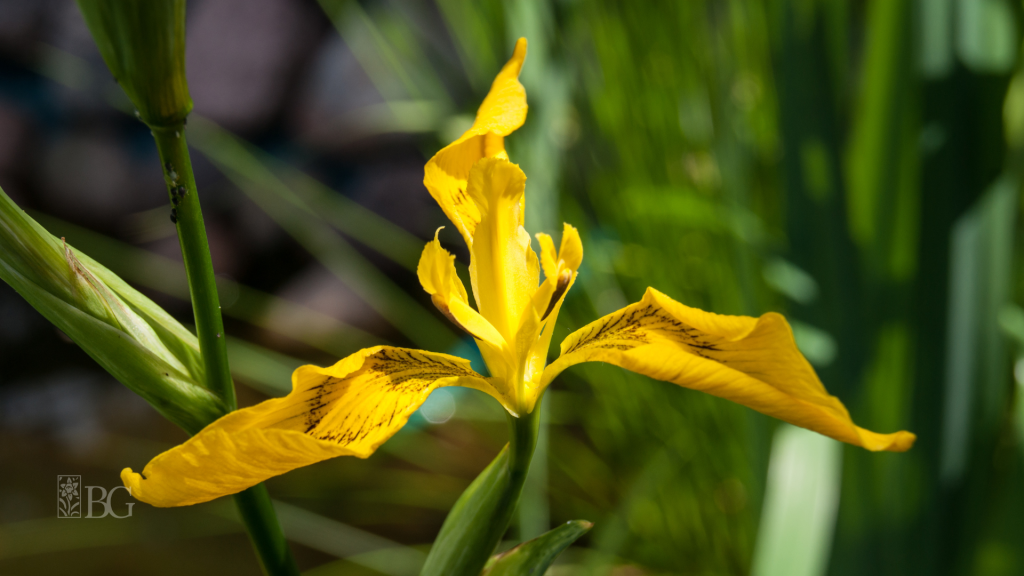
Yellow iris (Iris pseudacorus) is a hardy, moisture-loving perennial valued for its tall stature, sword-like leaves, and bright yellow blooms that appear in late spring to early summer. Native to Europe, North Africa, and parts of Asia, it has adapted well to cool, wet climates like that of Newfoundland. While some gardeners may be cautious due to its invasive potential in wetlands, cultivated varieties of yellow iris are well-behaved when grown responsibly in managed garden settings.
This article explains how to grow yellow iris in St. John’s, where it can bring vertical structure and cheerful colour to damp beds, bog gardens, and the edges of ponds.
Plant Overview
- Botanical Name: Iris pseudacorus
- Common Name: Yellow iris, yellow flag iris
- Family: Iridaceae
- Plant Type: Herbaceous perennial
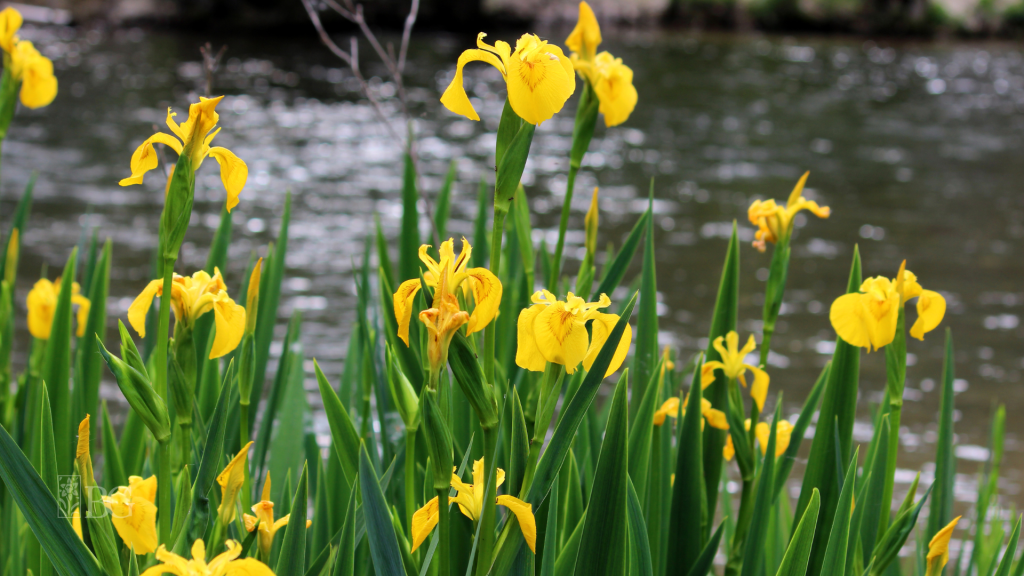
- Height & Spread: 75 to 120 cm tall × 60 to 90 cm wide
- Bloom Time: Late spring to early summer (usually June in Newfoundland)
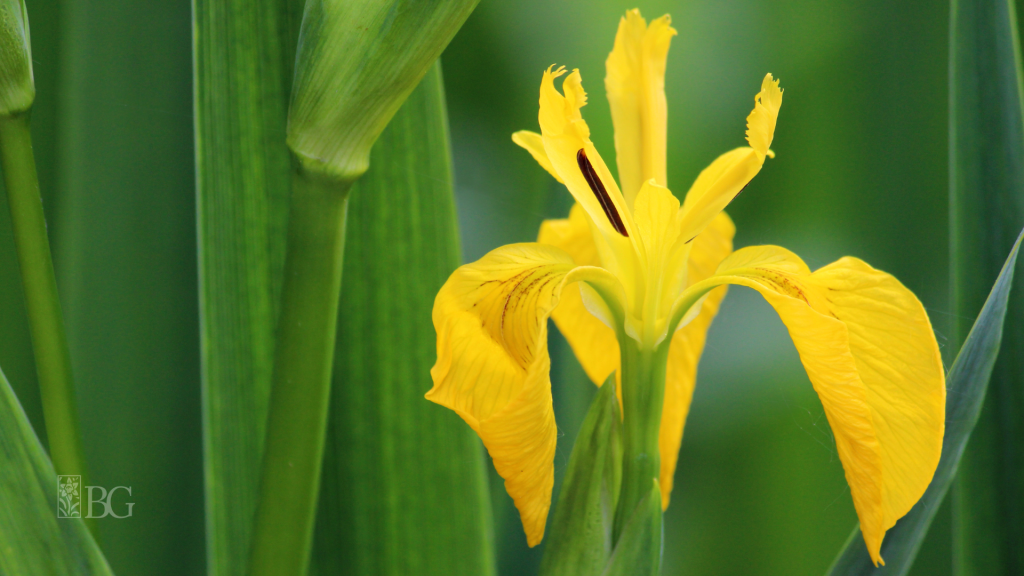
- Flower Colour: Bright yellow with darker veining
- Sunlight: Full sun to light shade
- Soil: Moist to wet; tolerates heavy clay
- Hardiness: USDA Zones 4 to 9
- Toxicity: Toxic to humans and pets if ingested
- Invasiveness: Invasive in wild wetlands, but manageable in home gardens
Best Conditions for Yellow Iris in St. John’s
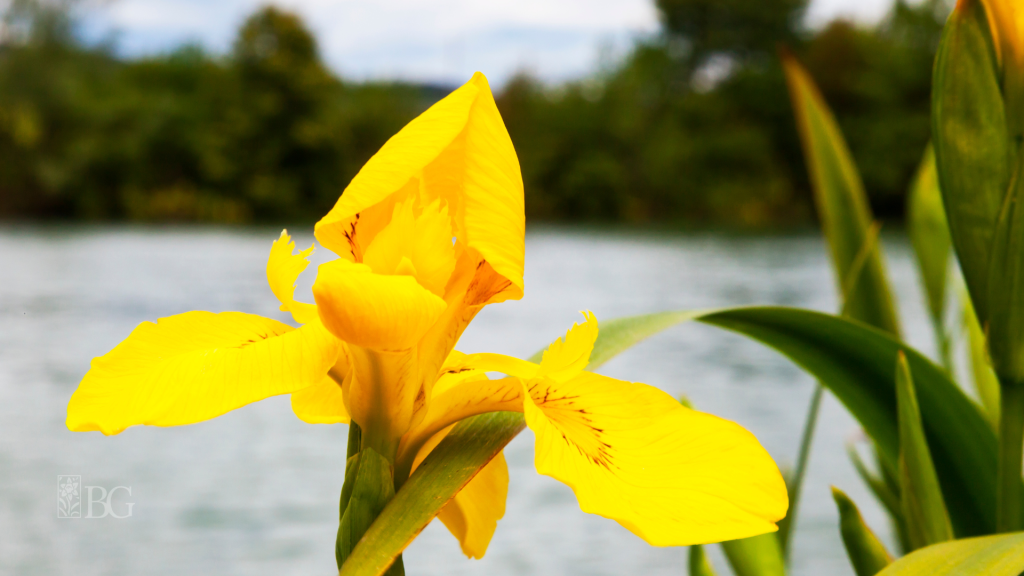
The natural growing conditions in St. John’s—cool summers, high humidity, frequent rainfall, and heavy soils—are ideal for Iris pseudacorus. It thrives in wet ground where other perennials may struggle, such as the margins of ponds, bog gardens, drainage swales, or clay-heavy beds that retain moisture.
While it can tolerate light shade, yellow iris flowers best in full sun. For gardeners concerned about invasive spread, rhizome division and proper containment (e.g., raised beds or edging barriers) help keep growth in check.
How to Plant Yellow Iris
When to plant:
Plant rhizomes in early spring or early fall, when temperatures are cool and rainfall is reliable. This gives plants time to establish roots before the stress of flowering or freezing weather.
Planting steps:
- Choose a sunny or lightly shaded location with moist, rich soil.
- Improve drainage in compacted clay by loosening the top 30 cm and adding compost.
- Set rhizomes horizontally just below the surface, no more than 3 cm deep.
- Space plants 45–60 cm apart to allow for spreading.
- Water well after planting and keep soil consistently moist during establishment.
If planting near water features, situate the rhizomes so that only their roots, not the crown, sit in standing water.
Ongoing Care and Maintenance
Yellow iris is low-maintenance but benefits from routine care, particularly in compact garden spaces:
- Watering: Once established, no supplemental watering is needed in damp soil. In dry spells, water deeply to mimic its natural wet habitat.
- Mulching: Apply 5–7 cm of compost or leaf mulch in spring to enrich soil and suppress weeds.
- Fertilizing: Fertilizer is rarely needed. If desired, apply a balanced slow-release formula in spring.
- Dividing: Divide clumps every 3–5 years in late summer or fall to prevent overcrowding and rejuvenate blooming.
- Deadheading: Remove spent blooms to improve appearance and prevent unwanted seeding.
- Cutting back: Trim back foliage in late fall after the first frost.
Controlling Spread and Invasiveness
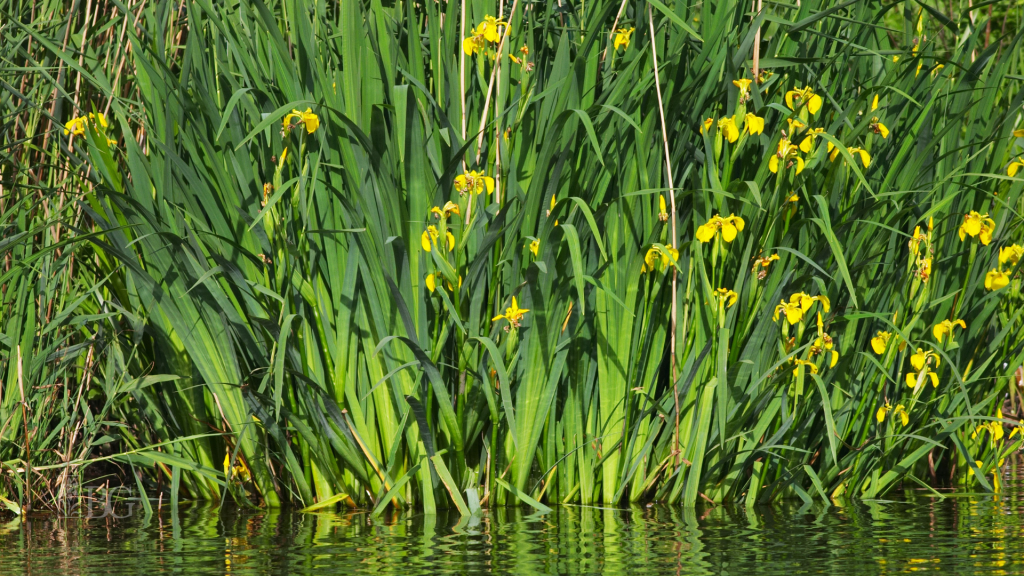
In Newfoundland, yellow iris is not native and has been known to spread aggressively in unmanaged wetland environments. To prevent this in a home garden:
- Plant in contained areas such as raised beds, barrels, or lined bog gardens.
- Regularly divide rhizomes to manage clump size.
- Avoid planting near natural waterways where escape could occur.
- Dispose of divisions and cuttings responsibly—never compost near open land.
When managed thoughtfully, yellow iris can be a showy and well-behaved part of the cultivated landscape.
Design Ideas and Companion Plants
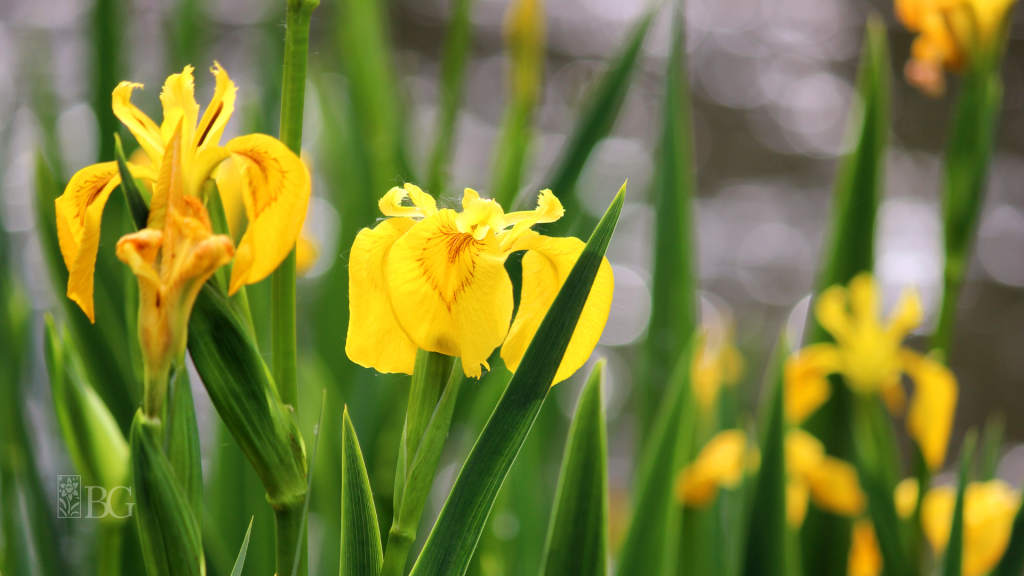
Use yellow iris to create vertical interest and vibrant colour contrast in:
- Rain gardens
- Edges of ponds or decorative water features
- Damp perennial borders
- Clay-heavy beds that receive runoff
It pairs beautifully with moisture-tolerant plants such as:
- Hostas (in partial shade). It also makes an excellent cut flower or dried flower, retaining its spherical form long after blooming.
- Astilbe
- Rodgersia
- Filipendula
- Lobelia (cardinal flower)
You can consult with our team at Bowering Gardens, lawn and garden experts in St. John’s, Newfoundland, to determine the best practices for your specific region and landscaping, or you can reach out to us below to get a quote so that we can take it off your hands entirely.
Please note that the information provided in this article is based on general guidelines. Specific care and conditions may vary for different varieties and individual gardens.
Frequently Asked Questions
Divide yellow iris in late summer or early fall, ideally between late August and mid-September. This gives the plant time to re-establish roots before winter.
In natural wetlands, it can be invasive, particularly in warmer parts of Canada. In managed home gardens in St. John’s, it is safe to grow if divided regularly and kept away from open waterways.
It can tolerate light shade but blooms far more prolifically in full sun. If grown in deep shade, expect fewer flowers and slower clump development.
Yes, it is typically not browsed by pests due to its toxicity. This makes it a good option in areas where pest pressure limits plant choices.
Yes. It is hardy to USDA Zone 4, which includes all of Newfoundland. The rhizomes can survive freezing temperatures if planted at the correct depth in moist but not waterlogged soil.
Remember, gardening is not only about nurturing plants but also about embracing the joy and wonder that nature brings. Happy gardening!
Posted on
Posted in Blog
