
Flower Friday – Black Gamecock Iris
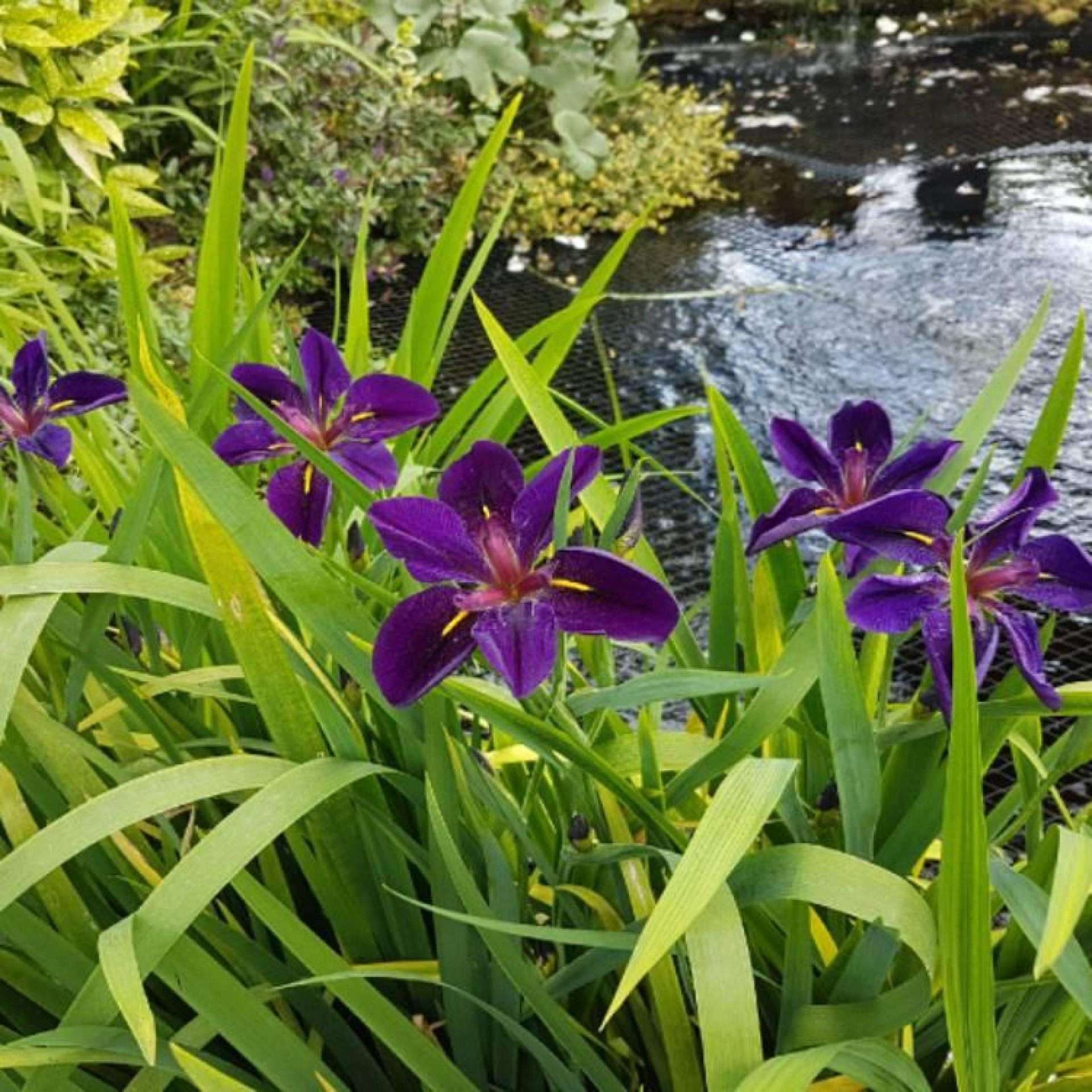
A Black Friday Beauty – Black Gamecock Iris: A Comprehensive Guide to Cultivation and Care in St. John’s, Newfoundland
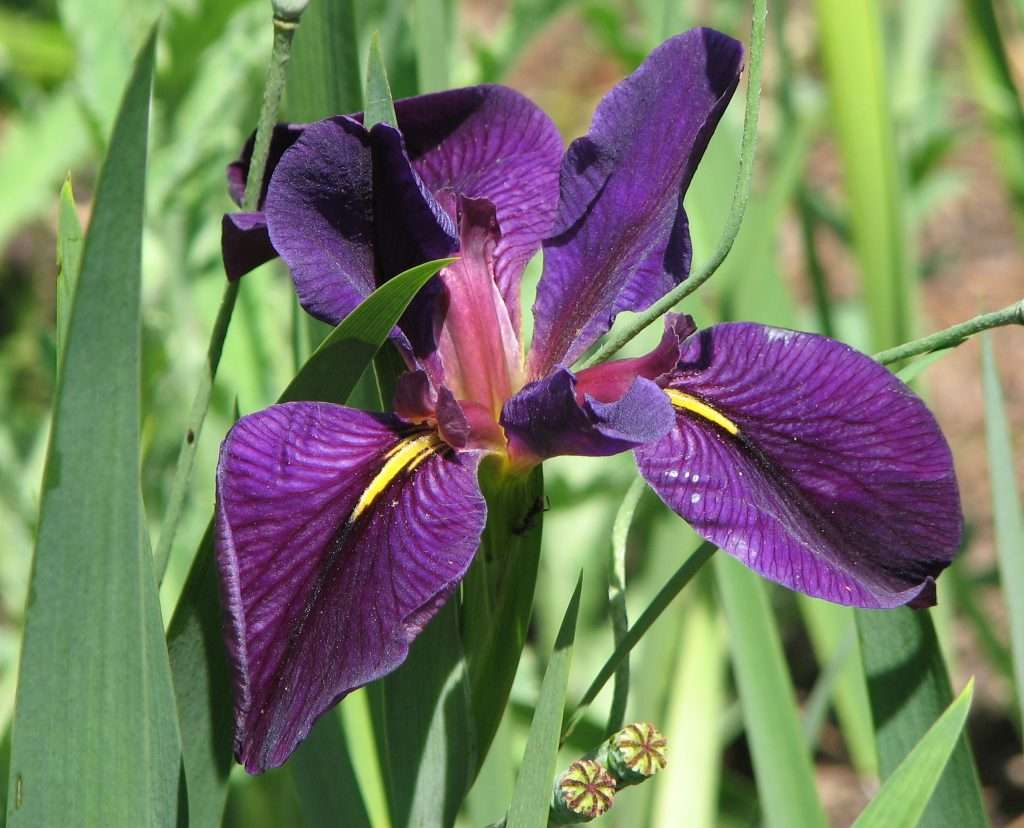
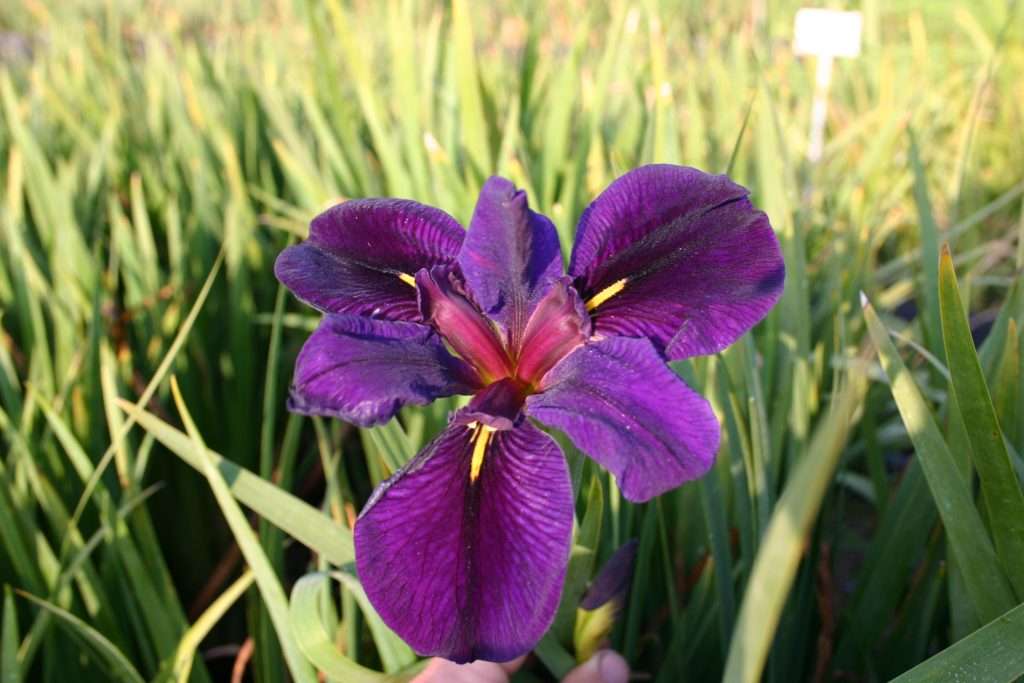
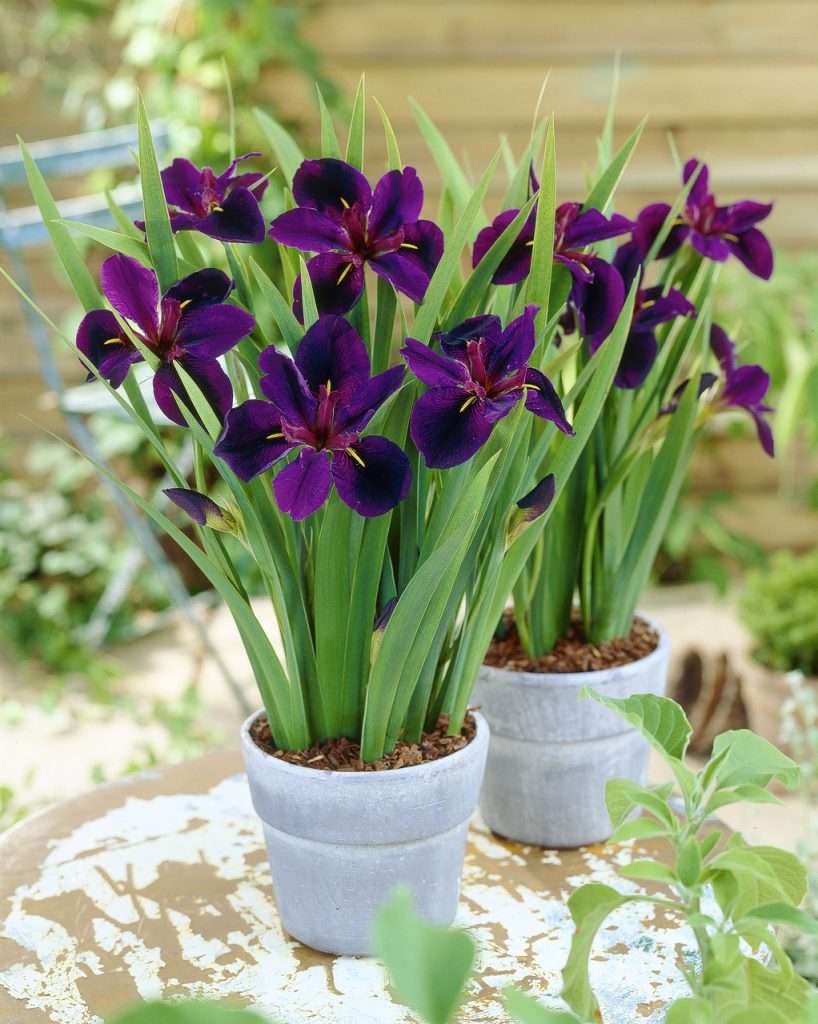
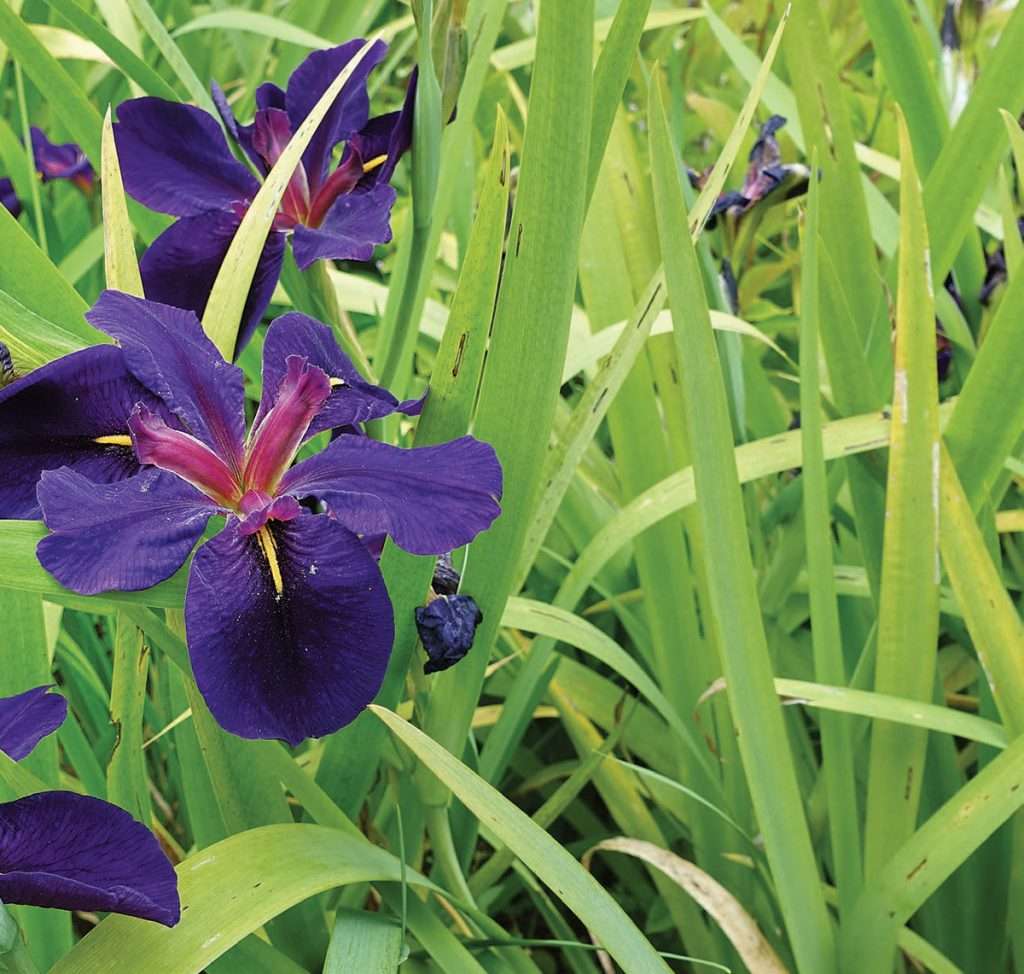
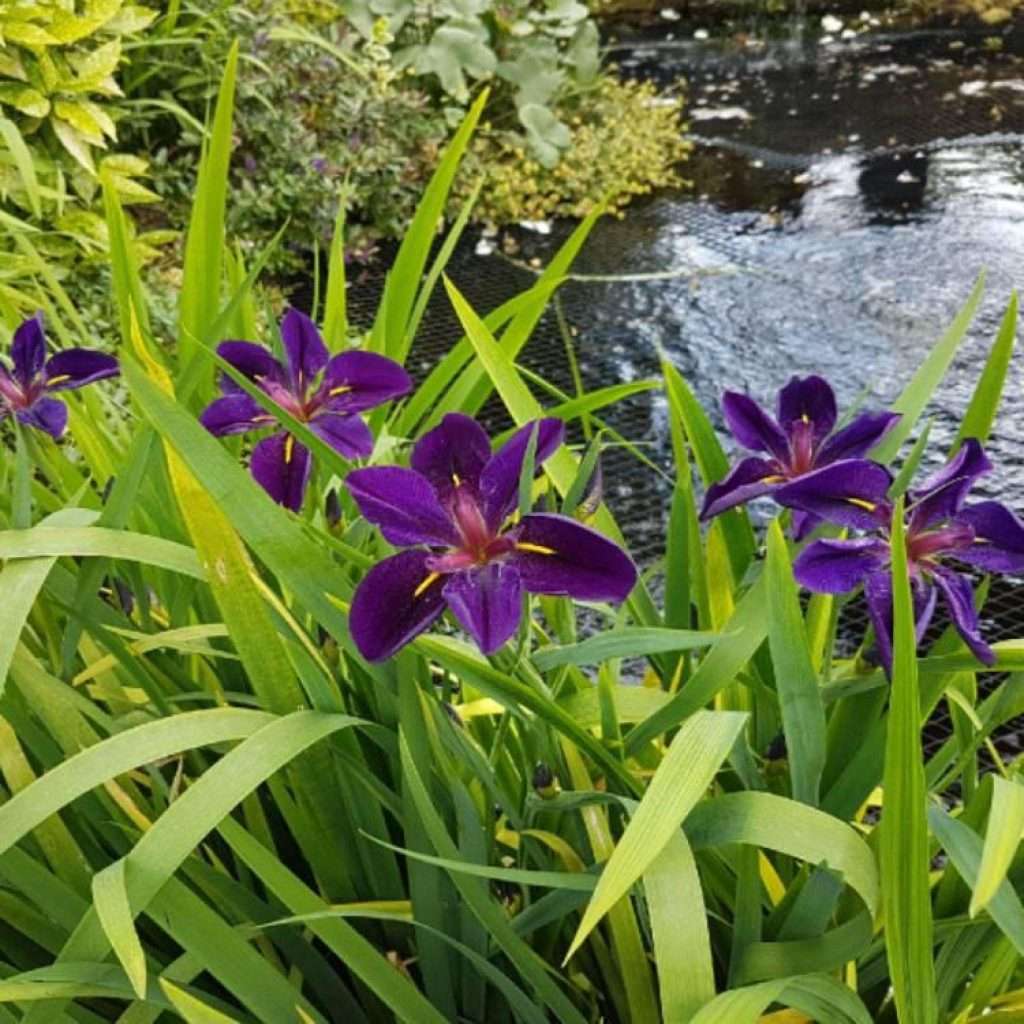
Its deep purple flag-like flowers, adorned with captivating burgundy overtones, are a mesmerizing spectacle that adds an exquisite touch to your garden’s early summer bloom. But this Louisiana Iris is more than just a burst of colour; it’s a botanical masterpiece with distinctive features that make it a true showstopper.
1. Floral Elegance
Picture your garden adorned with the regal presence of the Black Gamecock Iris. The deep purple hues, reminiscent of royal velvet, make a bold statement. The flowers, with their flag-like appearance, create a visual symphony that steals the spotlight in the early summer garden landscape.
2. Sword-like Leaves
The allure extends beyond the blooms to the foliage. Imagine slender, sword-like leaves gracefully complementing the vibrant flowers. This unique characteristic not only enhances the overall aesthetic but also adds a touch of sophistication to the plant’s profile.
3. Outstanding Ornamental Features
Beyond its visual appeal, the Black Gamecock Iris boasts outstanding ornamental features that elevate it to a botanical masterpiece. Whether as a focal point in your garden or as part of a carefully curated landscape, this Louisiana Iris commands attention and admiration.
Embracing the allure of the Black Gamecock Iris means inviting a symphony of deep purples and burgundy into your garden, complemented by sword-like leaves and outstanding ornamental features. It’s not just a flower; it’s a showstopper that transforms your outdoor space into a botanical haven.
Cultivation and Landscape Attributes
1. Height and Spacing
The Black Gamecock Iris, a Louisiana Iris variety, offers a delightful cultivation experience. Achieving optimal results involves understanding its mature height of 18 inches and a generous spread of 24 inches. This key information serves as a guide for gardeners, ensuring that when planted, each iris has ample space to thrive. The recommended spacing not only facilitates healthy growth but also contributes to a well-organized and visually appealing garden layout.
2. Maintenance for Resilient Winter
A resilient winter garden starts with thoughtful maintenance, and the Black Gamecock Iris is no exception. Gardeners are encouraged to delve into the secrets of occasional upkeep, which may involve tasks like removing dead foliage and ensuring the iris is adequately prepared for the colder months. Late fall pruning becomes a crucial practice, promoting not only the plant’s health but also setting the stage for a vibrant resurgence come spring. This step is essential for ensuring the Black Gamecock Iris weathers the winter with strength and vitality, ready to grace the garden with its beauty in the following growing season.
Cultivating the Black Gamecock Iris involves a strategic approach to height and spacing for a visually appealing garden. Additionally, the commitment to maintenance, particularly late fall pruning, is the key to nurturing a resilient iris that withstands winter challenges and flourishes anew each spring.
Special Considerations for Gardeners
1. Deer Resistance
Gardeners, rejoice in the Black Gamecock Iris’s natural defense against deer, moose, and other wildlife. This resilience ensures that your garden remains untouched by these graceful yet nibbling creatures. Plant with confidence, knowing that the Black Gamecock Iris stands as a sentinel, undisturbed by the presence of pests, preserving the beauty of your floral landscape.
2. Versatility in Landscaping
Explore the multifaceted nature of the Black Gamecock Iris, making it a versatile choice for various landscaping endeavors. Consider it for mass planting, where its striking deep purple blooms can create a sea of color, capturing attention and transforming your garden into a visual masterpiece. Utilize its unique features for border edging, adding an elegant touch to garden boundaries. Its adaptability extends to general garden use, enhancing the overall aesthetics with its distinctive charm.
3. Insect Resilience
The Black Gamecock Iris not only captivates with its visual appeal but also contributes to a thriving garden ecosystem by exhibiting resilience against insects. This inherent quality safeguards the plant and surrounding flora, fostering a balanced and healthy environment. Gardeners can enjoy the beauty of the iris without compromising the well-being of their garden inhabitants.
Gardeners are encouraged to embrace the Black Gamecock Iris for its pest resistance, landscaping versatility, and insect resilience. It’s not just a plant; it’s a strategic addition to your garden that enhances aesthetics while maintaining a harmonious ecosystem.
Planting and Growing Tips
1. Strategic Planting
Consider the strategic aspect of spacing with this flower. Emphasize the significance of providing ample room for each plant, ensuring optimal growth and preventing overcrowding. Enlighten gardeners on the recommended spacing guidelines, fostering a well-organized and aesthetically pleasing garden.
2. Ideal Growing Conditions
Uncover the secrets to harnessing the full potential of the Black Gamecock Iris by understanding its adaptability to various soil types. From loamy to clayey, explore how this Louisiana Iris thrives in diverse soil environments. Highlight its resilience to varying pH levels, making it a versatile choice for gardens with different soil compositions. Showcase the plant’s ability to withstand urban pollution, positioning it as a robust and adaptable addition to both urban and suburban landscapes.
Conclusion
As gardeners consider cultivating the Black Gamecock Iris, they should focus on strategic planting practices, spacing considerations, and the plant’s remarkable adaptability to different soil types, pH levels, and urban conditions. This knowledge ensures not just growth but flourishing, vibrant blooms that elevate the visual appeal of any garden.
You can consult with our team at Bowering Gardens, lawn and garden experts in St. John’s, Newfoundland, to determine the best practices for your specific region and landscaping, or you can reach out to us below to get a quote so that we can take it off your hands entirely.
Please note that the information provided in this article is based on general guidelines. Specific care and conditions may vary for different varieties and individual gardens.
Frequently Asked Questions
In late fall, cut back the plant to prepare for winter. Although it dies back to the crown in winter, it regrows in spring. Avoid disturbing the crown during late winter.
Plant in full sun to partial shade with well-spaced intervals of approximately 18 inches apart. It thrives in various soil types and is adaptable to different pH levels. The plant is somewhat tolerant of urban pollution.
Deer, moose, or rabbits, don’t particularly care for this plant, making it a suitable choice for gardens where deer may be a concern. Its resistance to deer adds to its appeal for gardeners.
This water-loving iris prefers moist conditions. Deep watering is recommended for vigorous growth, and it can tolerate up to 6 inches of standing water. It performs best when the soil is kept consistently moist.
Yes, it is recommended for mass planting, border edging, and general garden use. Its clump-forming nature and upright spreading habit make it an excellent choice for creating visually appealing landscapes.
Remember, gardening is not only about nurturing plants but also about embracing the joy and wonder that nature brings. Happy gardening!
Posted on
Posted in Blog
