
Flower Friday – Daffodil

Mastering Daffodils: A Newfoundland Gardener’s Guide
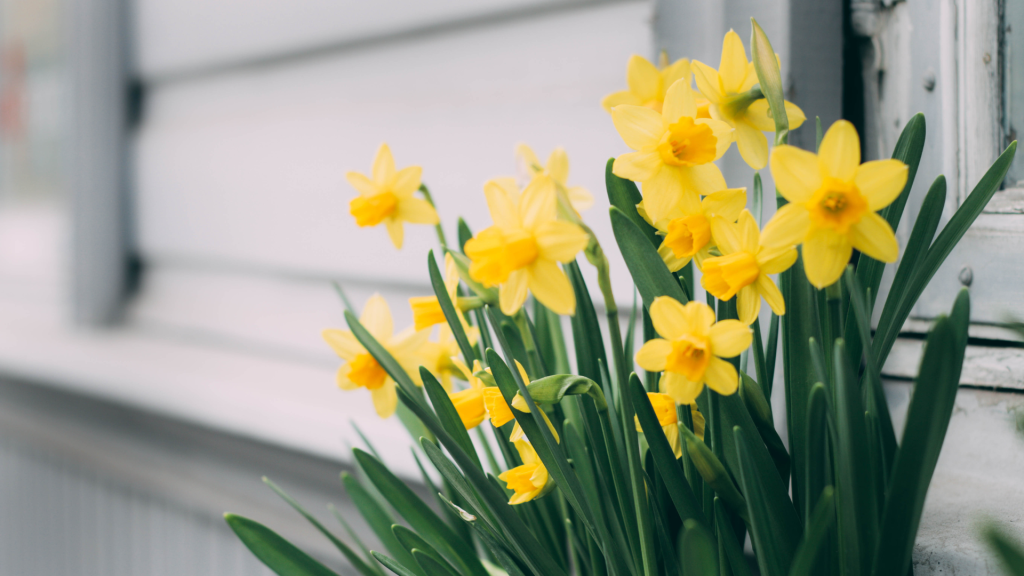
Daffodils, also known as Narcissus, are quintessential spring bloomers, heralding the arrival of warmer days and adding vibrant hues to our gardens. Plus, April has been deemed Daffodil month here in Newfoundland and Canada, in support of the Canadian Cancer Society‘s fundraising and awareness campaign in the fight against cancer. Due to their enduring bloom as the first heralds of spring, daffodils symbolize sunshine and fresh starts, undeterred by any conditions. Their vibrant yellow hue embodies hope, renewal, and positivity, seamlessly aligning with the spirit of the ongoing and fervent battle against cancer.
In this guide, we’ll delve into everything you need to know to cultivate these delightful flowers successfully in St. John’s, Newfoundland’s unique climate.
Embracing Daffodils in Newfoundland Gardens
The Newfoundland Climate and Daffodils
Newfoundland’s climate presents both challenges and opportunities for gardening enthusiasts. With its cool summers and mild winters, the island offers an ideal environment for daffodils to flourish. These resilient flowers thrive in climates with a winter chill, making Newfoundland a perfect home for them.
Symbolism and Beauty
As one of the first flowers to bloom in early spring, daffodils hold special significance, symbolizing renewal and hope. Their cheerful blossoms bring joy after the long winter months, transforming gardens into colourful havens. Whether planted in borders, beds, or containers, daffodils add a touch of elegance to any landscape.
Planting Daffodil Bulbs in St. John’s, Newfoundland
Selecting Healthy Bulbs
When choosing daffodil bulbs for your Newfoundland garden, opt for ones that are firm, plump, and free from blemishes. Avoid bulbs with soft spots or signs of rot. Optimal bulb selection is crucial for ensuring robust growth and abundant blooms.
Timing is Key
In Newfoundland, where winters can be harsh, it’s essential to plant daffodil bulbs in mid to late autumn. This timing allows the bulbs to establish their root systems before the onset of cold weather. Aim to plant them before Thanksgiving to ensure a spectacular display of blooms come springtime.
Ideal Planting Locations
Daffodils thrive in well-drained soil and prefer locations with full to partial sun exposure. Consider planting them in borders, along pathways, or beneath deciduous trees where they’ll receive ample sunlight during the spring months. Their vibrant blooms will brighten up any corner of your garden.
Planting Techniques
When planting daffodil bulbs, ensure they are positioned with their pointed ends facing upwards, approximately 3 to 6 inches deep in the soil. In Newfoundland’s soil, bulbs can be planted slightly deeper, around 8 inches. For a stunning visual impact, plant bulbs in clusters, spacing them 5 to 12 inches apart, depending on your desired density.

Nurturing Your Daffodils: Newfoundland’s Care Tips
Minimal Maintenance
Daffodils are low-maintenance plants, making them perfect for busy Newfoundland gardeners. Simply water them regularly during the active growing season and apply a top dressing of bulb fertilizer as needed. These resilient flowers require little intervention to thrive.
Preserving Beauty
After the blooms have faded, resist the urge to remove the foliage. Instead, allow the leaves to turn yellow and wither naturally. This process allows the bulbs to absorb sunlight, replenishing their energy for the following year’s blooms. With proper care, your daffodils will continue to dazzle year after year.

Types of Daffodils: Selection for St. John’s, Newfoundland
Exploring Diversity
With over 32,000 registered cultivars, daffodils offer a wealth of diversity for Newfoundland gardeners to explore. From the classic trumpet-shaped blooms to delicate doubles and fragrant clusters, there’s a daffodil variety to suit every taste and garden style.
Division Classification
Daffodils are classified into 13 divisions based on their flower forms, ranging from Trumpet and Large-cupped to Small-cupped and Double varieties. Each division offers its unique charm, adding depth and character to your garden landscape.
Division 1: Trumpet
The Trumpet daffodil features a prominent center cup, at least as long as its petals, with a single bloom per stem. Its majestic appearance adds a regal touch to any garden setting.
Division 2: Large-cupped
Large-cupped daffodils boast cups that are more than one-third the length of their petals. With one bloom per stem, these daffodils exude elegance and grace, making them popular choices for floral displays.
Division 3: Small-cupped
As the name suggests, Small-cupped daffodils have cups that are no more than one-third the length of their petals. Delicate and charming, these daffodils captivate with their dainty blooms.
Division 4: Double
Double daffodils feature clustered cups and petals, often with one or more blooms per stem. Their voluminous appearance and abundant petals create a captivating spectacle in the garden.
Division 5: Triandrus
Triandrus daffodils showcase flowers with a distinctive hanging bell shape, typically boasting two or more blooms per stem. Their graceful form and delicate petals add a touch of whimsy to garden landscapes.
Division 6: Cyclamineus
Cyclamineus daffodils are characterized by their swept-back petals and singular bloom per stem. With their unique appearance, these daffodils command attention and intrigue.
Division 7: Jonquilla
Jonquilla daffodils feature small, fragrant flowers with flat petals and narrow leaves. With one to five blooms per stem, these daffodils infuse the air with their delightful scent, making them favorites for bouquets and floral arrangements.
Division 8: Tazetta
Tazetta daffodils dazzle with fragrant clusters of florets, ranging from three to 20 blooms per stem. Their broader leaves and stems add a robust presence to garden beds, creating a stunning visual impact.
Division 9: Poeticus
Poeticus daffodils showcase pure white petals surrounding a flattened, crinkled cup. With green centers circled in yellow and rimmed with red, these fragrant blooms enchant with their timeless beauty.
Division 10: Bulbocodium
Bulbocodium daffodils feature small petals and a distinctive “hoop petticoat” shaped cup. Their petite blooms add a whimsical charm to rock gardens, containers, and borders.
Division 11: Split-cupped
Split-cupped daffodils boast cups that are split open, usually at least halfway. With their unique form, these daffodils offer a captivating twist on traditional varieties.
Division 12: Miscellaneous
Miscellaneous daffodils encompass hybrids and cultivars that defy categorization. With their diverse characteristics, these daffodils add intrigue and variety to garden landscapes.
Division 13: Species, Wild Variants, and Wild Hybrids
Division 13 includes species, wild variants, and their hybrids, offering a glimpse into the rich diversity of daffodils found in nature. These daffodils showcase unique traits and adaptations honed through generations of evolution.
Miniature Cultivars
Within each division, miniature cultivars offer compact versions of their full-size counterparts, with blooms usually less than 2 inches in diameter. Despite their diminutive size, these daffodils pack a punch with their vibrant colours and charming appearance.

Gardener’s Tips: Insider Advice
Extending Blooming Season
To prolong the daffodil blooming season in Newfoundland, plant early, mid, and late-blooming varieties. This strategic approach ensures continuous blooms throughout the spring, delighting both gardeners and visitors alike.
Naturalizing Daffodils
For a naturalistic look, allow daffodils to naturalize in meadows or beneath deciduous trees. Their cheerful blooms will create captivating drifts of colour, evoking the beauty of the Newfoundland landscape.

Conclusion
In conclusion, daffodils are a delightful addition to any Newfoundland garden, bringing beauty, resilience, and hope to our landscapes. By following the tips outlined in this guide, you’ll be well-equipped to cultivate these charming flowers and create a garden oasis that reflects the unique spirit of Newfoundland. Happy gardening! 🌼
You can consult with our team at Bowering Gardens, lawn and garden experts in St. John’s, Newfoundland, to determine the best practices for your specific region and landscaping, or you can reach out to us below to get a quote so that we can take it off your hands entirely.
Please note that the information provided in this article is based on general guidelines. Specific care and conditions may vary for different varieties and individual gardens.
Frequently Asked Questions
In Newfoundland’s climate, daffodils that belong to divisions such as Trumpet, Large-cupped, and Small-cupped are particularly well-suited. These varieties exhibit robust growth and vibrant blooms, adding colour and charm to your garden beds.
For optimal results, plant daffodil bulbs in mid to late autumn, ideally before Thanksgiving. This timing allows the bulbs to establish their root systems before the arrival of cold weather, ensuring a spectacular display of blooms come springtime.
To prolong the daffodil blooming season, consider planting a mix of early, mid, and late-blooming varieties. By strategically selecting daffodils with staggered bloom times, you can enjoy continuous waves of colour throughout the spring season.
Daffodils are hardy perennials and typically do not require special winter care in Newfoundland. However, in regions with particularly harsh winters and minimal snow cover, applying a layer of mulch can provide added protection to the bulbs against freezing temperatures.
Absolutely! Daffodils can be naturalized in various areas of your Newfoundland landscape, including meadows, beneath deciduous trees, and along pathways. Allow these resilient flowers to spread and multiply, creating captivating drifts of colour reminiscent of Newfoundland’s natural beauty.
Remember, gardening is not only about nurturing plants but also about embracing the joy and wonder that nature brings. Happy gardening!

Posted on
Posted in Blog
