
Flower Friday – Snowdrops
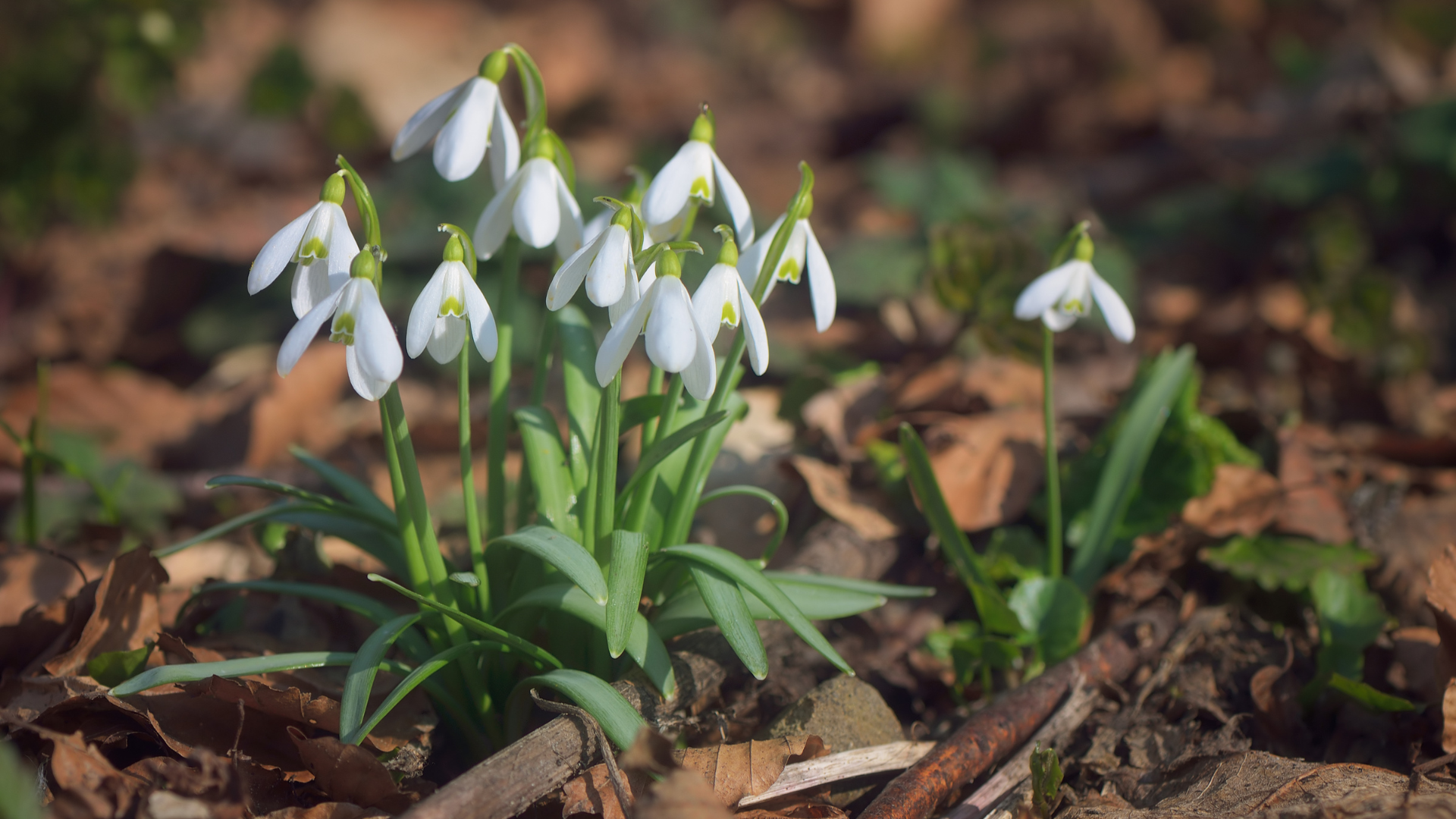
Snowdrop Flower Bulbs: A Guide for Newfoundland Gardeners
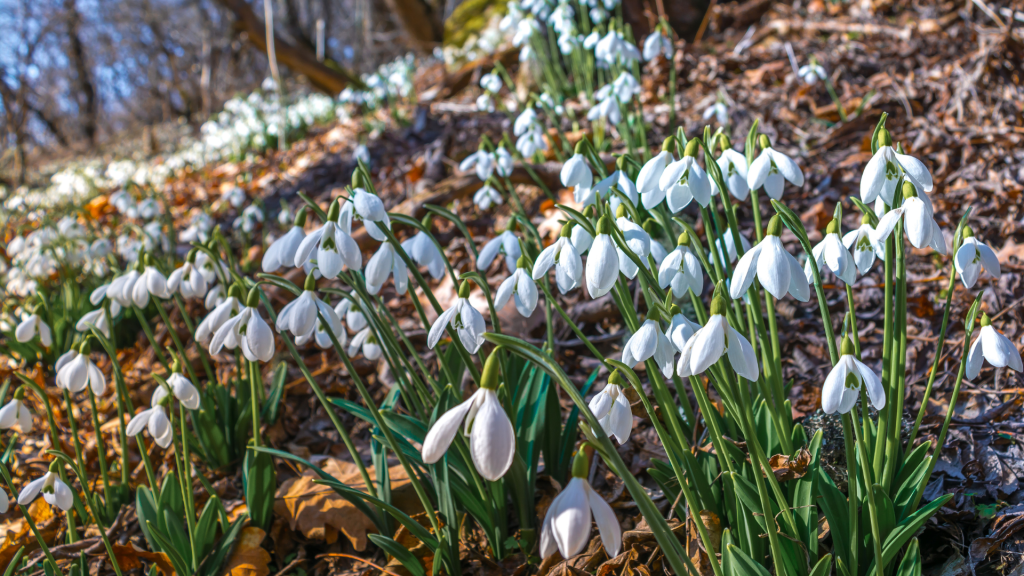
Is that the arrival of spring we saw today? Well, today we are going to learn about snowdrop flowers (Galanthus), charming harbingers of the new season. In this comprehensive guide tailored to Newfoundland’s unique climate and garden conditions, we’ll explore everything you need to know about planting and caring for snowdrop bulbs, ensuring a stunning display in your springtime garden.
Introduction to Snowdrop Flowers
Snowdrop flowers are beloved for their delicate beauty and resilience in colder climates. While they thrive in cold winter regions and moderate winters, they particularly dislike warm climates, making them an ideal choice for Newfoundland’s cool spring temperatures.
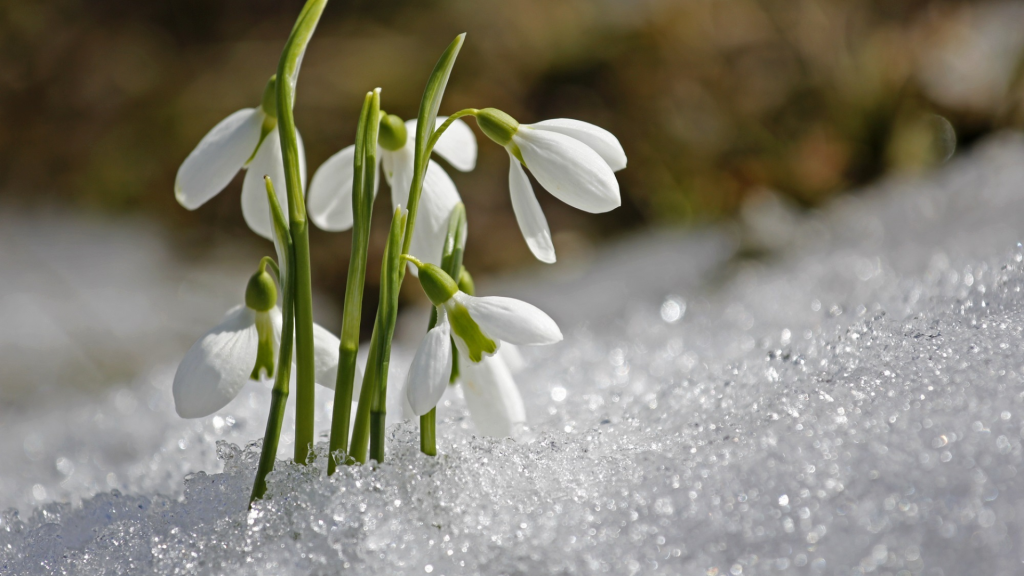
Purchasing and Planting Snowdrop Bulbs
When purchasing snowdrop bulbs, opt for those sold “in the green” or undried, as they are more likely to thrive. These bulbs can easily dry out, so it’s essential to plant them promptly upon receipt. In Newfoundland’s climate, where spring arrives later than in many other regions, it’s crucial to purchase bulbs early and plant them immediately.
Ideal Growing Conditions
Snowdrop bulbs prefer moist but well-drained soil, making Newfoundland’s naturally fertile soil an excellent match. Plant them in shaded areas under trees or shrubs, where they can enjoy the cool spring temperatures without being exposed to direct sunlight. Additionally, consider planting snowdrops along the edges of paths or near windows where they can be easily admired.

Multiplication and Maintenance
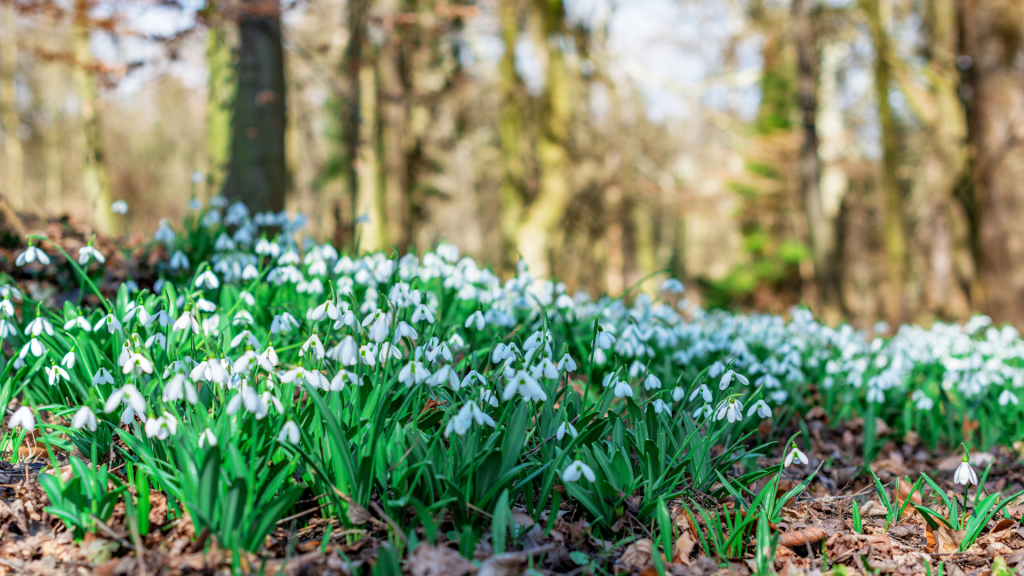
While snowdrops don’t often multiply from seed, they readily multiply by offsets. After a couple of years, a clump of bulbs can become quite dense, creating a beautiful display. To encourage multiplication, wait until the flowers fade but the leaves are still green and vigorous, then divide and replant the bulbs in new spaces.
When to Plant Snowdrops in Newfoundland
The best time to plant snowdrops in Newfoundland is in the early fall, allowing them to establish roots before the onset of winter. Due to their availability as undried bulbs that do not store well, it’s essential to act quickly when purchasing them from local nurseries or mail-order companies.
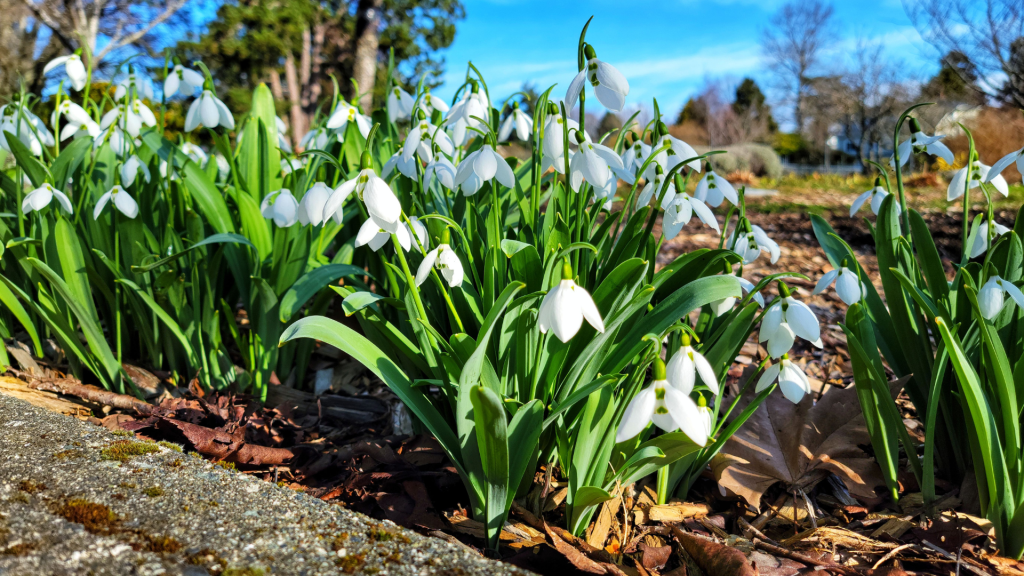
Planting Snowdrop Bulbs: Step-by-Step Guide
- Prepare the Soil: Loosen the soil and incorporate compost or dried manure, along with a balanced granular fertilizer suitable for Newfoundland’s soil conditions.
- Mix Thoroughly: Ensure the soil is well blended, free of clumps, and ready for planting.
- Planting Depth: Position the snowdrop bulbs with the pointed end facing upward and the flat base downward, planting them approximately 5 inches deep in Newfoundland’s soil.
- Spacing: Plant the bulbs a few inches apart to allow for optimal growth and multiplication.
- Optional: Snowdrops can also be enjoyed as cut flowers, perfect for creating charming displays in small vases placed on mirrors.

How to Care for Snowdrops in Newfoundland
Caring for snowdrop flower bulbs in Newfoundland is essential to ensure their health and longevity. While these hardy plants are relatively low-maintenance, providing proper care will encourage robust growth and abundant blooms year after year. Let’s delve into the specifics of caring for snowdrops in Newfoundland’s unique climate:
1. Watering
Early Spring: Snowdrops emerge from dormancy in early spring, often when snow is still present in Newfoundland. While they prefer moist soil, be cautious not to overwater during this period, as excessive moisture can lead to rot. Water lightly, allowing the soil to remain consistently damp but not waterlogged.
Late Spring: As the weather warms up and snowdrops enter their blooming phase, continue to water regularly to keep the soil evenly moist. Pay attention to rainfall and supplement with watering as needed, particularly during dry spells.
2. Mulching
Apply a layer of organic mulch, such as shredded leaves or compost, around snowdrop plants to help retain soil moisture and regulate temperature. Mulching also helps suppress weed growth, which can compete with snowdrops for nutrients and water.
3. Fertilization
Snowdrop bulbs typically don’t require heavy fertilization, especially in Newfoundland’s nutrient-rich soil. However, a light application of balanced fertilizer in early spring can provide an extra boost of nutrients to support healthy growth and flowering.
4. Deadheading
Remove spent blooms promptly to encourage continuous flowering and prevent the plant from expending energy on seed production. Deadheading also maintains the aesthetic appeal of the garden by keeping it tidy and attractive.
5. Division
Every few years, consider dividing overcrowded clumps of snowdrop bulbs to prevent overcrowding and improve airflow. Wait until the foliage has yellowed and withered after flowering, then carefully lift the bulbs, divide them into smaller clumps, and replant them in well-prepared soil.
6. Pest and Disease Control
Snowdrops are relatively pest-resistant, but they may occasionally attract pests such as slugs and snails. Monitor plants regularly for signs of pest infestation and take appropriate measures, such as handpicking or using organic slug baits, to control pests.
7. Winter Protection
In Newfoundland’s harsh winter climate, snowdrops may benefit from a layer of protective mulch or straw applied over the soil surface once the ground freezes. This helps insulate the bulbs from extreme temperature fluctuations and prevents frost heaving.

Conclusion
With their graceful blooms and resilience in cooler climates, snowdrop flower bulbs are a delightful addition to any Newfoundland garden. By following these planting and care tips tailored to Newfoundland’s unique conditions, you can enjoy the beauty of snowdrops year after year, heralding the arrival of spring in your garden.
You can consult with our team at Bowering Gardens, lawn and garden experts in St. John’s, Newfoundland, to determine the best practices for your specific region and landscaping, or you can reach out to us below to get a quote so that we can take it off your hands entirely.
Please note that the information provided in this article is based on general guidelines. Specific care and conditions may vary for different varieties and individual gardens.
Frequently Asked Questions
Yes, you can! Snowdrop flower bulbs (Galanthus) are well-suited to Newfoundland’s cool spring temperatures. They thrive in colder climates and are resilient enough to withstand the region’s winter conditions.
The best time to plant snowdrop bulbs in Newfoundland is in the early fall, allowing them to establish roots before the onset of winter. Be sure to purchase bulbs early, as they are typically available for a short period in autumn.
During Newfoundland’s spring, it’s essential to water snowdrop bulbs lightly, keeping the soil consistently damp but not waterlogged. Apply organic mulch to retain moisture, fertilize lightly, deadhead spent blooms, and consider dividing overcrowded clumps every few years.
Yes, snowdrop flower bulbs are hardy and can survive Newfoundland’s harsh winter conditions. However, providing a layer of protective mulch or straw over the soil surface once the ground freezes can help insulate the bulbs and prevent frost heaving.
While snowdrops are relatively pest-resistant, they may occasionally attract pests such as slugs and snails. Monitor plants regularly for signs of pest infestation and take appropriate measures, such as handpicking or using organic slug baits, to control pests and protect your snowdrop bulbs.
Remember, gardening is not only about nurturing plants but also about embracing the joy and wonder that nature brings. Happy gardening!
Posted on
Posted in Blog
