
Flower Friday – Christmas Poinsettia
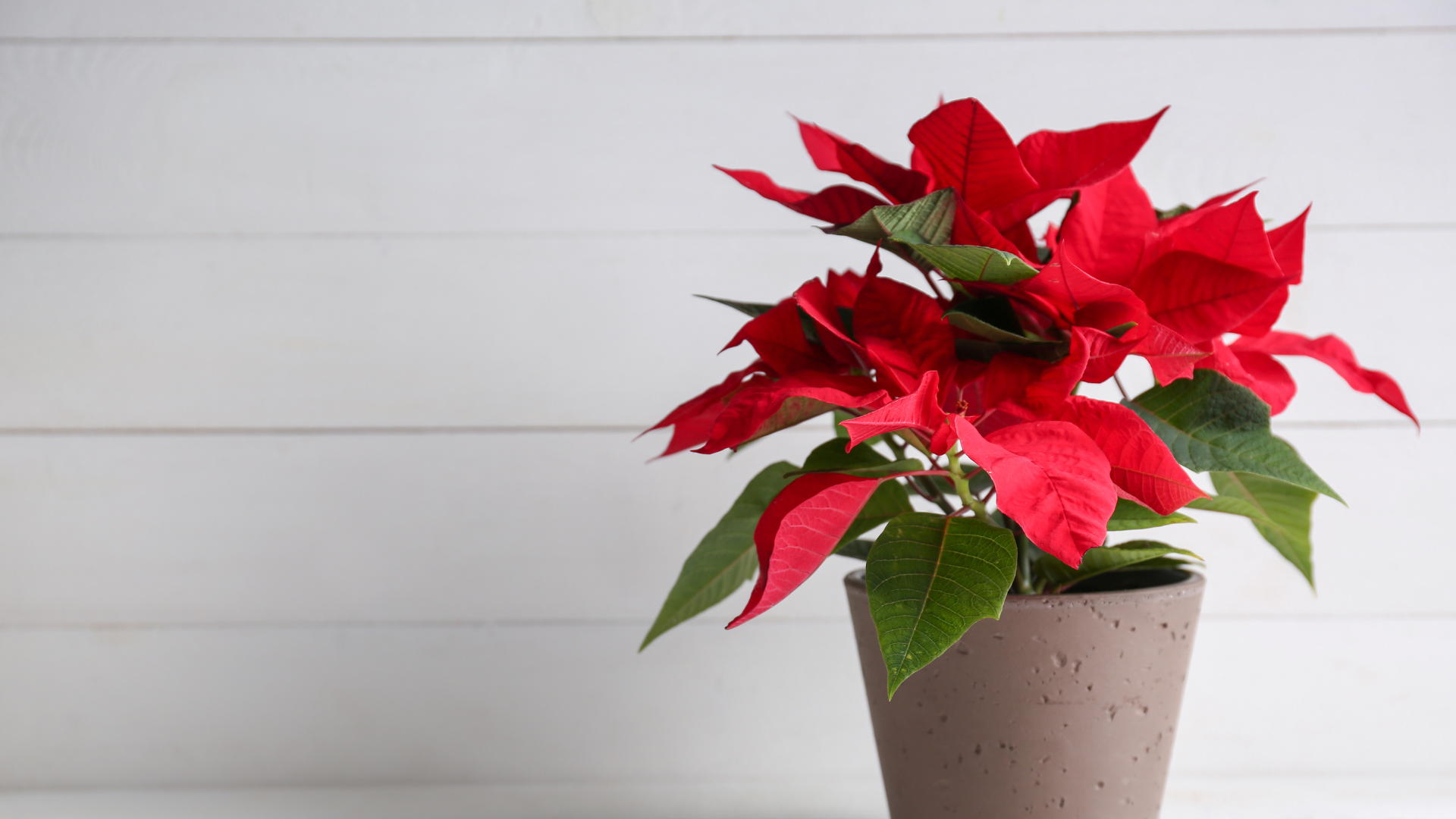
Caring for Poinsettias: A Guide to Nurturing Your Christmas Plant
The festive season is never complete without the vibrant presence of poinsettias, the quintessential Christmas plant. Discover the secrets to keeping these stunning blooms thriving throughout the holiday season and beyond.
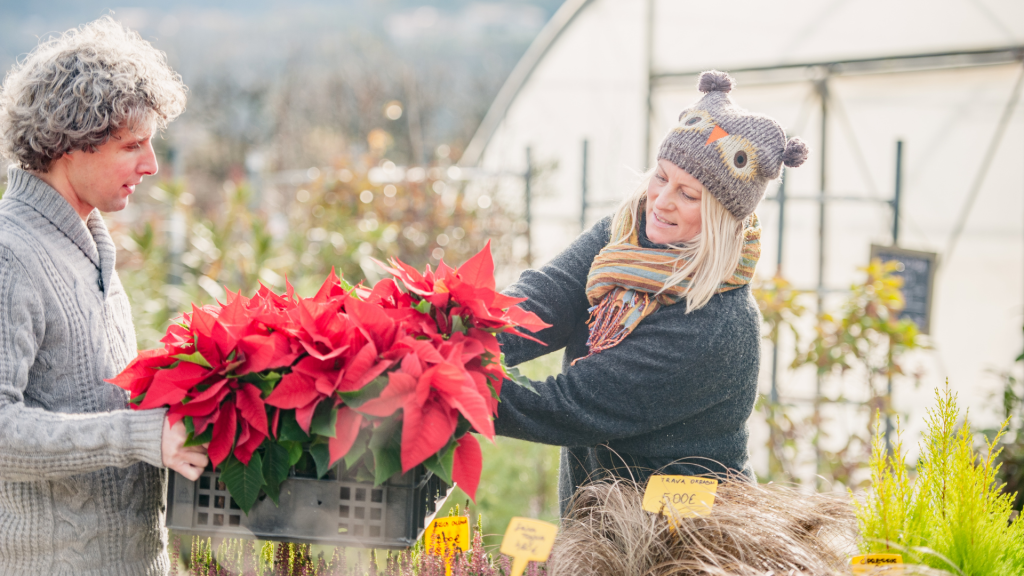
Choosing the Perfect Poinsettia
Selecting a healthy poinsettia is crucial for a thriving holiday display. Follow these guidelines to ensure you bring home the perfect plant:
- Observing Overall Health: Look for a poinsettia with a full and bushy shape, free from wilted or drooping stems. A robust, compact form indicates a well-cared-for plant.
- Rich Green Foliage: Examine the leaves for a deep, rich green colour. Avoid plants with yellowing or browning leaves, as this may indicate stress or disease.
- Checking Soil Moisture: Assess the soil moisture by gently touching the top layer. It should be slightly damp but not soggy. Overly wet soil can lead to root rot.
- Examining Roots: If possible, check the roots. Healthy roots are white and firm, while dark or mushy roots may suggest issues with overwatering.
Checking for Healthy Poinsettia Leaves
Poinsettias are known for their vibrant leaves, and ensuring their health is essential for the plant’s overall well-being:
- Vibrant Colouration: Choose a poinsettia with brightly coloured leaves. The iconic bracts should be intense in hue, whether red, pink, or white, depending on your preference.
- Turgid Texture: Gently touch the leaves to ensure they are turgid and firm. Avoid plants with wilted or limp foliage, as this indicates dehydration.
- No Yellowing or Spots: Healthy leaves should be free from yellowing, spotting, or unusual discolouration. Such signs may suggest pests or diseases.
- Strong Attachment: Ensure the leaves are securely attached to the stems. Loose or dropping leaves can be a sign of poor health.
Examining the Poinsettia Bracts
Understanding the unique features of poinsettia bracts helps you choose the perfect colour variation for your holiday decor:
- Colour Variety: Poinsettias come in various colours, including traditional red, pink, white, and even marbled varieties. Select the colour that complements your festive theme.
- Bract Size and Shape: Assess the size and shape of the bracts. They should be well-formed, with no signs of damage or distortion.
- Consistent Colour Throughout: Ensure the chosen poinsettia has consistent colouration throughout all its bracts, creating a visually appealing and balanced display.
- Personal Aesthetic: Choose a poinsettia that aligns with your personal taste and complements the overall aesthetic you desire for your holiday setting.
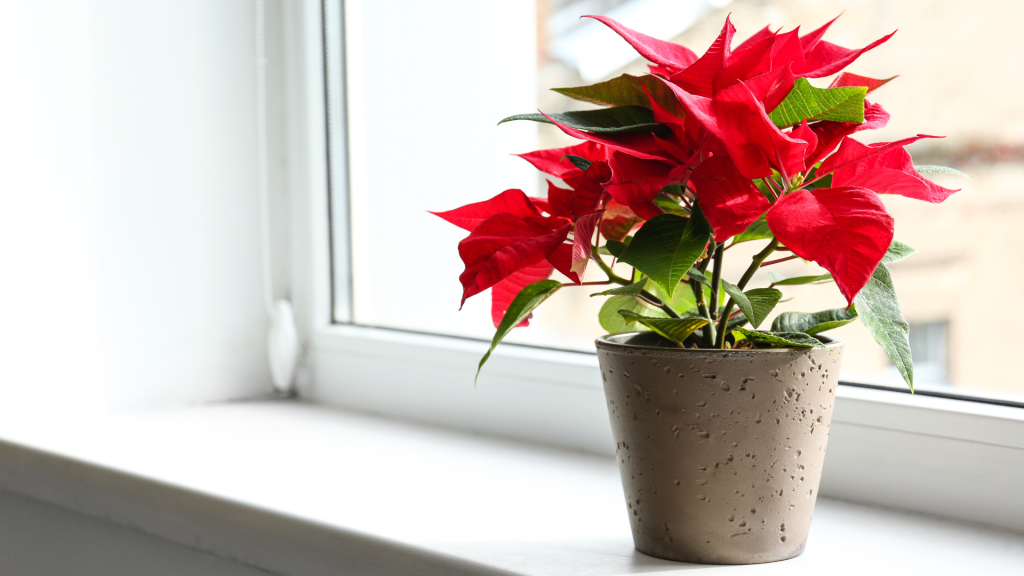
Ideal Poinsettia Growing Conditions
Creating an optimal environment for your poinsettia is crucial for its well-being. Follow these guidelines to ensure your Christmas plant thrives:
- Choosing the Right Location: Place your poinsettia in a spot with bright, indirect sunlight. Avoid direct sunlight, as it can be too harsh.
- Avoiding Drafts: Poinsettias are sensitive to drafts, so keep them away from doors, windows, and vents. Drafts can lead to temperature fluctuations, affecting the plant’s health.
- Maintaining Consistent Temperature: Aim for a daytime temperature range of 60-70°F (15-21°C) and a slightly cooler nighttime range of 55-60°F (13-16°C). Sudden temperature changes can stress the plant.
- Balancing Humidity Levels: While poinsettias prefer moderate humidity, excessive dryness can lead to leaf drop. Consider using a humidifier if your home tends to be dry.
Sunlight Requirements for Poinsettia
Understanding the sunlight preferences of poinsettias is key to their vibrant display:
- Indirect Sunlight: Poinsettias thrive in bright, indirect sunlight. Choose a location with filtered light, such as near a north or east-facing window.
- Limited Direct Sun Exposure: Avoid placing poinsettias in direct sunlight, especially during the intense midday sun. Prolonged exposure can lead to leaf scorch.
- Rotate for Even Growth: To ensure even growth and colouration, rotate your poinsettia regularly, allowing all sides to receive adequate sunlight.
Poinsettia Watering Tips
Proper watering is essential for the health of your poinsettia:
- Check Soil Moisture: Allow the top inch of the soil to dry out before watering. Stick your finger into the soil; if it feels dry, it’s time to water.
- Avoid Overwatering: Poinsettias are susceptible to root rot, so ensure the pot has drainage holes, and never let the plant sit in standing water.
- Use Room-Temperature Water: Water your poinsettia with room-temperature water to avoid shocking the plant with cold water.
Temperature Considerations for Poinsettia
Protecting your poinsettia from temperature extremes is crucial for its well-being:
- Avoiding Cold Drafts: Keep poinsettias away from drafts, especially cold drafts from doors and windows. Cold air can cause leaf drop.
- Stable Indoor Temperatures: Maintain a consistent indoor temperature for your poinsettia. Avoid placing it near heaters or radiators that can create hot spots.
- Transitioning from Outdoors: If your poinsettia has been outside, gradually acclimate it to indoor conditions to prevent shock.
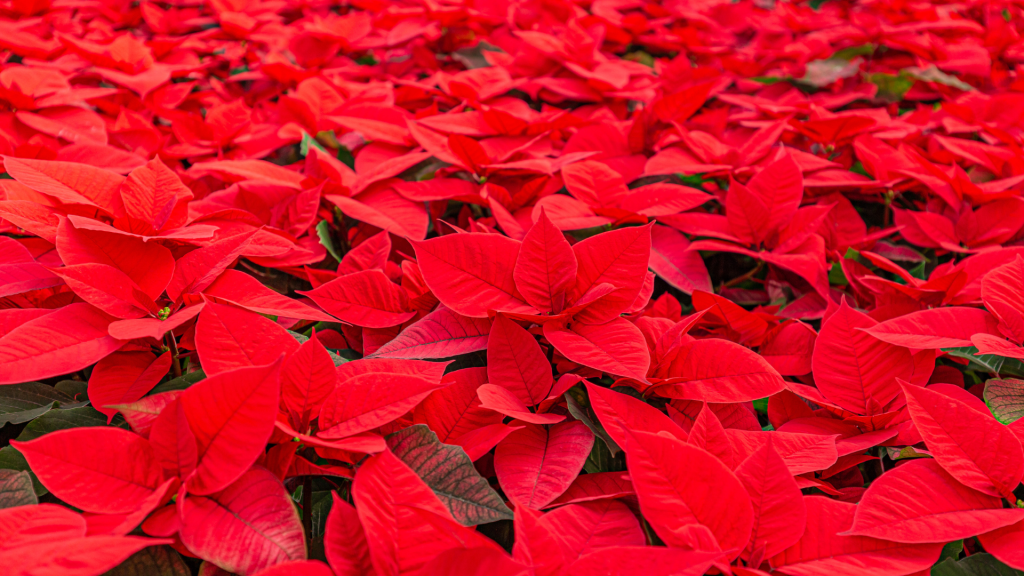
Feeding Your Poinsettia
Ensuring your poinsettia gets the right nourishment is crucial for its health and vibrant appearance. Here’s a guide to feeding practices and choosing the best fertilizers:
- Start Early: Begin fertilizing when you observe new growth, such as fresh green leaves and stems. This typically occurs after the plant’s dormant period.
- Frequency Matters: During the active growth phase, feed your poinsettia every 3-4 weeks to provide a consistent supply of nutrients. Adjust the frequency based on the specific fertilizer and growth conditions.
- Balanced Nutrition: Look for a balanced, all-purpose fertilizer suitable for flowering plants. Ensure it contains essential nutrients like nitrogen (N), phosphorus (P), and potassium (K).
- Bottom Feeding: For a safe and effective feeding method, consider bottom watering your poinsettia. Watering from the bottom can be done with the same rate of fertilizer as top-watered plants[1].
Choosing the Right Fertilizer for Poinsettias
Not all fertilizers are created equal, and poinsettias have specific preferences. Follow these guidelines to select the right fertilizer for optimal growth:
- All-Purpose Formula: Poinsettias generally thrive with any good quality, all-purpose fertilizer. A water-soluble fertilizer is convenient, but dry fertilizer can also be effective[4].
- N-P-K Ratio: Check the N-P-K (Nitrogen-Phosphorus-Potassium) ratio on the fertilizer package. A balanced ratio, such as 15-15-15 or similar, supports overall plant health and flower production.
- Avoid Excessive Phosphorus: While phosphorus is essential for flowering, excessive amounts can lead to issues. Choose a fertilizer with a moderate phosphorus content[6].
- Application Frequency: Apply fertilizer consistently throughout the active growth period, adjusting the frequency based on the specific fertilizer’s recommendations and your poinsettia’s needs.
Pruning Poinsettias for Prosperity
Pruning may seem counterintuitive, but it’s a vital step in maintaining the health and appearance of your poinsettia:
- Post-Bloom Pruning: After the holiday season, prune the poinsettia back by one-third. This encourages a bushier, more compact growth habit.
- Pinching for Fuller Growth: During the growing season, pinch the tips of your poinsettia to promote fuller and more robust growth. This helps maintain a balanced and attractive shape.
- Remove Yellowing Leaves: Regularly inspect your plant for yellowing or damaged leaves and promptly remove them. This not only improves aesthetics but also prevents the spread of diseases.
- Timing is Key: Schedule pruning sessions during the active growing period to avoid interrupting the plant’s dormancy.
Remember, a well-fed and pruned poinsettia is more likely to maintain its shape, produce vibrant bracts, and remain a festive centerpiece throughout the holiday season and beyond.
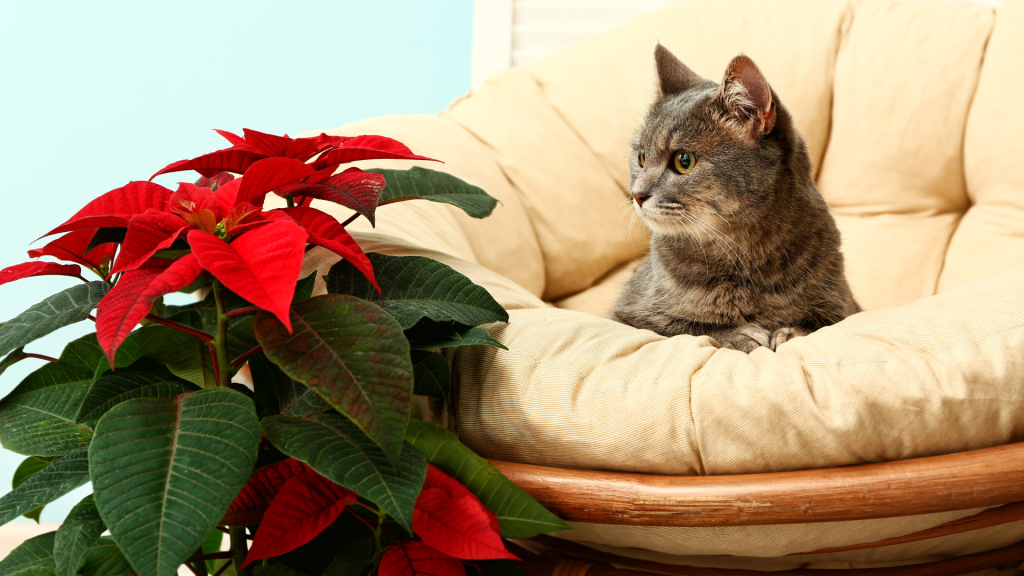
Poinsettias and Pets: A Cautionary Tale
Celebrated for their festive charm, poinsettias can pose risks to our beloved pets. Understanding the potential dangers and taking necessary precautions is essential for a pet-friendly home:
- Toxic Components: Poinsettias contain latex and compounds that, when ingested by pets, can lead to mild to moderate toxicity. Symptoms include drooling, vomiting, and, in rare cases, diarrhea.
- Preventive Measures: Place poinsettias out of reach of pets or opt for artificial varieties to eliminate the risk of ingestion. Monitor your pets closely, especially if they show interest in exploring or nibbling on plants.
- Emergency Preparedness: Familiarize yourself with the signs of poinsettia toxicity in pets and have the contact information for your veterinarian or an emergency animal poison control center readily available.
Poinsettia Toxicity Concerns
Understanding the level of toxicity associated with poinsettias is crucial for safeguarding your furry friends:
- Mild Toxicity: In most cases, poinsettia toxicity leads to mild symptoms, and serious outcomes are rare. However, individual pet reactions can vary, and it’s essential to respond promptly if signs of distress occur.
- Common Symptoms: Keep an eye out for signs such as excessive drooling, mild gastrointestinal upset, and skin irritation. Immediate veterinary attention is recommended if severe symptoms manifest.
- Quick Response: If you suspect your pet has ingested poinsettia leaves, seek veterinary advice promptly. Provide information on the amount ingested and any observed symptoms for accurate guidance.
Pet-Friendly Alternatives to Poinsettias
Explore alternative holiday plants that add festive flair without posing risks to your four-legged family members:
- Safe Choices: Opt for pet-friendly plants like Christmas cacti, spider plants, or bromeliads. These alternatives can enhance your holiday decor without compromising your pet’s well-being.
- Artificial Decor: Consider artificial plants and flowers as a hazard-free option. High-quality artificial plants can mimic the beauty of live ones without the associated risks.
- Consult with Vets: If uncertain about the safety of a specific plant, consult with your veterinarian for guidance on suitable, pet-friendly options.
By being proactive and informed, you can create a festive and safe environment for both your family and your pets during the holiday season.
Extending the Cheer: Poinsettias Beyond Christmas
Ensure your poinsettia remains a vibrant part of your decor beyond the holiday season with these key strategies:
- Proper Placement: Keep your poinsettia in a bright, indirect light location to maintain its health. Avoid exposing it to drafts or sudden temperature changes.
- Appropriate Watering: Continue providing moderate moisture, allowing the top inch of soil to dry before watering. Overwatering or letting the soil dry out completely can stress the plant.
- Temperature Control: Poinsettias prefer temperatures between 65-70°F during the day and slightly cooler at night. Avoid exposing them to temperatures below 50°F, as they are sensitive to cold.
- Regular Inspection: Monitor your plant for pests, such as spider mites or whiteflies, which can impact its health. If detected, treat promptly with appropriate measures.
Post-Holiday Care for Poinsettias
Transitioning your poinsettia to a regular routine after the holidays is crucial for its long-term well-being:
- Gradual Adjustments: If your poinsettia spent the holidays in a central location, gradually move it to its permanent spot, allowing it to acclimate to changes in light and temperature.
- Fertilization Schedule: Begin a regular fertilization schedule using a balanced, all-purpose fertilizer. Feed your poinsettia every 3-4 weeks during its active growth period.
- Pruning Practices: Trim the plant back by one-third in early spring to encourage bushier growth. Remove any damaged or yellowing leaves to maintain a healthy appearance.
- Transition to Outdoor Living: In late spring, consider moving your poinsettia outdoors to a shaded area, gradually exposing it to increasing sunlight. Bring it back indoors before the first frost.
Poinsettia Reblooming Strategies
Unlock the secret to having your poinsettia bloom again next Christmas:
- Dark Period Initiation: Starting around early October, limit exposure to light, providing 14-16 hours of darkness daily. Keep the plant in complete darkness overnight.
- Consistent Temperature: Maintain a consistent temperature of around 60-70°F during the dark period. Avoid extreme temperature fluctuations.
- Daytime Exposure: During the day, place the poinsettia in bright, indirect light. Consistency in the dark period and light exposure is essential for flower initiation.
- Patience and Monitoring: It may take several weeks for buds to appear. Once you notice new growth, resume the normal care routine. Be patient, as reblooming success may vary.
By following these comprehensive care instructions, your poinsettia can thrive, transition gracefully, and even bloom again, becoming a perennial part of your holiday traditions.
Conclusion
Caring for poinsettias is a rewarding experience that extends the holiday cheer. With the right knowledge and a little TLC, your Christmas plant can be a stunning focal point for many seasons to come.
You can consult with our team at Bowering Gardens, lawn and garden experts in St. John’s, Newfoundland, to determine the best practices for your specific region and landscaping, or you can reach out to us below to get a quote so that we can take it off your hands entirely.
Please note that the information provided in this article is based on general guidelines. Specific care and conditions may vary for different varieties and individual gardens.
Frequently Asked Questions
Poinsettias are native to Mexico and prefer warmer temperatures. They are best kept indoors during winter to avoid cold damage.
Water your poinsettia when the top inch of soil feels dry. Overwatering can lead to root rot, so be mindful of the moisture levels.
While they enjoy bright, indirect light, poinsettias should be shielded from direct sunlight, especially during the intense midday sun.
Yes, pruning is beneficial for maintaining the plant’s shape. Trim it back in late winter or early spring for optimal results.
If you suspect your pet has ingested poinsettia leaves, contact your veterinarian immediately. While generally not fatal, it can cause mild discomfort.
Remember, gardening is not only about nurturing plants but also about embracing the joy and wonder that nature brings. Happy gardening!
Posted on
Posted in Blog
