
Flower Friday – Lesser Celandine
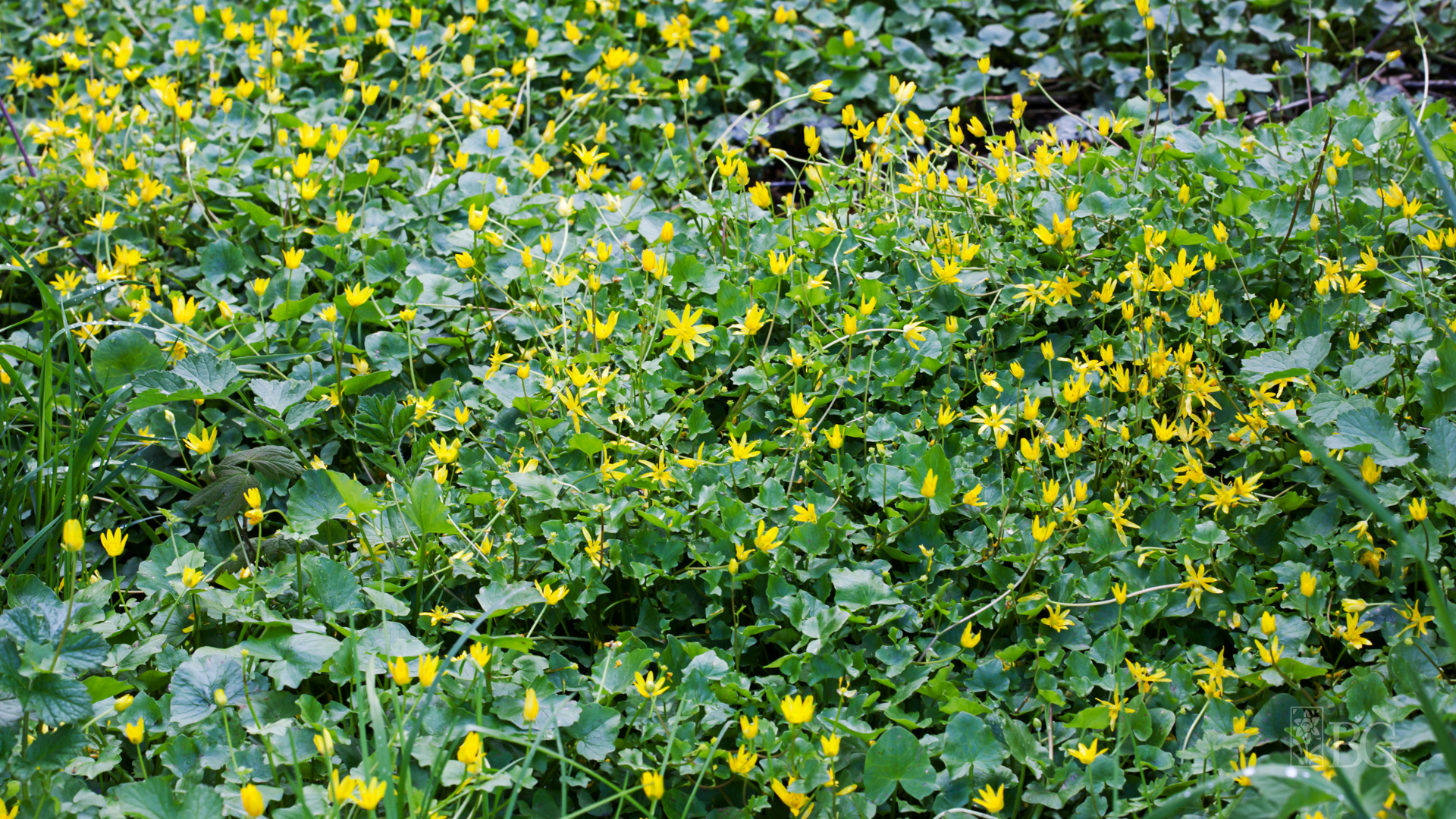
Embracing Lesser Celandine: A Cheerful Addition to Your St. John’s Newfoundland Garden
The Vibrant World of Lesser Celandine
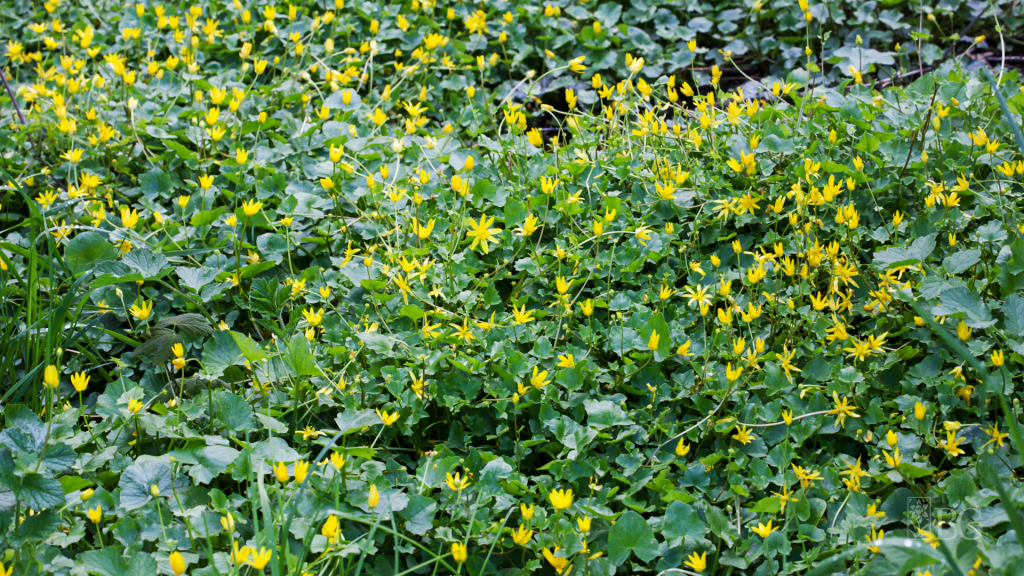
Nestled amidst the charming gardens of St. John’s Newfoundland, Lesser Celandine, with its radiant yellow blooms, brings a burst of joy and colour to the spring landscape. While some may consider it a mere weed, we see it as a delightful herald of the changing seasons, eagerly awaited by both gardeners and pollinators alike.
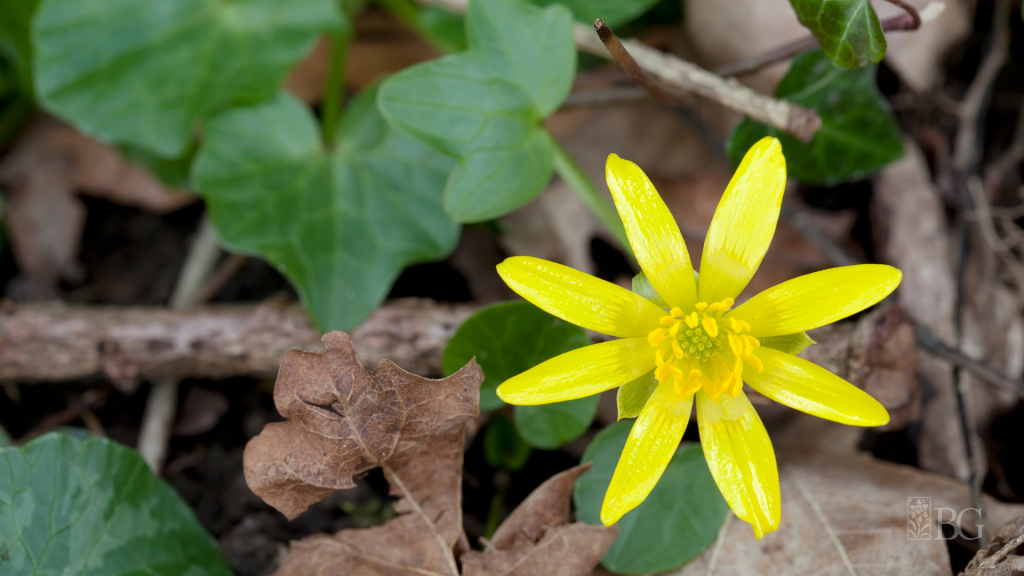
The Beauty of Lesser Celandine
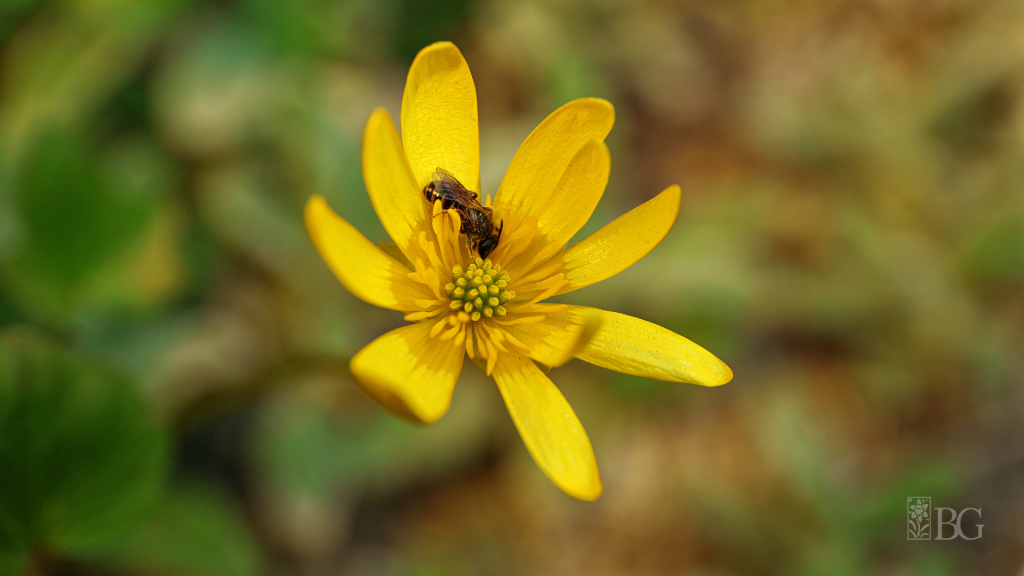
Picture this: as the last remnants of winter fade away, and the first hints of spring emerge, there it is – Lesser Celandine, adorning your garden with its cheery blooms. Its delicate petals, resembling tiny rays of sunshine, create a picturesque scene that simply cannot be ignored. And let’s not forget our buzzing friends, the honey bees, who are drawn to these blooms like magnets, eagerly collecting nectar and spreading pollen as they go.
Embracing Biodiversity in Your Garden
In a world where biodiversity is increasingly crucial, embracing Lesser Celandine in your garden is a commendable choice. By allowing this charming plant to flourish, you’re not only adding visual appeal but also creating a haven for local wildlife. From bees to butterflies, Lesser Celandine plays a vital role in supporting pollinators, ensuring the health and vitality of your garden ecosystem.
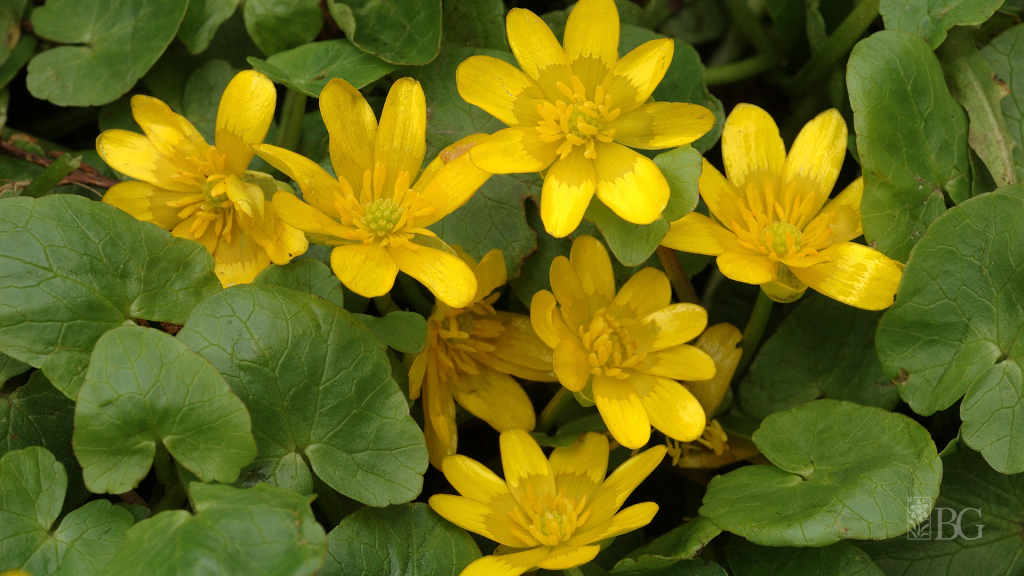
A Sustainable Approach to Gardening
Gone are the days of harsh chemicals and relentless weed control. Instead, let’s embrace a more sustainable approach to gardening, one that harmonizes with nature rather than fights against it. Lesser Celandine may appear briefly, but its presence serves as a reminder of the cyclical nature of life – a fleeting yet beautiful moment to be cherished.
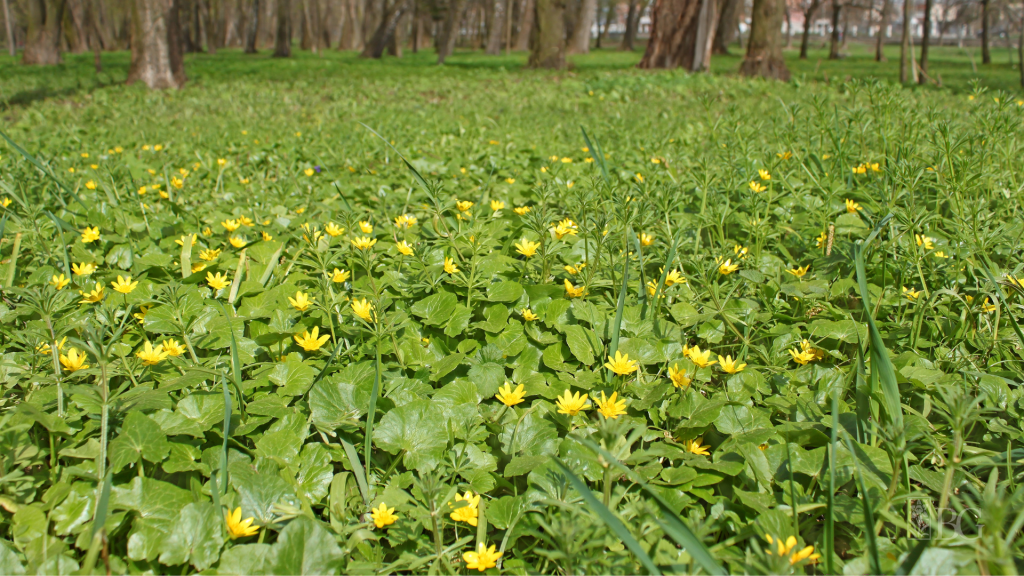
Cultivating a Garden of Diversity
Imagine strolling through your garden on a crisp spring morning, greeted by the sight of vibrant Lesser Celandine blooms dancing in the breeze. Rather than viewing them as intruders, why not welcome them with open arms? Consider creating a dedicated wildlife corner or a species-rich lawn where Lesser Celandine can thrive alongside other native plants, creating a tapestry of colours and textures that delights the senses.
Supporting Our Pollinators
In a world where pollinator populations are facing unprecedented challenges, every flowering plant counts. By embracing Lesser Celandine, you’re not just adding beauty to your garden; you’re providing vital resources for our buzzing friends. So, the next time you spot a cluster of Lesser Celandine blooms, take a moment to appreciate the intricate dance of nature unfolding before your eyes.
Conclusion
In conclusion, let’s celebrate the enchanting beauty of Lesser Celandine and the valuable role it plays in our gardens and ecosystems. Instead of viewing it as a nuisance, let’s embrace it as a cherished guest, ushering in the arrival of spring with its radiant blooms. Together, let’s cultivate gardens filled with diversity, sustainability, and above all, an abundance of joy.
You can consult with our team at Bowering Gardens, lawn and garden experts in St. John’s, Newfoundland, to determine the best practices for your specific region and landscaping, or you can reach out to us below to get a quote so that we can take it off your hands entirely.
Please note that the information provided in this article is based on general guidelines. Specific care and conditions may vary for different varieties and individual gardens.
Frequently Asked Questions
Yes, Lesser Celandine can thrive beautifully in the gardens of St. John’s Newfoundland, adding a burst of colour and vitality to the landscape.
Embracing Lesser Celandine provides essential resources for local wildlife, particularly pollinators like bees and butterflies, helping to support their populations.
Lesser Celandine is an ideal addition to a sustainable garden because it requires minimal maintenance and contributes to biodiversity by providing habitat and food for wildlife.
Gardeners can incorporate Lesser Celandine into their landscaping plans by creating dedicated wildlife corners, species-rich lawns, or planting alongside other native flora to create a diverse ecosystem.
Supporting pollinators is crucial for ecosystem health, and Lesser Celandine contributes to this cause by providing nectar and pollen for bees, helping to ensure their survival.
Remember, gardening is not only about nurturing plants but also about embracing the joy and wonder that nature brings. Happy gardening!
Posted on
Posted in Blog
