
To Prune, or Not to Prune?
A Comprehensive Guide to Pruning Hydrangeas in Newfoundland’s St. John’s Region
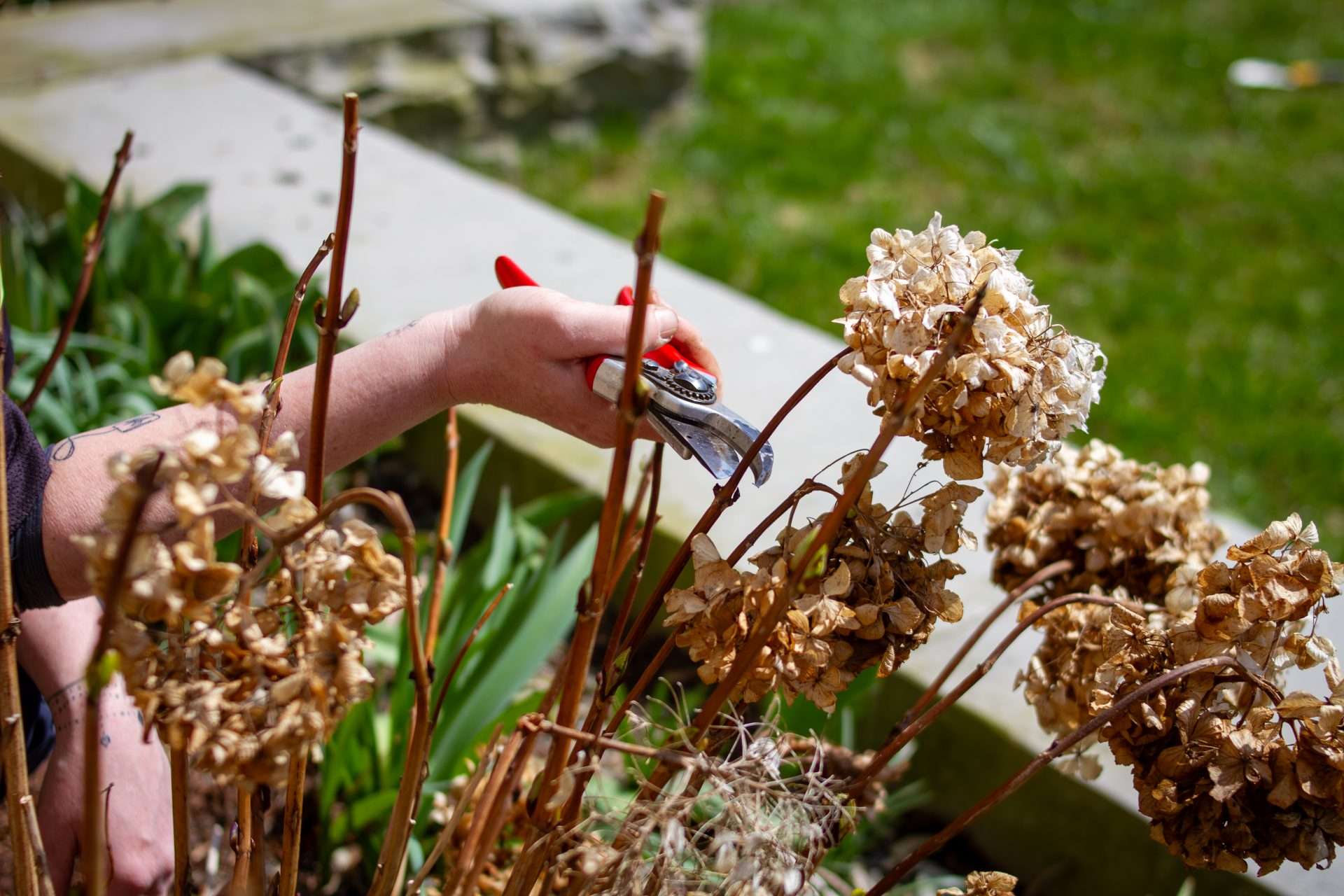
In Newfoundland’s St. John’s region, hydrangeas make a great addition to gardens. These exquisite blooms, however, require precise care and maintenance, particularly when it comes to pruning. Pruning hydrangeas in spring is a crucial task that promotes robust growth and ensures the development of large, luscious flowers. In this comprehensive guide, we delve into the intricacies of pruning hydrangeas, tailored specifically to the unique climate of Newfoundland.
Understanding the Pruning Process
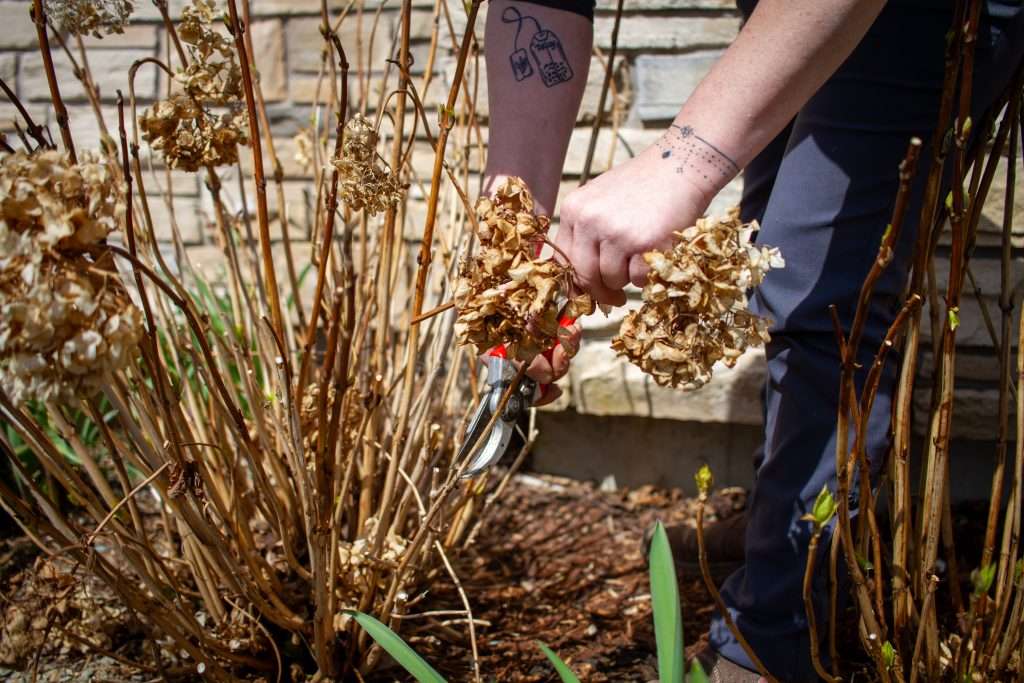
Pruning hydrangeas serves multiple purposes beyond just shaping the plant. It prevents them from becoming woody and congested, allowing for better air circulation and light penetration. Additionally, proper pruning channels the plant’s energy into producing vigorous growth and abundant blooms. However, it’s essential to recognize that different hydrangea varieties may require distinct pruning techniques, as some flower on old wood while others bloom on new growth.
Identifying Hydrangea Varieties
Before diving into pruning techniques, it’s crucial to identify the specific type of hydrangea in your garden. Hydrangea macrophylla, Hydrangea aspera, Hydrangea serrata, and Hydrangea quercifolia typically bloom on old wood, while Hydrangea paniculata and Hydrangea arborescens flower on new growth. Knowing the variety will guide you in determining the most suitable pruning approach.
Pruning Techniques for Different Hydrangea Varieties
Pruning Mophead and Lacecap Hydrangeas
Mophead and lacecap hydrangeas, such as Hydrangea macrophylla, present a unique challenge due to their flowering habits. Since they bloom on the previous year’s growth, pruning should be approached with care. In Newfoundland’s climate, where frost can be a concern, it’s advisable to delay pruning until spring to protect the buds from freezing temperatures.
Pruning Steps:
- Timing: Wait until spring to prune, after the threat of frost has passed.
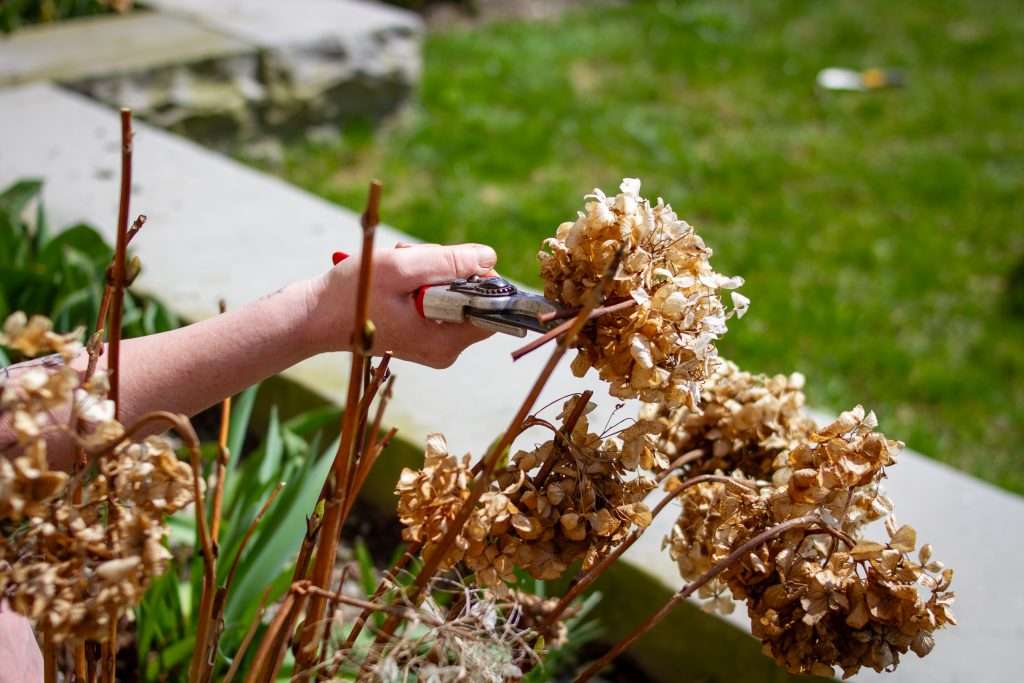
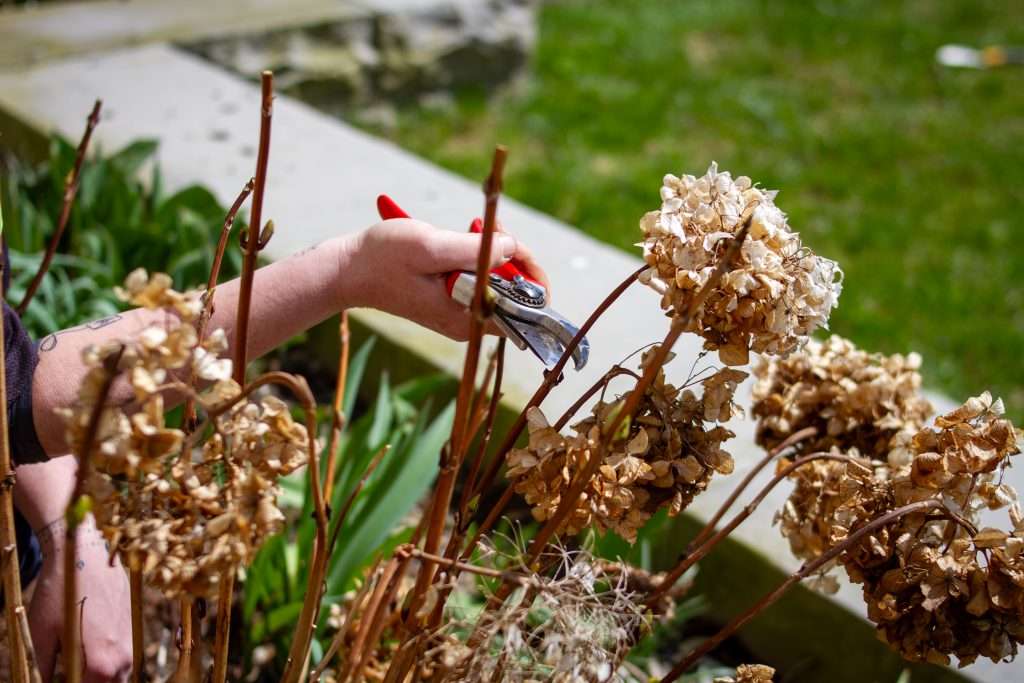
- Remove Old Flowerheads: Trim old flowerheads just above a pair of buds using sharp secateurs.
- Thinning: Cut out thin or weak stems to promote vigorous growth.
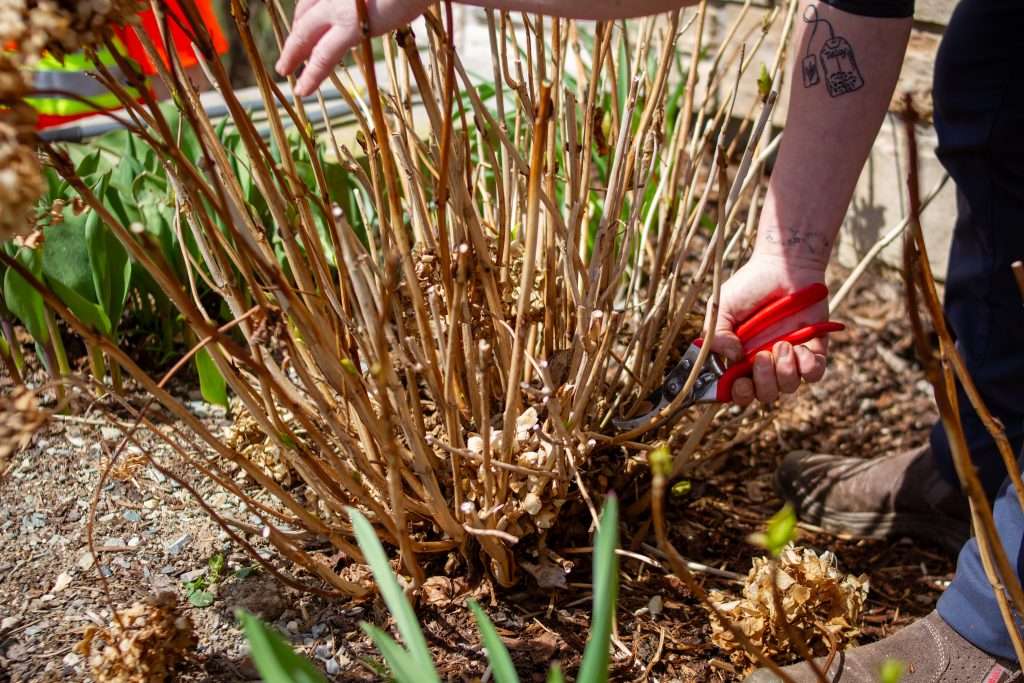
- Stem Reduction: Remove one or two of the largest, oldest stems from the base to encourage new shoots.
Pruning Hydrangea Paniculata and Hydrangea Arborescens
Hydrangea paniculata and Hydrangea arborescens offer more flexibility in pruning, as they bloom on new wood. This allows for more substantial pruning without sacrificing the current year’s flowers. Proper pruning ensures a balanced and healthy framework for the plant, promoting optimal blooming.
Pruning Steps:
- Timing: Prune in early spring before new growth emerges.
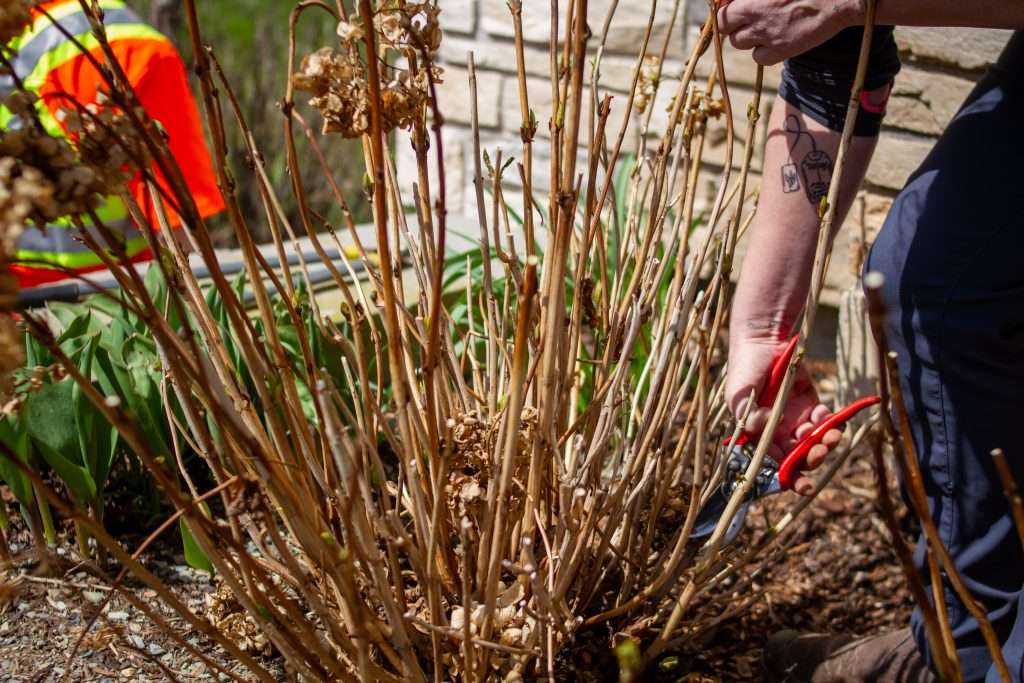
- Framework Pruning: Trim last year’s growth to a healthy framework, typically between 30cm and 60cm high.
- Bud Selection: Prune just above a pair of healthy buds on each stem.
- Adjusting Height: Cut back to the lowest healthy buds for larger flowers or maintain a more natural look by pruning less aggressively.
Pruning Climbing Hydrangeas
Climbing hydrangeas, such as Hydrangea anomala subsp. petiolaris, require a different approach to pruning due to their climbing nature. Unlike other hydrangea varieties, they should be pruned after flowering, typically in summer.
Pruning Steps:
- Post-Flowering Pruning: Wait until summer after the plant has finished flowering.
- Remove Dead or Weak Growth: Trim away any dead or weak stems to encourage healthy growth.
- Shape Control: Cut back excessive growth to maintain desired shape and size.
Conclusion
Pruning hydrangeas in Newfoundland’s St. John’s region demands a nuanced understanding of each variety’s growth habits and the local climate conditions. By following the tailored techniques outlined in this guide, gardeners can ensure their hydrangeas thrive, producing an abundance of spectacular blooms year after year.
You can consult with our team at Bowering Gardens, lawn and garden experts in St. John’s, Newfoundland, to determine the best practices for your specific region and landscaping, or you can reach out to us below to get a quote so that we can take it off your hands entirely.
Please note that the information provided in this article is based on general guidelines. Specific care and conditions may vary for different varieties and individual gardens.
Frequently Asked Questions
Different hydrangea varieties exhibit distinct blooming habits. Generally, hydrangeas that bloom on old wood produce flowers from buds formed in the previous growing season, while those that bloom on new wood develop flowers on fresh growth from the current season. To determine your hydrangea’s blooming pattern, observe when it flowers. If it blooms early in the season on growth from the previous year, it likely blooms on old wood. Conversely, if it flowers later in the season on new growth, it probably blooms on new wood.
In Newfoundland’s St. John’s region, timing is crucial when it comes to pruning hydrangeas. For varieties that bloom on old wood, such as mophead and lacecap hydrangeas, it’s best to wait until spring to prune, after the threat of frost has passed. On the other hand, hydrangeas that bloom on new wood, like paniculata and arborescens, should be pruned in early spring before new growth emerges. Climbing hydrangeas should be pruned after flowering, typically in summer.
If you’re uncertain about your hydrangea’s specific variety, it’s best to err on the side of caution when pruning. In such cases, adopt a conservative approach by deadheading spent blooms and removing any dead or weak stems. Observing how the plant responds to this minimal pruning can provide valuable insights into its blooming habits. If it produces flowers on new growth, you can consider more substantial pruning in the following year.
Managing an overgrown hydrangea requires strategic pruning to rejuvenate the plant and promote healthy growth. Start by selectively removing some of the oldest, tallest stems from the base to encourage new shoots. Additionally, thin out any weak or spindly growth to improve air circulation and light penetration. Depending on the severity of overgrowth, you may need to prune back some stems to ground level to rejuvenate the plant effectively.
If your hydrangea fails to bloom after pruning, several factors could be at play. Firstly, ensure that you’ve pruned at the correct time according to the plant’s blooming habits—pruning at the wrong time can remove potential flower buds. Additionally, assess the pruning intensity—overly aggressive pruning can delay or inhibit blooming. Ensure the hydrangea receives adequate sunlight, as insufficient light can affect flowering. Finally, consider factors such as soil pH and nutrient levels, as these can also impact bloom production. If despite your efforts, the hydrangea still fails to bloom, it may require further evaluation to identify and address underlying issues.
Remember, gardening is not only about nurturing plants but also about embracing the joy and wonder that nature brings. Happy gardening!
Posted on
Posted in Blog
