
Flower Friday – Siberian Squill
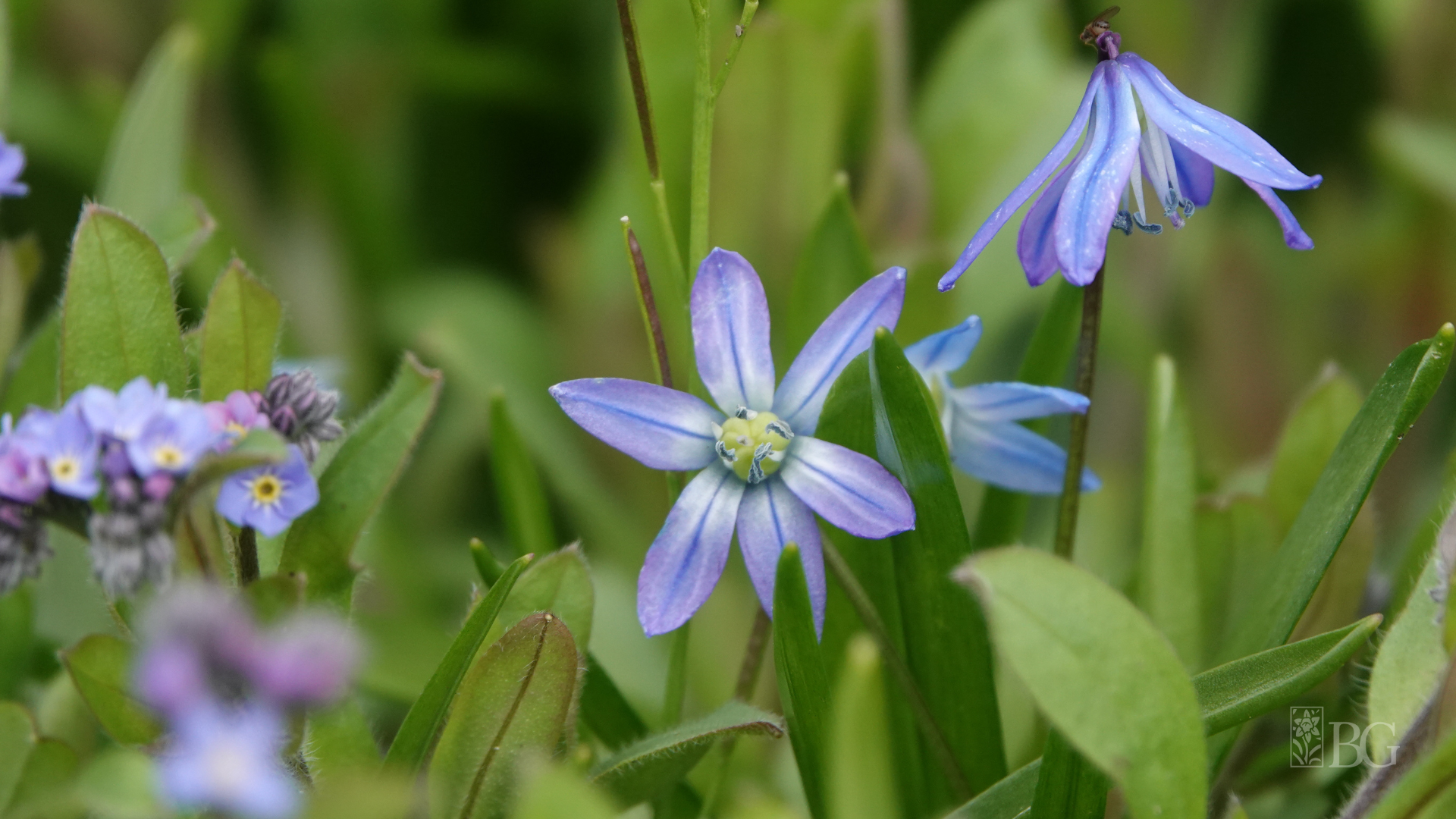
Gardening 101: Growing Siberian Squill in St. John’s, Newfoundland
Siberian Squill (Scilla siberica), fondly known as “The Survivor” in the gardening world. is a resilient woodland flower, perfect for thriving in the cold climates of St. John’s, Newfoundland, and its surrounding regions.
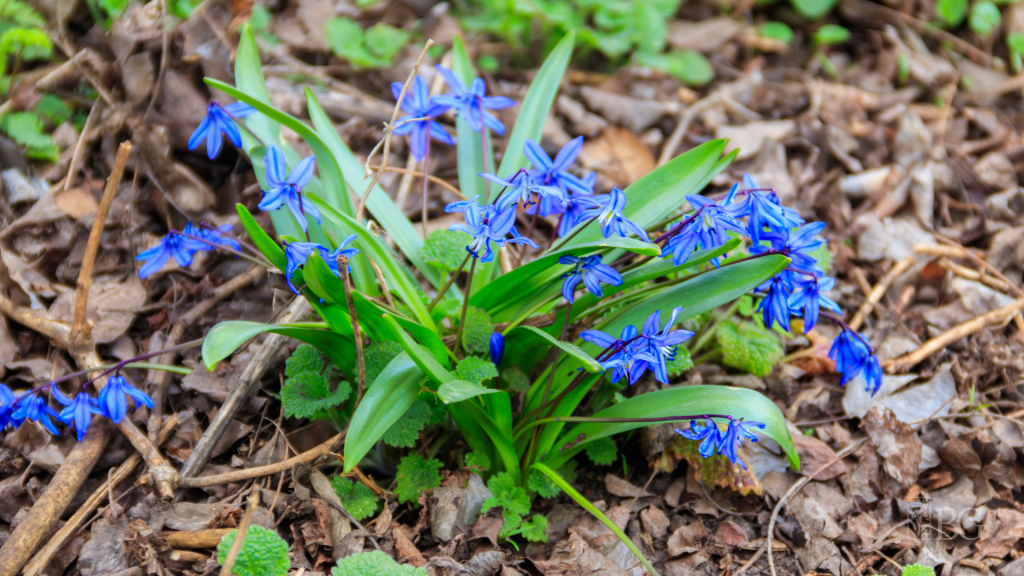
Introduction to Siberian Squill
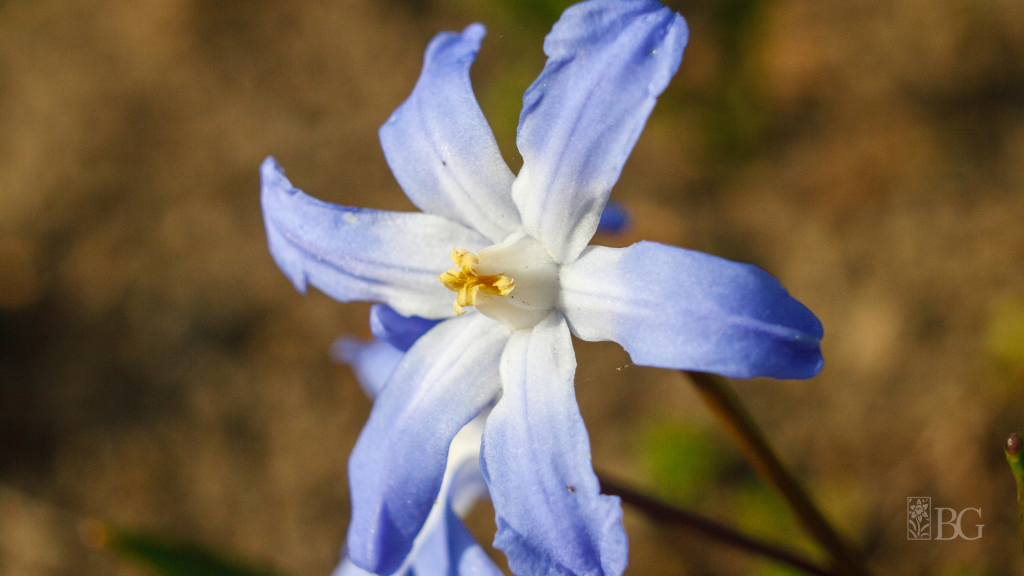
Siberian Squill is a charming perennial with delicate bell-shaped blue blossoms, surrounded by elegant gray-green foliage resembling tiny spears. Native to Siberia, this resilient flower has earned its nickname “The Survivor” for its ability to endure harsh winters, even gracing landscapes north of the Arctic Circle with its beauty.
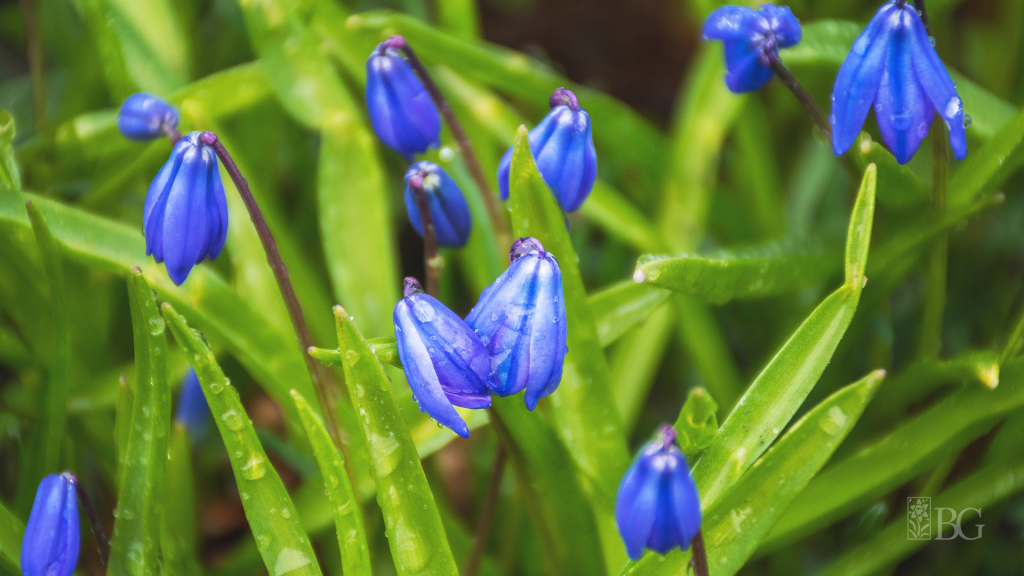
Planting Siberian Squill
Planting Siberian Squill bulbs is a breeze, making it an ideal choice for both novice and seasoned gardeners alike. Follow these simple steps for a successful planting experience:
1. Timing:
Autumn is the prime time for planting Siberian Squill bulbs. Aim to plant them several inches deep and space them out three to six inches apart.
2. Spacing:
While planning your garden design, remember that Siberian Squill has a mind of its own when it comes to spreading. Embrace its naturalizing tendency as it self-propagates throughout its blooming season.
3. Location:
Choose a location that mimics its natural habitat, such as woodland areas or beneath trees. Siberian Squill thrives in deep shade but can tolerate various sunlight conditions, from full sun to partial shade.
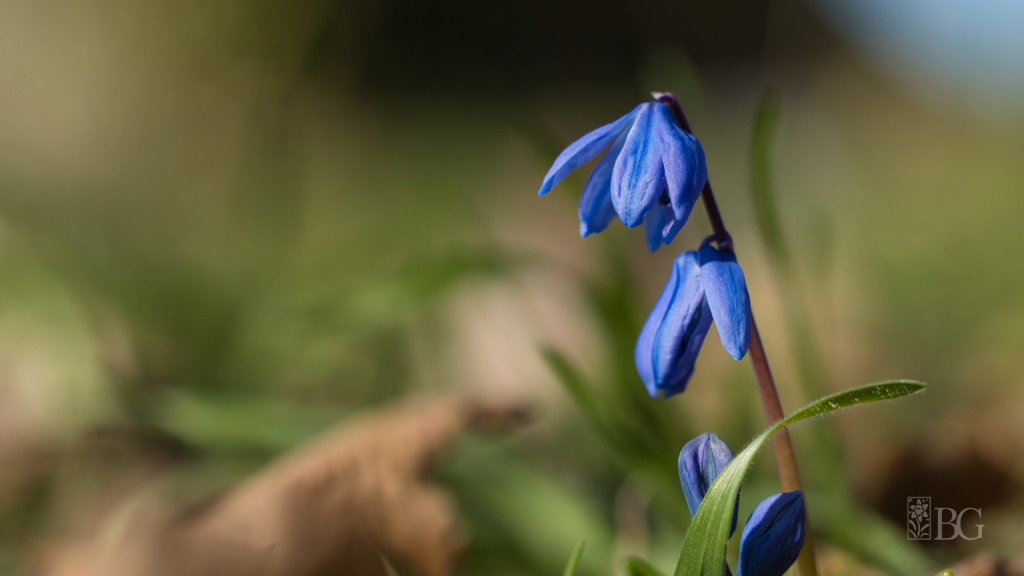
Care Tips for Siberian Squill
Once planted, Siberian Squill requires minimal maintenance, making it an excellent addition to any garden. Here are some care tips to ensure its flourishing:
1. Watering:
Siberian Squill is drought-tolerant and prefers to be left on its own. In the outdoor garden, it does not require additional watering, relying on natural rainfall to sustain its growth.
2. Naturalizing:
Expect Siberian Squill to naturalize over time, forming lush carpets of tranquil blue buds. As it spreads, it adds a charming touch to the landscape, effortlessly enhancing its beauty.
3. Companion Planting:
For a vibrant spring display, consider planting Siberian Squill alongside other flowering bulbs like daffodils and tulips. The combination of different heights and colours will create a visually stunning ensemble in your garden.
4. Pollination:
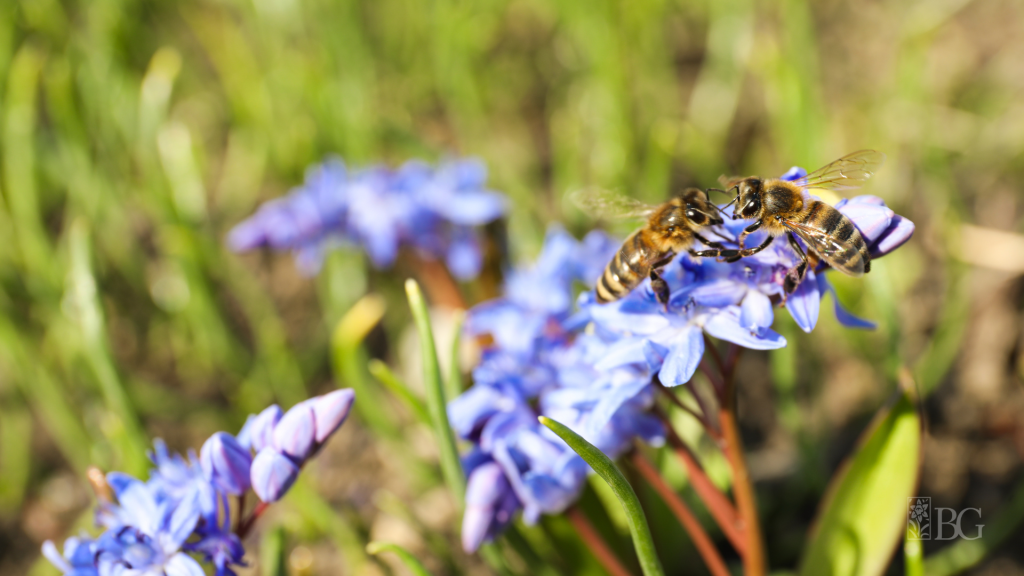
Siberian Squill attracts pollinators such as bees and butterflies, enhancing the biodiversity of your garden. Enjoy the sight of these beneficial insects as they visit your blooms, aiding in the pollination process and contributing to the overall health of your garden ecosystem.
5. Dealing with Pests:
While Siberian Squill is generally resilient to pests, occasional infestations may occur. Keep an eye out for common pests such as aphids or slugs, especially during periods of high humidity. To combat pests, consider using natural remedies such as neem oil or introducing natural predators like ladybugs to your garden. Additionally, practicing good garden hygiene by removing debris and weeds can help prevent pest infestations.
Enjoying the Benefits
With minimal effort on your part, Siberian Squill will reward you with a breathtaking display of vivid blue blooms in early spring. Whether you’re seeking a serene reading nook or a picturesque spot for contemplation, this resilient flower will transform any space into an idyllic retreat.
Conclusion
In conclusion, Siberian Squill is a versatile and resilient addition to any garden, particularly suited to the cold climates of St. John’s, Newfoundland. With its charming blue blossoms and easy-going nature, it’s no wonder that this “Survivor” has captured the hearts of gardeners worldwide. Embrace its natural beauty and watch as your garden comes to life with the tranquil allure of Siberian Squill.
You can consult with our team at Bowering Gardens, lawn and garden experts in St. John’s, Newfoundland, to determine the best practices for your specific region and landscaping, or you can reach out to us below to get a quote so that we can take it off your hands entirely.
Please note that the information provided in this article is based on general guidelines. Specific care and conditions may vary for different varieties and individual gardens.
Frequently Asked Questions
Autumn is the optimal time for planting Siberian Squill bulbs, allowing them to establish themselves before the onset of winter.
Plant bulbs several inches deep, ensuring they are covered with soil to protect them from frost and extreme temperatures.
Yes, Siberian Squill is adaptable to various sunlight conditions, ranging from full sun to deep shade, making it a versatile choice for different garden environments.
While Siberian Squill is generally resistant to pests, occasional infestations may occur. Monitor your plants regularly and employ natural remedies such as neem oil or introduce natural predators like ladybugs to combat pests effectively.
Siberian Squill attracts pollinators such as bees and butterflies, contributing to the biodiversity of your garden. Additionally, its low-maintenance nature and ability to naturalize make it a valuable addition to any landscape.
Remember, gardening is not only about nurturing plants but also about embracing the joy and wonder that nature brings. Happy gardening!
Posted on
Posted in Blog
