
Flower Friday – Muscari
Comprehensive Guide to Planting and Growing Muscari in St. John’s, Newfoundland
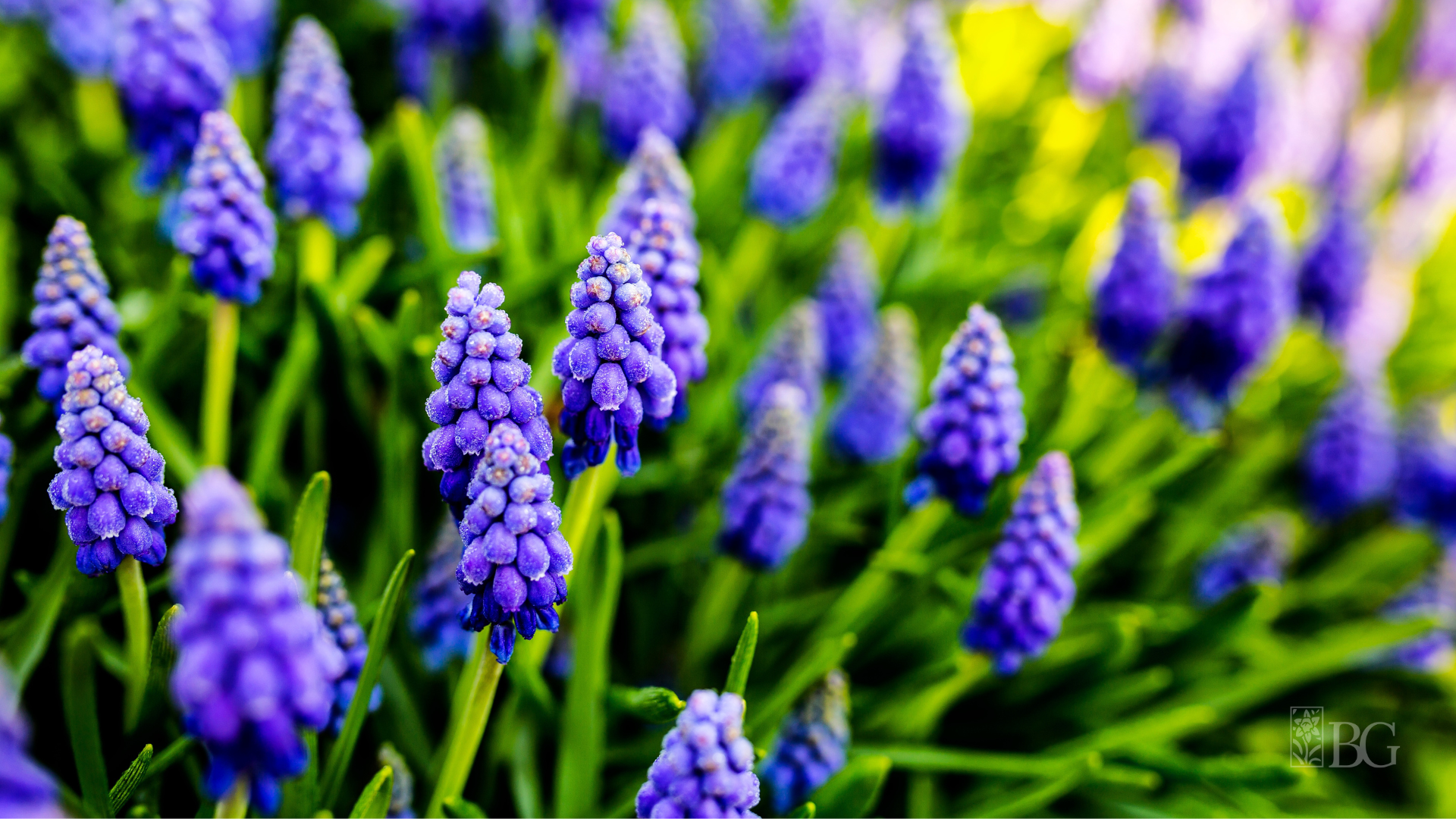
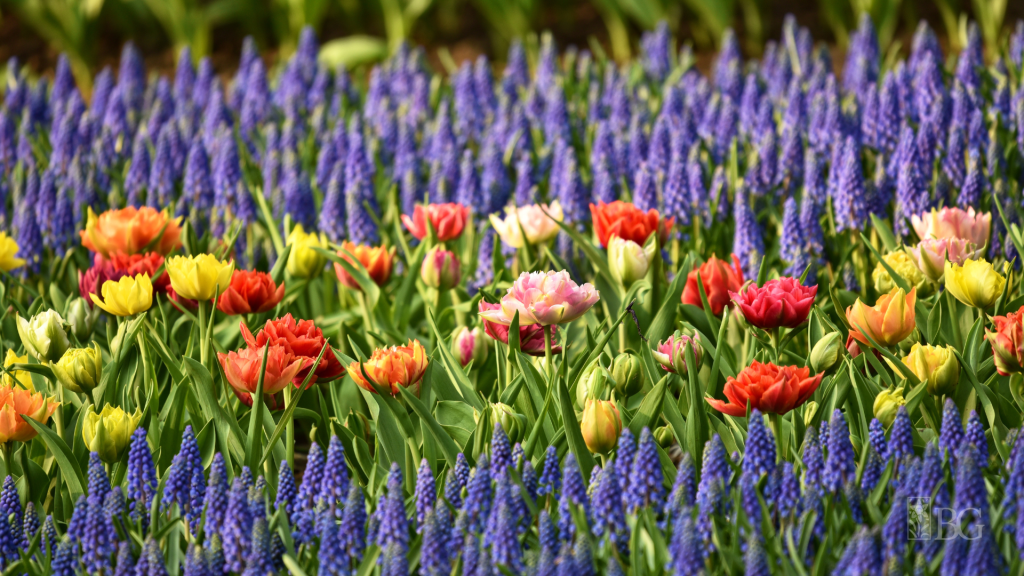
Muscari, commonly known as grape hyacinths, are an essential addition to any spring garden. Their charming cobalt blue clusters not only complement a wide range of colours but also bring a delightful fragrance to your garden. This guide is tailored to ensure that gardeners in St. John’s, Newfoundland, can successfully plant, nurture, and enjoy these vibrant flowers.
Choosing the Best Muscari Bulbs
Selecting Quality Bulbs
For the most spectacular blooms, it is crucial to start with high-quality bulbs. Larger bulbs store more nutrients, which translates into more vigorous plants and more prolific flowering. We recommend selecting plump, 8/9 cm muscari bulbs to ensure robust growth and dazzling blooms.
Planning for Successful Growth
Optimal Planting Conditions
To thrive, muscari requires the right environment:
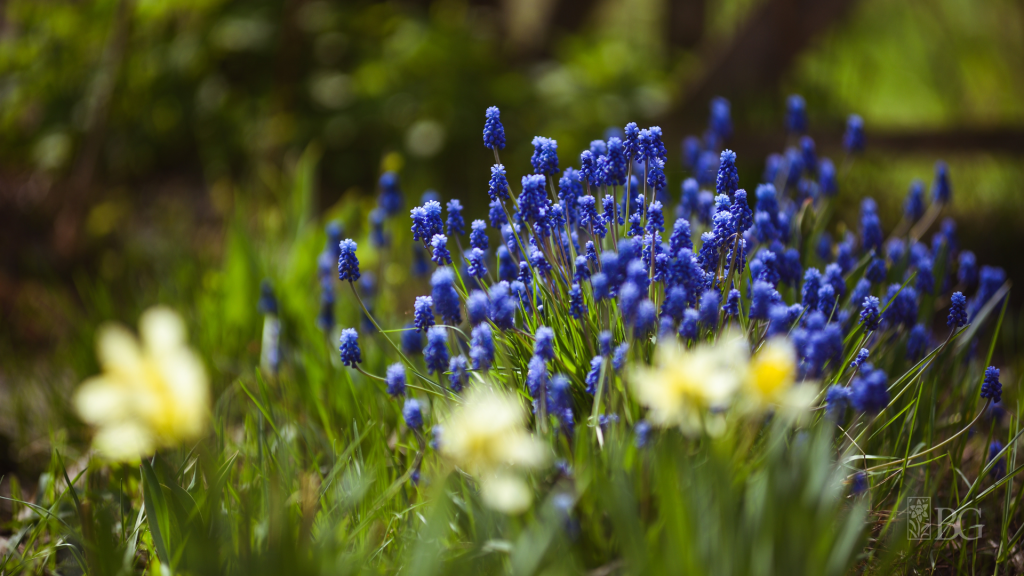
- Sunlight: Muscari can flourish in both full sun and partial shade. In St. John’s, where sunlight may vary, planting them in areas that receive ample morning sun can be particularly beneficial.
- Hardiness Zone: St. John’s falls within USDA Hardiness Zone 5b. Muscari are hardy in zones 4-9, making them well-suited for the local climate.
- Soil Requirements: Plant muscari in well-drained soil. Incorporating peat moss or compost can improve soil drainage, preventing the bulbs from sitting in waterlogged conditions.
Selecting Varieties
Diversifying the types of muscari in your garden can extend the blooming season and add variety. Some recommended varieties include:
- Muscari armeniacum: Known for its ultramarine blue flowers.
- Muscari latifolium: Features striking blue-black flowers with a lavender-blue topknot.
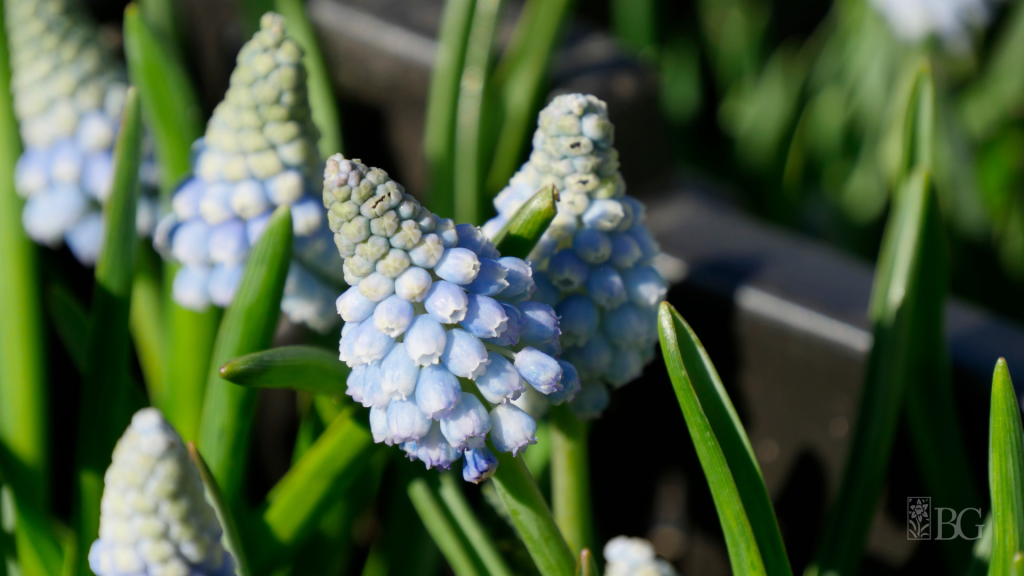
- Muscari ‘Ocean Magic’: Showcases florets transitioning from deep blue to nearly white.
Ideal Planting Locations
Flower Beds and Borders
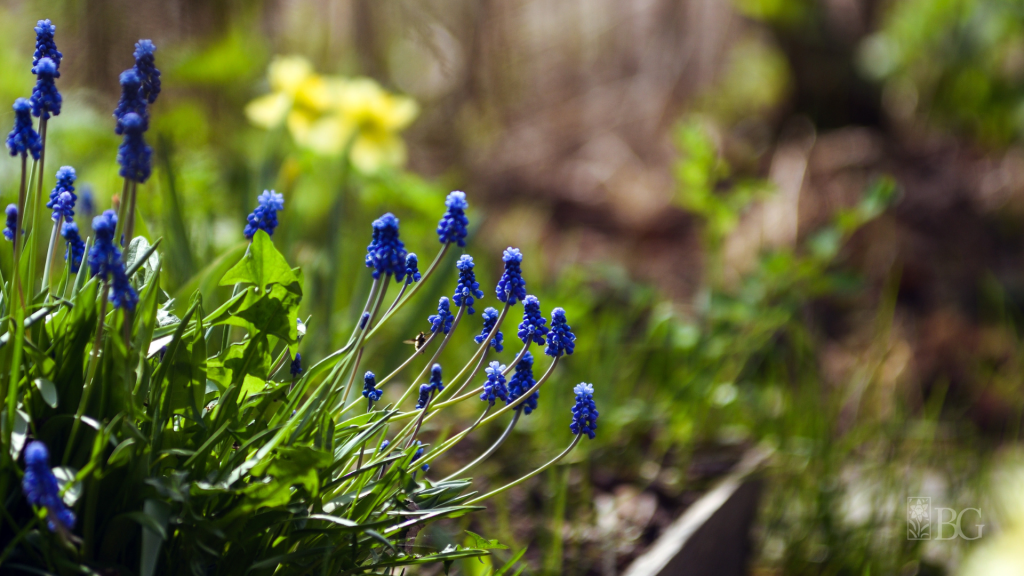
Muscari make excellent front-row plants in flower beds and borders. Their compact height of 6-8 inches allows them to pair beautifully with taller spring flowers like tulips and daffodils.
Naturalized Areas
For a more natural look, plant muscari en masse in woodland gardens, under trees, or along the edges of streams and ponds. These bulbs multiply readily, creating beautiful swathes of colour year after year.
Containers and Planters
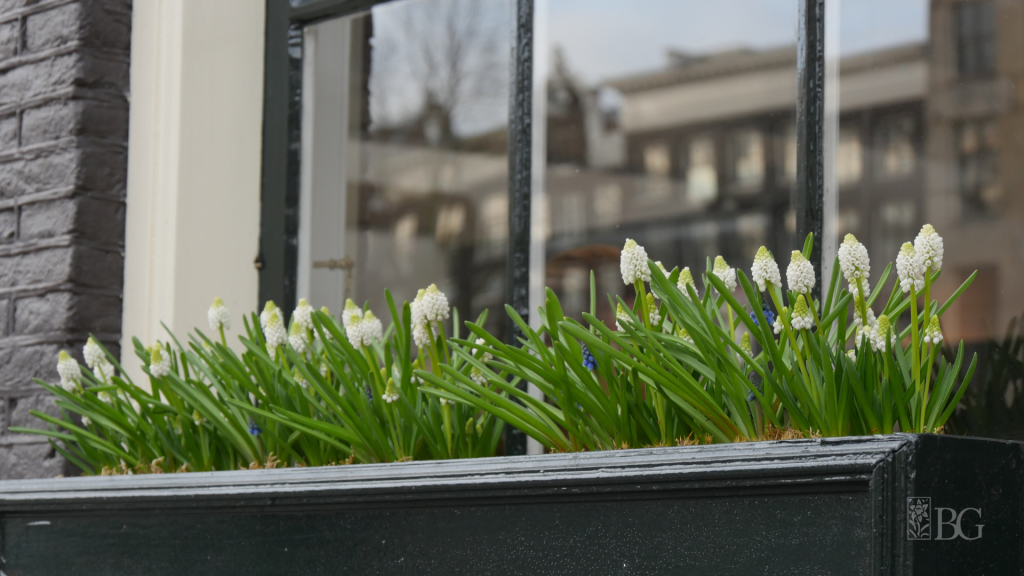
Muscari also thrive in pots and planters. They can be combined with other spring bulbs such as crocuses and hyacinths for a dynamic display. Post-bloom, the bulbs can be transplanted into the garden for future seasons.
Planting Guide
Timing
Plant muscari bulbs in mid to late fall, ideally after the first frost but before the ground freezes. This timing allows the bulbs to establish roots before the onset of winter.
Depth and Spacing
Plant the bulbs 3-4 inches deep and 2-3 inches apart. Grouping them in clusters of six or more creates a more natural and visually appealing display.
Planting Tips
Given their affordability, muscari bulbs can be planted in large numbers. Dig a larger area, scatter the bulbs, cover with soil, and water lightly if the weather is dry.
Expected Growth and Maintenance
Growth Habits
Muscari are resilient and adaptable. In optimal conditions, the bulbs will naturalize, providing increasingly vibrant displays each year. For the best results, ensure they receive full sun and are planted in well-drained soil.
Post-Bloom Care
After flowering, allow the foliage to grow and yellow naturally. This process enables the bulbs to store energy for the next season. If the foliage does not die back on its own, it can be gently removed once it turns yellow.
Dividing Bulbs
Over time, muscari bulbs may become crowded. Post-bloom in late spring is the ideal time to dig up, divide, and replant the bulbs to maintain healthy growth.
Vase Life
Muscari flowers can last up to a week in a vase, making them a lovely addition to indoor spring arrangements. Combine them with other small flowers like primroses and violas for a charming bouquet.
Forcing Muscari Bulbs
Indoor Blooming
Muscari bulbs can be forced to bloom indoors. Plant the bulbs in pots in late fall, water them, and store in a cool, dark place (around 5°C) for at least 15 weeks. This chilling period simulates winter conditions and encourages flowering.
Conclusion
By following this comprehensive guide, gardeners in St. John’s, Newfoundland can enjoy the delightful beauty and fragrance of muscari in their spring gardens. Whether planted in flower beds, naturalized areas, or containers, these charming bulbs will bring vibrant colour and cheer to your outdoor spaces year after year.
You can consult with our team at Bowering Gardens, lawn and garden experts in St. John’s, Newfoundland, to determine the best practices for your specific region and landscaping, or you can reach out to us below to get a quote so that we can take it off your hands entirely.
Please note that the information provided in this article is based on general guidelines. Specific care and conditions may vary for different varieties and individual gardens.
Frequently Asked Questions
Muscari thrive in full sun or partial shade and require well-drained soil. Given St. John’s climate, it is beneficial to plant them in areas that receive ample morning sun. Incorporating peat moss or compost can improve soil drainage, ensuring the bulbs do not sit in waterlogged conditions.
The ideal time to plant muscari bulbs in St. John’s is mid to late fall, after the first frost but before the ground freezes. This timing allows the bulbs to establish roots before winter, ensuring robust growth in spring.
Muscari bulbs should be planted 3-4 inches deep and 2-3 inches apart. Planting them in clusters of six or more creates a natural and visually appealing display, enhancing the overall aesthetic of your garden.
Yes, muscari grow well in containers and planters. They can be combined with other spring bulbs such as crocuses and hyacinths for a dynamic display. After they bloom, you can transplant the bulbs into your garden for future seasons.
After blooming, allow the foliage to grow and yellow naturally, as this enables the bulbs to store energy for the next season. If the foliage does not die back on its own, it can be gently removed once it turns yellow. Over time, if the bulbs become crowded, they can be dug up, divided, and replanted in late spring.
Remember, gardening is not only about nurturing plants but also about embracing the joy and wonder that nature brings. Happy gardening!
Posted on
Posted in Blog
