
Flower Friday – Hyacinth
Growing and Caring for Hyacinth Plants in St. John’s, Newfoundland
Introduction
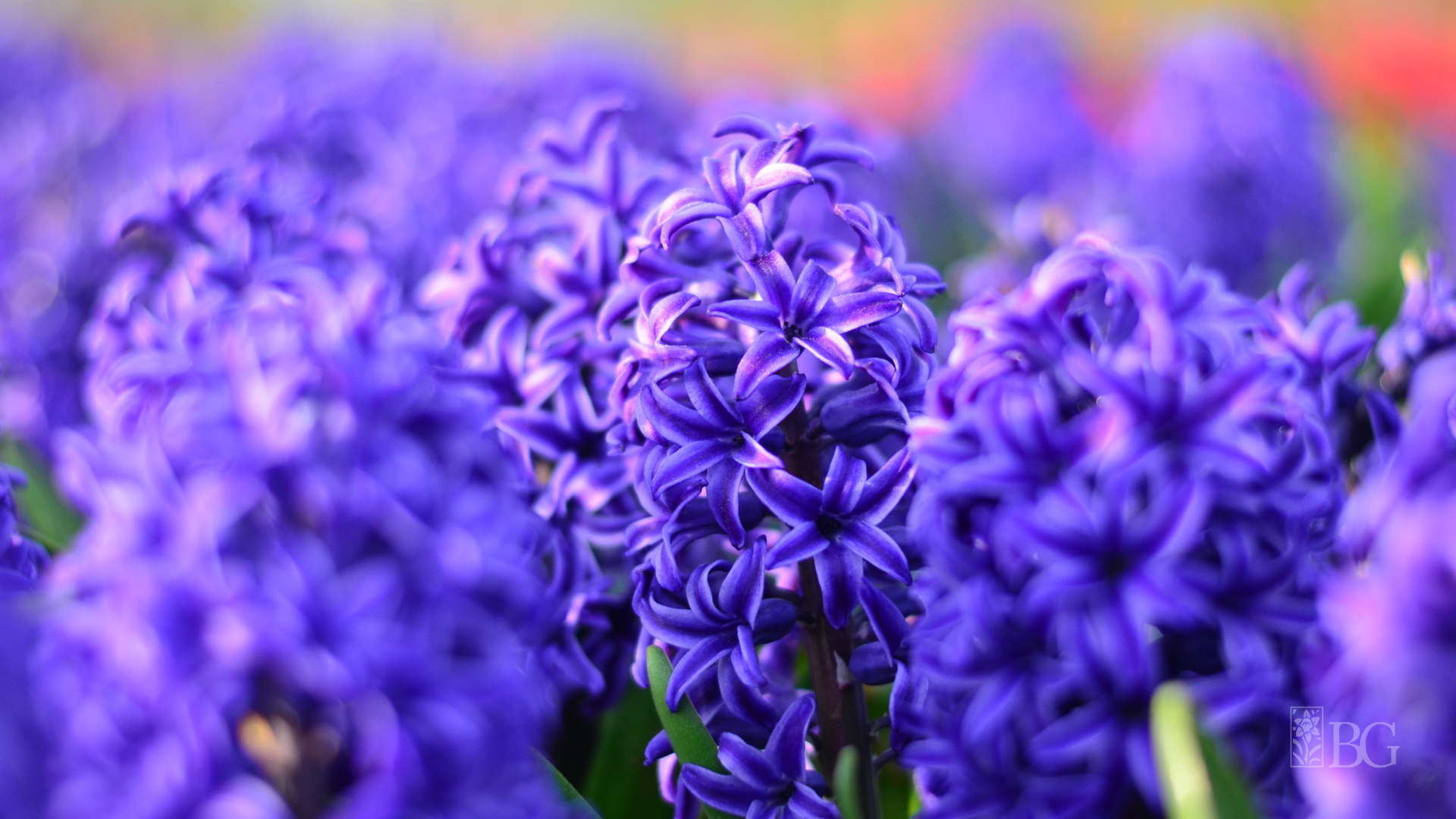
Hyacinth plants (Hyacinthus orientalis) are renowned for their captivating fragrance and vibrant blooms, making them a favourite among gardening enthusiasts in St. John’s, Newfoundland. Introduced to Europe in the 16th century, hyacinths have evolved into numerous cultivars, with about 60 varieties available today. These perennial bulbs are relatively easy to grow, offering a delightful addition to any garden. This guide provides detailed information on how to grow and care for hyacinths, ensuring they thrive in the local climate.
Understanding Hyacinths
Common Names and Botanical Information
- Common Names: Hyacinth, common hyacinth, Dutch hyacinth, garden hyacinth
- Botanical Name: Hyacinthus orientalis
- Family: Asparagaceae, formerly Hyacinthaceae
- Plant Type: Perennial, bulb
- Mature Size: 15–30 cm tall, 7.5–15 cm wide
- Sun Exposure: Full sun to partial shade
- Soil Type: Moist but well-drained
- Soil pH: Neutral to slightly acidic
- Bloom Time: Spring
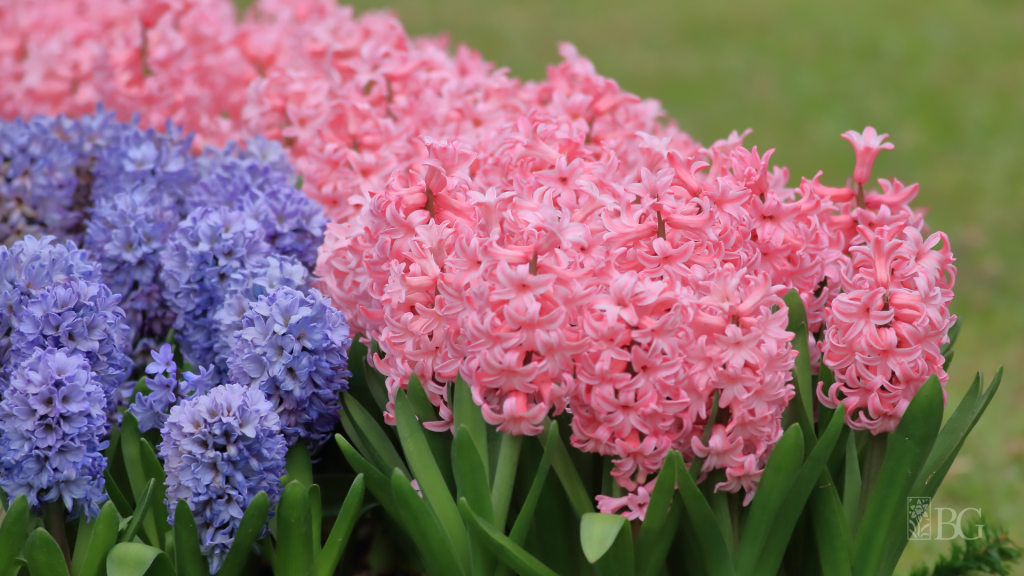
- Flower Colours: White, blue, purple, pink, red
- Hardiness Zones: 4–8 (USDA)
- Native Area: Europe, Asia
- Toxicity: Toxic to humans and pets
Hyacinth Care
Planting Hyacinth Bulbs
For optimal growth, plant hyacinth bulbs in the fall, about six to eight weeks before the first frost. Follow these steps for successful planting:
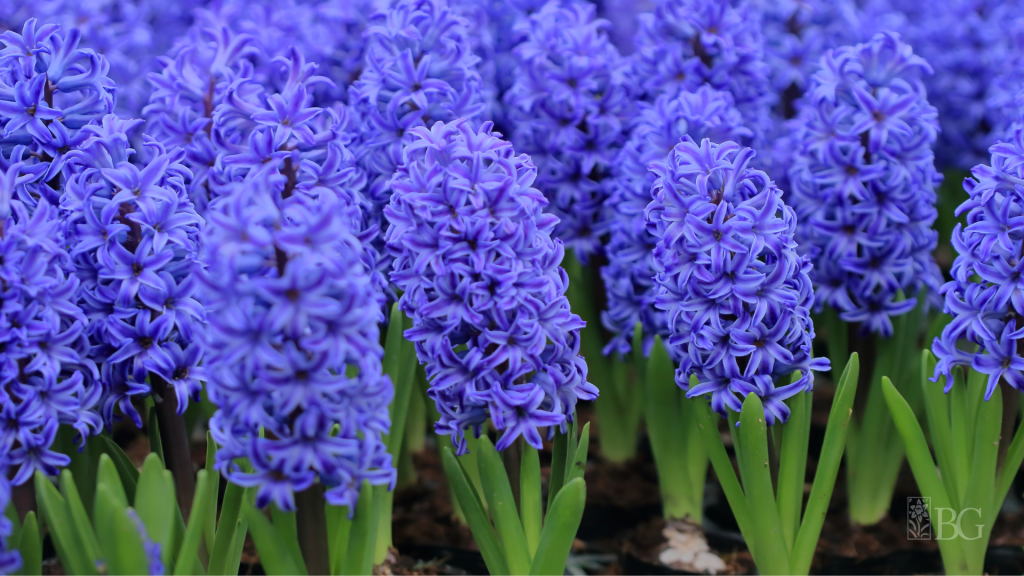
- Depth and Spacing: Plant bulbs root-end down (widest side down) 10 to 15 cm deep. Space them 7.5 to 15 cm apart.
- Soil Preparation: Ensure the soil is well-drained and slightly acidic to neutral. Avoid overly rich soil, which can cause floppy stalks.
- Watering: Water thoroughly after planting. Continue watering into winter if rainfall is insufficient, ensuring the soil dries out between waterings.
Light Requirements
Hyacinths thrive in full sun to partial shade. Aim for six to eight hours of sunlight daily. Since they bloom before deciduous trees fully leaf out, there’s no need to worry about too much shade from nearby trees.
Watering Guidelines
Watering is crucial, especially after planting and during dry spells. Hyacinths generally need about 10-15mm of water per week, combining rainfall and irrigation. Ensure the soil is dry before watering to prevent bulb rot.
Temperature and Humidity
Hyacinths are hardy in USDA zones 4 to 8. In colder zones, provide winter protection, such as mulching. In warmer zones, bulbs may need pre-chilling. Dig up the bulbs and store them in a cool, dark place at 1 to 7 degrees Celsius for six to 10 weeks before replanting.
Fertilizer Application
Fertilize hyacinths at planting and again in early spring. Use a balanced 10-10-10 fertilizer or bone meal. Follow the product instructions for the appropriate amount. This promotes healthy growth and robust blooms.
Types of Hyacinth
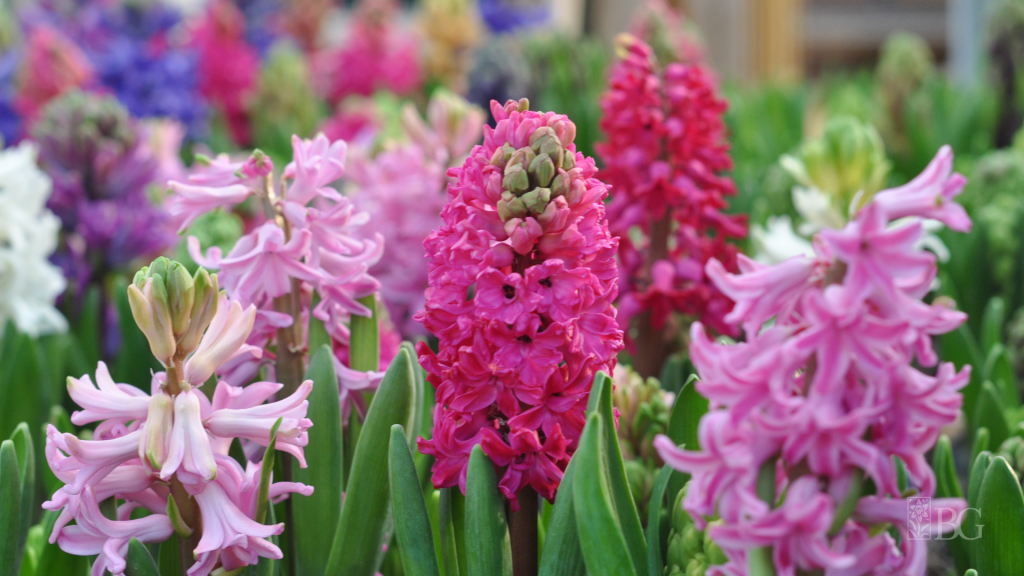
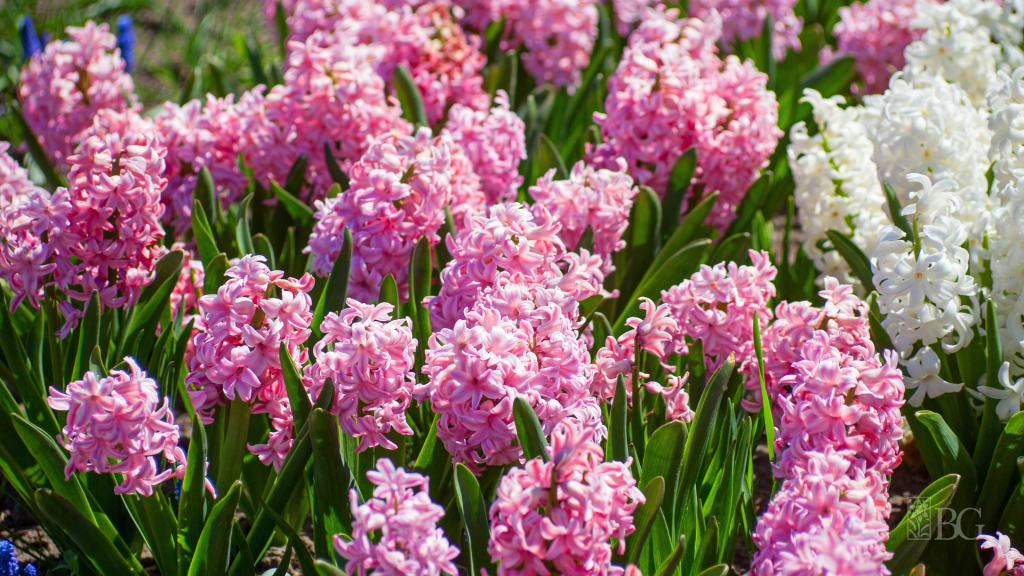
Modern hyacinths come in a variety of colours, adding diversity to your garden. Some popular varieties include:
- ‘Hollyhock’: Reddish-pink double blooms
- ‘Pink Pearl’: Fuchsia petals edged in pale pink
- ‘Woodstock’: Deep plum petals
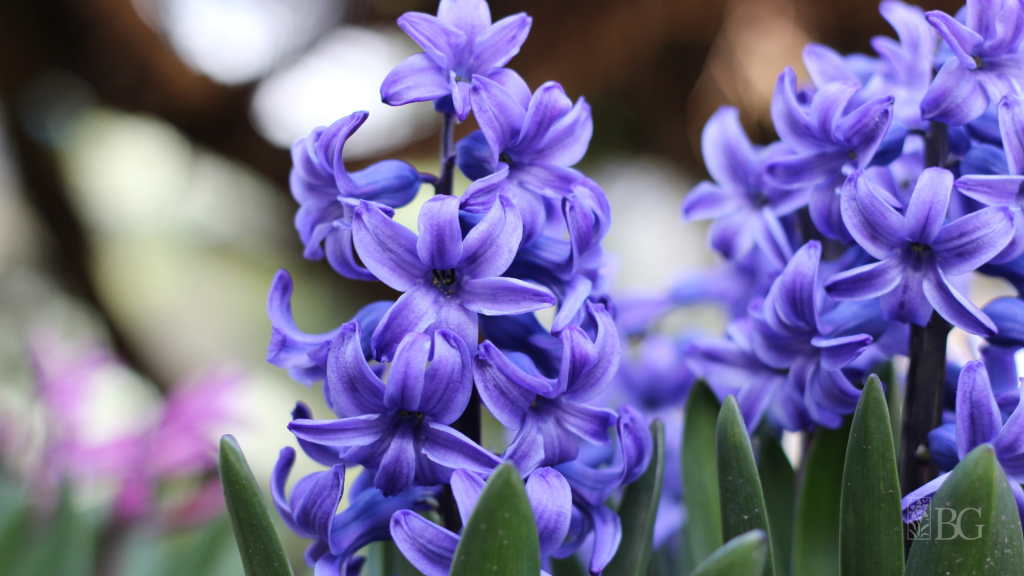
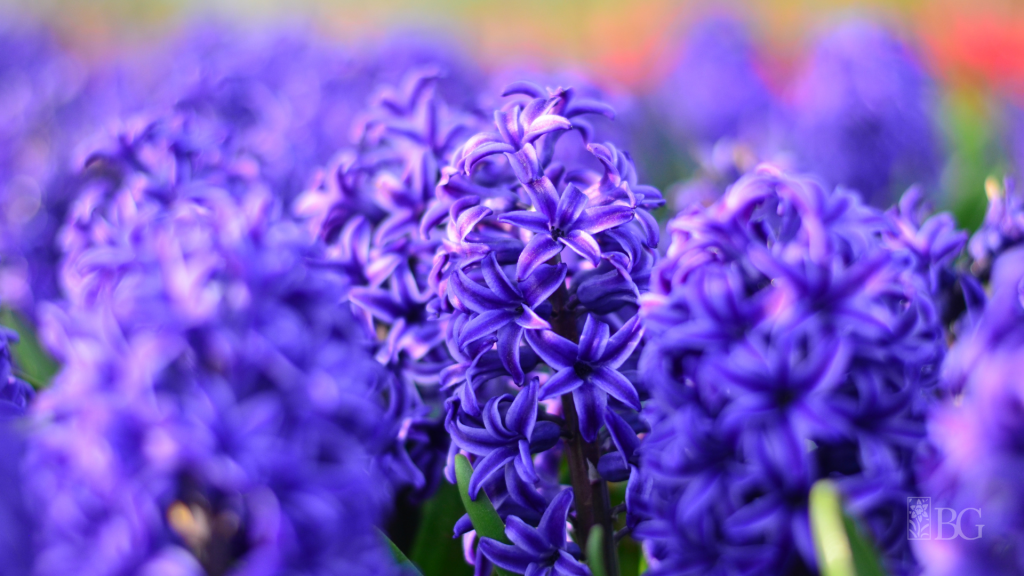
- ‘Blue Jacket’: Dense bloom structure with deep purple-blue flowers
- ‘Top White’: Bright white star-shaped florets
Advanced Care and Maintenance
Forcing Hyacinth Bulbs Indoors
To enjoy hyacinth blooms indoors, you can force the bulbs:
- Planting: Place a bulb in a container with well-draining potting mix, ensuring the bulb tip is above the soil line.
- Cold Treatment: Store the container in a dark, cool place (1 to 7 degrees Celsius) for at least 10 weeks.
- Growth Phase: Gradually increase light and warmth once green shoots appear. Keep the soil moist but not waterlogged. Move the container to a sunny window when buds form.
Pruning and Propagation
After blooming, cut off the flower stalks but leave the leaves to die back naturally, allowing the plant to store energy for the next season. To propagate hyacinths, separate the offset bulbs from the parent plant in the fall. Replant the bulbs immediately in well-draining soil.
Overwintering
In colder regions (zones 2 and 3), mulch the bulb bed to protect it from harsh winters. In warmer zones (9 and above), dig up and chill the bulbs before replanting. Containers should be moved to sheltered spots to avoid excessive moisture.
Common Pests and Diseases
Rodents such as squirrels and mice may target hyacinth bulbs. Use gravel in planting holes or interplant with rodent-repellent plants like daffodils. Hyacinth bulbs can rot in poorly drained soil, so ensure proper drainage to prevent this issue.
Troubleshooting Common Problems
- Spotted Foliage: Late frost can cause spots on leaves. This is usually not harmful to the plant.
- Broken or Streaked Petals: The mosaic virus can cause streaked petals and mottled leaves. Remove and dispose of infected plants.
- Small Flowers: Regular feeding and propagating new plants from mature hyacinths can maintain bloom size and vigour.
Conclusion
Hyacinths are a delightful addition to any garden, offering vibrant colours and a powerful fragrance. With proper care and attention, they can thrive in St. John’s, Newfoundland, bringing beauty and elegance to your outdoor space. By following the guidelines outlined in this comprehensive guide, you can enjoy healthy, robust hyacinth blooms year after year.
You can consult with our team at Bowering Gardens, lawn and garden experts in St. John’s, Newfoundland, to determine the best practices for your specific region and landscaping, or you can reach out to us below to get a quote so that we can take it off your hands entirely.
Please note that the information provided in this article is based on general guidelines. Specific care and conditions may vary for different varieties and individual gardens.
Frequently Asked Questions
Plant hyacinth bulbs in the fall, six to eight weeks before the first frost. Place the bulbs root-end down about 10 to 15 cm deep and space them 7.5 to 15 cm apart. Ensure the soil is well-drained and slightly acidic to neutral. Water thoroughly after planting and continue to water during dry spells.
Hyacinths thrive in full sun to partial shade. They require six to eight hours of sunlight daily. Since they bloom before deciduous trees fully leaf out, you don’t need to worry about excessive shade from nearby trees.
In USDA zones 4 to 8, hyacinths generally do not need special winter protection. In colder zones, apply a thick layer of mulch over the bulb bed. In warmer zones, where temperatures stay above 15 degrees Celsius, dig up the bulbs and chill them in a cool, dark place for six to 10 weeks before replanting.
Yes, hyacinths can be forced to bloom indoors. Plant the bulbs in a container with well-draining potting mix, with the bulb tip just above the soil line. Store the container in a dark, cool place (1 to 7 degrees Celsius) for at least 10 weeks. Once green shoots appear, gradually increase light and warmth, keeping the soil moist but not waterlogged.
Spotted foliage often results from late frost. While it may not be aesthetically pleasing, it typically does not harm the plant. Ensure your hyacinths are planted in a location where they are less likely to be exposed to late frost, and consider covering them if frost is predicted.
Remember, gardening is not only about nurturing plants but also about embracing the joy and wonder that nature brings. Happy gardening!
Posted on
Posted in Blog
