
Flower Friday – Puschkinia (Striped Squill)
How to Grow Puschkinia (Striped Squill) in St. John’s, Newfoundland
Introduction
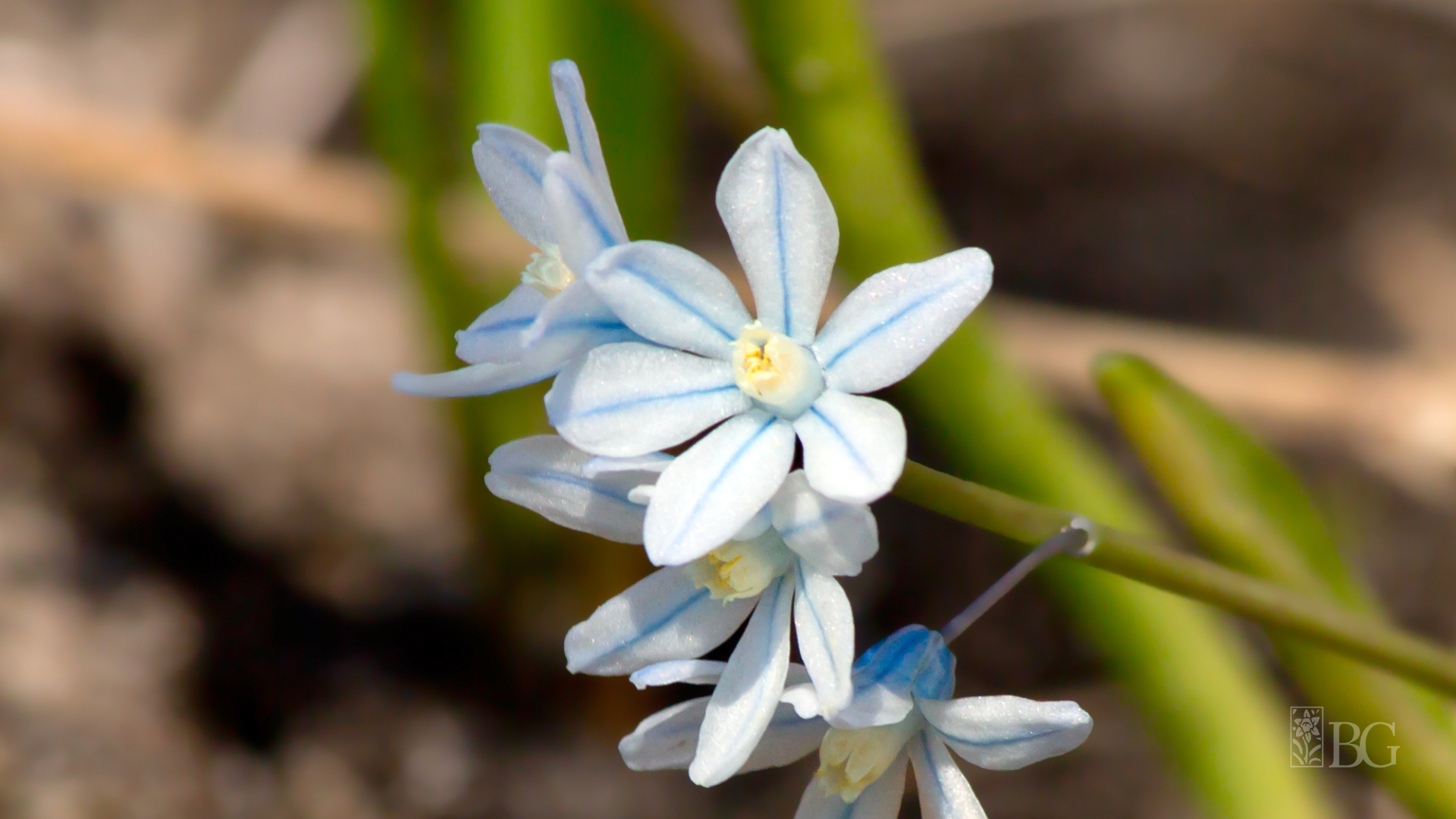
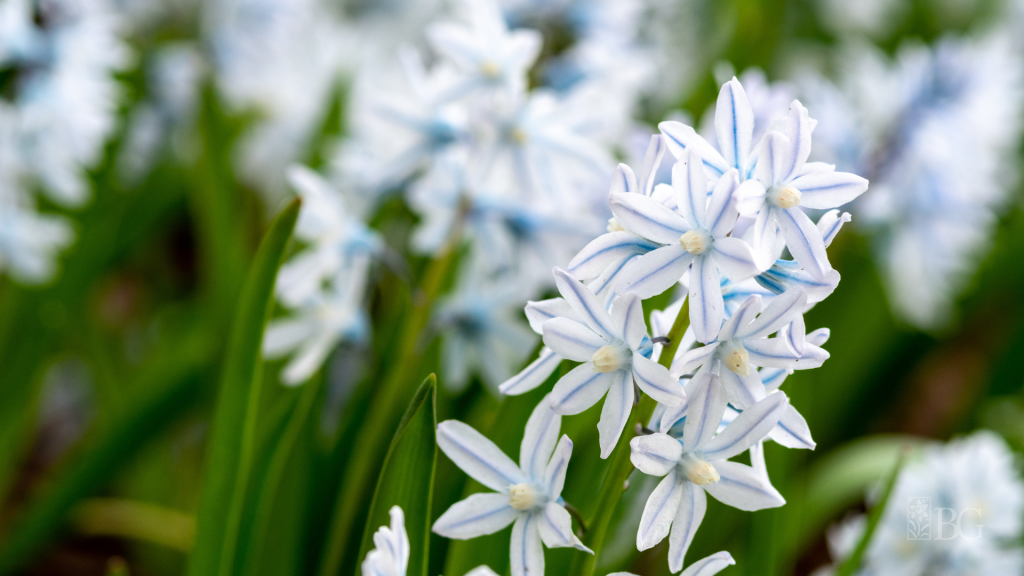
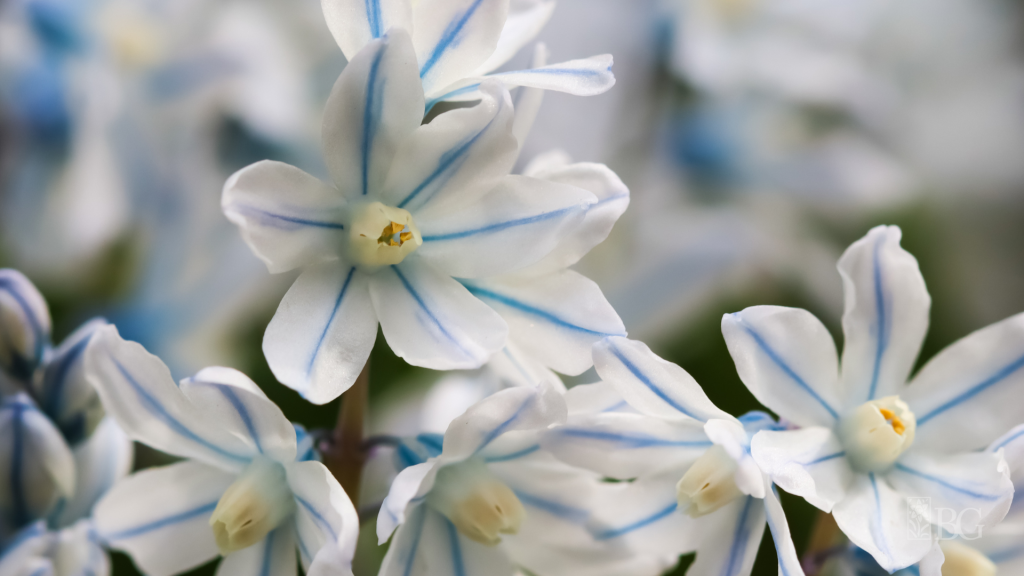
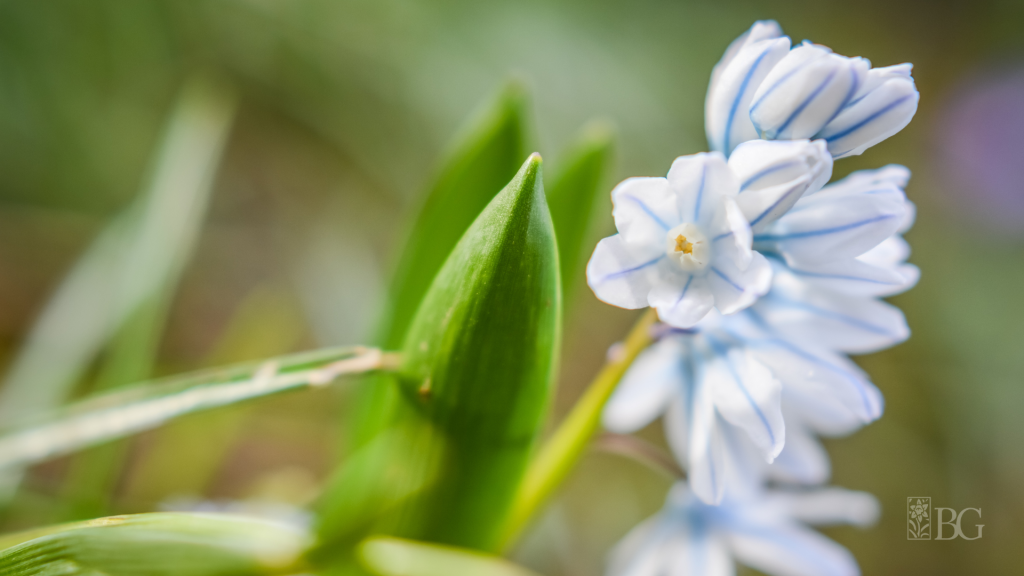
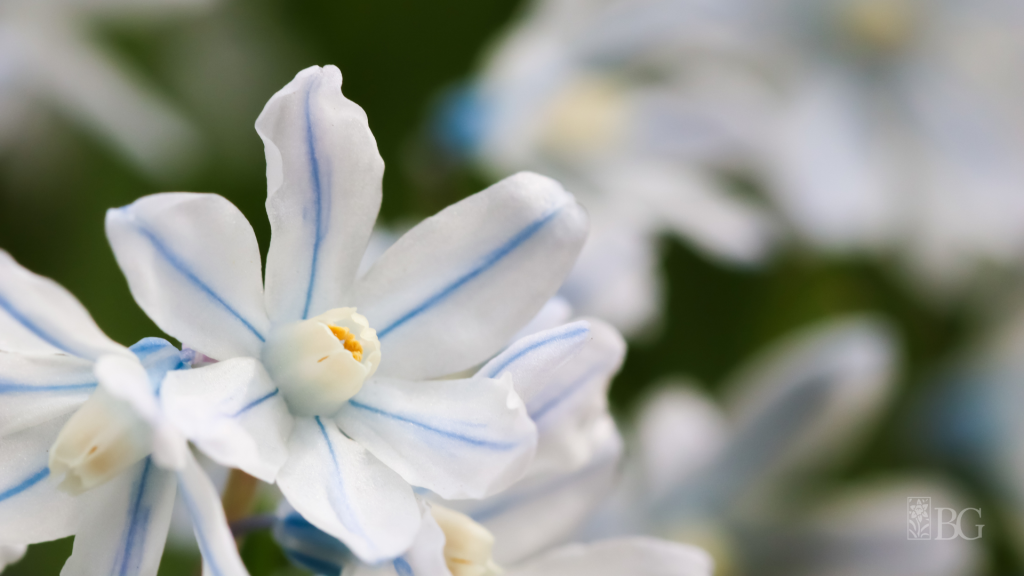
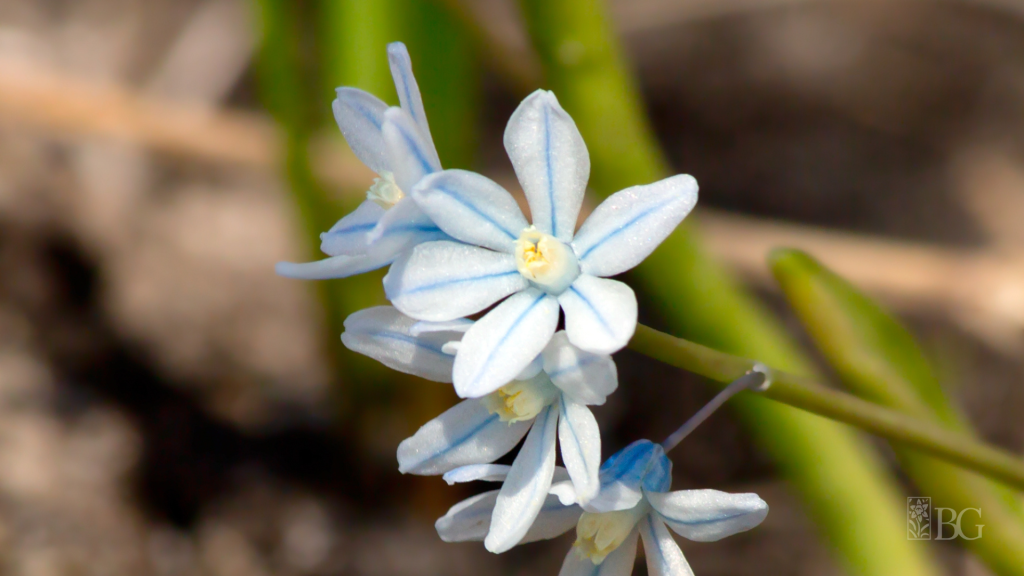
Puschkinia, commonly known as striped squill, is a charming spring bulb that brings a splash of colour to gardens with its delicate pale blue flowers adorned with darker blue stripes. This guide provides detailed instructions on growing and caring for Puschkinia in the unique climate of St. John’s, Newfoundland, ensuring vibrant blooms that enhance any landscape.
Get to Know Puschkinia
Botanical Name: Puschkinia scilloides
Family: Liliaceae
Common Name: Striped Squill
Origin: Damp grasslands of the Middle East
Height and Width: Approximately 8 inches (20 cm)
Foliage: Strap-shaped, bright green leaves
Flowers: Bell-shaped, pale blue with darker blue stripes
Growing Zones: Hardy to Zones 3-8, making it well-suited for St. John’s
Ideal Planting Locations in St. John’s
Puschkinia thrives in well-drained, fertile soil and can be planted in full sun or light shade. Given the often moist and cool climate of St. John’s, it is crucial to choose a site that ensures good drainage to prevent bulb rot. Ideal locations include:
- Under Deciduous Trees: Provides shade during summer while allowing ample sunlight in early spring.
- Rock Gardens: Enhances the natural beauty and ensures good drainage.
- Borders and Edgings: Creates a stunning visual effect when planted en masse.
When and How to Plant Puschkinia
Planting Time
Plant Puschkinia bulbs in the fall, allowing them to establish roots before the onset of winter. This timing ensures robust growth and prolific blooming in spring.
Planting and Spacing
- Depth: Plant bulbs 4 inches (10 cm) deep.
- Spacing: Space bulbs 8 inches (20 cm) apart to allow for optimal growth and spread.
- Arrangement: For the most striking display, plant bulbs in drifts rather than isolated clumps.
Steps to Plant Puschkinia
- Prepare the Soil: Ensure the soil is well-drained and enriched with organic matter.
- Dig Holes: Create holes or trenches 4 inches deep and 8 inches apart.
- Place the Bulbs: Position bulbs with the pointed end facing upward.
- Cover with Soil: Gently cover the bulbs with soil and lightly press down.
- Water: Water the planted area thoroughly to settle the soil.
Watering and Feeding
Watering
Puschkinia requires consistent moisture during its growing and blooming periods. Water the plants regularly, ensuring the soil remains moist but not waterlogged. Reduce watering as the foliage dies back in early summer.
Feeding
Fertilize Puschkinia in early spring with an organic bulb fertilizer. This boosts growth and flowering, ensuring a vibrant display.
Care and Maintenance
Summer Dormancy
Puschkinia benefits from a dry period during its summer dormancy. While not strictly necessary, a site that naturally dries out during summer can enhance bulb longevity and health.
Dividing and Propagating
To maintain vigorous growth and prevent overcrowding, divide Puschkinia bulbs every few years. This is best done in early summer, just as the foliage begins to die back.
- Dig Up Bulbs: Carefully lift the clumps of bulbs from the ground.
- Separate Offsets: Gently separate the offsets from the main bulb.
- Replant: Replant the bulbs and offsets immediately, spacing them appropriately.
Pests and Diseases
Puschkinia is generally pest-free and resistant to most diseases. However, it can occasionally develop viruses. Ensure good gardening practices to prevent such issues:
- Avoid Overcrowding: Ensures good air circulation.
- Remove Debris: Clears fallen leaves and plant debris promptly.
- Use Sterile Tools: Prevents the spread of diseases.
Recommended Varieties for St. John’s
Puschkinia scilloides
- Description: Grows 6-8 inches tall with erect racemes of densely packed, pale bluish-white flowers featuring darker stripes.
- Preferred Conditions: Full sun to partial shade.
- Planting Depth: 3-4 inches deep in well-drained soil.
Puschkinia scilloides var. libanotica
- Description: Slightly shorter, with white flowers that usually lack darker stripes and have pointed tepals.
- Preferred Conditions: Prefers partial shade and thrives in masses.
- Planting Depth: 3-4 inches deep, will grow for years without disturbance.
Enhancing Your Garden with Puschkinia
Puschkinia’s delicate beauty makes it a versatile addition to various garden settings. It pairs beautifully with grape hyacinth (Muscari armeniacum), creating a harmonious blend of colors and textures. Consider incorporating Puschkinia in the following ways:
- Mass Plantings: For an eye-catching groundcover under trees.
- Borders and Edges: To define garden spaces elegantly.
- Rock Gardens: Adding a splash of color among stones.
Conclusion
By following these detailed guidelines, you can cultivate a stunning display of Puschkinia in St. John’s, Newfoundland. Its charming, striped flowers will herald the arrival of spring, adding a delightful touch to your landscape. Happy gardening!
You can consult with our team at Bowering Gardens, lawn and garden experts in St. John’s, Newfoundland, to determine the best practices for your specific region and landscaping, or you can reach out to us below to get a quote so that we can take it off your hands entirely.
Please note that the information provided in this article is based on general guidelines. Specific care and conditions may vary for different varieties and individual gardens.
Frequently Asked Questions
The best time to plant Puschkinia bulbs in St. John’s is in the fall. This allows the bulbs to establish roots before winter and ensures they will bloom beautifully in the spring.
Plant Puschkinia bulbs 4 inches (10 cm) deep and space them 8 inches (20 cm) apart. For the best visual effect, arrange the bulbs in drifts rather than isolated clumps.
Puschkinia thrives in well-drained, fertile soil. It’s important to ensure good drainage to prevent bulb rot, especially given St. John’s often moist climate.
Puschkinia needs regular watering during its growing and blooming periods to keep the soil moist but not waterlogged. Watering can be reduced as the foliage dies back in early summer.
Puschkinia is generally pest-free and resistant to most diseases, though it can occasionally develop viruses. Ensuring good air circulation, removing debris, and using sterile tools can help prevent such issues.
Remember, gardening is not only about nurturing plants but also about embracing the joy and wonder that nature brings. Happy gardening!
Posted on
Posted in Blog
