
Flower Friday – Pasque Flower

The Comprehensive Guide to Growing Pasque Flowers in St. John’s, Newfoundland
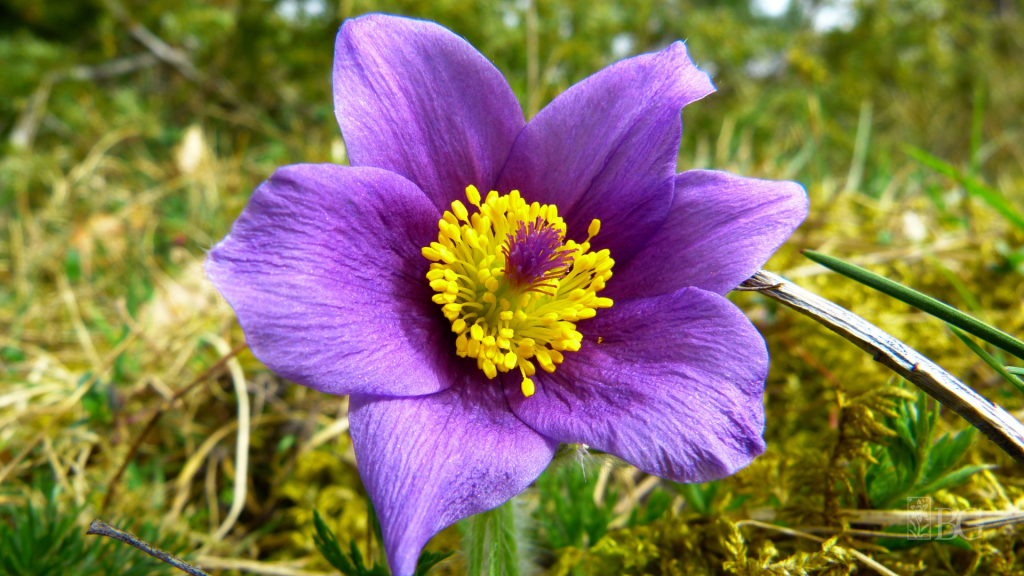
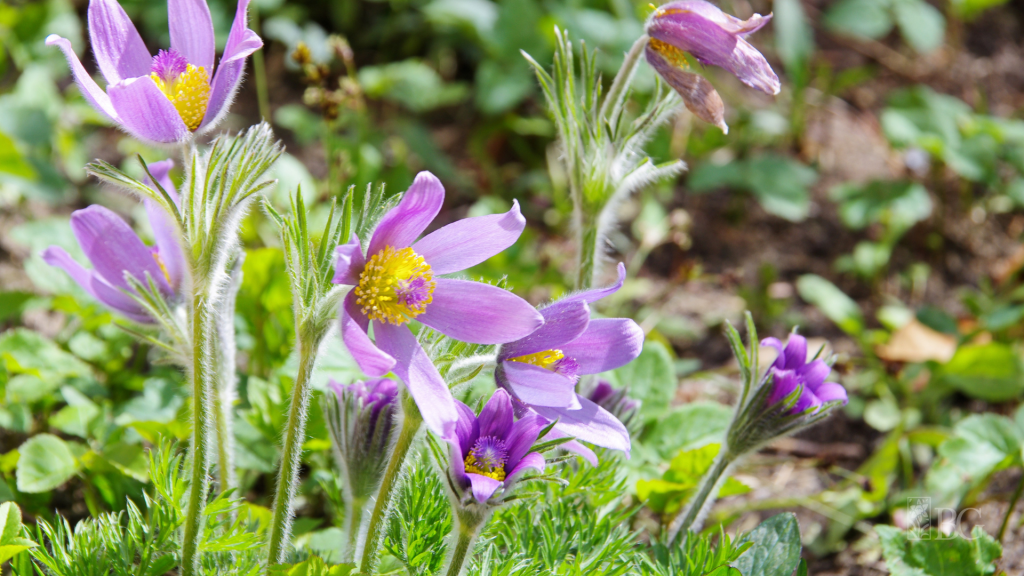
Pasque flowers, or Pulsatilla vulgaris, are delightful early spring bloomers that bring a burst of colour and unique texture to gardens. Known for their delicate, fernlike foliage and charming, pompom seed heads, these hardy perennials are an excellent addition to any garden in St. John’s, Newfoundland. In this guide, we will provide detailed instructions on how to plant, care for, and enjoy pasque flowers in your local garden.
Pasque Flower Overview
- Genus Name: Pulsatilla vulgaris
- Common Name: Pasque Flower
- Plant Type: Perennial
- Light: Sun
- Height: 8 to 12 inches
- Width: 4 to 8 inches
- Flower Colour: Blue, White
- Foliage Colour: Gray/Silver
- Season Features: Spring Bloom
- Special Features: Cut Flowers
- Zones: 4, 5, 6, 7, 8
- Propagation: Seed
- Problem Solvers: Drought Tolerant, Groundcover, Slope/Erosion Control
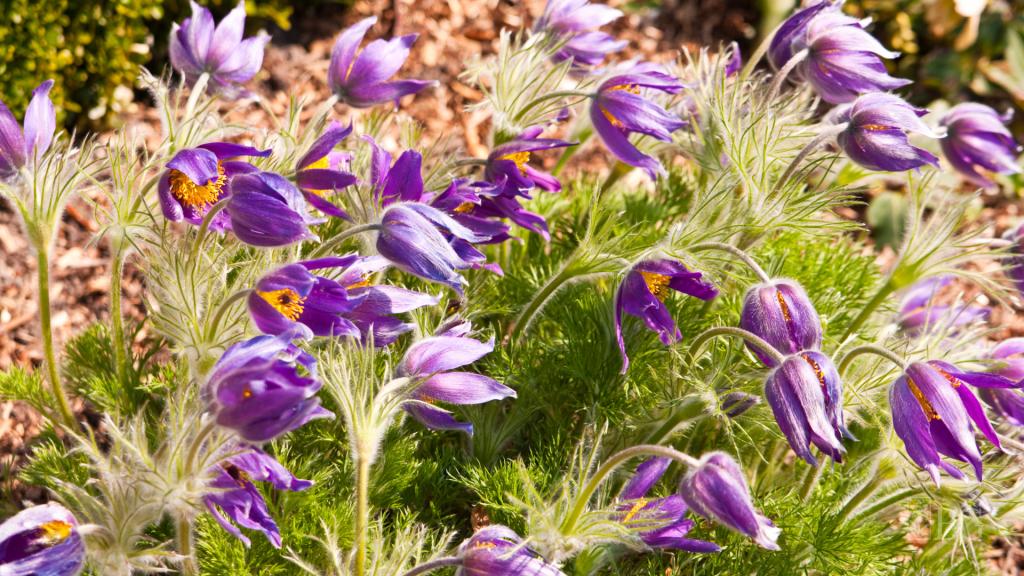
Ideal Planting Locations for Pasque Flower
Pasque flowers thrive in well-draining soil and full or part sun. In the cool, often moist climate of St. John’s, it’s best to plant them on sloping beds, hillsides, or in raised beds to ensure proper drainage. These conditions help prevent root rot and other water-related issues.
Pasque flowers make great companions for early spring bloomers such as species tulips, miniature daffodils, and crocus. Their nectar-rich flowers are a valuable food source for honeybees and native bees foraging in early spring.
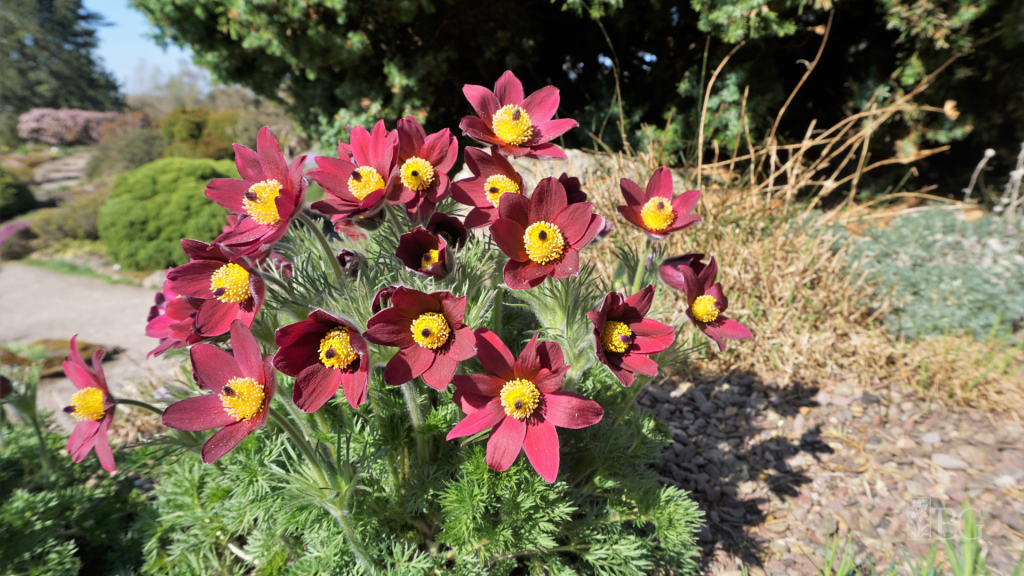
Planting Pasque Flowers: Timing and Techniques
When to Plant
- Nursery Plants: Plant in spring or early summer.
- Seeds: Sow in late fall to allow for natural cold stratification over winter.
How to Plant
- Nursery Plants: Plant at the same depth they were in the container, being careful not to damage the roots. Backfill the hole and water thoroughly.
- Seeds: Prepare a seed bed in late fall. Sow seeds and cover with 1/8 inch of soil. The seeds will overwinter and germinate in spring.
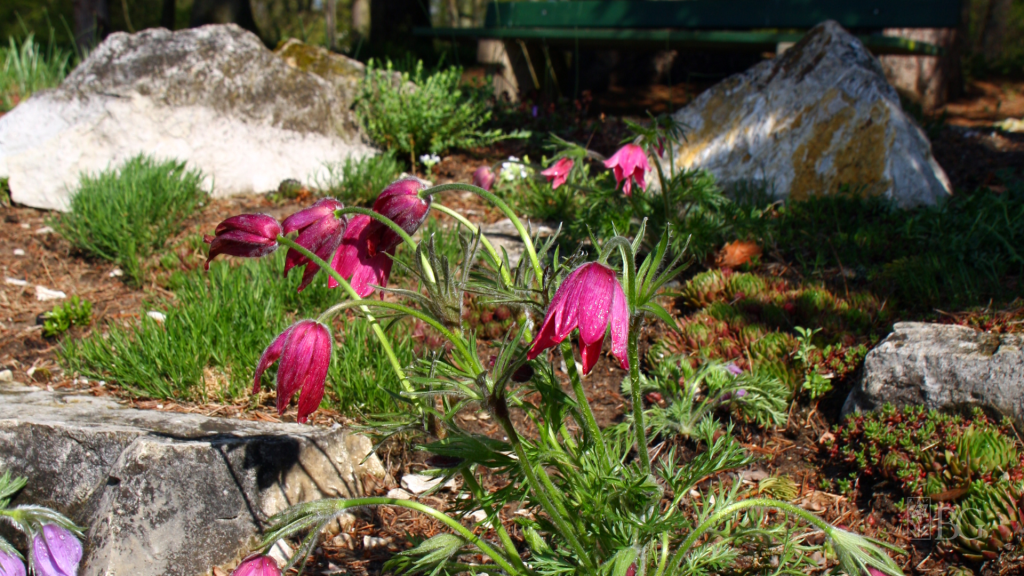
Care Tips for Pasque Flowers
Light Requirements
Pasque flowers grow best in full sun or part sun, making them perfect for the varied lighting conditions in St. John’s.
Soil and Watering
These plants prefer well-draining soil with an alkaline pH of 7 to 8. They are drought-tolerant, so watering once or twice a week at the base is usually sufficient. Avoid overwatering as it can lead to root rot.
Temperature and Humidity
Pasque flowers thrive in regions with long, chilly winters and prefer low to average humidity. This makes the climate of St. John’s ideal for their growth.
Fertilizing
A single application of all-purpose, granular fertilizer in spring is sufficient. Follow the product instructions and avoid overfertilizing.
Pruning
Deadhead spent flowers to encourage additional blooms and prevent self-seeding. In winter, the dried seed heads and foliage add interest to the garden. Cut back to the ground in spring just before new growth emerges.
Potting and Repotting
Pasque flowers grow well in containers with good drainage. Use garden soil amended with compost. They need additional water in containers, but allow the surface to dry out between waterings. A water-soluble fertilizer in early spring benefits potted plants.
Pests and Problems
Pasque flowers are relatively pest-free but can attract black beetles, which can be removed by hand or treated with neem oil. Root rot is a common issue in overly wet soil.

Propagating Pasque Flowers
Due to their long taproots, pasque flowers are difficult to divide. Look for volunteer seedlings around established plants and transplant them while they are young. Harvest seeds in fall for best germination rates.
Popular Pasque Flower Varieties
‘Alba’ Pasque Flower
- Description: Creamy white flowers, blooms in late spring.
- Best For: Rock gardens, combined with spring flowering bulbs.
- Zones: 4-8
‘Papageno’ Pasque Flower
- Description: Mix of creamy white, bright pink, dark red, and violet flowers.
- Best For: Adding vibrant colours to the garden.
- Zones: 5-7
‘Rote Glocke’ Pasque Flower
- Description: Large, deep crimson flowers, blooms early spring.
- Best For: Deer and rabbit resistant, rock gardens.
- Zones: 4-8
‘Rubra’ Pasque Flower
- Description: Wine-red, cup-shaped flowers with yellow eyes.
- Best For: Attractive seed heads, long bloom time.
- Zones: 4-8
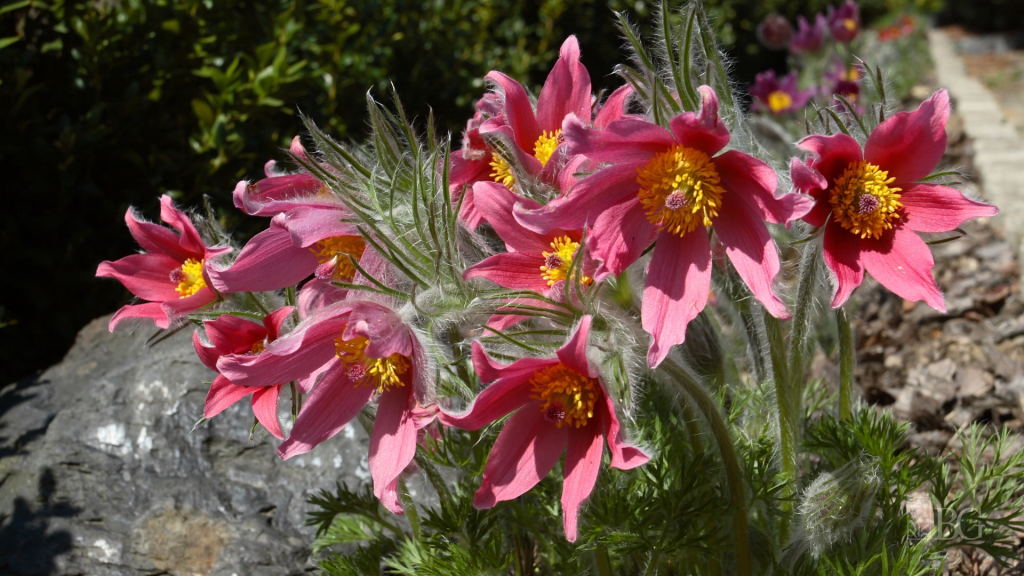
Companion Plants for Pasque Flowers
Sedum
Sedum varieties are perfect for adding different shapes, colours, and textures to your garden. They attract bees and butterflies and require little maintenance.
Perennial Geranium
These low-growing plants are ideal for groundcovers and border gardens, offering a variety of colours and forms.
Lady’s Mantle
With dainty yellow flowers and airy masses, Lady’s Mantle complements the pasque flower beautifully and is great for cut and dried flower arrangements.
Yarrow
Known for its ruggedness and fernlike foliage, yarrow works well in cottage gardens and wildflower settings.
Blanket Flower
The bright, cheery blossoms of blanket flowers attract pollinators and add vibrant colours to your garden.
Daylily
With a wide range of colours and bloom types, daylilies offer extended visual interest and variety.
Goldenrod
Goldenrod’s yellow blossoms in late summer provide a perfect transition to fall and add a burst of colour to the garden.
Conclusion
By following these detailed instructions, gardeners in St. John’s, Newfoundland can successfully grow and enjoy the beautiful pasque flower. These hardy perennials will bring early spring colour and charm to your garden, offering visual interest and supporting local pollinators.
You can consult with our team at Bowering Gardens, lawn and garden experts in St. John’s, Newfoundland, to determine the best practices for your specific region and landscaping, or you can reach out to us below to get a quote so that we can take it off your hands entirely.
Please note that the information provided in this article is based on general guidelines. Specific care and conditions may vary for different varieties and individual gardens.
Frequently Asked Questions
Pasque flowers thrive in well-draining soil with an alkaline pH of 7 to 8. They prefer full sun to part sun and do well in areas with long, chilly winters and low to average humidity. In St. John’s, it’s best to plant them on sloping beds, hillsides, or in raised beds to ensure adequate drainage.
Pasque flowers are drought-tolerant and usually require watering once or twice a week at the base. Avoid overwatering to prevent root rot. Fertilize with a single application of all-purpose, granular fertilizer in spring, following the product instructions.
Pasque flower seeds should be sown in late fall. Prepare a seed bed, sow the seeds, and cover them with 1/8 inch of soil. The seeds will overwinter and germinate in spring. This natural cold stratification helps break dormancy and promotes healthy growth.
Pasque flowers are relatively pest-free but can sometimes attract black beetles, which can be removed by hand or treated with neem oil. The most common problem is root rot, which occurs in overly wet soil. Ensuring proper drainage is crucial to prevent this issue.
Yes, pasque flowers can be grown in containers with good drainage. Use garden soil amended with compost and ensure the container dries out between waterings. They benefit from water-soluble fertilizer in early spring and should not be moved indoors during winter, as they need a dormant period to bloom well in spring.
Remember, gardening is not only about nurturing plants but also about embracing the joy and wonder that nature brings. Happy gardening!
Posted on
Posted in Blog
