
Flower Friday – Iris Reticulata

Comprehensive Guide to Growing Iris Reticulata in St. John’s, Newfoundland
Introduction to Iris Reticulata
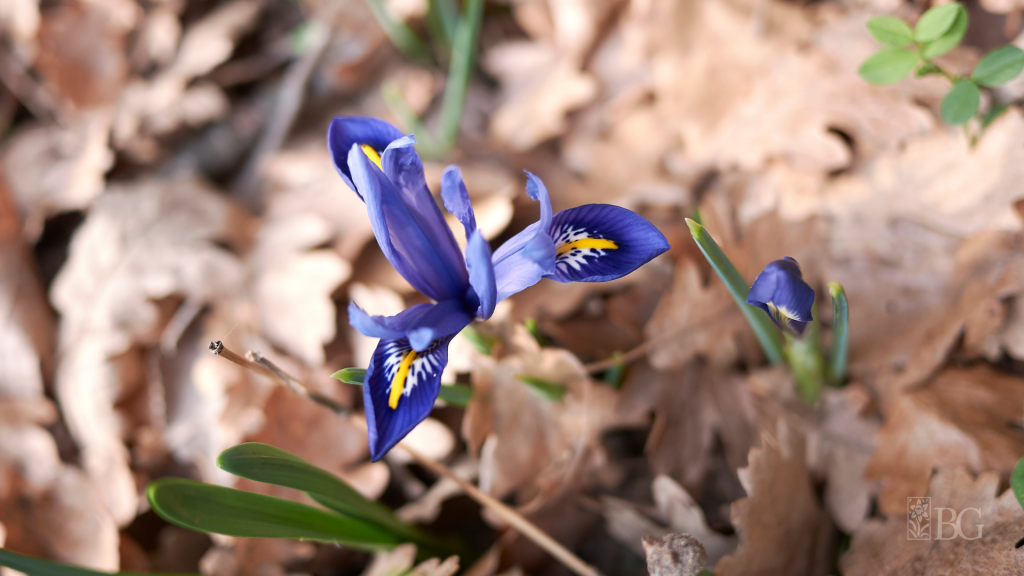
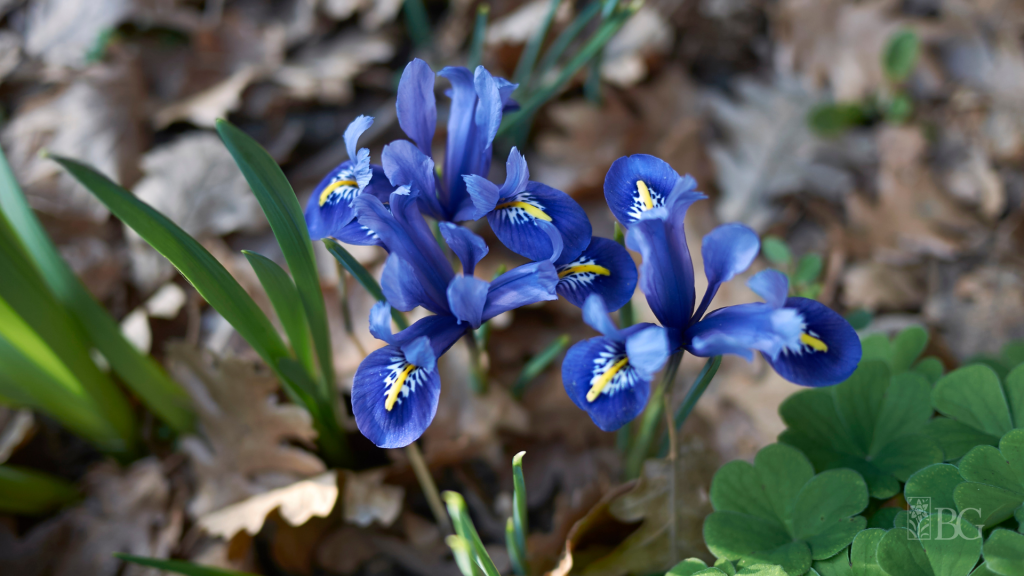
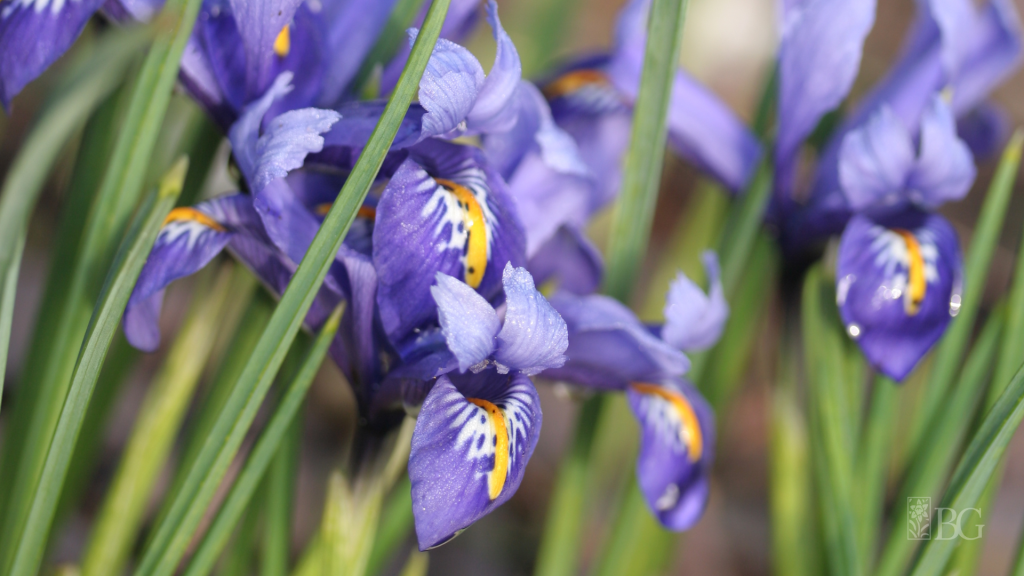
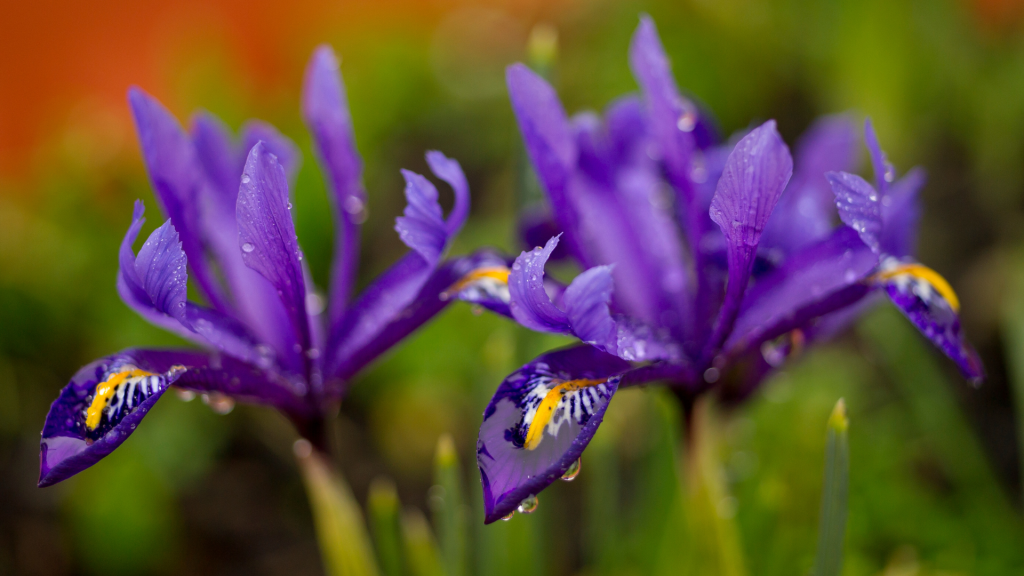
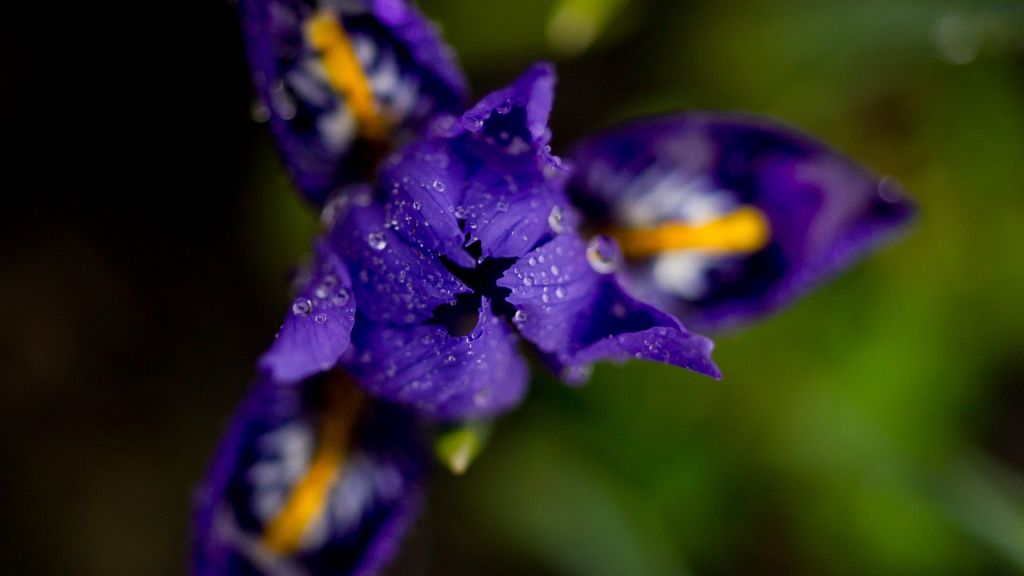
Iris reticulata, commonly known as reticulated iris, heralds the arrival of spring in St. John’s, Newfoundland, as one of the season’s earliest bloomers. Their delicate, petite flowers, standing 4 to 6 inches tall with slender, grassy foliage, bring a splash of colour and joy to gardens still shaking off the last grips of winter. Native to the cold, dry mountainous regions of Turkey, Iraq, Iran, and Russia, these resilient bulbs are well-suited to the Newfoundland climate when provided with proper care.
Optimal Planting Conditions for Iris Reticulata
Soil and Moisture Requirements
To thrive, Iris reticulata requires well-drained soil. The bulbs need a consistent supply of moisture during spring but must remain quite dry during the summer, autumn, and winter to prevent rot. St. John’s gardeners should avoid planting these bulbs in heavy or wet soil. Instead, consider rock gardens, gravel gardens, or elevated areas that provide excellent drainage.
Ideal Planting Locations
- Rock Gardens and Gravel Gardens: These are perfect due to their excellent drainage.
- Fast-Draining Areas: Locations such as beside a front walk or stone patio are ideal.
- Alpine Troughs or Pots: These can be elevated and ensure the bulbs stay dry during off-seasons.
Planting Instructions
- Bulb Size: The bulbs are about the size of a nickel and teardrop-shaped.
- Depth and Spacing: Plant the bulbs 4 inches deep and 3 inches apart, with the pointed end facing up.
- Sunlight: Iris reticulata flowers best in full sun but can tolerate partial shade.
Seasonal Care and Maintenance
Spring Care
During spring, the bulbs require consistent moisture. Water them regularly but ensure the soil remains well-drained. This is the critical growing period where the bulbs will establish themselves and prepare for blooming.
Summer, Autumn, and Winter Care
Once the plants have finished blooming, the foliage will quickly fade away, signaling the bulbs’ dormant period. During this time, the soil should be kept dry. Minimal watering is necessary, and any natural rainfall in St. John’s during these seasons should suffice.
Preventing Overcrowding
Over time, if the bulbs are happy in their location, they will multiply and can become overcrowded, which may affect flower quality. To prevent this, dig up and divide the bulbs in late summer. Replant about half in the same area and find new locations for the rest.
Tips for Ensuring Vibrant Blooms
- Annual Planting: To guarantee a vibrant display each spring, plant fresh bulbs every fall.
- Fertilization: Apply a balanced fertilizer in early spring to encourage robust growth and blooming.
- Pest Control: Although Iris reticulata is deer resistant and drought tolerant, keep an eye out for pests and treat accordingly.
Conclusion
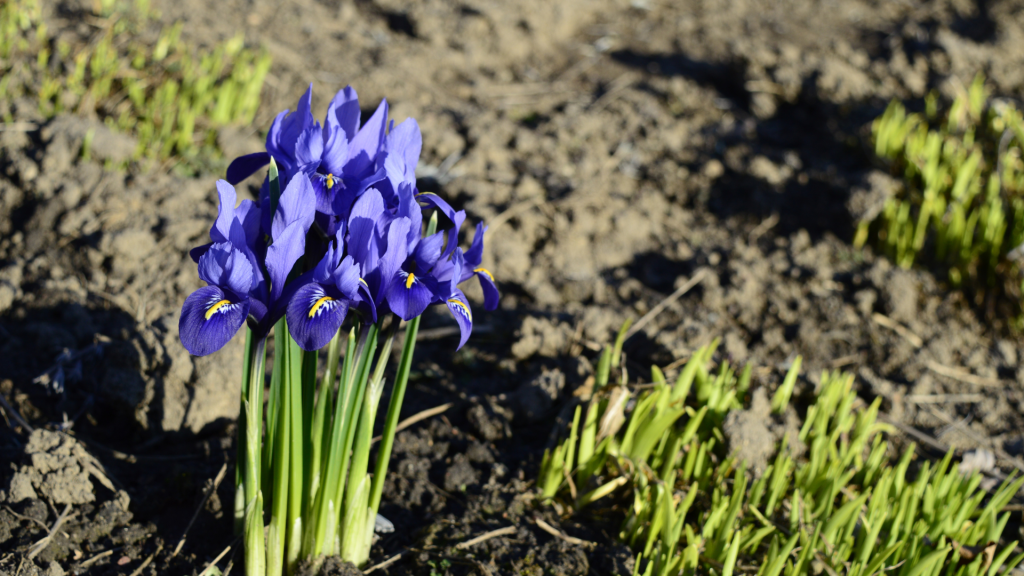
Iris reticulata is a delightful addition to any garden in St. John’s, Newfoundland, offering early spring colour and charm. By following these detailed planting and care guidelines, gardeners can enjoy a flourishing display of these petite yet striking flowers. Whether in rock gardens, beside walkways, or in pots, Iris reticulata will brighten your garden and herald the arrival of spring with grace and beauty.
You can consult with our team at Bowering Gardens, lawn and garden experts in St. John’s, Newfoundland, to determine the best practices for your specific region and landscaping, or you can reach out to us below to get a quote so that we can take it off your hands entirely.
Please note that the information provided in this article is based on general guidelines. Specific care and conditions may vary for different varieties and individual gardens.
Frequently Asked Questions
Iris reticulata thrives in well-drained soil, making rock gardens, gravel gardens, and elevated areas like alpine troughs or pots ideal for planting.
Plant the bulbs 4 inches deep and 3 inches apart, with the pointed end facing up.
After blooming, allow the foliage to fade naturally. Keep the soil dry during the dormant period (summer, autumn, and winter). If the bulbs become overcrowded, divide and replant them in late summer.
Yes, Iris reticulata bulbs can remain in the ground year-round as long as they are planted in well-drained soil to prevent rot during the wetter seasons.
Plant fresh bulbs every fall and apply a balanced fertilizer in early spring to encourage healthy growth and vibrant blooms.
Remember, gardening is not only about nurturing plants but also about embracing the joy and wonder that nature brings. Happy gardening!
Posted on
Posted in Blog
