
Hot Weather Gardening Tips

Hot Weather Gardening Tips for Newfoundland Gardeners
Gardening in Newfoundland can present unique challenges, especially during the hot summer months. As temperatures rise and weather patterns shift, gardeners must adapt their practices to ensure their plants thrive. This comprehensive guide provides essential tips on efficient watering strategies, careful pruning, diligent weed management, and selecting the right plants for your garden.
Effective Watering Strategies
Understanding Water Needs in High Temperatures
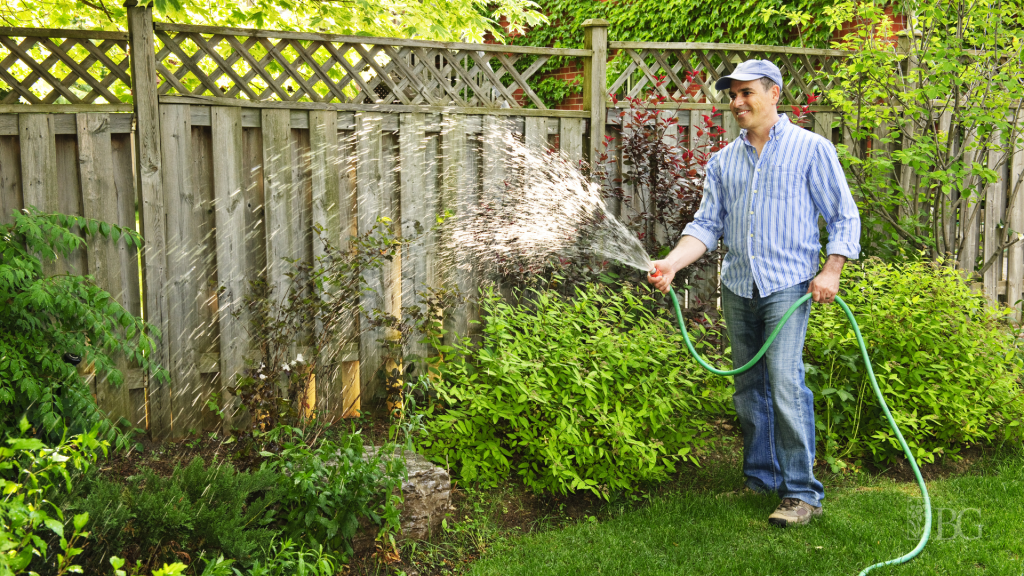
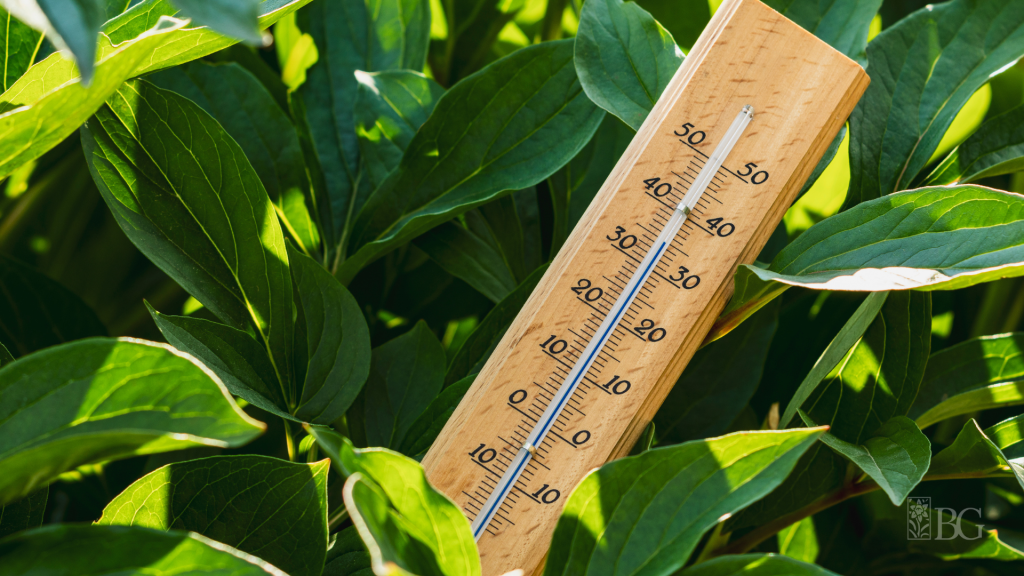
In Newfoundland, summer temperatures can soar, making efficient watering practices crucial for garden health. Vegetable gardens typically require about 25mm (1 inch) of water per week, translating to approximately 280 litres (62 gallons) for a 3m x 3m area. During periods of extreme heat, with daytime temperatures above 32°C (90°F) and nighttime temperatures above 21°C (70°F), daily or every-other-day watering becomes necessary. In a 3m x 3m garden, this equates to around 30-35 litres (8-9 gallons) of water per day.
Optimal Watering Techniques
- Morning Watering: Water your plants early in the morning to maximize absorption and reduce evaporation.
- Drip Irrigation: Ideal for delivering water directly to the soil surface near plant roots, minimizing waste.
- Hand Watering: Effective when done close to the soil surface.
- Sprinklers: Use low-to-the-ground sprinklers to limit evaporation.
To measure water delivery accurately, use a container with a known volume (like a litre jug) to gauge how long it takes to fill, then multiply by the required volume.
Pruning Practices in Hot Weather
Timing and Method
- Wait for Cooler Weather: Postpone pruning during heatwaves to reduce plant stress.
- Prune in Dry Conditions: Only prune when no rain is forecasted and humidity is low to prevent infections.
- Post-Pruning Care: Ensure plants receive ample water directly at the roots after pruning.
Weed Management
Regular Weeding
- Frequent Removal: Remove weeds every few days to prevent them from competing with garden plants for water and nutrients.
- Small Weeds: Easier to remove when they are young.
Benefits of Weed Control
Weeds are well-adapted to drought and can quickly overtake a garden. Regular weeding conserves water for your garden plants and reduces competition.

Choosing the Right Plants
Assessing Plant Suitability
- Observe Plant Health: Identify plants that wilt quickly or require excessive watering and consider replacing them.
- Soil Evaluation: Check the soil composition and drainage. Sandy soils, for instance, drain quickly and might not be suitable for all plants.
Plant Replacement
- Opt for Drought-Tolerant Species: Replace struggling plants with varieties better suited to local conditions.
- Consider Soil Conditions: Adapt plant choices based on specific garden spots, such as low areas with different soil compositions.
Personal Care During Gardening
Staying Hydrated and Cool
- Take Breaks: Regularly rest and drink plenty of water.
- Recognize Heat Stress: Be aware of symptoms like headache, nausea, dizziness, and heavy sweating. Seek help if needed.
For more information about heat-related illness, refer to the CDC’s heat stress page.
You can consult with our team at Bowering Gardens, lawn and garden experts in St. John’s, Newfoundland, to determine the best practices for your specific region and landscaping, or you can reach out to us below to get a quote so that we can take it off your hands entirely.
Please note that the information provided in this article is based on general guidelines. Specific care and conditions may vary for different varieties and individual gardens.
Remember, gardening is not only about nurturing plants but also about embracing the joy and wonder that nature brings. Happy gardening!
Posted on
Posted in Blog
