
Flower Friday – Lilac
Achieve Stunning Hedges and Fragrant Gardens in St. John’s with Lilacs
Introduction
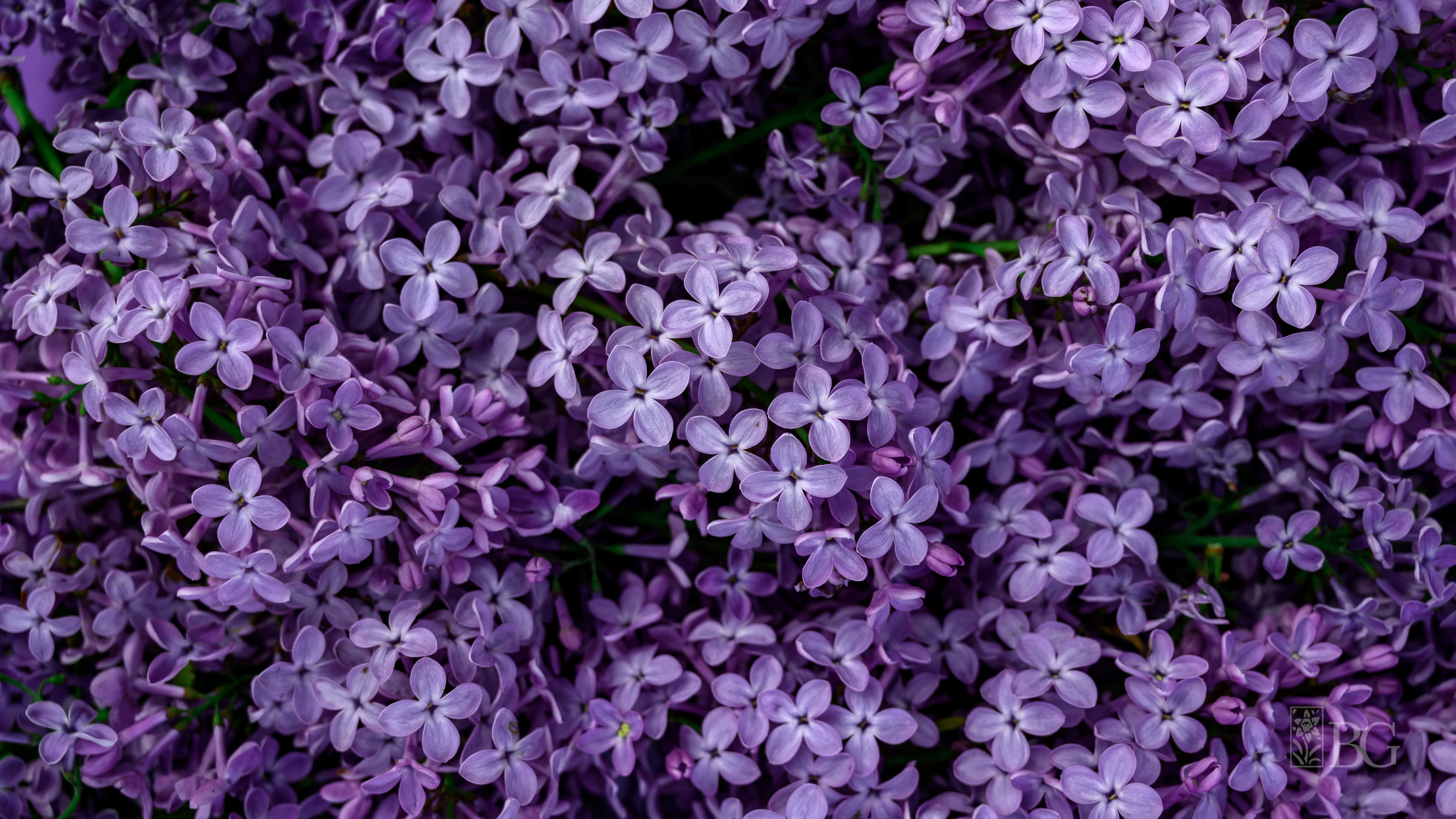
The Common Lilac, scientifically known as Syringa vulgaris, is a cherished plant recognized for its captivating fragrance and beautiful purple flowers. Perfect for St. John’s, Newfoundland’s unique climate, this guide provides detailed information on growing, maintaining, and utilizing lilacs in your garden.
Ornamental Features of Lilacs
Flowering
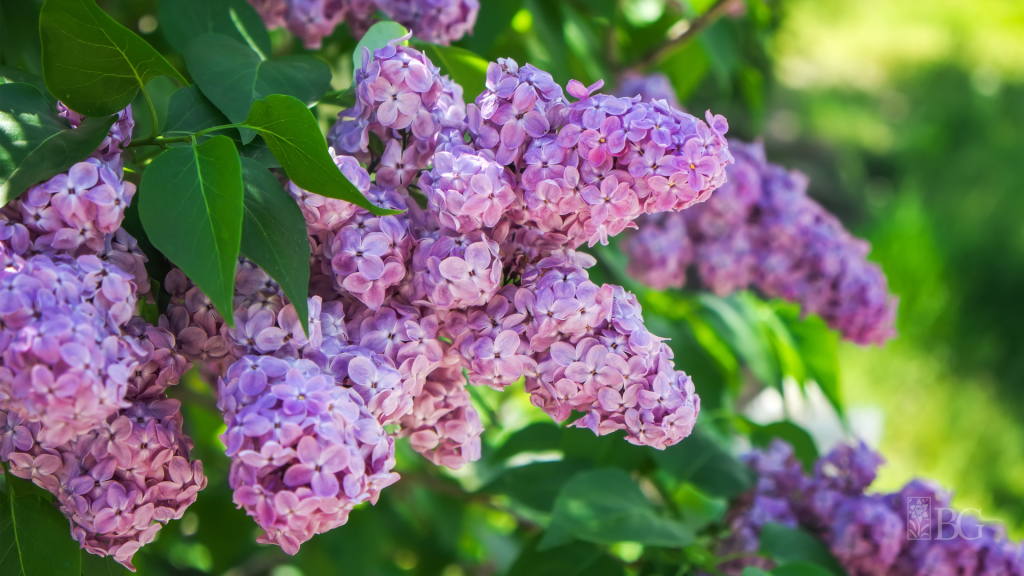
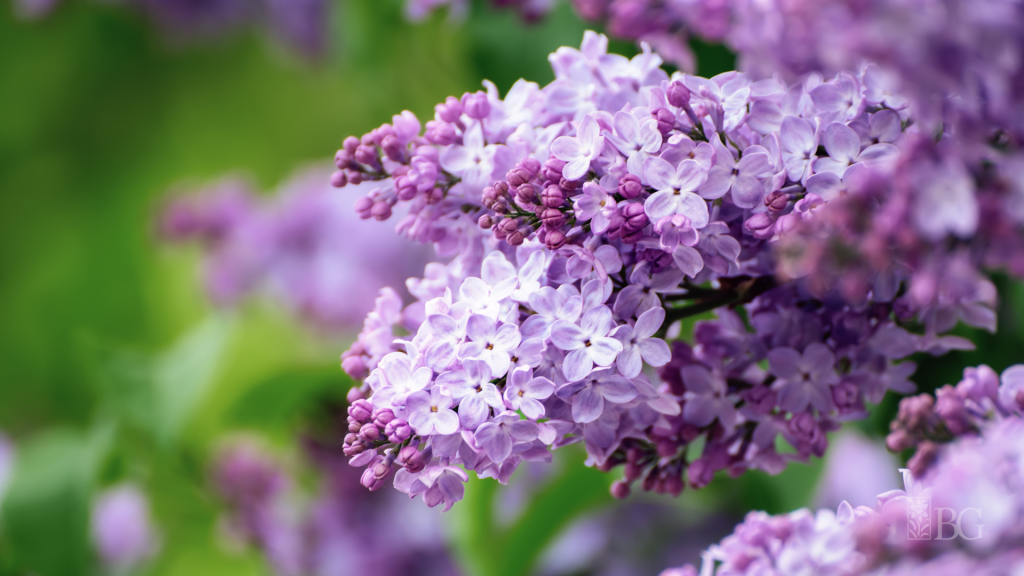
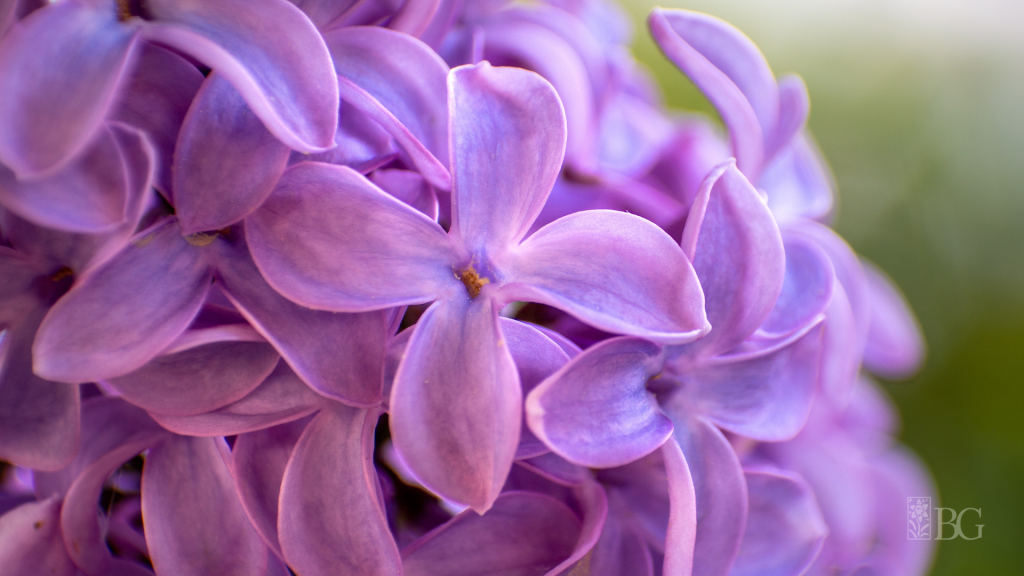
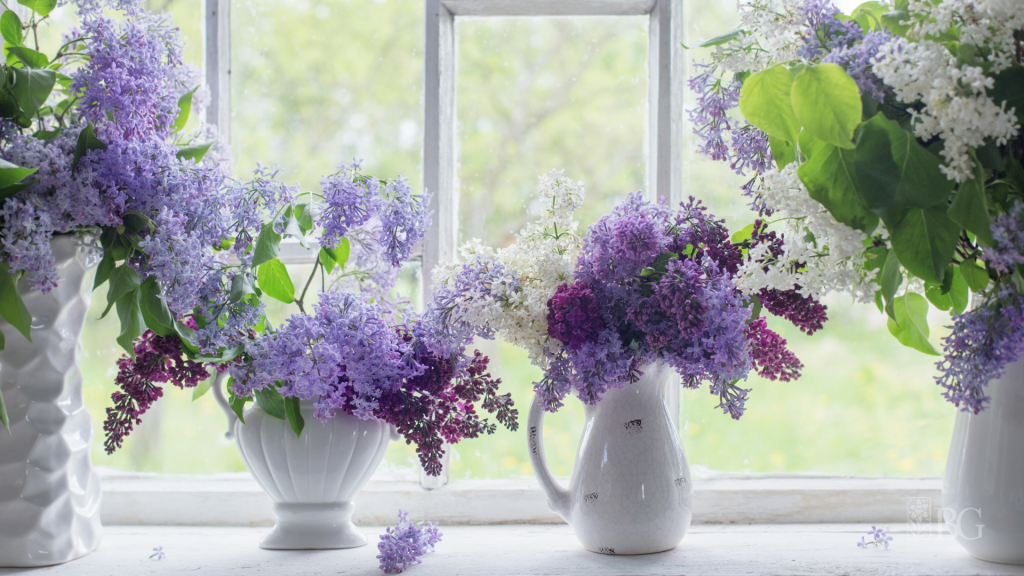
Lilacs feature stunning panicles of fragrant purple flowers that bloom in mid-spring. These flowers are excellent for cutting and add a delightful aroma to any indoor setting. The fragrance of lilac flowers can transform your garden into a springtime paradise, attracting butterflies and adding visual appeal.
Foliage
The shrub has bluish-green, heart-shaped leaves that are deciduous, meaning they fall off in autumn. Unlike some other plants, lilac leaves do not develop significant fall color, maintaining their green hue until they drop.
Growth Habit
Lilacs are a multi-stemmed deciduous shrub with an upright spreading habit. Its coarse texture makes it stand out among other garden plants with finer foliage. This growth habit is particularly suitable for creating tall and dense hedges, providing privacy and a natural barrier in your garden.
Landscape Attributes
High Maintenance
While the lilac is a high-maintenance shrub, it rewards diligent care with abundant blooms and vigorous growth. Regular pruning after flowering is essential to prevent removing the current season’s flower buds.
Wildlife
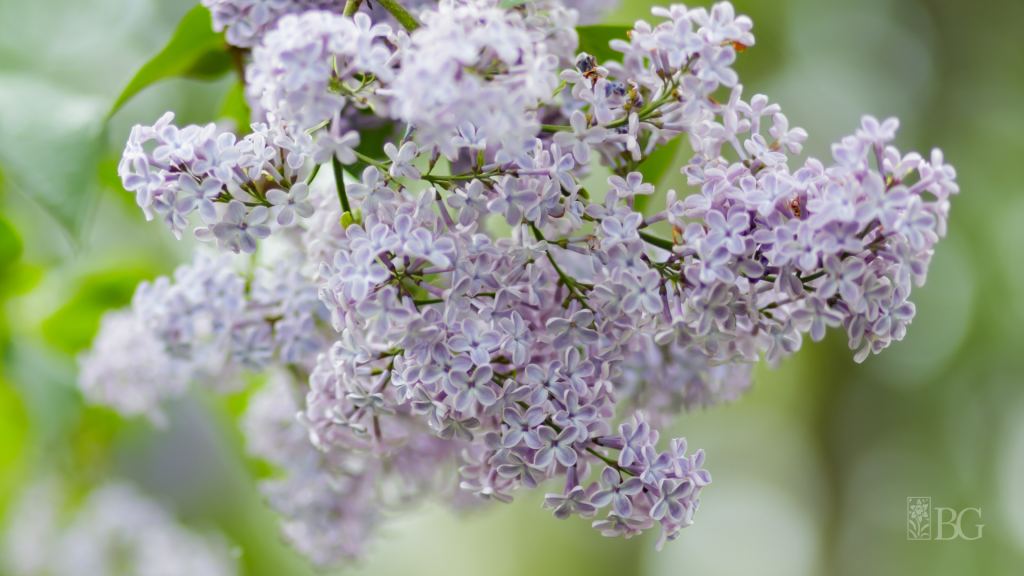
This shrub is a good choice for attracting butterflies to your garden. However, it is not particularly appealing to moose or deer, who usually prefer other plants. This makes it an excellent option for gardens in areas with high pest populations.
Common Issues
Gardeners should be aware of potential issues such as suckering, invasiveness, and susceptibility to insects. Regular maintenance and monitoring can help manage these problems effectively.
Landscape Applications
Mass Planting
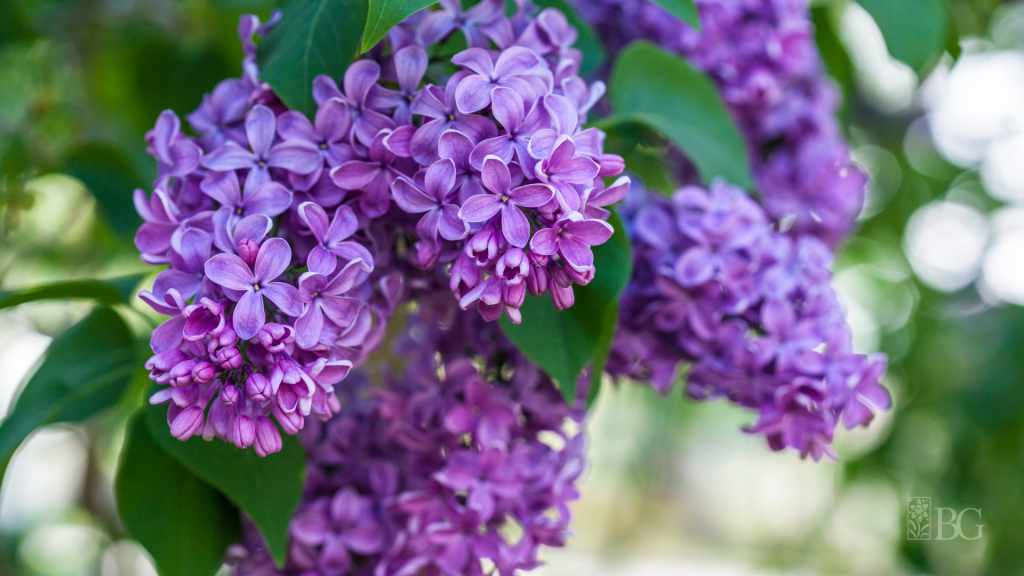
Lilacs are ideal for mass planting, creating a sea of fragrant flowers that can transform large garden areas.
Hedges/Screening
Its upright, bushy habit makes it perfect for hedges or screening, providing privacy and a beautiful floral display.
General Garden Use
Lilacs are versatile and can be used in various garden settings, adding height, texture, and fragrance.
Planting and Growing Lilacs
Size and Growth
At maturity, lilacs grow to about 12 feet tall with a spread of 9 feet. It tends to be somewhat leggy, with a clearance of about 3 feet from the ground. This makes it suitable for planting under power lines. The shrub grows at a medium rate and can live for approximately 30 years under ideal conditions.
Sunlight and Soil
Lilacs thrive in full sunlight. It is adaptable to both dry and moist locations and can flourish in the average home landscape conditions found in St. John’s. The shrub is not particular about soil type or pH, making it easy to grow in various settings.
Urban Tolerance
Highly tolerant of urban pollution, lilacs can thrive even in inner-city environments. This resilience makes it a fantastic choice for gardeners in St. John’s, where urban conditions might challenge other plants.
Recommended Care Practices
Pruning
To maintain a healthy and attractive lilac, prune it after flowering. This practice prevents the removal of flower buds for the next season, ensuring a consistent bloom year after year.
Watering
While the lilac is adaptable to different moisture levels, regular watering during dry periods will help it thrive. Ensure the soil is well-drained to prevent root rot.
Fertilizing
An annual application of a balanced fertilizer in early spring can promote vigorous growth and abundant flowering. Avoid excessive fertilization, as this can lead to lush foliage at the expense of flowers.
Pest and Disease Management
Monitor the shrub for common pests like aphids and lilac borers. Treat infestations promptly with appropriate insecticides or natural remedies. Regularly inspect the plant for signs of disease, such as powdery mildew, and take action as needed.
Conclusion
Lilacs are a beloved shrub that brings beauty and fragrance to gardens in St. John’s, Newfoundland. With proper care and attention, this high-maintenance plant can provide years of enjoyment. Whether used for mass planting, hedges, or general garden decoration, lilacs are a versatile and rewarding addition to any landscape.
You can consult with our team at Bowering Gardens, lawn and garden experts in St. John’s, Newfoundland, to determine the best practices for your specific region and landscaping, or you can reach out to us below to get a quote so that we can take it off your hands entirely.
Please note that the information provided in this article is based on general guidelines. Specific care and conditions may vary for different varieties and individual gardens.
Frequently Asked Questions
Lilacs thrive in full sunlight and well-drained soil. It is adaptable to both dry and moist locations and is not particular about soil type or pH. In St. John’s, where urban conditions can be challenging, lilac’s high tolerance to pollution makes it an excellent choice for local gardens.
Pruning should be done right after the lilac has finished flowering to avoid removing the buds for the next season. Remove any dead or diseased wood and thin out crowded areas to improve air circulation. This helps maintain the shrub’s shape and promotes vigorous growth and abundant blooms.
Regular maintenance for lilacs include proper watering, especially during dry periods, and annual fertilization with a balanced fertilizer in early spring. Monitor for pests like aphids and lilac borers, and treat any infestations promptly. Regularly check for diseases such as powdery mildew and take appropriate action if needed.
Yes, lilacs are perfect for creating tall and dense hedges or screens. Its upright, bushy growth habit provides excellent privacy and a natural barrier. With proper care and pruning, lilac hedges can be a stunning feature in your St. John’s garden.
Lilacs can be used in various ways in your landscape design. It is ideal for mass planting, creating a beautiful and fragrant display in large garden areas. Its height and texture make it perfect for hedges and screening. Additionally, the shrub can add visual interest and a delightful scent to general garden use, enhancing the overall aesthetic of your outdoor space.
Remember, gardening is not only about nurturing plants but also about embracing the joy and wonder that nature brings. Happy gardening!
Posted on
Posted in Blog
