
Flower Friday – Pulmonaria Officinalis (Soldiers and Sailors Lungwort)
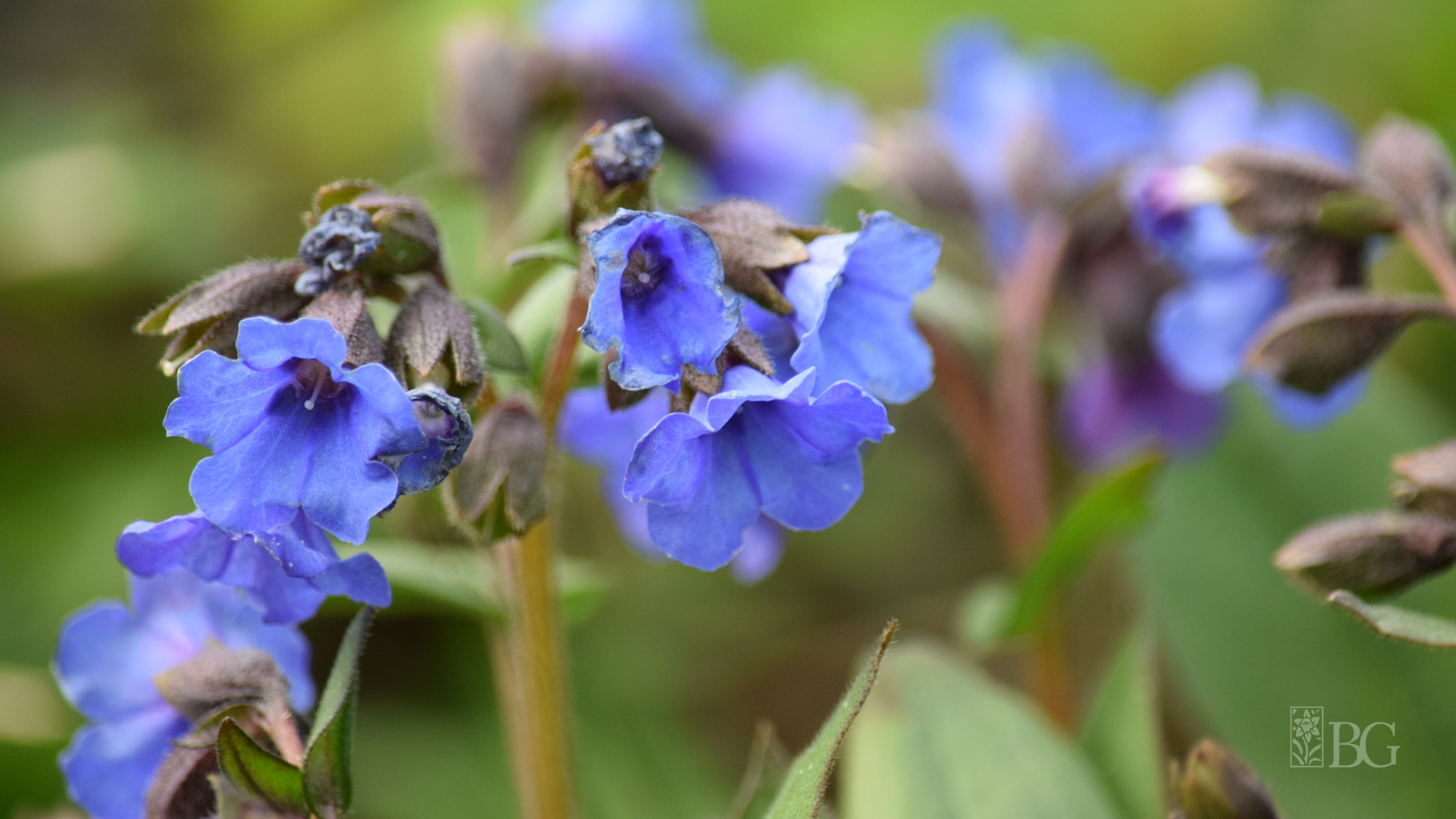
Guide to Growing Lungwort in St. John’s, Newfoundland
Lungwort, known scientifically as Pulmonaria, is a charming addition to any garden. With its vibrant spring flowers and unique speckled foliage, this plant is a favourite among gardeners. Let’s delve into the details of cultivating this resilient perennial in St. John’s, Newfoundland, considering its specific climate and conditions.
Understanding Lungwort
General Characteristics
Botanical Name: Pulmonaria spp.
Common Name: Lungwort
Family: Boraginaceae
Plant Type: Herbaceous perennial
Mature Size: 6–12 inches tall, 12–18 inches wide
Sun Exposure: Partial sun to full shade
Soil Type: Moist, well-drained
Soil pH: Neutral to slightly alkaline (7.0 to 8.0)
Bloom Time: Spring
Flower Colour: Blue, pink, white
Hardiness Zones: 3–8 (USDA)
Native Areas: Europe, Asia
Types of Lungwort
Pulmonaria saccharata: Known for its speckled leaves and pink-to-blue flowers.
Pulmonaria angustifolia: Features narrow leaves and bright blue flowers.
Pulmonaria longifolia: Characterized by long leaves and white-spotted foliage.
Soldiers and Sailors (Pulmonaria officinalis): A traditional variety with pink flowers that turn blue and distinctive spotted leaves.
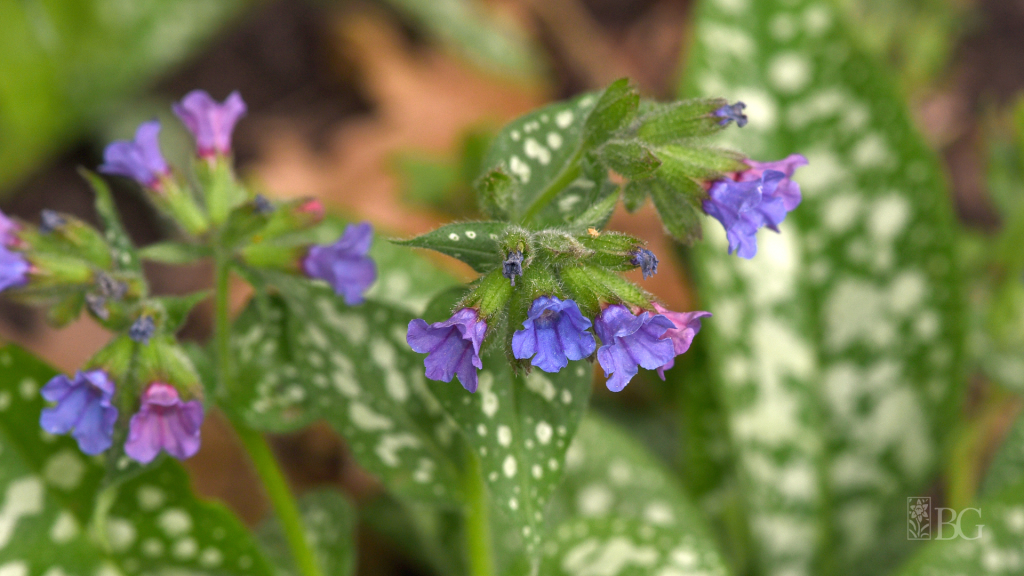
Ideal Conditions for Lungwort in St. John’s
Light
Lungwort thrives in partial sun to full shade. In St. John’s, where the spring and summer sun is not overly intense, these plants can handle some morning sun. However, they should be protected from the harsh midday sun to prevent leaf scorch.
Soil
Lungwort prefers organically rich, well-draining soil. Given St. John’s variable weather, ensuring your garden soil retains moisture without becoming waterlogged is crucial. Compost or well-rotted manure can enhance soil fertility and structure.
Water
Maintaining consistent soil moisture is vital. St. John’s frequent rains usually provide adequate water, but during dry spells, supplemental watering is necessary. Avoid overwatering, as lungwort roots are prone to rot in soggy conditions.
Temperature and Humidity
Lungwort is well-suited to the mild summers and cool springs of St. John’s. The plant may struggle during hot, dry periods but generally rebounds as cooler temperatures return in the fall.
Fertilizer
Lungwort doesn’t need heavy fertilization. An annual application of a balanced, all-purpose fertilizer in early spring is sufficient. Incorporating compost into the soil can also promote healthy growth.
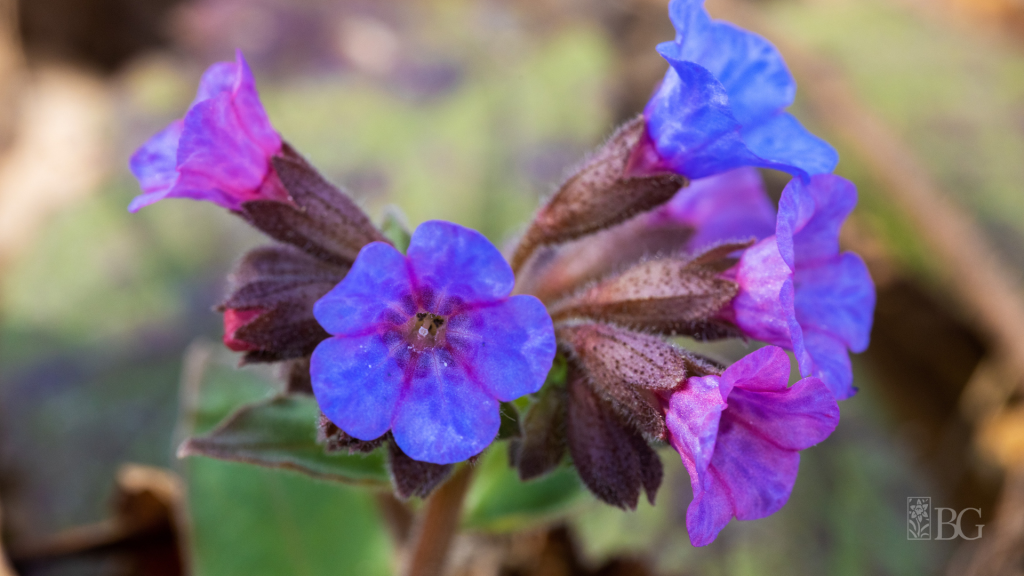
Planting and Care
Planting
Late summer to early fall is the best time to plant lungwort in St. John’s, allowing the plants to establish before winter. Spring planting is also successful. Space plants about 12–18 inches apart to accommodate their spread.
Pruning
After blooming, remove flower stalks and any tattered leaves to encourage fresh growth. In mid-summer, as the plants may go dormant during hot weather, cutting back the tops can rejuvenate the foliage when cooler weather arrives.
Propagation
Lungwort is best propagated through root division. After flowering, dig up the root ball, gently separate the roots, and replant the divisions in prepared soil. This method maintains the characteristics of hybrid varieties.
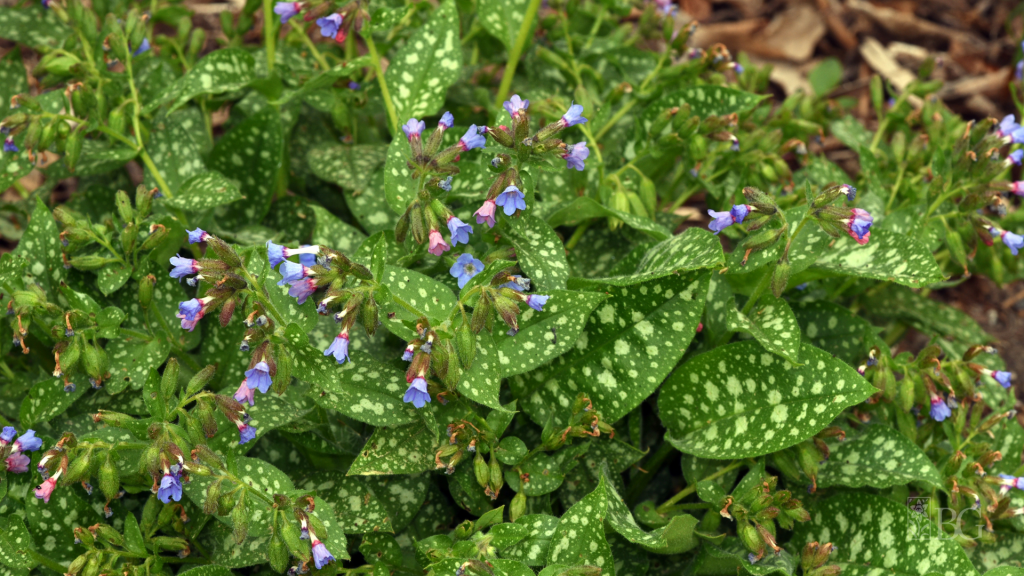
Common Issues
Pests and Diseases
Lungwort is relatively pest-resistant but can be affected by powdery mildew and slugs. Ensure good air circulation and use organic slug controls if necessary. Powdery mildew can be treated with fungicidal sprays if it becomes problematic.
Overwintering
In St. John’s, apply mulch after the ground freezes to protect the roots from freeze-thaw cycles. This is especially important in the colder zones 3 and 4.
Ensuring Bloom
Optimal blooming conditions include morning sun, afternoon shade, consistent moisture, and a slightly alkaline soil pH. Adjust these factors to encourage prolific flowering.
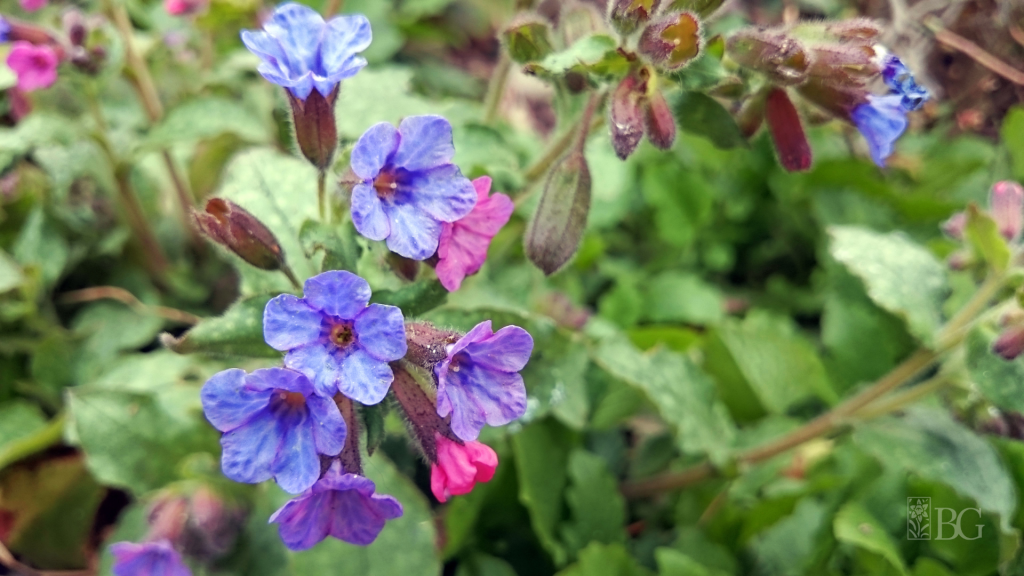
Lungwort Varieties for St. John’s Gardens
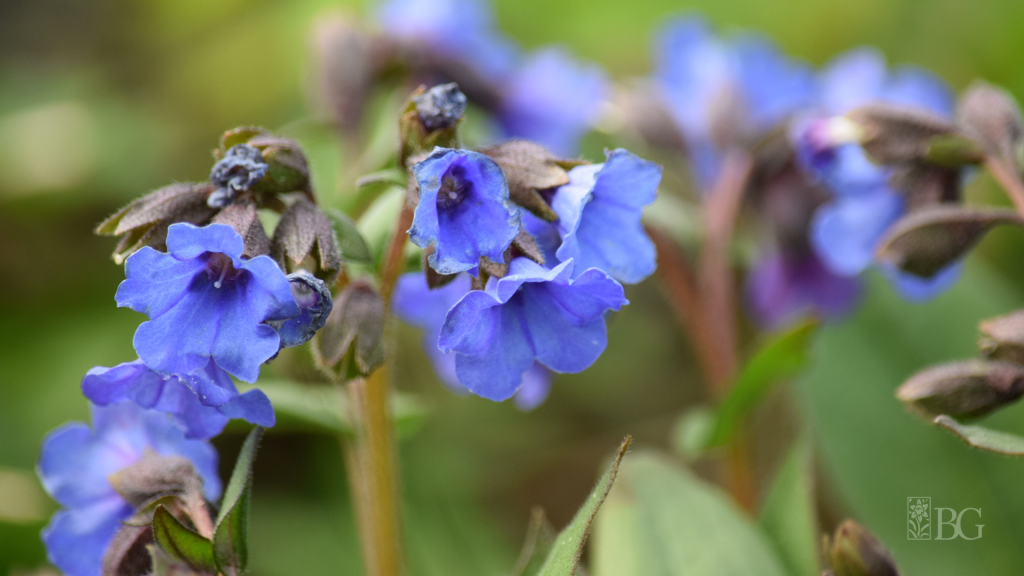
Blue Ensign: Early bloomer with cobalt-blue flowers and dark green leaves.
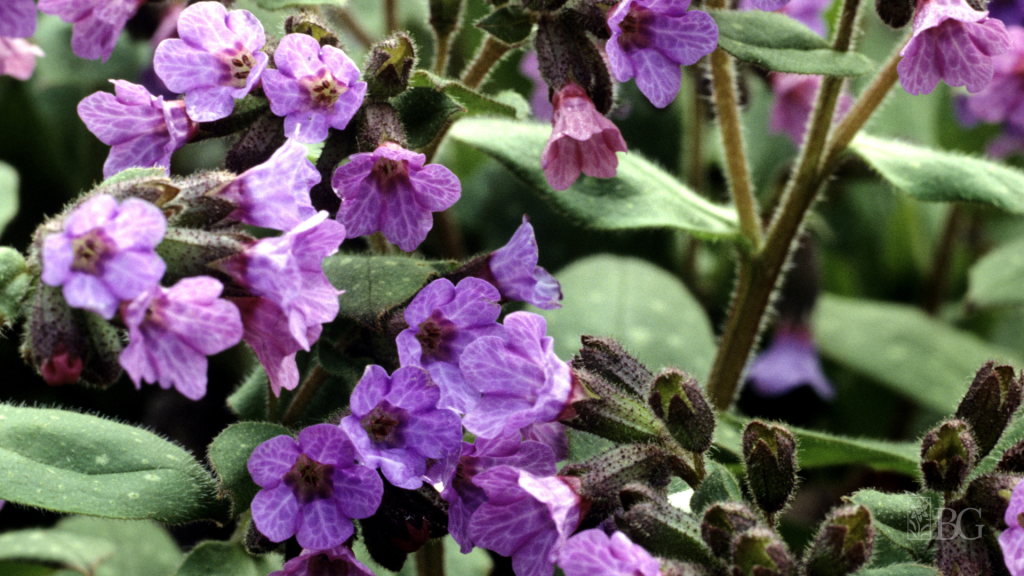
Raspberry Splash: Dramatic clusters of raspberry-pink and lavender flowers with silver-speckled leaves.
Shrimps on the Barbie: Pink flowers and long green leaves speckled with silver.
Trevi Fountain: Large cobalt flowers with medium-green leaves adorned with silver spots.
Majeste: Pink flowers transitioning to blue-violet, with silver-gray leaves edged in green.
Excalibur: Silver leaves and long-lasting violet-blue flowers.
Spilled Milk: Pink-to-blue flowers with young purple-tinged leaves turning white.
Roy Davidson: Pale blue flowers with dark green, silver-spotted leaves.
Smokey Blue: Silvery spotted foliage and pink flowers turning blue.
Sissinghurst White: Pale pink buds opening to pure white blooms on speckled leaves.
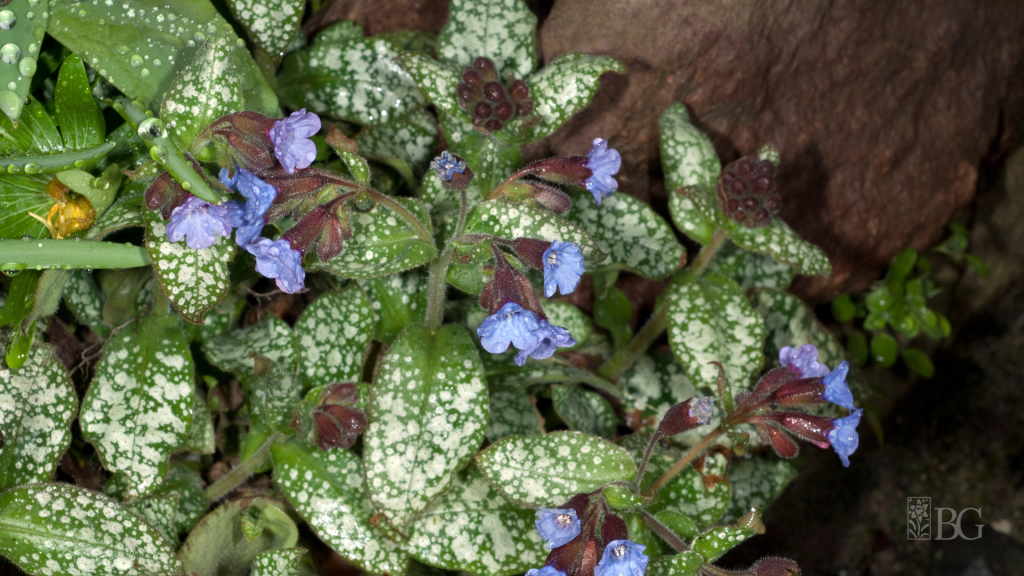
Overview of Soldiers and Sailors (Pulmonaria officinalis)
Soldiers and Sailors, scientifically known as Pulmonaria officinalis, is a versatile and attractive perennial plant. This variety of lungwort is notable for its early spring blooms, which start as pink and gradually turn blue, and its distinctive spotted foliage, making it a standout in any garden.
Characteristics and Growth
- Cold Hardiness: This variety is incredibly hardy, thriving in USDA zones 3 to 9, which makes it perfect for St. John’s climate where winters can be quite harsh.
- Preferred Habitat: Pulmonaria officinalis naturally grows in damp habitats and shaded areas, which are prevalent in the coastal regions of Newfoundland.
- Soil Requirements: It prefers nutrient-rich, well-drained soil with a neutral to slightly alkaline pH, conditions that can be easily managed in St. John’s gardens.
Benefits of Growing Soldiers and Sailors in St. John’s
- Resilience to Cold Temperatures: This plant can endure the cold winters of St. John’s, making it a reliable perennial that will return year after year.
- Early Spring Colour: Soldiers and Sailors blooms in early spring when most other plants are still dormant. This brings an early splash of colour to gardens, lifting spirits after the long winter months.
- Shade Tolerance: With the often cloudy and misty conditions in St. John’s, this plant’s preference for partial to full shade makes it an ideal choice. It thrives in the kind of light conditions typical of the area.
- Low Maintenance: Once established, it requires minimal care, making it suitable for both novice and experienced gardeners.
- Medicinal Uses: Historically, Pulmonaria officinalis was used to treat respiratory ailments, a testament to its diverse applications and benefits.
Recommendations for St. John’s Gardeners
- Planting Time: Plant in late summer to early fall, allowing roots to establish before the winter. Spring planting is also an option.
- Location: Choose a shady spot, preferably under deciduous trees where they will get morning sunlight but be shaded during the hotter parts of the day.
- Watering: Ensure the soil remains moist but not waterlogged. The consistent rainfall in St. John’s should generally suffice, but during dry spells, additional watering might be needed.

Conclusion
Soldiers and Sailors (Pulmonaria officinalis) is a robust and aesthetically pleasing plant that fits perfectly into the St. John’s gardening landscape. Its ability to thrive in shady, cool environments, combined with its early blooms and minimal maintenance, makes it an excellent choice for local gardeners. Embrace this beautiful plant to add both historical charm and practical resilience to your garden.
You can consult with our team at Bowering Gardens, lawn and garden experts in St. John’s, Newfoundland, to determine the best practices for your specific region and landscaping, or you can reach out to us below to get a quote so that we can take it off your hands entirely.
Please note that the information provided in this article is based on general guidelines. Specific care and conditions may vary for different varieties and individual gardens.
Frequently Asked Questions
Pulmonaria officinalis, also known as Soldiers and Sailors, thrives in USDA zones 3 to 9, making it well-suited for the cold climate of St. John’s. It prefers shady or partially shaded areas with well-drained, nutrient-rich soil. The plant benefits from the moist, cool conditions typical of coastal regions, which are prevalent in St. John’s.
Pulmonaria officinalis blooms in early spring, providing vibrant colours when most other plants are still dormant. Its flowers transition from pink to blue, adding a dynamic visual interest to gardens during a time when colour is often scarce. This makes it an excellent choice for gardeners looking to brighten their landscapes early in the season.
Pulmonaria officinalis is a low-maintenance plant once established. It requires minimal care, making it suitable for both novice and experienced gardeners. The plant’s resilience to cold temperatures and its preference for shade mean it can thrive with less intervention compared to more delicate species.
Historically, Pulmonaria officinalis has been used to treat respiratory ailments due to its high mucilage content. This makes it beneficial for conditions such as asthma and chronic bronchitis. While primarily ornamental today, its medicinal history adds an interesting aspect to its cultivation.
The best time to plant Pulmonaria officinalis is in late summer to early fall, allowing the roots to establish before winter. It can also be planted in spring. Choose a shady location, preferably under deciduous trees, and ensure the soil remains moist but not waterlogged. The consistent rainfall in St. John’s typically suffices for its water needs.
Remember, gardening is not only about nurturing plants but also about embracing the joy and wonder that nature brings. Happy gardening!
Posted on
Posted in Blog
