
Flower Friday – Burning Bush

How to Grow and Care for Burning Bush in St. John’s, Newfoundland
Overview of Burning Bush (Euonymus alatus)
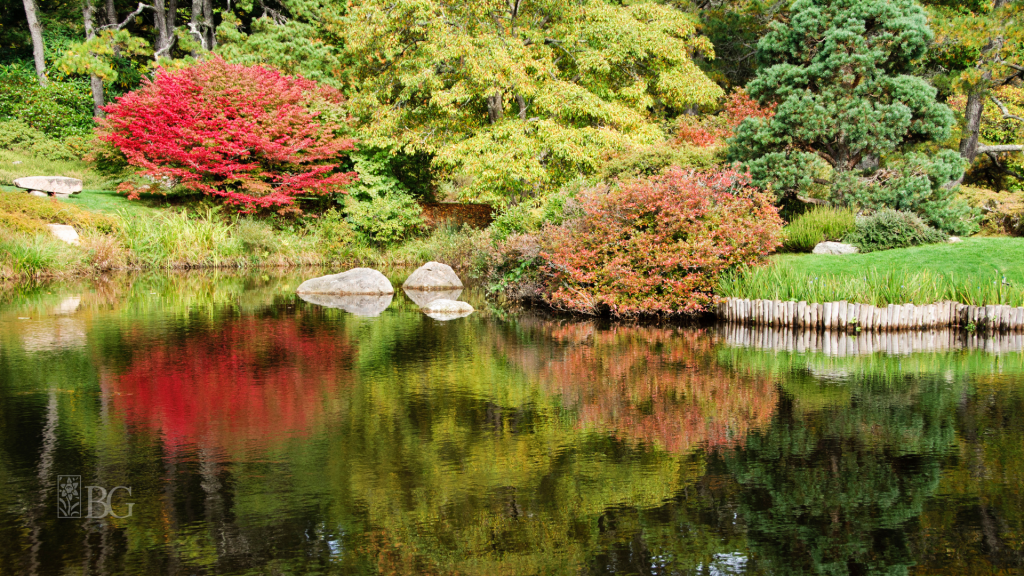
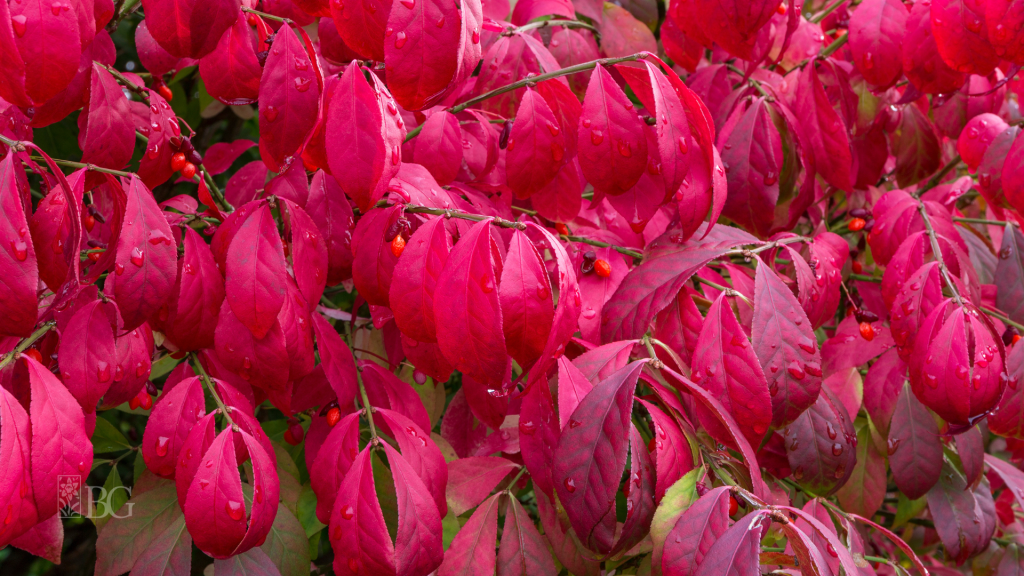
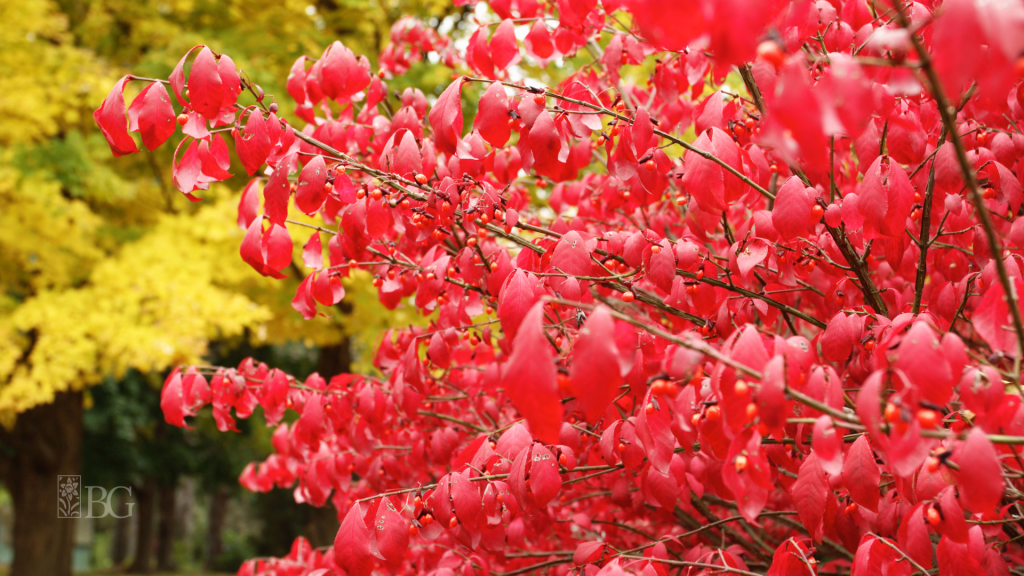
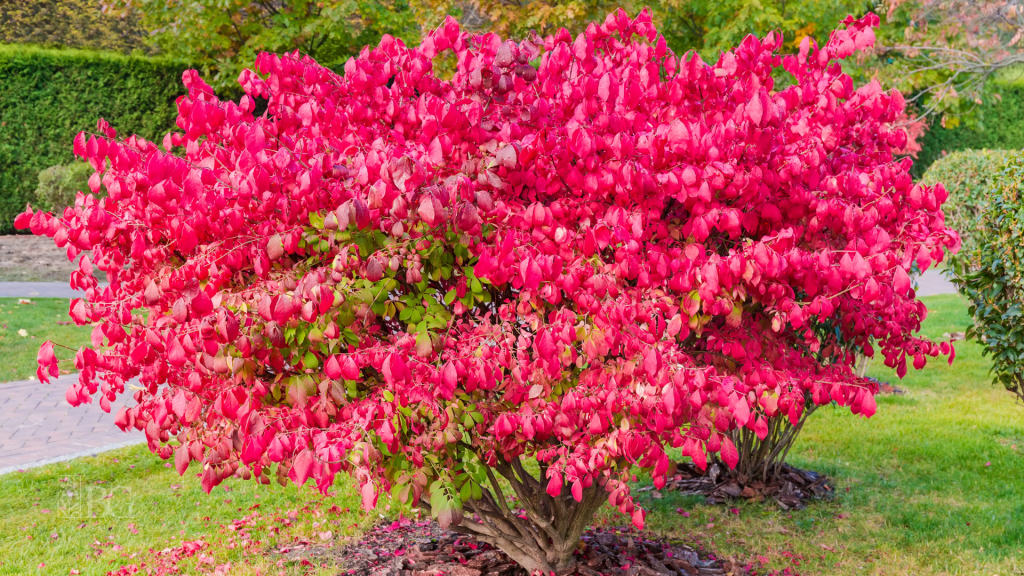
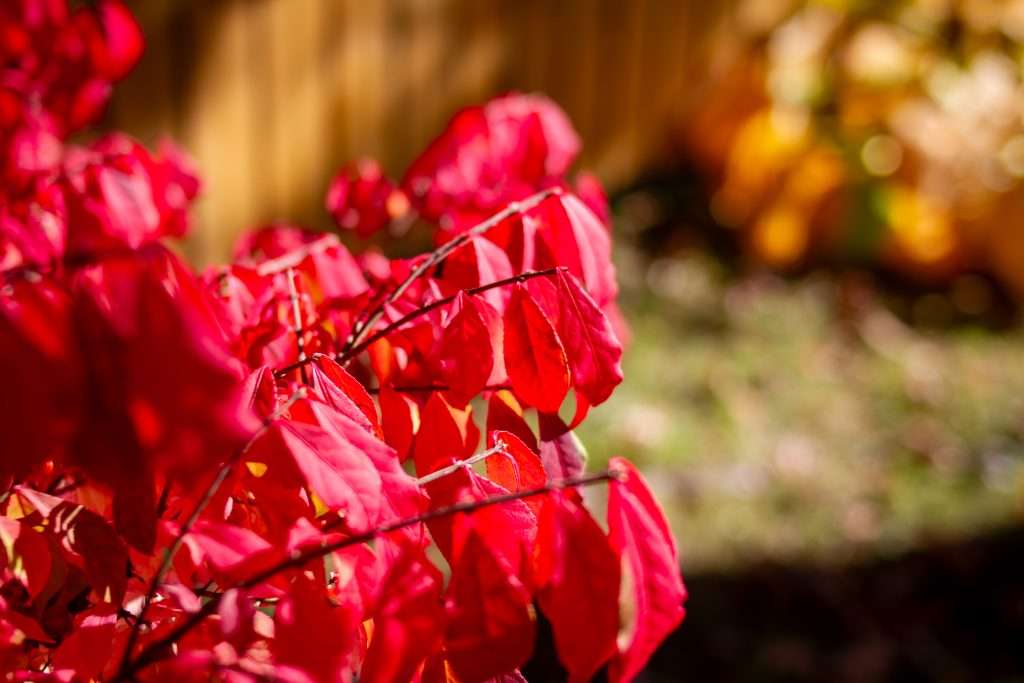
Burning bush is prized for its brilliant red foliage in the fall, making it a standout in many landscapes. Native to Asia, this deciduous shrub offers multi-season interest, with lush green leaves in the growing season and small, yellowish flowers in spring. While it can reach heights of up to 6 metres and widths of 3.5 metres, careful pruning keeps it more manageable in smaller garden spaces.
Ideal Planting Conditions for Burning Bush
- Sunlight Requirements
For the most vibrant autumn colour, plant burning bush in full sun, where it will receive at least six to eight hours of sunlight daily. While it can tolerate partial shade, reduced sunlight diminishes its iconic fall display. - Soil Conditions
Burning bush thrives in moist, well-drained soil with a pH ranging from slightly acidic to neutral. Although it adapts to different soil types, avoid waterlogged areas, as poor drainage may lead to root rot. Before planting, enrich the soil with organic matter, such as compost, to improve aeration and moisture retention. - Watering Needs
Water young burning bushes regularly to establish a robust root system. Once mature, burning bush is relatively drought-tolerant and typically requires only occasional watering, depending on the natural rainfall and humidity levels in Newfoundland. To maintain a healthy plant, aim to keep the soil moderately moist but not soggy. - Temperature and Humidity
Burning bush thrives in USDA hardiness zones 4 to 8, making it suitable for the cool and variable climate of St. John’s. While it can withstand cold winters, mulching around the base in late fall helps protect its roots and conserve moisture. - Fertilization
Established shrubs generally do not need additional fertilizer. However, young or recently transplanted burning bushes benefit from a balanced, slow-release fertilizer applied in early spring. Avoid over-fertilization, which can lead to excessive growth and reduced structural integrity.
Planting and Propagation
- Planting Time
The best times to plant burning bush are in spring or early fall. This allows the roots to establish before extreme weather sets in. When planting, dig a hole twice as wide and as deep as the root ball. Place the shrub in the hole, fill in with soil, and water thoroughly. - Propagation by Cuttings
To propagate burning bush, take 10-15 cm softwood cuttings in late spring or early summer:- Cut just below a node with sterilized pruners.
- Remove the lower leaves and dip the cutting end into rooting hormone.
- Plant the cutting in a pot with a well-draining potting mix and place it in bright, indirect light.
Keep the soil consistently moist until roots develop, typically within several weeks. Transplant the cutting into the garden the following spring.
Pruning and Maintenance
- Routine Pruning
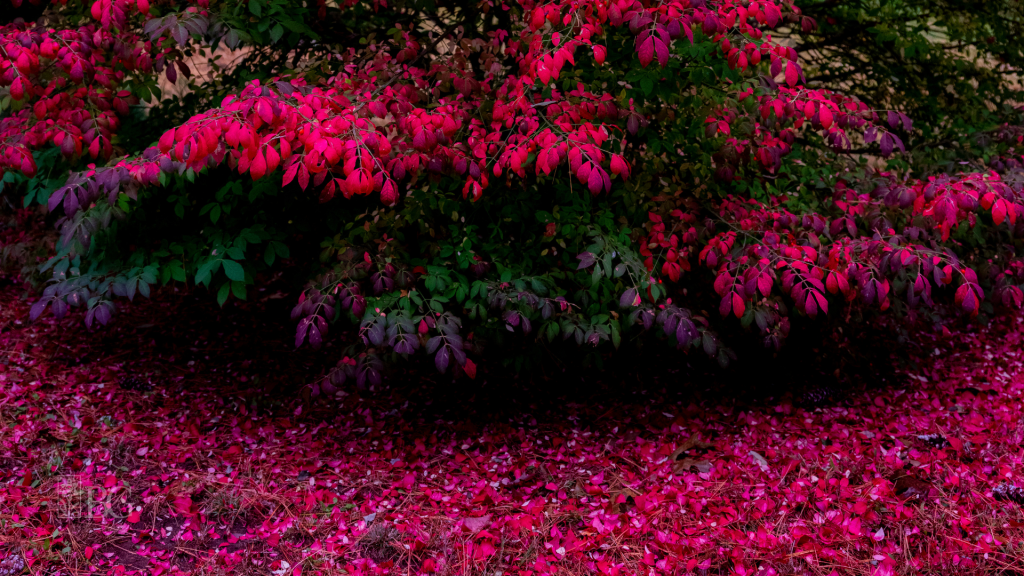
Prune burning bush in early spring to shape and control its size. This also promotes airflow and prevents disease:- Remove dead or damaged branches.
- Trim back one-third of the older stems to ground level for rejuvenation.
- Remove suckers to control spread.
- Major Rejuvenation Pruning
For an overgrown or neglected shrub, a hard prune down to just a few centimetres above ground level can rejuvenate the plant. While this approach sacrifices a season’s growth, the shrub will regrow more vigorously.
Common Pests and Diseases
- Spider Mites
Burning bush can suffer from spider mite infestations, leading to browning foliage and potential dieback. Combat this by spraying the foliage with water or using insecticidal soap if infestations persist. - Powdery Mildew
This common fungal disease presents as a greyish-white coating on the leaves. Improve air circulation through pruning and remove any heavily affected leaves. Applying fungicide can help if the problem becomes severe.

Seasonal Care Tips for St. John’s
- Winter Care
Reduce watering in late fall to prevent root rot over the winter. Mulching helps insulate the roots, offering additional cold protection. - Encouraging Autumn Colour
To maximize the fall display, ensure the shrub receives ample sunlight. Limit fertilizer applications, as excessive nitrogen may delay colour change.
Conclusion
Burning bush can be a stunning addition to gardens in St. John’s with proper care and attention. By planting in the right location, maintaining moisture balance, and pruning as needed, you can enjoy this plant’s vivid seasonal colours for many years.
You can consult with our team at Bowering Gardens, lawn and garden experts in St. John’s, Newfoundland, to determine the best practices for your specific region and landscaping, or you can reach out to us below to get a quote so that we can take it off your hands entirely.
Please note that the information provided in this article is based on general guidelines. Specific care and conditions may vary for different varieties and individual gardens.
Frequently Asked Questions
In Newfoundland, the ideal time to plant a burning bush is either in early spring or early fall. These seasons offer moderate temperatures that promote root establishment before the summer heat or winter frost. Spring planting gives young shrubs the entire growing season to strengthen, while fall planting allows roots to settle before winter dormancy. Be sure to choose a well-drained location with plenty of sunlight to achieve the vibrant fall foliage for which the burning bush is known.
To care for a burning bush during the harsh winters in St. John’s, start by applying a layer of mulch around the base of the shrub in late fall. This helps insulate the roots and retain soil moisture. Reduce watering as winter approaches, since burning bush dislikes sitting in waterlogged soil. Pruning is best done in early spring before new growth begins. If heavy snow is expected, consider gently tying the branches together to protect against snow load damage.
If your burning bush isn’t displaying its characteristic red foliage in the fall, it’s likely due to insufficient sunlight. In St. John’s, where cloudy days can be frequent, it’s important to ensure the shrub receives at least six hours of direct sunlight daily. Shadier conditions reduce the intensity of the red colour. Additionally, over-fertilization—particularly with nitrogen-heavy fertilizers—can delay colour change. Reducing or stopping fertilizer applications in late summer can help enhance the autumn display.
While it is possible to grow a burning bush in a container, it can be challenging in Newfoundland’s climate. The shrub’s roots will quickly fill the pot, requiring frequent repotting or root pruning. For container-grown burning bush, choose a large, well-draining pot and use quality potting soil. Place it in a sunny location to promote vibrant fall foliage. Be cautious about winter care; container plants are more vulnerable to freezing. Consider moving the container to a sheltered location or wrapping it to provide additional insulation during the winter months.
Remember, gardening is not only about nurturing plants but also about embracing the joy and wonder that nature brings. Happy gardening!
Posted on
Posted in Blog
