
Flower Friday – Karl Foerster Feather Reed Grass
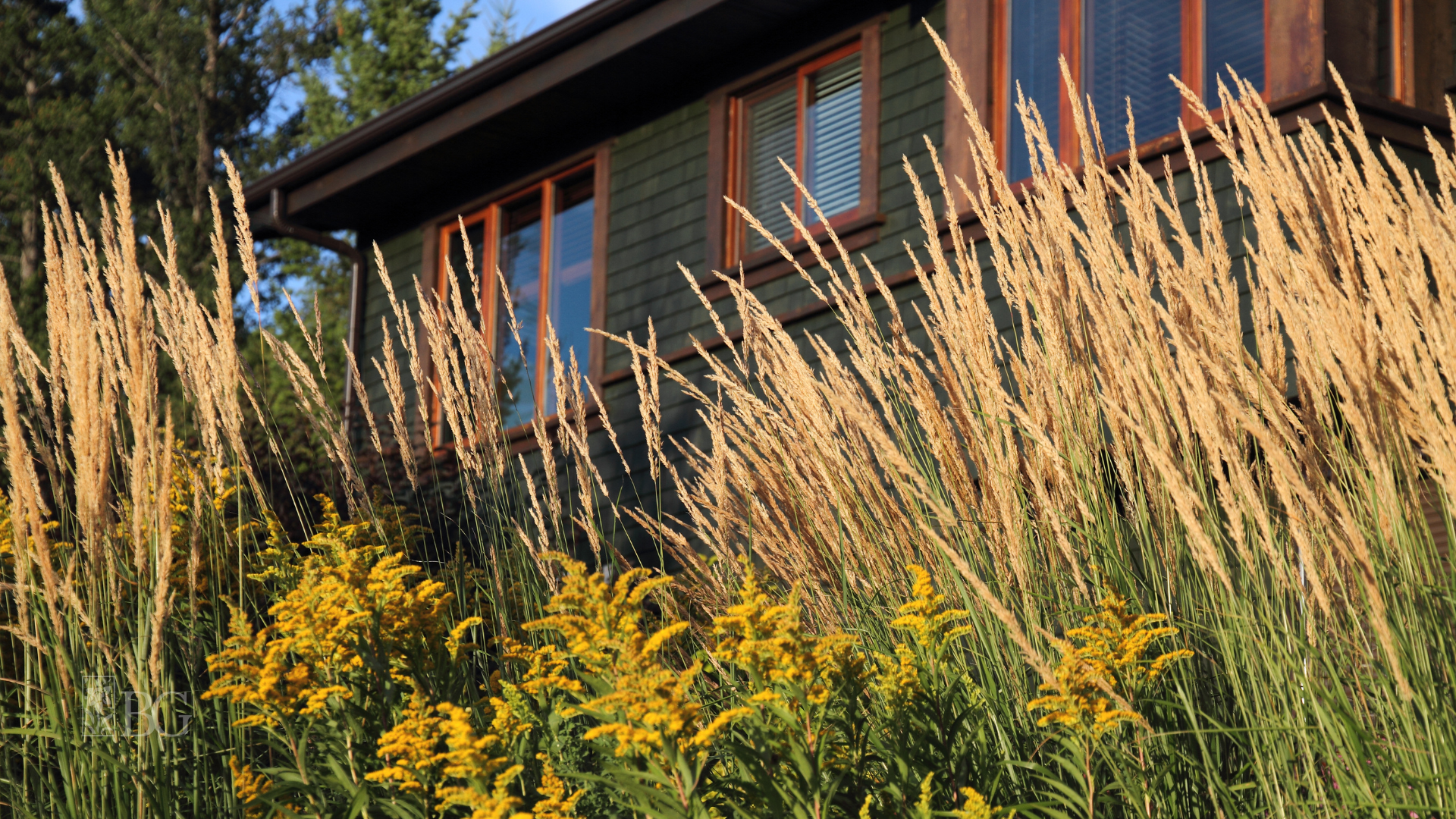
Ornamental Grass: Karl Foerster Feather Reed Grass in St. John’s, Newfoundland Gardens
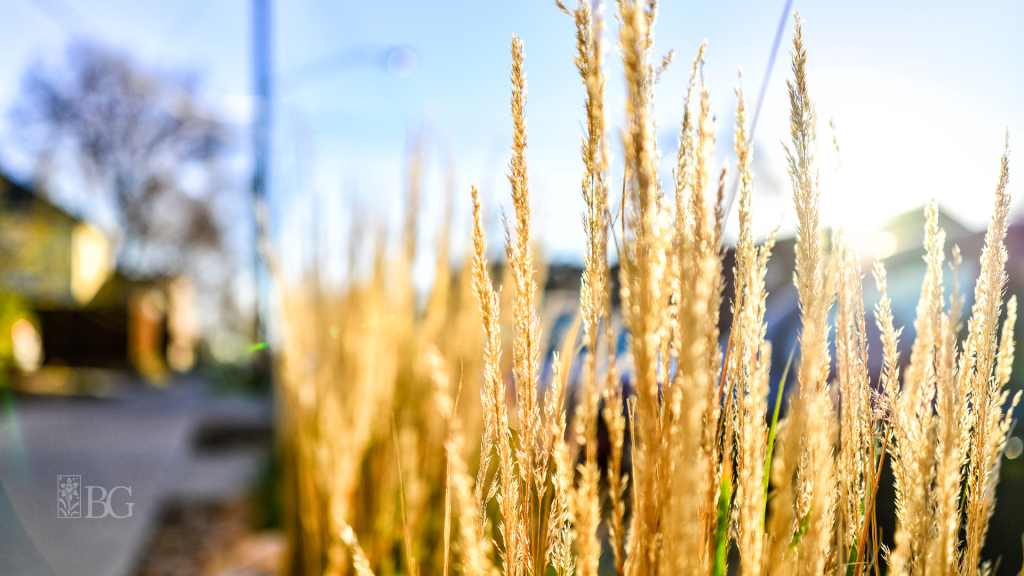
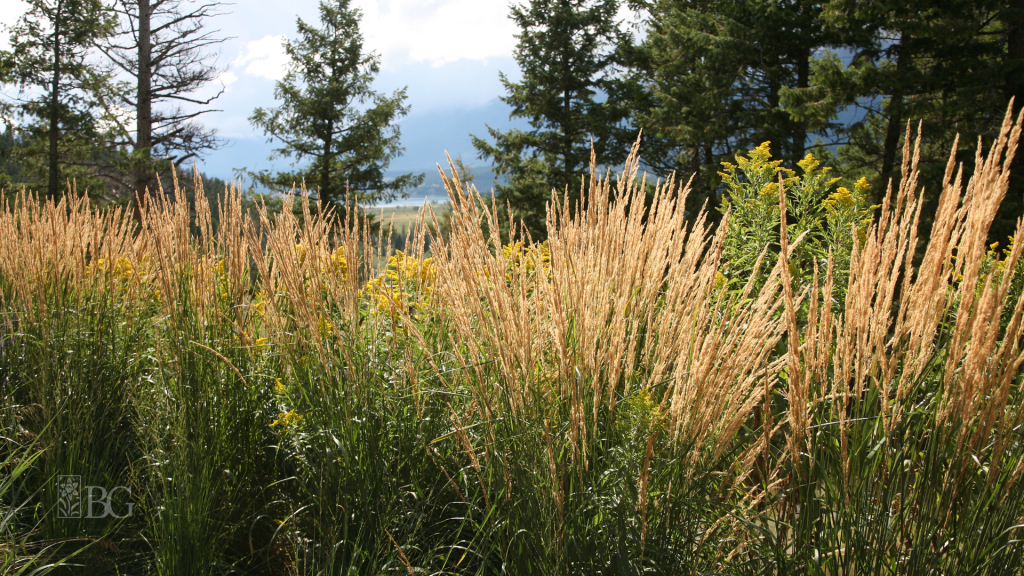
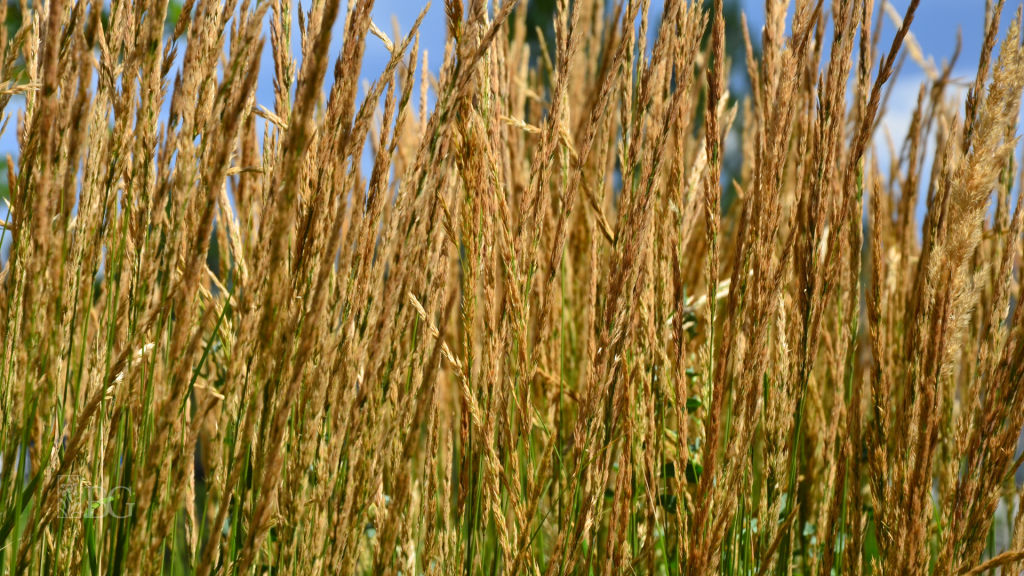
Karl Foerster feather reed grass (Calamagrostis x acutiflora ‘Karl Foerster’) is a highly adaptable and decorative cool-season ornamental grass known for its strong upright habit, year-round visual interest, and adaptability to a range of climates and conditions. As a premier landscaping choice in St. John’s, Newfoundland, this grass offers striking pinkish-purple blooms that turn golden-tan in the autumn, creating a beautiful seasonal transition in your garden or landscape. Here, we delve into detailed care, planting considerations, and strategies to keep your Karl Foerster grass thriving in the specific conditions of Newfoundland.
Optimal Planting Conditions
Light Requirements
- Full Sun for Northern Regions: In St. John’s, it’s best to plant Karl Foerster feather reed grass in full sun for optimal growth and robust blooms. Six to eight hours of sunlight daily is recommended.
- Partial Shade Tolerance: While it can tolerate partial sun, planting in shadier spots may lead to reduced flower production and potentially weaker stems.
Soil Requirements
- Well-Drained, Moist Soil: Karl Foerster thrives in well-drained soil with good moisture retention. Amending your soil with organic compost can help achieve the optimal nutrient balance while retaining moisture without waterlogging.
- Not Particular About Soil pH: It performs well in a range of soil pH conditions, though a fertile, friable soil texture promotes its healthiest growth.
Watering Guidelines
- Maintain Even Moisture: Ensure consistent moisture, particularly during establishment. Mature plants tolerate some drought but perform best when their soil remains evenly moist. Watering at ground level minimizes the risk of fungal diseases.
Temperature and Humidity Tolerance
- Cold-Hardy to Zone 5: St. John’s climate is well-suited for Karl Foerster grass, as it is highly cold-hardy and resilient against typical winter conditions in the region.
- Moderate Humidity Considerations: This grass handles moderate humidity, but excessive humidity coupled with poor air circulation can lead to fungal issues, particularly rust disease.
Planting and Spacing
- Planting Depth: Ensure the plant’s crown is slightly above soil level to prevent rot.
- Spacing Requirements: Space plants approximately 90 cm (36 inches) apart to allow for proper air circulation and avoid overcrowding, which can lead to disease.
Seasonal Care and Maintenance
Spring Care
- Division and Propagation: Early spring is the ideal time to divide established clumps. Dig up the clump and separate it into smaller sections, ensuring each division has healthy roots and foliage. This promotes plant vitality and encourages larger blooms.
- Compost Application: Enrich the soil around the base of the plant with compost to boost nutrients.
Summer Care
- Moisture Monitoring: Continue to monitor moisture levels, especially during periods of heat or dryness.
- Pest Management: While relatively pest-resistant, monitor for any signs of disease or pests, addressing issues promptly to maintain plant health.
Fall and Winter Care
- Winter Interest: Allow flower heads to persist through winter for aesthetic value and wildlife attraction, providing visual interest and feeding birds.
- Trimming in Late Winter: Cut back dead stalks to approximately 15 cm (6 inches) above the ground before new spring growth emerges.
Fertilization Practices
- Annual Soil Enrichment: Apply a layer of compost or a balanced, slow-release fertilizer each spring to encourage vigorous growth.
- Avoid Over-Fertilization: Excessive nutrients can lead to weakened stems and overly lush foliage prone to flopping.
Propagation by Division
Since the seeds of Karl Foerster grass are sterile, propagation is done through division. Every three years, dig up the plant, carefully separate sections with strong roots, and replant them in a suitable location. This practice rejuvenates older plants and keeps your ornamental grass thriving.
Common Problems and Solutions
Rust Disease
- Identification: Look for orange, brown, or rust-coloured specks on the foliage.
- Prevention: Water at the base of the plant to keep foliage dry and ensure good air circulation by proper spacing.
- Treatment: Apply fungicidal sprays containing chlorothalonil if rust appears.
Poor Growth and Flopping
- Solution: Ensure sufficient sunlight exposure and avoid excessive moisture. Weak growth often signals suboptimal light or excess water retention.
Decorative and Landscape Use
Screen and Border Planting
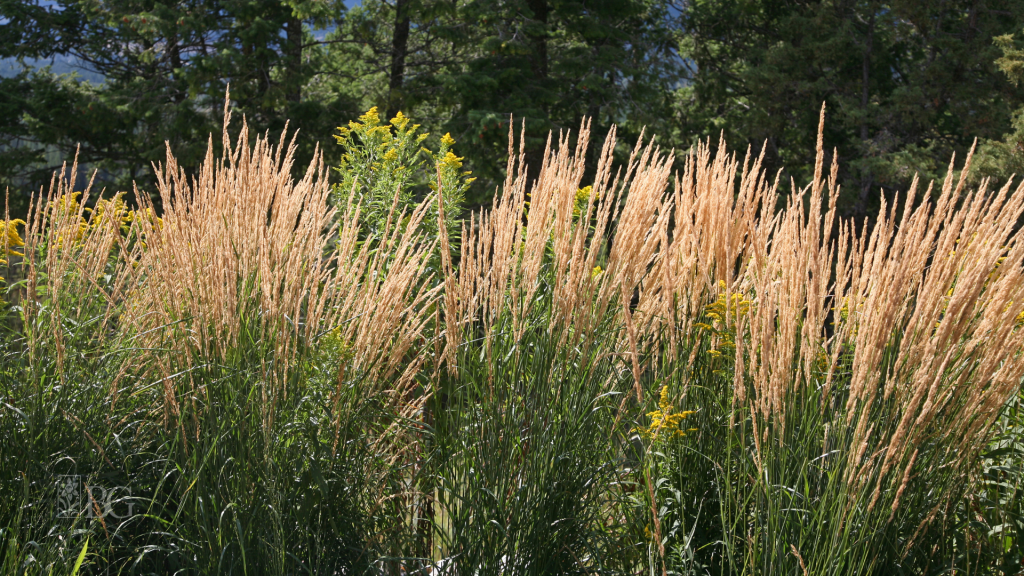
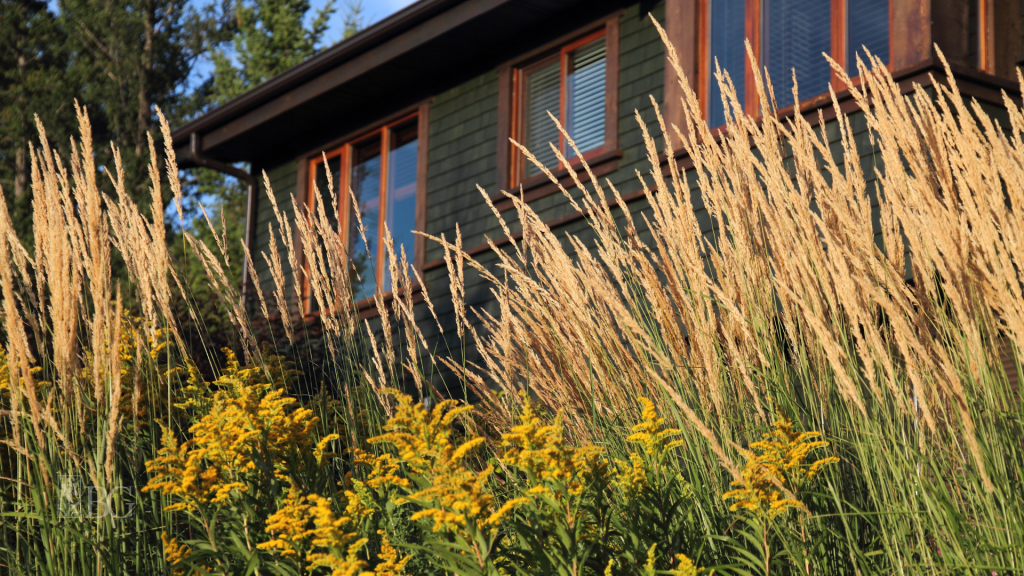
Karl Foerster feather reed grass works well as a natural privacy screen due to its height, growing up to 1.5 metres (5 feet). Plant it in rows for effective screening or as a backdrop in mixed borders for visual contrast.
Container Planting Tips
- Drainage Focus: Use a pot with adequate drainage holes and a well-draining potting mix to prevent waterlogging.
- Overwintering Care: In containers, apply mulch around the base for insulation and maintain adequate moisture without overwatering.
Integration in Water Gardens
Its ability to tolerate occasional wet soil makes it suitable for planting near water features, where it can handle splashes and fluctuating moisture levels.
Karl Foerster feather reed grass offers exceptional versatility, beauty, and resilience suited to the Newfoundland climate. With proper care, planting, and maintenance, it can transform gardens into elegant, low-maintenance landscapes while providing year-round interest and ecological benefits. For landscaping projects in St. John’s, this ornamental grass is a durable and rewarding addition that requires minimal upkeep for maximum impact.
You can consult with our team at Bowering Gardens, lawn and garden experts in St. John’s, Newfoundland, to determine the best practices for your specific region and landscaping, or you can reach out to us below to get a quote so that we can take it off your hands entirely.
Please note that the information provided in this article is based on general guidelines. Specific care and conditions may vary for different varieties and individual gardens.
Frequently Asked Questions
To plant Karl Foerster feather reed grass in St. John’s, choose a location with full sun exposure, as this maximizes growth and flowering. The soil should be well-drained but capable of retaining moisture. Dig a hole twice as wide as the root ball and ensure the crown is slightly above soil level to prevent rot. Space plants about 90 cm (36 inches) apart to allow for air circulation and proper growth. Enrich the soil with compost during planting for nutrient support.
In St. John’s, the best time to cut back Karl Foerster feather reed grass is in late winter, just before new spring growth begins. Trim dead stalks down to approximately 15 cm (6 inches) above the ground. This timing preserves the winter interest provided by the golden-tan flower heads while ensuring healthy regrowth in the spring.
Karl Foerster feather reed grass thrives in fertile, well-drained soil that is kept evenly moist. While it can adapt to various soil types, amending the soil with compost improves nutrient availability and drainage. In St. John’s, where moisture levels can vary, monitoring soil moisture is key to preventing waterlogging or drought stress.
Rust is a common issue for Karl Foerster feather reed grass, particularly in humid conditions. To prevent rust in St. John’s, water plants at their base to keep foliage dry and ensure proper spacing for good air circulation. If rust does appear, treat it with a fungicidal spray containing chlorothalonil. Regularly removing affected leaves and monitoring moisture levels also helps reduce outbreaks.
Remember, gardening is not only about nurturing plants but also about embracing the joy and wonder that nature brings. Happy gardening!
Posted on
Posted in Blog
