
Flower Friday – Cattails

Growing and Managing Common Cattails in Newfoundland
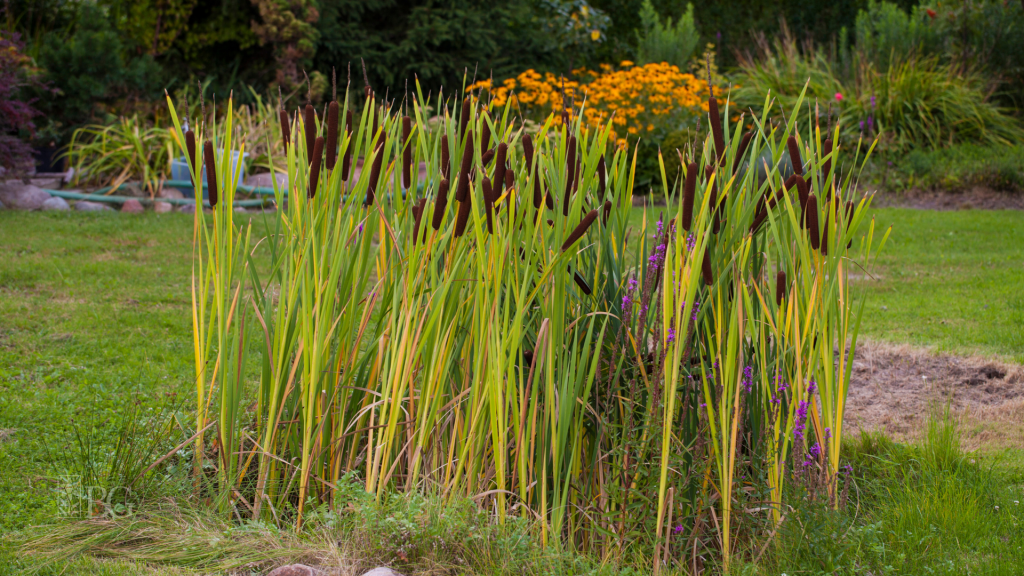
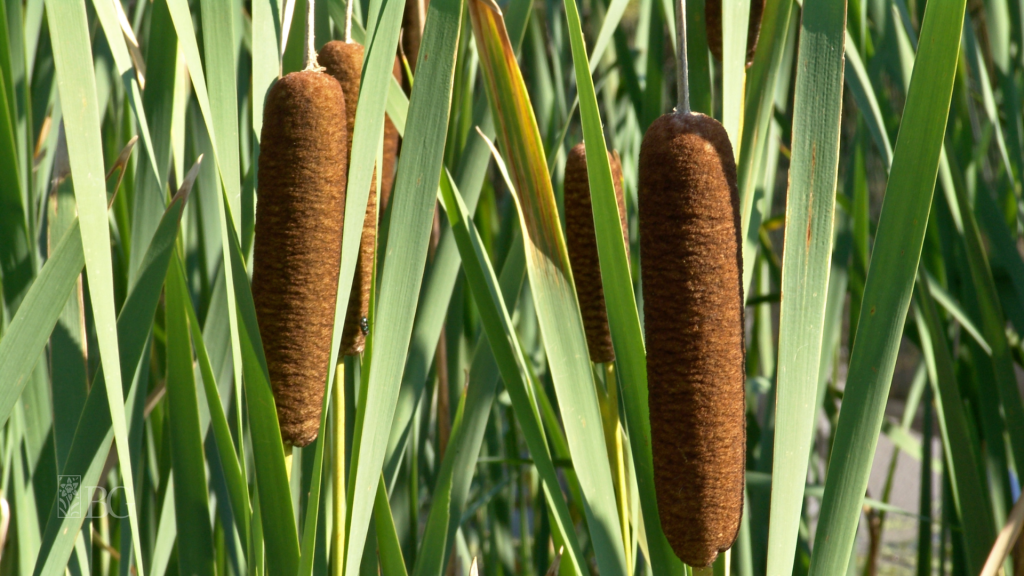
Common cattails (Typha latifolia), also known as bulrushes, are hardy perennial plants that thrive in wetland areas, making them an excellent choice for naturalizing backyard ponds and water gardens. These tall, elegant plants add vertical interest to landscapes while providing habitat for birds, frogs, and other wildlife. With their ability to grow in shallow water or consistently wet soil, cattails are perfect for stabilizing pond edges and creating a natural, serene environment. Their dense foliage can also offer privacy and wind protection, making them a practical addition to outdoor spaces designed for relaxation and biodiversity. This article outlines the optimal growing conditions, maintenance practices, and propagation techniques for cattails, focusing on how to grow them successfully in Newfoundland’s climate.
Ideal Growing Conditions for Cattails
Sunlight Requirements
Cattails thrive in full sun but can tolerate partial shade. For optimal growth, choose a location that receives at least six hours of direct sunlight daily. These plants do not perform well in full shade, so avoid areas where trees or other structures block sunlight throughout the day.
Soil Preferences
Cattails are highly adaptable to a variety of soils, but they prefer moist, loamy soil rich in organic matter. Although they can tolerate clay or sandy soils, it is essential to maintain consistently wet conditions. The addition of compost or aged manure to the planting site can improve fertility and moisture retention.
Water Requirements
As a wetland species, cattails require constant moisture. They grow well in standing water up to 30 cm deep, making them suitable for ponds, drainage areas, and other boggy environments. In Newfoundland, where natural rainfall is plentiful, cattails can thrive in locations that remain wet year-round. If grown in areas prone to drying out during summer, supplemental watering may be necessary to keep the soil soggy.
Temperature and Hardiness
Cattails are well-suited to the temperate climate of Newfoundland. They are hardy in Zones 3 to 10, meaning they can withstand winter temperatures as low as -40°C. Once established, cattails enter a dormant state during winter and emerge again in spring, making them a low-maintenance option for cold climates. However, young shoots can be vulnerable to late spring frosts, so extra care may be needed during early growth stages.

Planting and Propagation
Planting Cattails in Wet Areas
Cattails are typically planted in spring or early summer when the soil is warm and wet. For pond edges or marshy zones, plant them directly into the soil, ensuring the crown sits at the surface level. Avoid using standard garden beds unless they can be kept constantly moist.
Propagation through Rhizomes
Cattails spread rapidly through rhizomes (underground stems), making them easy to propagate. To divide and propagate cattails:
- Dig up mature plants in spring, ensuring some of the rhizome remains intact.
- Separate the clumps into smaller sections, ensuring each section has healthy roots.
- Replant the sections in new locations with wet soil or shallow water.
This method ensures quick establishment and can be used to expand cattail colonies while keeping them controlled.
Growing Cattails from Seed
While cattails can self-seed naturally, they can also be grown from seed. To grow from seed:
- Soak seeds for 24 hours to soften them.
- Press the seeds into the surface of a seed-starting mix with some added sand.
- Keep the soil moist and cover with plastic to retain humidity.
- Germination takes around two weeks. Transplant the seedlings into wet soil once they develop several leaves.
Controlling Cattail Growth
Cattails can quickly spread and become invasive if not controlled. Newfoundland’s wet conditions are ideal for rapid growth, so it is essential to monitor their spread.
- Prune in late autumn by cutting the stems 20 cm above the waterline to prevent them from producing seed heads.
- In areas where cattails are planted near waterways or ponds, use bottomless containers to restrict rhizome growth and prevent them from overtaking other vegetation.
- If necessary, remove excess plants by digging out the rhizomes, ensuring all root fragments are collected to avoid regrowth.

Seasonal Care
Fertilizing
Cattails generally do not require fertilizer, especially if grown in nutrient-rich soil. However, a light application of balanced water garden fertilizer in early spring can encourage healthy growth. Avoid over-fertilizing, as it can lead to excessive spreading.
Pruning
In boggy areas, prune cattails in the fall after their growth slows. Use sharp shears to cut the stalks just above the water level to control their spread and maintain the plant’s appearance. This also encourages fresh growth in spring.
Winter Maintenance
Once the cold season arrives, cattails enter dormancy and require minimal care. Leave the remaining foliage intact during winter to provide habitat for wildlife, such as birds and small mammals. Pruning can be resumed in early spring to make room for new growth.
Pests and Wildlife
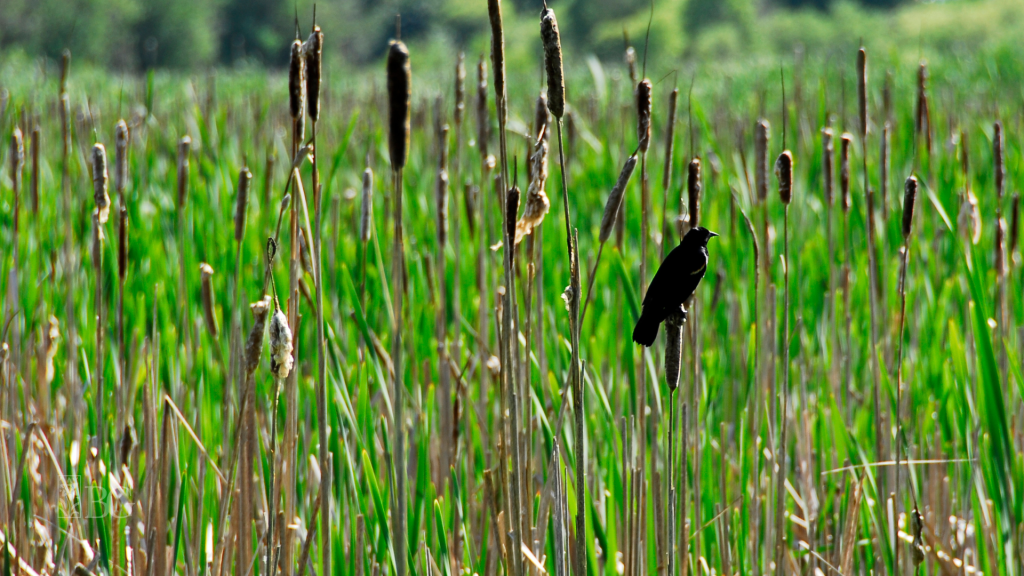
Cattails face few pest problems but are sometimes grazed by muskrats and waterfowl. Muskrats may consume the rhizomes, while waterfowl feed on the leaves and young shoots. In general, these animals do not cause significant harm, as cattails are vigorous enough to recover from occasional grazing. However, in controlled environments such as water gardens, fencing may be necessary to prevent damage.
Recommended Cattail Varieties for Newfoundland
- Dwarf Bulrush (Typha minima): A compact variety that reaches only 60 cm in height, making it ideal for smaller water gardens or containers.
- Graceful Cattail (Typha laxmannii): Known for its slender leaves and golden catkins, this species is well-suited to decorative ponds.
- Narrowleaf Cattail (Typha angustifolia): This species has narrow leaves and can tolerate brackish water, making it a good choice for coastal areas but requires monitoring due to its aggressive growth.

Environmental Considerations
While cattails offer many benefits, such as erosion control and habitat creation, they can impede waterways if left unchecked. In Newfoundland, it is essential to balance their use with environmental management practices. Avoid planting non-native species that may become invasive. Regular monitoring and removal of excess plants are critical to preventing cattails from disrupting natural water flow and choking out other vegetation.
Potential Uses for Cattails
Beyond their ornamental value, cattails have practical applications:
- Erosion Control: Planting cattails along slopes or shorelines helps prevent soil erosion by stabilizing the ground with their rhizomes.
- Wildlife Habitat: Cattails provide nesting sites and cover for birds, frogs, and other small animals.
- Privacy Screen: When planted in thick clusters, cattails offer natural privacy barriers around ponds or property lines.
Conclusion
Growing common cattails in Newfoundland can enhance wet landscapes, create habitat, and prevent erosion, but they require careful management to prevent overgrowth. By choosing the right varieties, planting in suitable locations, and controlling their spread, gardeners can enjoy the many benefits of these striking plants without the risk of them becoming invasive. With the province’s cool, wet climate, cattails are well-suited to thrive naturally, adding both beauty and function to water gardens and marshy areas.
You can consult with our team at Bowering Gardens, lawn and garden experts in St. John’s, Newfoundland, to determine the best practices for your specific region and landscaping, or you can reach out to us below to get a quote so that we can take it off your hands entirely.
Please note that the information provided in this article is based on general guidelines. Specific care and conditions may vary for different varieties and individual gardens.
Frequently Asked Questions
To prevent cattails from overtaking ponds, manual control is essential. Start by cutting the plants below the waterline in late summer or fall, which drowns the remaining rhizomes and prevents them from producing seeds. If plants grow too dense, dig out sections of the rhizomes using a shovel or pond rake. Another effective method is planting cattails in bottomless containers submerged in the pond. This limits their spread while still allowing them to absorb water. Regular monitoring throughout the growing season helps stop them from choking other aquatic plants or blocking water flow.
Yes, cattails are well-adapted to temperate climates like Newfoundland’s. Once established, they survive freezing temperatures by entering dormancy over winter. Although their foliage dies back, the rhizomes remain alive beneath the soil or water. In spring, new shoots emerge, continuing the growth cycle. For newly planted cattails, protecting young shoots from late frosts in April or May may be necessary, but established plants are highly resilient.
Cattails can help prevent erosion along wet slopes, streams, and ponds, but they are less effective in areas with saltwater exposure. For coastal gardens prone to flooding, narrowleaf cattail (Typha angustifolia) is a good option, as it tolerates brackish water. However, care should be taken, as this variety spreads aggressively. Planting cattails along freshwater areas helps stabilize soil with their extensive rhizome network, reducing the impact of runoff and water movement.
Choose dwarf varieties, such as Typha minima, which grow to manageable heights of 60 cm. Use a sturdy 1-gallon container filled with heavy, loamy clay soil. Position the plant so the crown sits just above the soil surface, and mulch with gravel to prevent soil erosion. Submerge the pot in water, allowing the rim to sit just at the waterline. Check for root binding each spring, and repot as needed to maintain healthy growth.
Remember, gardening is not only about nurturing plants but also about embracing the joy and wonder that nature brings. Happy gardening!




Posted on
Posted in Blog
