
Flower Friday – Dwarf Daffodils (Tête-à-tête)
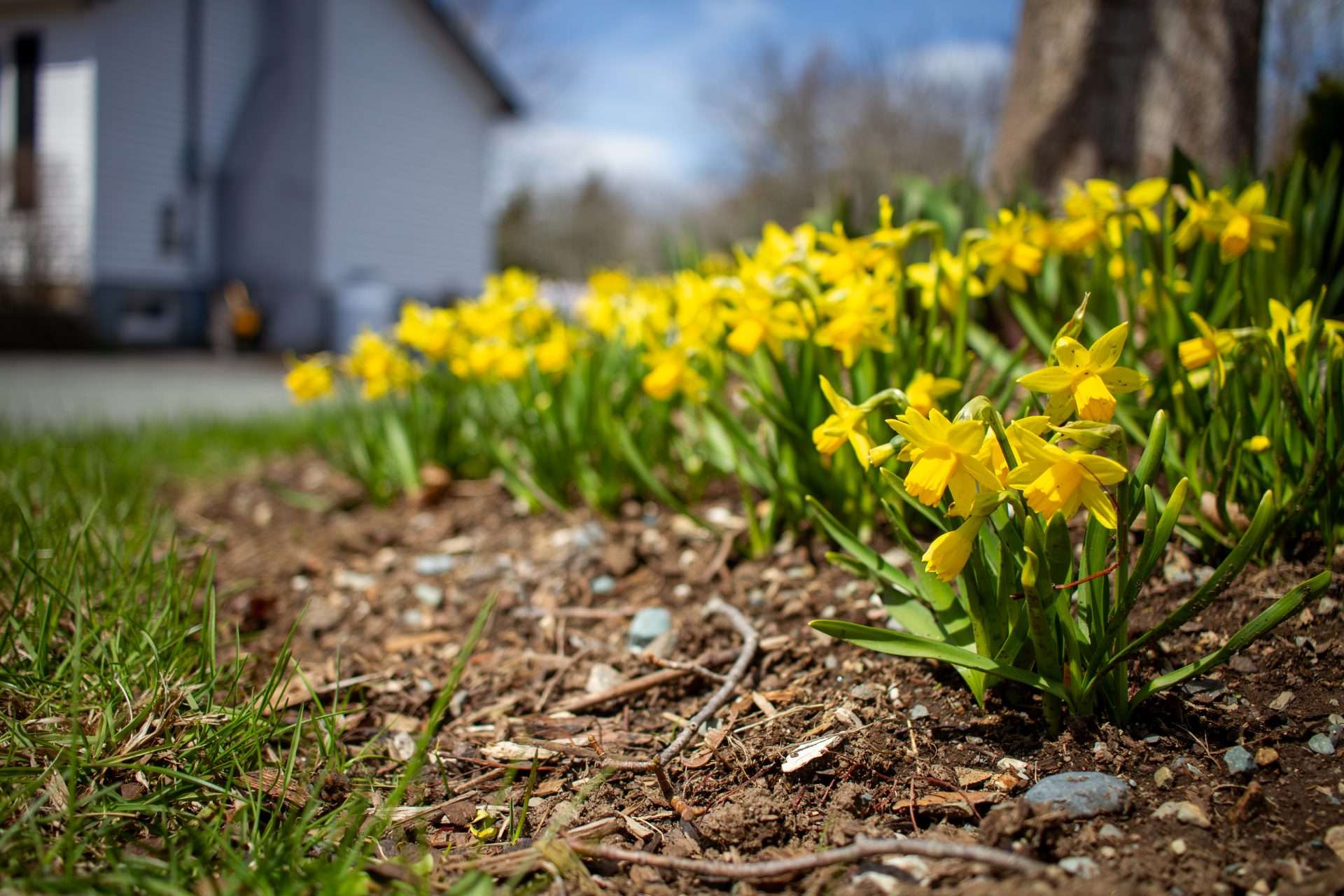
How to Grow and Care for ‘Tête-à-Tête’ Daffodils in St. John’s, Newfoundland
‘Tête-à-Tête’ daffodils are among the first signs that spring is on the way, brightening up gardens with their petite golden blooms. Perfectly suited for the cool maritime climate of St. John’s, these hardy bulbs are an excellent choice for garden beds, borders, and containers. Whether you’re an experienced gardener or a beginner, these daffodils require minimal effort for maximum reward. Here’s everything you need to know to cultivate a stunning display of ‘Tête-à-Tête’ daffodils in your Newfoundland garden.
Why Choose ‘Tête-à-Tête’ Daffodils?
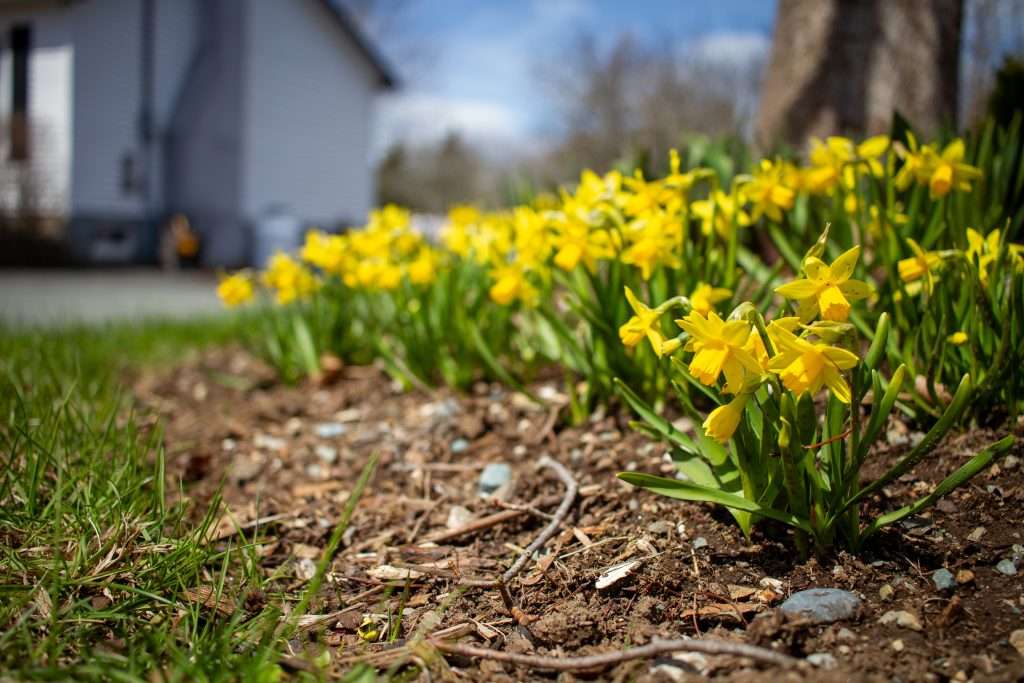
‘Tête-à-Tête’ daffodils are a dwarf variety that grow just 15-20 cm tall, making them ideal for small spaces. They produce multiple flowers per stem, with vibrant yellow petals and a deeper gold trumpet, bringing early-season cheer to any landscape. Their compact nature means they fit well in rock gardens, containers, and alongside walkways.
Key Benefits:
- Hardy in Newfoundland’s Climate: These daffodils thrive in USDA hardiness zones 3-9, making them well-suited to St. John’s’ cool, damp springs and moderate summers.
- Low Maintenance: Once planted, they return year after year with little care required.
- Animal-Resistant: Deer and rabbits tend to leave them alone.
- Perfect for Containers: Ideal for brightening up patios and window boxes.
- Early Bloomer: One of the first flowers to emerge in spring, often appearing by late April.
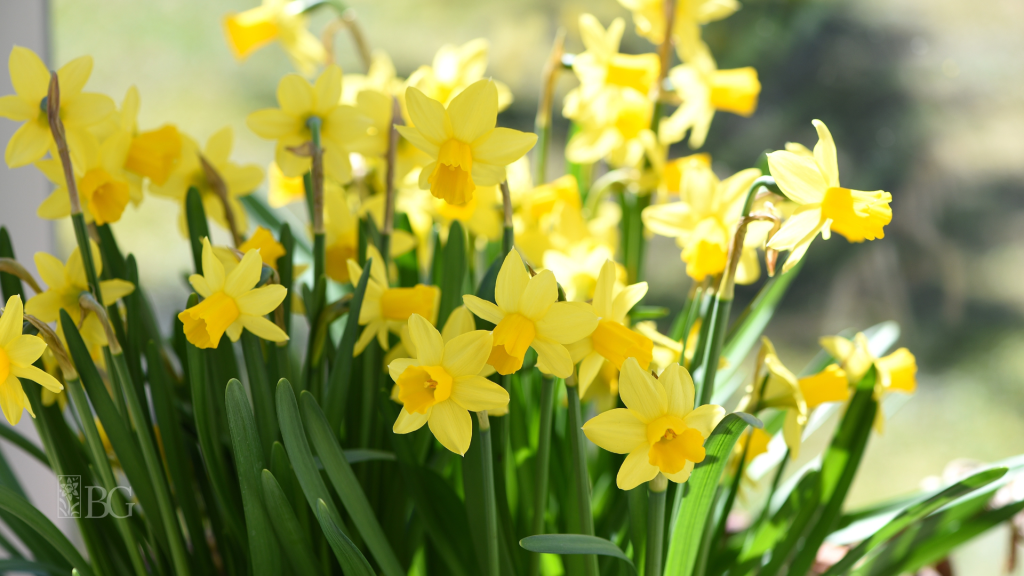
How to Plant ‘Tête-à-Tête’ Daffodils
‘Tête-à-Tête’ daffodils should be planted in the fall before the ground freezes, typically from late September to early November in Newfoundland.
Choosing a Location
Select a spot that receives full sun to partial shade. While these daffodils can tolerate some shade, too much can lead to fewer flowers. Ideal locations include:
- Garden borders
- Beneath deciduous trees (they get full sun before the trees leaf out)
- Rock gardens
- Containers on patios or balconies
Soil Preparation
Daffodils prefer well-draining soil. Heavy clay can cause bulbs to rot, so improve drainage by mixing in compost or sand.
- Digging Depth: Plant bulbs 10-15 cm deep, which is about 2-3 times their height.
- Spacing: Place bulbs 8-10 cm apart for a natural-looking display.
- Orientation: Ensure the pointed end faces up.
- Watering: Give the bulbs a thorough watering after planting.
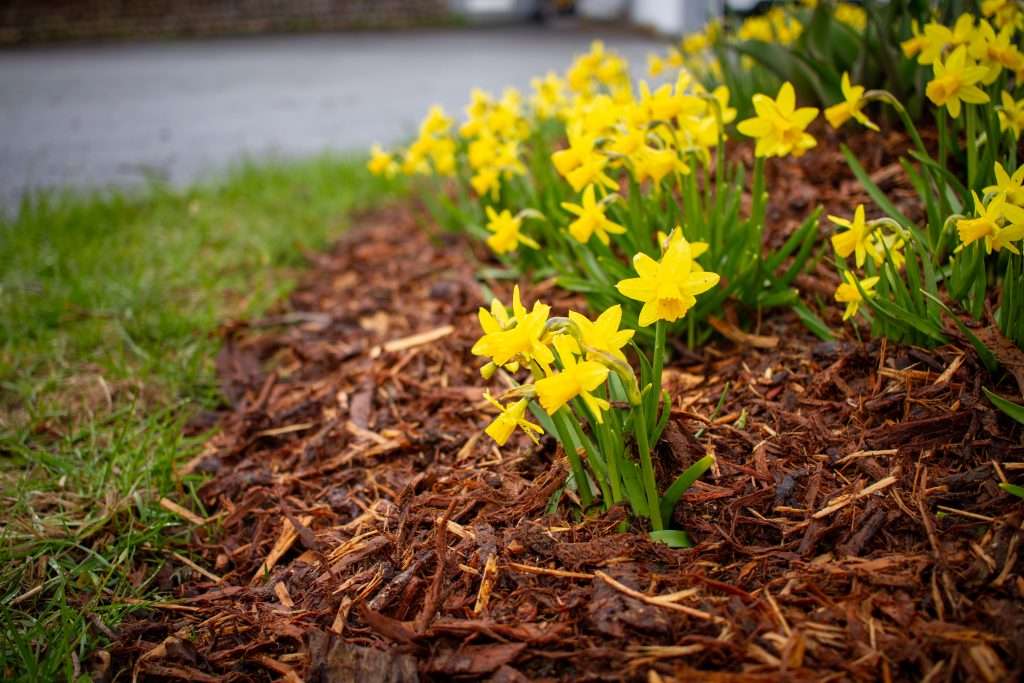
Caring for ‘Tête-à-Tête’ Daffodils
Once planted, these daffodils need little maintenance. Follow these simple steps to ensure healthy blooms year after year.
Watering
- Daffodils need consistent moisture in early spring but prefer drier conditions in summer when they go dormant.
- If spring rainfall is insufficient, water weekly until the flowers fade.
- Avoid watering once the foliage begins to die back.
Fertilizing
- Add compost or a balanced bulb fertilizer (such as 5-10-5) in early spring when shoots emerge.
- Avoid high-nitrogen fertilizers, which encourage leafy growth over blooms.
Mulching
- In colder winters, a light mulch of straw or shredded leaves can help insulate bulbs from temperature fluctuations.
- Remove mulch in early spring once new growth appears.
Deadheading & Foliage Management
- Remove spent flowers to prevent seed formation and redirect energy to the bulb.
- Allow foliage to yellow and wither naturally before cutting back (typically 6-8 weeks after blooming). This process helps bulbs store energy for the next season.
- To disguise dying foliage, plant daffodils among perennials like hostas or ferns.
Growing ‘Tête-à-Tête’ in Containers
These daffodils thrive in pots, making them a great choice for urban gardeners or those with limited space.
Container Tips:
- Choose a pot at least 20 cm deep with drainage holes.
- Use high-quality potting mix rather than garden soil.
- Plant bulbs close together but not touching.
- Keep soil lightly moist but not soggy.
- Store pots in a cool, sheltered location over winter or bury them in the garden to insulate against freeze-thaw cycles.
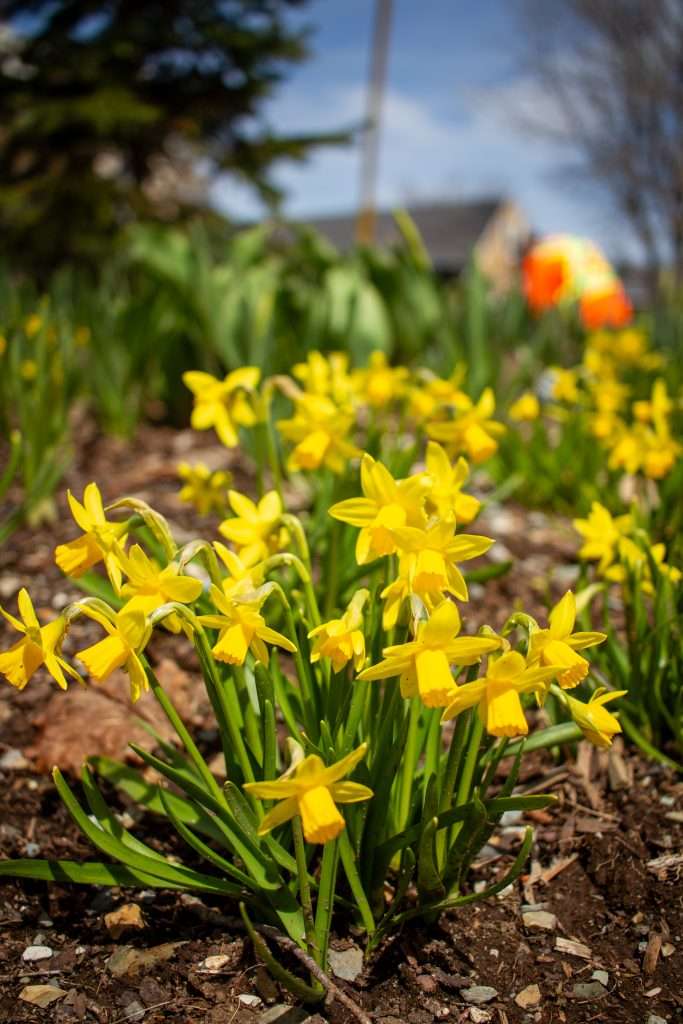
Common Problems & Solutions
While ‘Tête-à-Tête’ daffodils are generally trouble-free, a few issues can arise.
Pests & Diseases
| Problem | Symptoms | Solution |
|---|---|---|
| Narcissus Bulb Fly | Weak growth, deformed leaves | Dig up affected bulbs and discard |
| Bulb Rot | Soft, mushy bulbs | Ensure proper drainage; avoid overwatering |
| Nematodes | Stunted growth, discoloured foliage | Remove infected plants, rotate planting areas |
Failure to Bloom
If your daffodils fail to bloom, consider these causes:
- Planted too shallow (ensure bulbs are deep enough)
- Overcrowding (divide clumps every 4-5 years)
- Too much shade (move bulbs to a sunnier spot)
- Cutting foliage too early (let leaves die back naturally)
When & How to Divide Daffodils
Over time, clumps of ‘Tête-à-Tête’ may become overcrowded, leading to fewer blooms. Dividing bulbs every 4-5 years keeps them healthy.
How to Divide:
- Wait until foliage dies back completely (late spring to early summer).
- Dig up bulbs carefully using a garden fork.
- Separate the bulbs by hand, discarding any that are soft or damaged.
- Replant immediately or store in a cool, dry place until fall.
Designing with ‘Tête-à-Tête’ Daffodils
For a stunning spring display, consider these combinations:
- With Early Bloomers: Plant alongside snowdrops, crocuses, and winter aconite.
- Under Trees: Naturalize among ferns and hostas.
- In Borders: Mix with tulips and hyacinths for extended bloom time.
- In Containers: Pair with violas and pansies for a cheerful porch display.
Conclusion
‘Tête-à-Tête’ daffodils are a reliable, low-maintenance way to bring early spring colour to your garden. Perfectly suited to St. John’s’ climate, they require minimal effort and reward you with beautiful golden blooms year after year. Whether planted in the ground or containers, these delightful flowers will brighten your landscape and signal the arrival of spring. Happy gardening!
You can consult with our team at Bowering Gardens, lawn and garden experts in St. John’s, Newfoundland, to determine the best practices for your specific region and landscaping, or you can reach out to us below to get a quote so that we can take it off your hands entirely.
Please note that the information provided in this article is based on general guidelines. Specific care and conditions may vary for different varieties and individual gardens.
Frequently Asked Questions
To grow ‘Tête-à-Tête’ daffodils in St. John’s, plant bulbs in the fall before the ground freezes—typically from late September to mid-November. Choose a sunny or partially shaded spot with well-draining soil, as excessive moisture can lead to bulb rot. Given St. John’s wet climate, amending soil with compost or sand can improve drainage. Plant bulbs about 10-15 cm deep and space them 7-10 cm apart. After planting, water lightly and apply a layer of mulch to protect them over winter. Come spring, these daffodils will brighten your garden with cheerful yellow blooms, even in cooler conditions.
‘Tête-à-Tête’ daffodils typically bloom in early to mid-spring, depending on winter conditions. In St. John’s, where spring arrives later than in milder climates, expect flowers to emerge in late April or early May. The exact timing depends on snowfall and temperature fluctuations, but these hardy daffodils handle cool spring weather well. If you want earlier blooms, consider forcing bulbs indoors by chilling them for 12-16 weeks before planting in containers.
Yes, St. John’s high precipitation levels mean you should ensure proper drainage to prevent bulb rot. Avoid planting in low-lying areas where water pools. Raised beds or well-amended garden soil can help excess moisture drain away. Once flowers fade, allow foliage to die back naturally, as this replenishes the bulbs for next year’s blooms. If spring is especially damp, consider lifting and storing bulbs in a dry place over summer before replanting in fall.
Absolutely! ‘Tête-à-Tête’ daffodils are excellent for container gardening, making them perfect for patios, balconies, or small outdoor spaces in St. John’s. Use a pot with drainage holes and fill it with a high-quality, well-draining potting mix. Plant bulbs close together (but not touching) for a full display. Keep the soil moist but not soggy throughout winter and early spring. Once they finish blooming, either allow the foliage to die back naturally or transplant the bulbs into your garden for next season.
Yes! ‘Tête-à-Tête’ daffodils, like all daffodils, are toxic to moose and rabbits, making them an excellent choice for gardens in St. John’s where wildlife can be a concern. The bulbs contain lycorine, a compound that deters animals from nibbling on them. If you have issues with other plants being eaten, consider planting daffodils around more vulnerable flowers as a natural deterrent.
Remember, gardening is not only about nurturing plants but also about embracing the joy and wonder that nature brings. Happy gardening!
Posted on
Posted in Blog
